As an Amazon Associate, we earn from qualifying purchases. Some links on this site are affiliate links at no extra cost to you. Our recommendations are based on thorough research and editorial judgment.

How Do Tournament Formats Differ From Regular Season Play?

Tournament formats and regular season play differ markedly in structure and intensity. Tournaments often use single or double-elimination formats, leading to high-pressure situations with compressed schedules and minimal rest. In contrast, regular seasons typically employ round-robin formats, allowing for balanced schedules and recovery time. Rule enforcement is stricter in tournaments, highlighting physical play and penalizing unsportsmanlike conduct. These differences shape team strategies considerably. Exploring further reveals even more unique aspects of these competitive environments.
Key Takeaways
- Tournament formats use single or double elimination, while regular seasons typically follow a round-robin structure for more extensive evaluations.
- Tournaments feature compressed schedules with minimal rest, contrasting the balanced and extended timelines of regular seasons.
- Increased physicality and stricter rule enforcement characterize tournament games compared to the more lenient regulations during regular season play.
- Tournaments emphasize high stakes and peak performance across a few games, whereas regular seasons foster consistent performance over time.
- Venue dynamics differ, with tournaments often held at neutral sites, diminishing home-field advantages seen in regular season matches.
Structural Differences Between Tournament Formats and Regular Season Play
You may be interested
How Do I Execute A Perfect Pop-Up Slide?
September 26, 2025

How Does The Designated Hitter Rule Work In Baseball?
September 26, 2025
What Are Advanced Baserunning Strategies For Stealing Bases?
September 26, 2025
While both tournaments and regular seasons serve to determine the best teams, their structural differences are significant. Tournament brackets often feature varied game formats like single-elimination or double-elimination, accelerating the path to a champion. In contrast, regular seasons typically operate using a round-robin format, where every team plays a set number of games over weeks or months. Tournaments efficiently condense schedules to generate quick results, whereas regular seasons allow for an extensive evaluation of team performance based on cumulative records. Seeding in tournaments relies on performance metrics to create competitive matchups, while regular season fixtures remain fixed, promoting consistency. This blend of competitive structures enriches the world of sports, appealing to fans seeking thrilling rivalries and dynamic matchups. Additionally, the emphasis on player performance metrics in tournaments can lead to heightened pressure and excitement for both athletes and spectators alike.
Rule Enforcement and Game Intensity

Intensity defines tournament play, impacting both rule enforcement and game dynamics. In these high-stakes environments, referees often tolerate more physical defense, allowing greater contact before calling fouls. The pressure on referees to make precise essential calls increases, especially during key moments. Foul strategy becomes vital, as repeat offenders face stricter penalties, influencing the flow of the game. Certain fouls maintain consistent penalties but carry more weight in tournaments, often affecting a player’s availability during critical times. This intensified atmosphere demands players adapt to referee pressure and take advantage of the more lenient enforcement, while unsportsmanlike conduct is swiftly addressed to maintain fairness. Additionally, the protection level offered by umpires, such as the use of advanced chest protectors, can significantly influence their confidence and decision-making on the field. Ultimately, the combination of these factors fosters a uniquely electrifying experience for players and fans alike.
Recommended Products

UMPIRE CHEST PROTECTOR: This chest protector is designed specifically for umpires and comes equipped with Air Management Technology, which evenly distributes impact force for optimal protection.

Dimensions: 23.5” H x 21” W x 2.4” T, this umpire chest protector is large and thick enough, which has ample internal space, allowing for thicker clothing underneath to cope with cold weather, and the outerwear design is easy to put on and take off without removing the uniform

Outside plastic shield to protect chest from impact
Competitive Objectives and Incentives
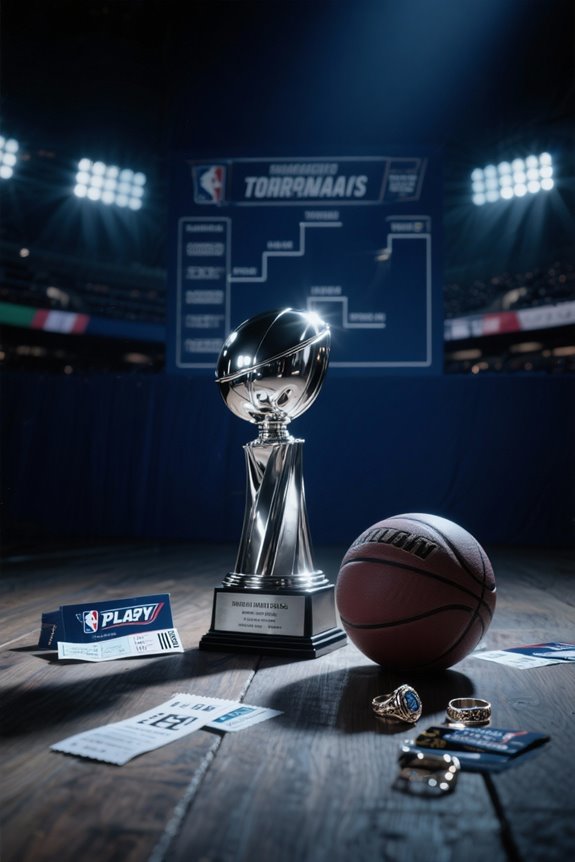
Tournaments and regular season play differ considerably in their competitive objectives and incentives, which shape the strategies athletes employ. In tournaments, the winner-take-all structure pushes athletes toward high-risk competitive behavior, rewarding peak performance in a limited number of events. This creates intense incentive alignment that drives participants to maximize effort and take bold risks. In contrast, regular seasons focus on consistent performance, promoting a balanced and steady competitive approach. Incentives are spread over time, leading teams to prioritize sustained engagement. The disparity in reward structures can even lead some to intentionally modulate their efforts based on rankings, while the tournament’s high stakes encourage dynamic, aggressive tactics. This difference in objectives profoundly influences how teams and individuals approach their competitions. Additionally, the use of durable construction in tournament settings can enhance the performance of athletes by ensuring that their equipment can withstand intense competition.
Recommended Products


FAMILY-OWNED: At Selkirk, we are committed to fueling the pickleball obsession found within every player. Through uncompromising quality and a never-satisfied drive for innovation, we serve players around the world from beginners to pros.

Nylon Badminton Shuttlecocks: 12 Shuttles per trube. Nylon feather highly durable and long lasting shuttlecock
Scheduling and Game Volume

Scheduling and game volume vary greatly between regular season play and tournament formats, affecting how athletes and teams prepare and compete. Regular seasons, like the NBA’s traditional 82-game setup, allow for a balanced schedule with ample rest periods, enabling recovery from the wear of game duration. In contrast, tournaments feature compressed formats where teams may play multiple times within a few days, often with minimal rest between games. This condensed approach increases player fatigue, requiring careful load management. While regular-season schedules allow for diverse matchups over months, tournaments demand quick adaptations and high intensity, as each game presents an elimination risk, making effective game strategy essential in a tightly packed calendar. Additionally, athletes must consider durability and construction of their training aids to withstand the rigors of tournament play.
Recommended Products

【2.01" HD Full Touch Display for Clear Viewing】 This smart watch features a 2.01-inch large HD color touchscreen with 240×296 resolution, delivering sharp visuals and smooth touch response. The full-screen design makes it easy to read notifications, track workouts, and manage daily tasks with a comfortable viewing experience.

Elegant Design & 2 Watch Straps : Hingso women’s smart watch features refined gold metallic case paired with premium gold Milanese mesh strap, presenting delicate romantic aesthetics that perfectly match dresses and casual daily outfits for multiple occasions. An extra pink soft silicone strap, allowing you to switch between elegant metal style and comfy casual look flexibly as needed.

【Luxury Men's Smart Watch, 2 Straps, 2 Style】Stylish design with a full metal body, luxury, sophistication, and elegance. Smart watch for men android with two styles straps flexibility to match your outfit. The metal strap adds a touch of luxury suitable for business settings, while the silicone strap complements an active lifestyle. The package includes a watchband tool, easy strap change in 1 minute.
Venue and Home Advantage Considerations

In competitive sports, venue choice plays a pivotal role in shaping the dynamics of games. Regular season matches occur in team-specific venues, enhancing venue familiarity and fostering strong crowd dynamics. This home-field advantage can markedly boost team performance. In contrast, tournament games are often held at neutral sites, minimizing the impact of local support and reducing home advantage effects by over 40%. While some tournaments aim for a “home-like” atmosphere for higher-seeded teams, the absence of familiar surroundings affects player confidence and crowd engagement. Additionally, minimizing travel disparities during tournaments further levels the playing field. Ultimately, the variance between home venues and neutral sites shapes the competitive balance, making outcomes more unpredictable and exciting. Players also benefit from durability of materials in their equipment, ensuring they are well-prepared for the challenges of tournament play.
Recommended Products

THE STANDARD ON COURT: USAP approved, chosen as the official ball for both the US Open Pickleball Championships and USA Pickleball, and engineered for official size and weight, these pickleball balls deliver consistent performance for both pro and amateur players

Padded compartment fits Victrix Pro KO, Pro FS, and Pro FS-12

【Durable & Long-Lasting】: Made of high-quality PE material with seamless rotational molding technology. The outdoor pickleball balls are tear-resistant and crack-resistant, and are not easy to deform or dent after long-term use and high-intensity impact. Suitable for wooden floors, tennis courts, and concrete courts, and can withstand extreme temperatures and weather conditions
Psychological and Strategic Differences
The differences in venue setup highlight broader aspects of competition, particularly how psychological and strategic dynamics shift between formats. During tournaments, athletes face considerably heightened pressure that demands greater psychological resilience. The stakes are higher, resulting in intense focus and motivation. This environment often leads to a more dynamic strategic adaptability, as coaches prioritize tailored game plans against familiar opponents. With limited recovery time due to condensed schedules, teams must hone their mental sharpness. Experienced players have an advantage, using prior tournament exposure to manage stress effectively. As athletes refine their focus, they adopt techniques like visualization to cope with challenges. This blend of psychological strength and tactical flexibility is essential for peak performance in tournament play. Additionally, the need for moisture-wicking fabrics in uniforms can contribute to a player’s comfort, which indirectly affects their performance under pressure.
Recommended Products

MOISTURE-WICKING PERFORMANCE FABRIC keeps kids dry and cool during class, recess, or sports.

Made with high-tech polyester which draw moisture away from the body and it resists wrinkles, shrinking and color fading throughout the school year

Boys Uniform Polo with Two Button Placket
Impact of Tournaments on Team Dynamics
While tournaments often serve as high-pressure environments, they greatly shape team dynamics in ways that benefit cohesion and performance. Such settings intensify task cohesion as teams focus on shared goals and navigate critical challenges together. Tournament stress accelerates trust-building as teammates bond through high-stakes experiences. Furthermore, when teams engage in group activities, social cohesion also improves. However, personal competition can create tension, impacting collaboration negatively. Stronger team cultures can absorb tournament challenges better, while weaker ones risk prolonged discord. Ultimately, these experiences enhance communication efficiency, revealing areas for improvement that may remain hidden during regular play. The lasting effects of tournaments help teams develop more robust dynamics moving forward and navigate the regular season more effectively. Additionally, practicing with ground ball trainers can improve players’ skills and boost overall team performance during high-pressure situations.
Evolution of Tournament Formats in Sports
Tournament formats in sports have evolved considerably over time, shaping how competitions are structured and experienced. Early tournaments featured rudimentary structures, primarily utilizing single-elimination formats for clarity and simplicity. As sports grew, historical developments introduced double-elimination styles, affording competitors second chances. The NCAA basketball tournament, starting with 8 teams, expanded to 68 by 2021, showcasing significant format variations to accommodate larger fields. Globalization led to standardized approaches, such as combining group and knockout rounds in events like the FIFA World Cup. Technological advances, like broadcasting innovations and digital brackets, have also transformed fan engagement. Together, these changes reflect the ongoing evolution of tournaments, enhancing competitive fairness and spectator excitement across various sports. Additionally, the emphasis on high performance in tournament play often requires athletes to utilize specialized equipment, such as advanced bats or gear, to maximize their competitive edge.
Frequently Asked Questions
How Do Tournament Formats Affect Player Injuries Differently Than Regular Seasons?
Tournament intensity increases injury risk through compressed schedules, limited recovery, and heightened competitiveness, while strategic injury prevention methods become challenging. Regular seasons allow for adequate rest and thorough medical support, reducing overall player injury rates effectively.
What Role Do Fan Engagement and Attendance Play in Tournaments Versus Regular Seasons?
Fan engagement and attendance markedly enhance spectator experience during tournaments, with intensified fan loyalty driven by high stakes. This contrasts with regular seasons, where attendance tends to fluctuate, leading to a more routine and less immersive atmosphere.
How Is Media Coverage Different for Tournaments Compared to Regular Season Games?
Media coverage for tournaments excels in depth and reach, enhancing viewer engagement through specialized programming and compelling narratives. In contrast, regular season games offer more routine updates, resulting in less intense audience connection and lower overall excitement.
What Are Common Strategies for Dealing With Travel Fatigue in Tournaments?
Focused on fatigue management, athletes effectively employ travel logistics like strategic sleep, hydration, and light exposure. Tailoring tactics to individual needs guarantees ideal recovery, fostering camaraderie and enhancing overall performance during competitive tournaments.
How Do Sponsorship Opportunities Vary Between Tournament Play and Regular Seasons?
Sponsorship opportunities differ considerably between tournaments and regular seasons, with tournaments offering concentrated branding opportunities and exclusive sponsorship packages. In contrast, regular seasons promote sustained fan engagement through ongoing interactions and diverse brand exposure throughout the duration.