As an Amazon Associate, we earn from qualifying purchases. Some links on this site are affiliate links at no extra cost to you. Our recommendations are based on thorough research and editorial judgment.


How Does The Designated Hitter Rule Work In Baseball?

The designated hitter (DH) rule allows a player to bat instead of the pitcher without playing defense. This rule, adopted by the American League in 1973, aims to boost offensive play. Teams can add a skilled hitter into their lineup, increasing scoring opportunities. Managers must notify the DH’s role pre-game, and if the DH plays defense, they forfeit the role. The introduction of the DH has sparked debates about its impact on game strategy and traditional baseball values. Explore further to uncover more!
Key Takeaways
- The designated hitter (DH) bats in place of the pitcher without playing a defensive position, enhancing offensive play.
- The DH must be listed on the lineup card before the game and can only bat unless there’s a pitching change.
- If the DH plays defense or pitches, they lose their DH status and cannot return to that role.
- The DH rule promotes stronger offensive production by replacing weaker-hitting pitchers in the batting order.
- Since 2022, the universal adoption of the DH has standardized gameplay and improved player safety across Major League Baseball.
Definition of the Designated Hitter Rule
You may be interested
How Do I Execute A Perfect Pop-Up Slide?
October 5, 2025
How Do Tournament Formats Differ From Regular Season Play?
October 5, 2025
The Designated Hitter (DH) Rule, which allows a player to bat in place of the pitcher without taking the field defensively, was established to enhance offensive play in baseball. Under this rule, the designated hitter occupies a spot in the batting lineup but does not contribute defensively. The DH is generally expected to provide better offensive output, resulting in improved pitcher statistics overall. Once named, this player must bat at least once in the game, unless a pitching change occurs prior to their first appearance at the plate. Substitutions involving the DH can affect the batting order and strategy, as any defensive role taken by the DH means they cannot return to that offensive position in the same game. This focus on offensive production aligns with the growing trend in sports to enhance player safety, similar to innovations like the NOCSAE compliance found in modern catcher gear.
Historical Background of the DH Rule

Innovation in baseball’s rules has shaped the game considerably, and the Designated Hitter (DH) Rule is a prime example. Officially adopted by the American League on January 11, 1973, the DH was introduced to address declining offensive production. Teams could now use a DH to bat for pitchers, enhancing scoring opportunities. The first official DH, Ron Blomberg, made his debut on April 6 of that year. Although the rule aimed to encourage higher batting averages, it created a divide between the American and National Leagues. The NL resisted adoption until 2022, reflecting a commitment to traditional gameplay. Over the decades, this designated hitter history transformed baseball strategies, ultimately allowing enhanced offensive potential in both leagues. Additionally, the introduction of the DH rule has parallels to innovations in adjustable premium baseball gloves, which aim to improve player performance and comfort on the field.
MLB Official Rules for the DH

When discussing the MLB Official Rules for the Designated Hitter (DH), it is essential to understand how this rule functions within the game. The DH is a player designated to bat in place of the pitcher without taking a defensive position. Designated hitter eligibility requires pre-game notification on the lineup card. Managers may opt to use a DH or not, affecting gameplay strategies. If a DH is assigned, the pitcher avoids batting duties, delivering significant designated hitter advantages by strengthening the offense. However, if the DH is moved to play defense or pitch, the team forfeits that role. The universal adoption of this rule since 2022 streamlines gameplay across leagues, enhancing both player safety and game flow. Additionally, the pitching machine type can influence a team’s training strategies to ensure players are prepared for various game scenarios.
Recommended Products

{Fabric} 100% polyester, Double Stitched and Embroidery Logo, Letters & Numbers our baseball jerseys are crafted from lightweight material, offer you superior comfort, perfect for spring, summer and fall

JC DISTRO Men's Premium Micro Polyester Baseball Team Jersey - Hip Hop Button Down Shirt, White, 2XL
[FIND YOUR PERFECT FIT] Designed with a classic, relaxed athletic cut for maximum comfort and easy movement. ✓ Athletic Fit: Tailored for both performance and everyday streetwear. ✓ Size Guide: Please review our detailed size chart in the image gallery or product description to ensure your ideal fit.
Strategic Implications of Using a DH

Utilizing a designated hitter markedly reshapes team strategy and overall gameplay dynamics. The DH rule enhances offensive strategies by allowing a skilled hitter to replace a typically weak-hitting pitcher, boosting run potential. Managers can construct lineups with an additional offensive player, leading to more consistent scoring. This strategic shift also simplifies managerial tactics, reducing the need for late-inning pinch hitters and complex substitutions like double switches. Consequently, teams can focus on offensive consistency rather than sacrificing pitching for runs. The presence of the DH encourages player specialization, extending the careers of aging veterans and fostering a roster that emphasizes their hitting skills. Overall, the DH transforms strategic approaches across teams and promotes consistent offensive output.
Recommended Products

Z-75, lightweight 100% polyester interlock fabric Two-button placket with contrasting liner Engineered "birds eye mesh" inserts Raglan sleeves, double needle hem Straight...
Variations at Different Levels of Baseball

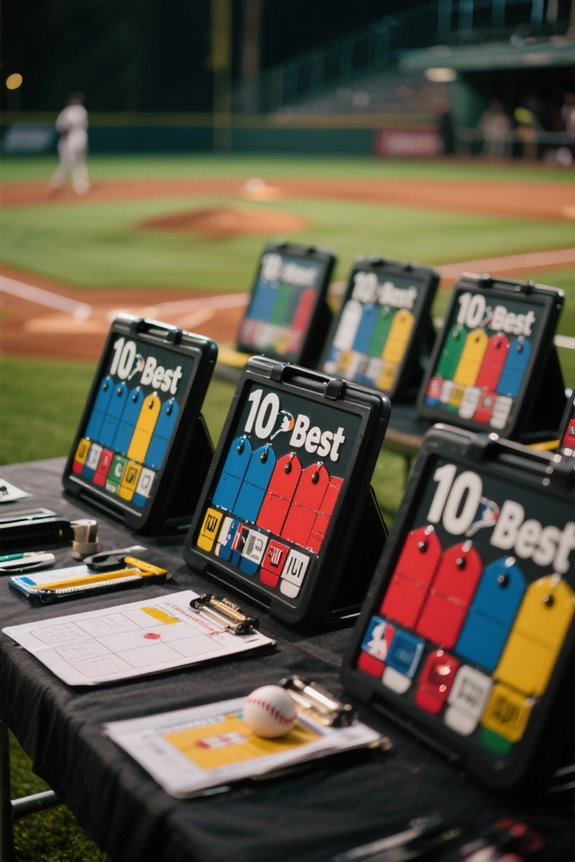
Baseball’s designated hitter (DH) rule varies considerably across different levels, affecting gameplay and strategy. In youth leagues, the DH can bat for any player, encouraging participation and keeping games engaging. High school variations allow a DH to bat for a specific player, but substitutions can complicate matters. College substitutions involve careful management as the DH can also cover other defensive positions, offering nuanced strategies. Meanwhile, amateur adaptations often introduce an extra hitter (EH) to enhance offensive opportunities. At the professional level, MLB established the universal DH, mainly for pitchers, but minor leagues may test different rules. Understanding these differences fosters better gameplay and inclusivity across baseball communities. The use of tactical coaching tools can further enhance how teams manage their lineup and strategy effectively.
Recommended Products

PACKAGE LIST: Each set of magnetic baseball coaching accessories includes 1 tactical coaching board, 40 magnetic lineup cards, 1 black dry wiping pen and 1 red dry wiping pen, and 2 pieces of hooks,Our baseball lineup board measures 12.6 x 11 inches, the magnetic name strip is 1.97 x 0.43 inches.

⚾ 【Clearly Display the Lineup Position】magnetic baseball lineup board magnets baseball coaching board can clearly display the game position of each player,magnetic baseball coach clipboard softball lineup cards baseball position board line up cards baseball.dry erase lineup board baseball baseball lineup magnets Dry Erase Coaches Clipboards baseball lineup board for dugout,batting order board for dugout magnetic baseball coaching board.batting lineup board coach clipboard baseball.

What You Get: Our package includes a magnetic baseball lineup board, a waterproof Handbag, 2 Base Runners discs, 10 magnetic player number, 30 magnetic lineup cards, 1 black dry-erase pen, 1 red dry-erase pen,and 2 fence hooks, providing everything you need for efficient coaching and strategy planning.
Impact on Player Roles and Team Strategy
The designated hitter (DH) role fundamentally alters team dynamics and player responsibilities in baseball. By allowing a player focused solely on batting, teams enhance offensive output while minimizing weak hitting from pitchers. This strategic shift supports a roster management approach that prioritizes player performance, enabling teams to include strong hitters, even if they lack defensive skills. The DH spot lets clubs rest regular players without losing their batting contributions. Managers can optimize lineups, tailoring matchups based on offensive strengths. Additionally, this role can extend veteran careers that might otherwise end due to defensive struggles. Overall, the DH brings flexibility and targeted offense, reshaping how teams build their rosters and strategize on the field. Furthermore, the impact of this role on bat storage solutions can also improve team organization and efficiency.
Recommended Products
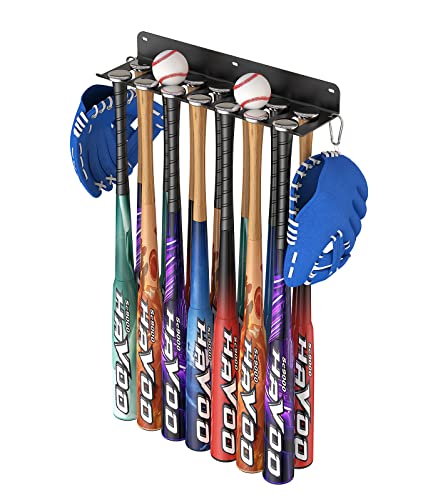
【Baseball Bat Holder】The powder-coated steel baseball bat rack could hold 14 bats vertically at the same time. It is suitable for most bats' sizes. Meanwhile, it comes with 4 snap hooks, it's convenient to hang gloves and gear bags.

Sturdy and Versatile: This storage rack is made of high-quality metal, making it strong and durable. With the included screws, the rack can be securely fixed to the wall. The exterior of the rack is coated with a high-quality finish, providing excellent dust and rust resistance as well as weather resistance, allowing it to adapt to complex environments both indoors and outdoors. It can be installed in indoor settings like gyms or outdoor areas to store sports equipment.

【 Baseball Bat Holder】Holds up to 8 bats 5 balls, exactly what you need for your home or your baseball team.
Controversies Surrounding the DH Rule
While many fans embrace the designated hitter (DH) rule for its potential to enhance scoring, the decision to implement it has sparked considerable debate among baseball purists and modernists alike. Since its introduction in the American League in 1973, the DH rule has created divisions within the fanbase, highlighting tradition versus innovation. Traditionalists argue that the rule diminishes strategic depth, as it eliminates critical pitching moments and encourages one-dimensional players. Conversely, proponents claim the DH adds excitement and allows older stars to continue competing. These tensions amplified during interleague play and postseason games, as different rules led to perceived competitive imbalances. Ultimately, the DH’s evolution remains a flashpoint, reflecting broader cultural divides that shape opinions on baseball’s future. Additionally, protective gear has become increasingly important for players, ensuring their safety and enhancing their performance on the field.
Recommended Products
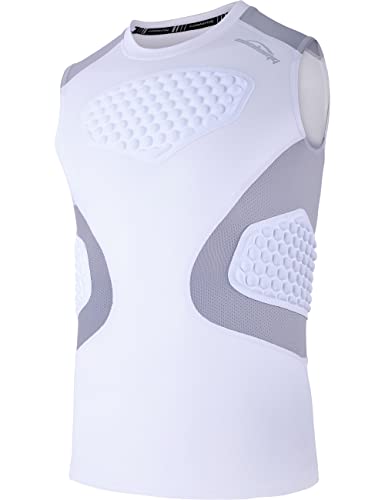
Material: 85% polyester + 15% elastane. Breathable and elastic. The EVA foam padding protects your kids' sternum, heart chest and ribs area from sudden impacts and slight injuries from balls, pitches, and hard hits.

Upgraded Material: The youth padded football shirt is made of 83% polyester and 17% spandex, breathable, quick-drying and stretchy, the back is designed with mesh fabric to keep the back ventilated, keeping your child cool in any training, sports or games

Targeted EVA Padding Zones: EVA foam padding is positioned at the center chest and along both rib sides, help reduce impact from balls and contact during training and recreational play for boys and girls
The Future of the Designated Hitter in Baseball
How will the universal adoption of the designated hitter (DH) rule shape the future of Major League Baseball? This significant change fosters future adaptations in management and team strategies. The elimination of pitchers batting allows for more specialized offensive players, enhancing lineups and changing roster dynamics. Teams likely will focus on evolving strategies, freeing managers from the complexities of double switches and pitcher substitutions. In addition, the DH rule may extend pitcher careers by minimizing injury risks associated with batting. With flexibility in player roles, future developments could explore even greater innovations, refining how designated hitters integrate into game plans. As the landscape of baseball evolves, fans will witness more thrilling offensive plays, uniting them in shared experiences. Moreover, this shift may lead to an increased emphasis on bat performance and durability, as teams seek to maximize the effectiveness of their hitters.
Frequently Asked Questions
Can a Team Choose Not to Use a DH During a Game?
A team can indeed choose not to use an optional DH during a game, which greatly alters game strategy. This decision impacts batting order, lineup flexibility, and overall offensive potential, reflecting tailored managerial choices.
What Happens if the DH Is Injured During the Game?
In the arena of baseball, if the DH faces injury, teams must adhere to injury protocol rules, utilizing available DH replacement options. Substitutions maintain order, ensuring continuity while safeguarding player well-being and strategic integrity.
How Does the DH Impact a Team’s Batting Order?
The DH considerably impacts a team’s batting order by enhancing batting strategy and providing lineup flexibility, allowing managers to optimize run production. This enables teams to strategically position hitters, maximizing offensive potential and fostering a sense of belonging among fans.
Can a Player Serve as a DH in Multiple Games Consecutively?
Yes, a player can serve as a designated hitter in multiple consecutive games. This strategic usage allows teams to maintain offensive consistency while optimizing player performance, fostering a sense of unity and purpose among teammates through effective game planning.
Are There Penalties for Incorrectly Designating a DH on the Lineup Card?
Errors in the lineup resemble a broken compass, leading teams astray. Penalties explained reveal that incorrect DH designations can result in mandatory pitcher batting and exclusion, echoing the importance of clarity amidst potential lineup mistakes in baseball.