As an Amazon Associate, we earn from qualifying purchases. Some links on this site are affiliate links at no extra cost to you. Our recommendations are based on thorough research and editorial judgment.

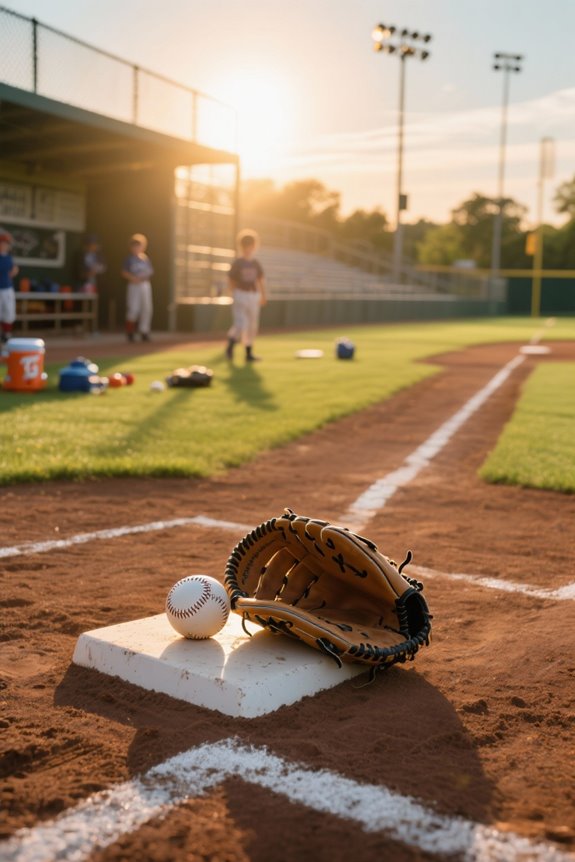
What Age Should My Child Start Playing Organized Baseball?

Children typically start playing organized baseball around ages 4 to 5 with T-ball. This introduces basic skills like running, throwing, and hitting in a fun, low-pressure environment. By ages 6 to 7, they shift to coach-pitch leagues, developing their ability to hit pitched balls. As they grow, they progress through different age divisions, building on skills and teamwork. Understanding these stages can help parents make informed decisions about when to start their child in baseball.
Key Takeaways
- Most children can start playing organized baseball at ages 4 to 5 with T-ball, focusing on fun and basic skills.
- By ages 6 to 7, children transition to coach-pitch leagues, where they learn to hit pitched balls.
- From ages 8 to 9, kids can begin “A” level baseball, emphasizing player pitching and skill evaluation.
- Ages 9 to 10 introduce the Minor League, promoting competition and team dynamics while building advanced skills.
- Programs cater to various skill levels and backgrounds, ensuring enjoyable and inclusive experiences for all participants.
Typical Starting Ages for Organized Baseball
You may be interested



Organized baseball typically begins for most children around age 4 to 5, marking a significant milestone in youth sports. At this age, children often participate in T-ball, which focuses on basic skills like running, throwing, and hitting from a tee. This introductory stage is designed to be fun, encouraging participation without the pressure of competition. As kids progress to ages 6 to 7, they can shift to coach-pitch leagues, where they learn to hit pitched balls and understand basic game rules. By ages 9 to 12, players engage in organized games with full rules, experiencing skill development in a more competitive environment. Overall, these early years foster a love for the game and essential motor skills.
Recommended Products

Heavy Duty Bases - Tough UV-resistant rubber with reinforced sidewalls prevents spiked shoes from slipping or puncturing the surface for maximum safety.

DURABLE 3-PLY NETTING – Heavy-duty Oxford baseball batting cage net absorbs powerful hits without tearing; bright blue netting improves ball tracking and visibility

Top quality baseball and softball catching equipment
Developmental Skills Relevant to Baseball Starting Age
The development of essential skills in baseball is fundamental for children starting the sport at a young age. Engaging in activities such as running, throwing, and hitting strengthens gross motor skills and hand-eye coordination. Repeated practice fosters muscle memory, enhancing overall athleticism. Additionally, baseball improves agility and balance, as it requires quick changes in direction. Cognitive skills play an important role as well; players learn to maintain focus during downtime and react swiftly during active gameplay. This mental aspect nurtures situational awareness and strategic thinking, as children anticipate opponents’ moves. Through these experiences, children build not only their physical capabilities but also beneficial cognitive skills that extend beyond the field, shaping them into well-rounded individuals ready for teamwork and competition. Moreover, using the right equipment, such as youth baseball gloves, can significantly impact a player’s confidence and performance on the field.
Characteristics of Early Baseball Programs

Early baseball programs cater to young players by providing structured environments designed to introduce fundamental skills in a fun and engaging way. Typically starting at ages 4-5, these programs focus on skill mastery through age-appropriate drills and practice sessions. Players learn essential abilities like hitting and catching while experiencing social growth through teamwork and communication. Programs maintain a balance between learning and enjoyment, featuring smaller group practices and fewer games compared to competitive leagues. This approach reduces pressure, allowing players to build confidence while enjoying the game. Inclusivity is emphasized, welcoming various genders, skill levels, and backgrounds. Coaches provide mentorship, fostering a positive environment conducive to both individual development and camaraderie among players. Many programs also incorporate safety features like padded surfaces to ensure a safe learning experience.
Recommended Products

Full-Length Mound: Enhance your pitching game experience with the full-length mound that gives the pitcher a realistic feel of a regulation game mound.

Full-Length Mound: Enhance your pitching game experience with the full-length mound that gives the pitcher a realistic feel of a regulation game mound.
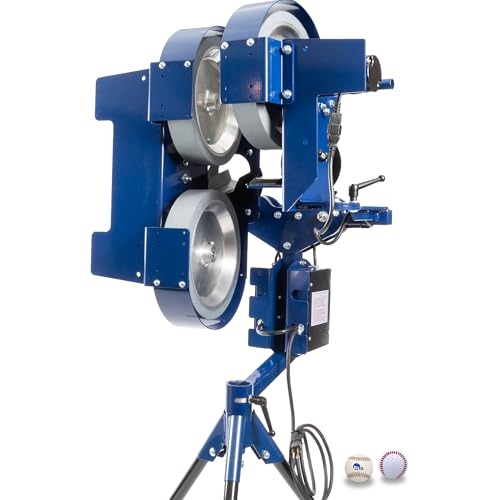
BASEBALL THROWING MACHINE: Our three wheel baseball throwing machine offers automatic pitching, ensuring consistent and accurate throws for effective training sessions for both youth and adult players, and the fastball and curveball heads are both adjustable up to 35 degrees in either direction to mimic right-handed or left-handed pitching styles, making this an excellent sports training accessory for athletes and coaching staff
Age Group Progression in Baseball

As players progress through the ranks of youth baseball, distinct divisions cater to their developmental needs and skill levels. Starting with Tee Ball for ages 4-7, players focus on fundamentals and fun. From ages 7-8, progression leagues introduce coach pitching and rule education. By ages 8-9, “A” level baseball integrates player pitching, allowing for skill evaluation as players develop. At ages 9-10, the Minor League enhances competition and builds team dynamics. Older players ages 11-12 enter Intermediate and Majors divisions, offering complex rules and strategic play. Finally, Junior (ages 13-14) and Senior (ages 13-16) divisions prepare players for high school baseball with full fields and advanced skills. Each progression emphasizes both age and skill evaluation, ensuring appropriate team dynamics. Additionally, maintaining organized gear can enhance performance by up to 20%.
Recommended Products

Revolutionary MVP-PRO Catchers Helmet features Deflexion shock hammocks to help disperse impacts and I-BAR BSP Cage with extended back swing protection for coverage against wild swings

Set includes catcher's helmet, chest protector, pair of leg guards

EvoShield G2S Baseball Catcher's Gear Kit - Navy, Intermeidate Size; Kit includes: Catcher's Facemask, Catcher's Chest Protector, and a pair of Ctahcer's Shin Guards
Physical and Cognitive Readiness Factors
Understanding physical and cognitive readiness is key for children starting organized baseball. Motor skill progression develops through basic movements like throwing, running, and jumping, typically by age 6. At this stage, many children possess the fundamental skills needed to participate in organized sports. Practicing with smaller, softer balls helps improve throwing and catching techniques, while short sprints enhance running form and coordination. Cognitive development plays a significant role as well; children must understand game concepts, rules, and teamwork. Simplified rules may benefit younger players, whereas kids ages 10-12 tend to grasp more complex strategies. Tailoring activities to individual abilities fosters engagement and success. Ensuring both physical and cognitive readiness lays a strong foundation for a child’s baseball journey, particularly when using tools like baseball swing trainers that can enhance skill development.
Recommended Products

Swing Training: The ProVelocity Bat is a professional baseball swing trainer designed to increase bat speed and improve swing mechanics.

PERSONALIZED SPEED TRAINING FOR ALL ATHLETES: Powered by DYNAMIC TRAINING ALGORITHMS developed by leading sports scientist DR. SASHO MACKENZIE, TheStack Baseball adapts to each hitter’s swing to maximize bat speed gains for players at every level.

Provides the feel of hitting live pitches without chasing or picking up balls
Recommendations for Starting Baseball
When is the right time for a child to start playing organized baseball? Organized baseball usually begins at ages 4 or 5, with tee-ball as the introductory program, primarily aimed at 5 and 6-year-olds. Some leagues allow 7-year-olds on request. The American Academy of Pediatrics suggests that age 6 often marks when children have basic motor skills necessary for simple sports. Key elements include parent involvement and encouragement, as enjoyable skill development is the primary goal. Sessions typically combine skill drills and informal games to keep young players engaged. Importantly, progression from tee-ball to coach-pitch occurs as skills improve, supporting team play while ensuring a fun environment for all participants. Additionally, selecting the right youth baseball bat can further enhance a child’s confidence and performance on the field.
Recommended Products

RING-FREE BARREL CONSTRUCTION: This Marucci bat is designed with a ring-free barrel for maximum flex and performance across the entire surface, eliminating “dead spots” and delivering consistent, powerful contact.

CATCHERS GEAR BAG WITH WHEELS - The Bownet Commander Catchers Bag is designed with extra mobility and patented Big Trax rugged, rubber treaded wheels to effortlessly carry equipment for baseball, softball, tee-ball, wiffle ball, and even sports like hockey, football, soccer, and lacrosse.

New FLEX barrel technology designed specifically for 1.15 BPF performance provides a 20% softer barrel for optimal feel and performance
Frequently Asked Questions
Can My Child Switch Teams Mid-Season?
Switching teams mid-season can disrupt team dynamics, influencing camaraderie and skill progression. While some leagues allow transfers for specific reasons, such changes often require approval, highlighting the importance of stability for a child’s sense of belonging.
What Should I Do if My Child Dislikes Baseball?
If a child dislikes baseball, exploring alternative sports can help in finding interests that align better with their preferences. Encouraging diverse activities fosters enjoyment, belonging, and the opportunity to develop physical and social skills.
Are There Travel Baseball Teams for Younger Kids?
Yes, there are youth baseball travel teams for younger kids, often starting at ages 7 to 10. Team selection typically emphasizes skill development over competition, fostering a supportive environment for players to grow and enjoy the game.
How Can I Help My Child Practice at Home?
To help a child practice at home, parents can incorporate batting drills like tee work and soft toss, while emphasizing fielding techniques through catch and ground ball drills, fostering skill development and a sense of belonging within the sport.
What if My Child Has a Late Birthday for Their Age Group?
Late birthday children may face age considerations impacting their league placement. However, leagues often allow flexible options for development, enabling these players to enhance skills gradually, ensuring positive experiences and fostering belonging within their teams.