As an Amazon Associate, we earn from qualifying purchases. Some links on this site are affiliate links at no extra cost to you. Our recommendations are based on thorough research and editorial judgment.

How Often Should I Replace My Baseball Bat?

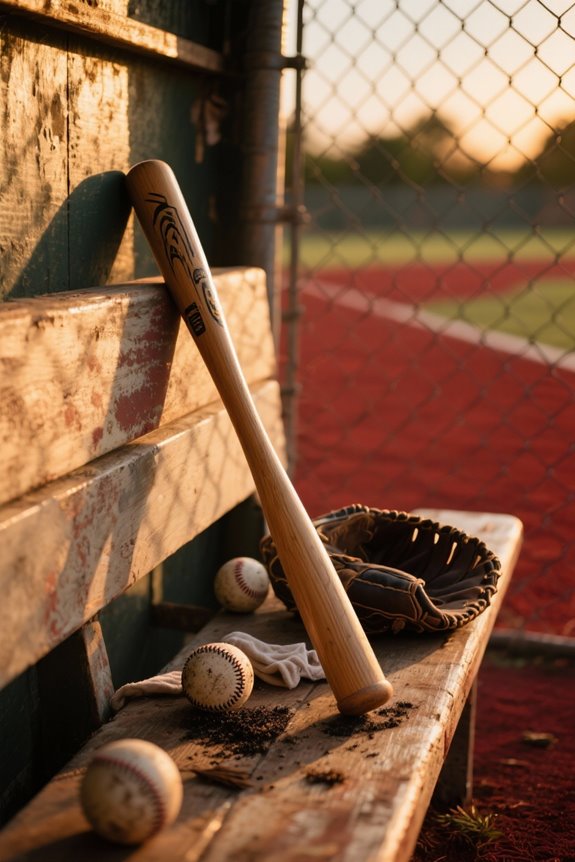
Baseball bats should be replaced based on their material and condition. Wood bats generally last a few weeks to months due to breakage, while aluminum bats can endure multiple seasons with proper care. Signs like visible cracks, reduced hitting power, or changes in sound indicate the need for replacement. Regular inspections and maintenance play an essential role in extending a bat’s lifespan. Curious about the details behind bat longevity and performance? There’s so much more to explore!
Key Takeaways
- Composite bats should be replaced annually due to their break-in period and performance drop over time.
- Alloy bats can last 1-2 seasons with proper care, but should be inspected regularly for damage.
- Wood bats generally need replacement every few weeks to months, as they are susceptible to breakage.
- Monitor signs like cracks, reduced hitting power, and changes in sound to determine when replacement is necessary.
- Regular maintenance and inspections can extend your bat’s lifespan and performance, making timely replacements easier to decide.
Understanding Bat Lifespan and Durability
You may be interested
How Do I Choose Batting Gloves That Improve Grip?
January 2, 2026
How Do I Choose Between Metal And Molded Cleats?
January 2, 2026
Baseball bats come with a varied lifespan, which often depends on materials, usage, and maintenance. A composite bat typically requires a break-in period but may only last about a year for heavy users. Alloy bats, like BBCOR models, can endure one to two full seasons with proper care, avoiding extreme temperatures and physical damage. In contrast, wood bats have a much shorter variability, lasting anywhere from a single swing to hundreds, often influenced by the type of wood used. Durability factors, such as how and when a bat is used, play an essential role in preventing performance degradation. Regular bat care, including secure storage and gentle handling, greatly impacts lifespan expectations across all bat materials. Additionally, understanding bat performance characteristics can help players choose the right bat to maximize longevity and effectiveness.
Recommended Products

BALANCED DESIGN | This 1-piece alloy baseball bat features a one-piece balanced design with a forged end cap to assist with swing speed and distance.
BALANCED DESIGN | This 1-piece alloy baseball bat features a one-piece balanced design with a forged end cap to assist with swing speed and distance.

EXPANDED SWEET SPOT: Multi-variable wall design ensures an expanded sweet spot for more consistent contact across the entire barrel on this BBCOR baseball bat.
Signs That Indicate a Bat Needs Replacement

How can players determine when it’s time to replace a baseball bat? Key signs include visual damage such as cracks and dents, which can undermine the bat’s integrity. A thorough crack inspection should include checking for splinters on wood bats and hairline fractures on aluminum ones. Sound assessment is equally crucial; if the bat produces a dull “doink” sound rather than a crisp “dink,” it may signify internal damage. Players should also notice reduced hitting power, as balls may travel shorter distances despite solid contact. If hand vibrations increase during swings or if excessive flex is felt, these indications point toward the need for a replacement bat. Additionally, regular maintenance and inspection can help identify performance ratings that may indicate a decline in quality over time. Together, these factors guarantee players maintain peak performance on the field.
Performance Metrics to Monitor

Players aiming for peak performance should closely monitor key metrics related to their baseball bats. Bat-Ball Coefficient of Restitution (BBCOR) is vital, reflecting the energy transfer between bat and ball during hits. A good wood bat typically scores around .485, while top-performing alloy bats can reach up to .500. Bat speed, average for amateur players at 40-70 MPH, greatly influences hitting distance. Using sensors, players can track swing dynamics over time. Moment of Inertia (MOI) affects how heavy the bat feels; lower MOIs allow faster swings but less power. Swing mechanics metrics like Peak Hand Speed and On-Plane Efficiency provide insights for performance analysis, revealing the effectiveness of bat use as it ages. Additionally, understanding vibration reduction technologies can enhance comfort and performance as bats wear over time.
Recommended Products

Promotes proper grip, hand placement, hip rotation and swing path during and after contact is made. Provides instant feedback, allowing players to make proper adjustments to their hitting technique

SWINGRAIL IS A SCIENCE- BACKED PATENTED WAY TO IMPROVE YOUR SWING MECHANICS & BECOME BETTER HITTER!

ADD UP TO 20 MPH OF BAT SPEED — NO WEIGHTS NEEDED — Our patented wind-resistant Pineapple technology concentrates air drag at the ball impact point, training fast-twitch muscles to fire quicker with every rep. Builds explosive bat speed while preserving your natural swing path — without the injury risk of weighted bats. Trusted by players across 13 MLB organizations.
Wood vs. Aluminum Bat Longevity

Deciding between wood and aluminum bats hinges on understanding their unique longevity and performance characteristics. Wood bats, made from materials like maple or ash, typically break more easily under repeated impact, often needing replacement every few weeks to months. In contrast, aluminum bats last multiple seasons, resisting shatter but facing dents and decreased “trampoline effect” with wear. These differences directly influence replacement costs; while wood bats may seem cheaper initially, the frequent buy may add up. Players often prefer aluminum for its durability, especially in youth leagues. Likewise, professionals may opt for wood for authenticity, aware of the higher replacement frequency. Understanding these factors is crucial for players looking to choose the right bat for their needs. Additionally, the importance of evaluating various factors when selecting a bat can help players make informed decisions regarding their purchases.
Recommended Products

Louisville Slugger Genuine MIX Unfinished Natural Clear Baseball Bat - 32

DURABLE WOOD | Adirondack Ash crafts a quality, reliable bat that produces power

【SOLID DESIGN】 - This is a sturdy design with no cutouts and fits perfectly in the hand, and the handle is ergonomically non-slip. The grip strap provides extra security.
Impact of Wood Quality on Bat Durability

The quality of wood used in baseball bats plays a pivotal role in determining their durability and performance on the field. Maple, known for its high density and tight grain patterns, stands as the preferred choice for professional players, delivering superior strength. In contrast, hickory offers density but is less favored due to its weight. Ash bats, while lighter, possess a more flexible grain structure and generally less durability than maple. The arrangement of grain also affects performance; tight, straight grain patterns enhance bat strength, while irregular grains can lead to weak points. Proper storage, maintaining moisture content around 6-8%, further protects wood types from cracking or splintering, ensuring a longer-lasting bat for avid players. Additionally, the type of wood significantly impacts durability and performance on the field, making careful selection essential for optimal play.
Frequency of Use and Replacement Guidelines
Frequent use of a baseball bat directly influences how often it needs to be replaced. Athletes should look for signs of wear, such as visible cracks or dents. These issues compromise safety and performance, indicating an immediate need for replacement. For most players, metal and composite bats should be replaced every two years with normal usage patterns. However, increased intensity—like frequent games or practices—may require more frequent replacements. Additionally, youth players may outgrow bats before their functional lifespan ends. Solid replacement strategies involve regular inspections to catch damages early, ensuring players maintain peak performance. Ultimately, understanding usage patterns is essential for determining when to retire a bat responsibly. Players should also consider the durability and construction materials of their bats, as these factors can greatly influence their longevity.
Historical Changes in Bat Design and Their Effects
Baseball bats have evolved greatly from their early designs, fundamentally shaping how the game is played. Initially crafted from heavy ash wood, bats were less durable and varied widely in shape. The shift to maple enhanced durability and hitting power, reflecting significant bat evolution. Design innovations like the mushroom knob and two-knob designs improved weight distribution and grip control, allowing players to enhance their swing mechanics. The introduction of metal bats in the 1970s offered lighter options with larger sweet spots, while composite materials further increased performance. Regulations, such as the BBCOR standard, guided these innovations, ensuring balance between safety and performance. This continual progression underscores the importance of understanding bat design for peak player experience, as weight and balance significantly influence swing speed and control.
Best Practices for Bat Inspection and Maintenance
Regular inspection and maintenance can markedly extend the lifespan and performance of a baseball bat. Players should visually and physically inspect their bats after each use, checking for cracks, dents, or splintering. Proper cleaning techniques are vital; a soft cloth or mild soap should be used to remove dirt, with immediate drying to prevent moisture damage. Bat storage plays a significant role in preservation; bats should be kept in cool, dry places, stored vertically to prevent warping. Grips should be regularly checked and replaced if worn. Additionally, rotating the bat with every swing helps distribute impact evenly, reducing premature wear. Employing these practices guarantees that the bat remains game-ready and safe for every player. Furthermore, understanding the importance of regular inspections ensures that players can detect potential issues early and maintain optimal performance.
Recommended Products
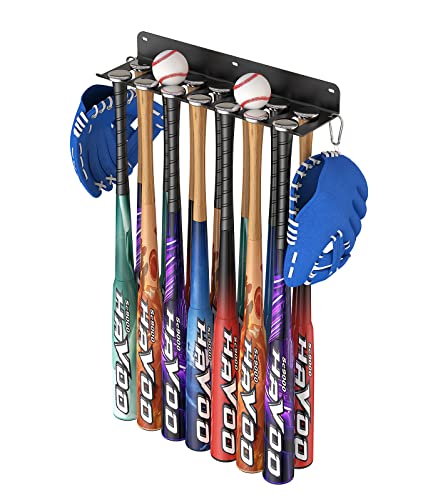
【Baseball Bat Holder】The powder-coated steel baseball bat rack could hold 14 bats vertically at the same time. It is suitable for most bats' sizes. Meanwhile, it comes with 4 snap hooks, it's convenient to hang gloves and gear bags.

Sturdy and Versatile: This storage rack is made of high-quality metal, making it strong and durable. With the included screws, the rack can be securely fixed to the wall. The exterior of the rack is coated with a high-quality finish, providing excellent dust and rust resistance as well as weather resistance, allowing it to adapt to complex environments both indoors and outdoors. It can be installed in indoor settings like gyms or outdoor areas to store sports equipment.

【Baseball Bat Holder】The baseball bat holder holds up to 8 bats and 5 balls, equipped with 2 carabiners to hang gloves, hats, or other gear — keeping your baseball equipment off the floor, making your home tidy and organized.
Frequently Asked Questions
Can I Repair Minor Cracks in My Baseball Bat?
With repair techniques like waterproof wood glue, minor cracks can be mended. Careful crack detection, smooth surface preparation, and proper clamping will breathe life back into the bat, promoting a sense of belonging on the field.
How Does Weather Affect My Bat’s Performance?
Weather impacts bat performance greatly, causing performance variation due to temperature changes. Cold conditions reduce flexibility and energy transfer, making bats more prone to damage. Understanding these effects fosters camaraderie among players for consistent and safe gameplay.
Should I Store My Bat in a Certain Position?
Storing a bat in a proper position is essential for ideal bat storage. Keeping it flat or upright, while avoiding stress, helps maintain its shape and integrity, ultimately ensuring a more reliable performance during play.
Are There Specific Brands Known for Longer-Lasting Bats?
Easton and Louisville Slugger are noted for their brand durability, with composite and maple materials, respectively, often lasting beyond a year. Players consistently prefer these brands for their performance longevity in competitive environments.
Does Bat Color Influence Performance or Durability?
Bat color does not influence performance or durability; rather, it serves as aesthetic branding. Color psychology affects player preference, fostering a sense of belonging, yet the true characteristics lie in material and construction, not hue.