As an Amazon Associate, we earn from qualifying purchases. Some links on this site are affiliate links at no extra cost to you. Our recommendations are based on thorough research and editorial judgment.

What Are The Official Dimensions Of A Regulation Baseball Field?

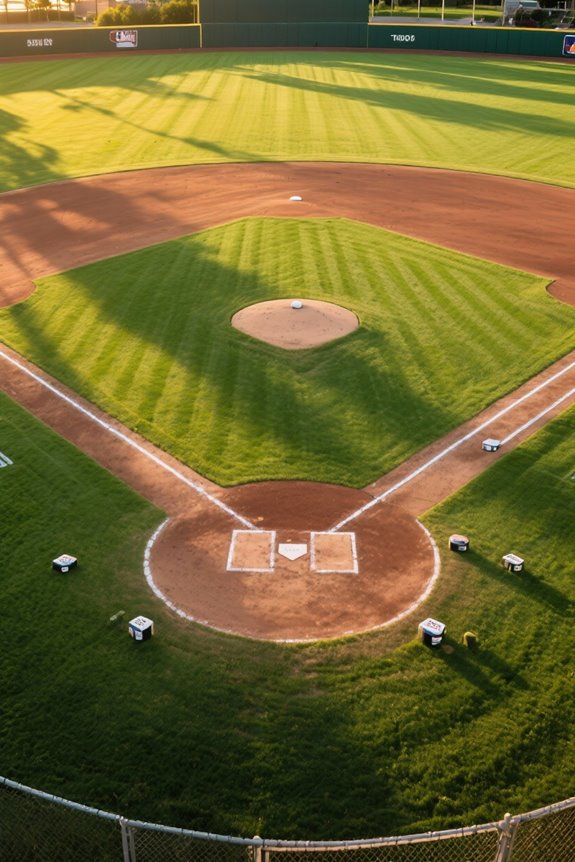
A regulation baseball field covers about 110,000 square feet. The infield is a 90-foot square, with bases at each corner. Foul lines extend at least 250 feet, while high schools require a minimum of 300 feet for outfield distances. The pitcher’s mound is 60 feet 6 inches from home plate and stands 10 inches high. Home plate is five-sided and made of white rubber. There’s plenty more to explore about the specifics of baseball fields.
Key Takeaways
- A regulation baseball field spans approximately 110,000 square feet, with an infield area of 7,200 square feet in a 90-foot square.
- Bases are square, measuring 18 inches each, positioned 90 feet apart, and fastened securely to the ground.
- The pitcher’s mound is 60 feet 6 inches from home plate, standing 10 inches higher with an 18-foot diameter.
- High school fields require a minimum of 300 feet down the foul lines and 350 feet to center field.
- MLB parks have minimum distances of 325 feet along the foul lines and 400 feet to center field.
Field Layout and Overall Size
You may be interested

How Do I Choose Batting Gloves That Improve Grip?
December 17, 2025
How Do I Choose Between Metal And Molded Cleats?
December 17, 2025
A regulation baseball field encompasses several essential dimensions and layouts, all contributing to the game’s structure. Key layout considerations include the orientation of the field, which usually aligns the pitcher’s rubber and home plate along a diagonal toward second base. The total area of a baseball field is approximately 110,000 square feet, with the infield covering 7,200 square feet in a 90-foot square. Foul lines, marking fair territory, extend from home plate to the outfield fence, where minimum distances start at 250 feet. The distances to outfield fences vary; high schools recommend 300 feet while MLB parks average around 325 feet. These dimensions guarantee a safe and enjoyable playing environment for players and fans alike. Additionally, understanding bat types and materials can influence player performance and preferences on the field.
Recommended Products

DURABLE CONSTRUCTION: Built from heavy-duty aluminum for long-lasting use on Little League fields

Baseball Stencil: You will receive 4 pcs Baseball theme stencil with 4 styles of Baseball sport pattern like Baseball, Baseball Bat, Wings, Flames, Cracks, Baseball Cap, Catcher’s Glove. Reusable DIY plastic stencil that can bring fun to your daily DIY projects, perfect for Baseball lover for house decorating! Add a splash of color to your life

【Baseball Theme Stencil】:Plastic stencil with baseball, baseball player, baseball glove, baseball bat, hat and base pattern printed in the middle, with clear outline and beautiful pattern. Size is about 11.8x11.8 inches/30x30 cm.
Infield Specifications

Infield specifications play an essential role in creating a consistent playing environment for baseball. The infield consists of a 90-foot square, where the bases sit at each corner. Each base, an 18-inch square, is fitted within the baseline. The skinned area requirements mandate that dirt or clay extend at least 3 feet beyond the foul lines for ideal play. A 13-foot cutout zone around each base makes sliding safer and more efficient. Players often prefer skinned infield surface types, as they provide better traction compared to grass. Additionally, the pitcher’s mound is a central feature, with specific dimensions set at 60 feet 6 inches from home plate, ensuring fairness across all levels of play. Proper moisture-wicking fabrics are essential for players to maintain comfort when playing in varying weather conditions.
Recommended Products
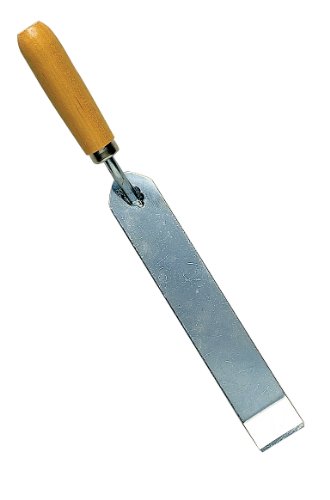
VITAL FIELD CLEANING EQUIPMENT: Every baseball or softball team, school or sport field complex needs this device to keep your bases and anchors clean and in excellent condition, for long-lasting use

DESIGNED FOR USE ON BASEBALL / SOFTBALL FIELDS

Outfield Dimensions and Fence Distances

Outfield dimensions and fence distances are critical factors that define baseball fields across various levels. Major League Baseball requires a minimum of 325 feet down the foul lines and 400 feet to center field. In contrast, high school fields need at least 300 feet along the lines and 350 feet to center. NCAA sets the minimum at 330 feet along the lines and again 400 feet to center. Outfield variations abound, with unique distances and characteristics in each park. For example, Coors Field boasts a center field distance of 415 feet. Fence height also plays a significant role; ranging from short walls to Oracle Park’s 25-foot wall which can impact gameplay. These specifications create diverse playing experiences on the diamond. Additionally, factors like impact protection can influence how players perform based on the field dimensions.
Pitching Area and Mound Dimensions

The pitching area is an essential component of any regulation baseball field, defined by precise dimensions and standards. The pitching mound has an 18-foot diameter circle, positioned precisely 60 feet 6 inches from home plate. The mound stands 10 inches higher than home plate, aiding pitcher mechanics. The pitcher’s plate measures 24 inches wide by 6 inches deep, located 6 inches from the mound’s flat top. This table is important for consistent mound construction. The slope from the pitcher’s plate drops 1 inch per foot, ensuring proper foot placement and delivery. Mound maintenance is critical to support safe, effective gameplay and uphold the dimensions that foster a competitive spirit. These details create a solid foundation for every inspiring game of baseball. Additionally, durable materials are essential in maintaining the integrity of the mound over time.
Recommended Products

REGULATION PITCHING RUBBER: 24 x 6 inch size for pitchers looking to master their skills

PITCHING RUBBER: This easy-install, portable pitcher's rubber is the perfect piece of training equipment to help any mound feel big league official.

OFFICIAL SIZE: Ideal for intermediate and advanced mens, boys, and girls baseball and softball, the Champion Sports Official Pitchers Plate provides each pitcher the right foundation and tactile feel
Base and Home Plate Details

Home plate and the bases form the critical intersection of play in baseball, each designed with specific dimensions to facilitate fair competition. Home plate is a unique five-sided slab made of white rubber, with one side measuring 17 inches and two adjacent sides at 8.5 inches. The remaining sides form a right angle, anchoring the 90-foot square baseline layout effectively. Each base, whether first, second, or third, is an 18-inch square, typically crafted from durable canvas or rubber and stationed 90 feet apart. Their thickness ranges from 3 to 5 inches, ensuring player safety. Bases must be securely fastened to prevent shifting during intense play, while also providing adequate slide areas to enhance performance and reduce injury risks. Moreover, the youth catcher gear used during games is essential for player protection and comfort on the field.
Recommended Products

5 PIECE BASE SET: Full set includes 1 home plate, 3 bases, and 1 pitching rubber so you can set the field for an epic game

SUITABLE FOR ALL SKILL LEVELS - Ideal for players learning the game; perfect for gym classes, recreational leagues, and training sessions.
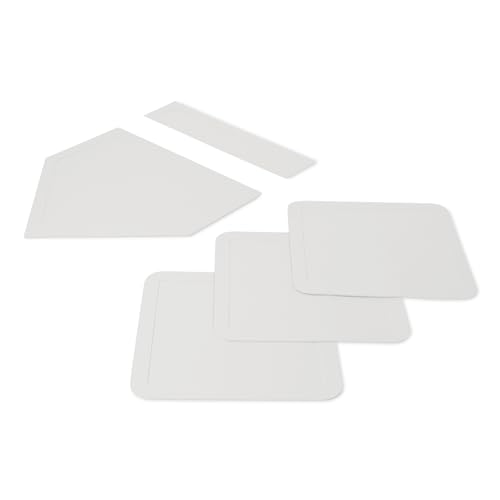
INCLUDES: Full 5-piece set of practice bases with 1 home plate, 3 bases, and 1 pitching rubber
Frequently Asked Questions
How Do Weather Conditions Affect Baseball Field Dimensions?
Severe weather can warp the very fabric of a baseball field. Field orientation shifts with climate impact, where conditions alter base paths, outfield dimensions, and overall playability, creating a collective anxiety among players and fans alike.
Are There Different Dimensions for Softball Fields?
Softball field dimensions vary considerably, with fastpitch typically featuring 60-foot base paths and a 43-foot pitching distance, whereas slowpitch often uses 65-foot base paths and a 50-foot pitching distance, accommodating diverse play styles and age levels.
What Are the Typical Surface Materials Used for Baseball Fields?
Typical surface materials for baseball fields include natural grass, clay infields, and warning tracks made from coarse materials. Effective field construction incorporates proper surface drainage to enhance playability and guarantee safety for all participants.
How Are Baseball Fields Maintained Throughout the Season?
Baseball fields require relentless field maintenance and expert turf management throughout the season. Regular mowing, irrigation adjustments, and meticulous infield grooming guarantee ideal play surfaces, fostering a shared experience that resonates deeply with players and fans alike.
What Safety Equipment Is Required on a Baseball Field?
Safety gear on a baseball field includes helmets with face guards for batters, full protective equipment for catchers, and mandatory protective cups for male players. This protective equipment enhances safety and encourages participation, fostering a sense of community.