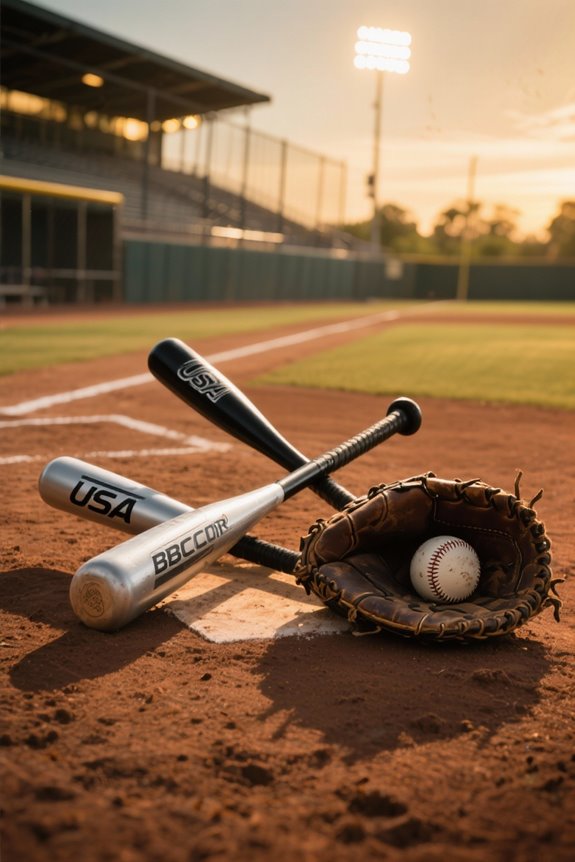
As an Amazon Associate, we earn from qualifying purchases. Some links on this site are affiliate links at no extra cost to you. Our recommendations are based on thorough research and editorial judgment.

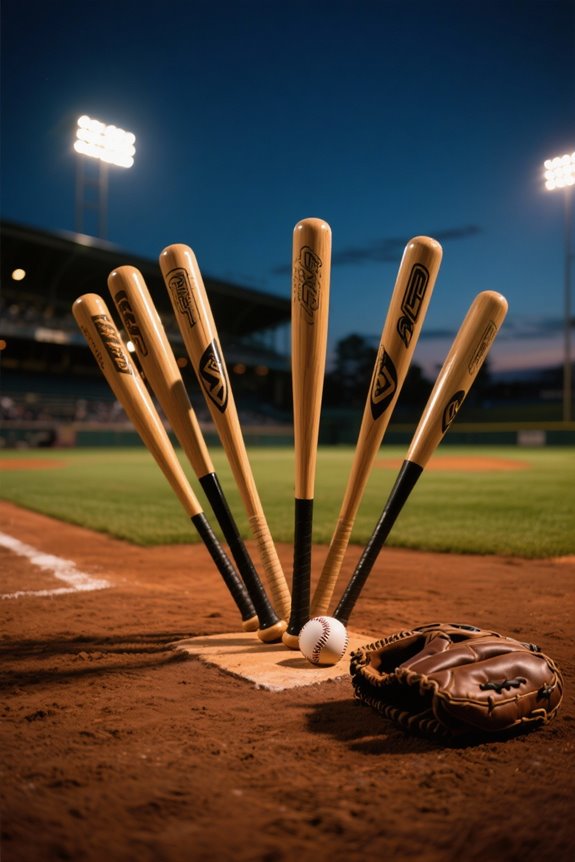
How Do I Find The Right Drop Weight For My Baseball Bat?

To find the right drop weight for a baseball bat, first know that drop weight is the difference between the bat’s length in inches and its weight in ounces. For players aged 12 and under, a drop weight of -8 is recommended for better control. As players grow, they can shift to heavier bats with lower drop weights, like -3 for high school athletes. Consider league regulations and bat materials, as these affect performance. Understanding these factors leads to ideal bat selection, enhancing your game.
Key Takeaways
- Determine the player’s age and experience level to choose an appropriate drop weight, with lighter bats favored for younger players.
- Use the drop weight formula (Bat Length in inches – Bat Weight in ounces) to identify the bat’s drop weight.
- Consider league regulations, such as maximum drop weights for youth leagues or BBCOR standards for high school players.
- Test various bat materials—wood, aluminum, and composite—to find one that complements your swing and performance preferences.
- Seek feedback during practice sessions to ensure the chosen bat feels comfortable, balanced, and enhances control.
Understanding Drop Weight: Definition and Calculation
You may be interested
How Do I Choose Batting Gloves That Improve Grip?
January 7, 2026
How Do I Choose Between Metal And Molded Cleats?
January 7, 2026
How Do I Choose Between Wood, Aluminum, And Composite Bats?
January 7, 2026
Understanding drop weight in baseball bats is essential for players selecting the right equipment. Drop weight basics define it as the difference between a bat’s length in inches and its weight in ounces. The formula is simple: Drop Weight = Bat Length (in) – Bat Weight (oz). For instance, a 30-inch bat weighing 20 ounces has a drop weight of -10 (30 – 20 = 10). A bat with a drop of -5 weighs 5 ounces less than its length in inches. Calculating drop helps players compare various bats to find what suits their style, be it for speed or power. Different preferences will influence hitting success and performance, especially between wooden, alloy, or composite materials. Whether playing in youth leagues or high school, knowing drop weight can guide effective bat selection for better on-field performance.
The Impact of Drop Weight on Bat Performance

Drop weight plays an important role in how a baseball bat performs on the field. Players must understand that lighter bats, with higher drop weights, enhance swing speed, making contact hitting easier. This is especially helpful for those with less strength. Swing speed analysis indicates that lighter bats offer better control, essential for precision hitters. Conversely, heavier bats, associated with lower drop weights, may yield greater batted ball speeds, advantageous for experienced players who can harness their power. Balancing these bat performance metrics is key. Players should evaluate their strength and comfort, aiming to find a bat that maximizes control without sacrificing the potential for distance. Choosing the right drop weight can greatly influence on-field performance. Additionally, the ideal age group for using drop 5 bats ranges from 11 to 14 years, ensuring proper weight distribution aids in making better contact with the ball.
Choosing Drop Weight by Player Age and Experience

Choosing the right drop weight for a baseball bat is essential for players at every stage of development. Age recommendations vary, as players aged 12 and under typically use a -8 drop weight for easier swing control. Between ages 8 to 12, lighter bats with drops of -11 to -13 help maximize swing speed. As players reach age 13, they often move to a -5 drop weight that aligns with their growing strength and skill. High school athletes use a -3 drop weight, typically required by leagues like BBCOR. Less experienced players benefit from lighter bats to improve bat control. With growth in experience level and physical development, players should gradually shift to heavier bats to enhance power and confidence on the field. Understanding bat weight distribution can also play a crucial role in finding the right fit for individual players.
Recommended Products
Use for training and building arm strength

PREMIUM T-BALL BALL BAT FOR ENTRY LEVEL PLAYERS to use with soft-core tee balls and training baseballs

DESIGNED FOR YOUTH BASEBALL | With a -12 drop weight and 2-1 4’’ barrel diameter this bat is ideal for younger players in USA Certified Baseball Leagues
League Regulations and Drop Weight Considerations
In youth baseball, league regulations greatly influence drop weight selections for bats. Different leagues have unique league requirements regarding drop weight. For instance, USABat certification imposes no drop weight limit, but most USSSA leagues have age-specific drop weights, like -10 for players 10 and under. Local leagues may even restrict drop weights to a maximum of -10 for safety. Little League enforces USA Baseball standards but lacks a maximum drop specification. In contrast, Senior League bats require BBCOR certification, limited to a drop weight of -3. Understanding these bat specifications helps players choose equipment that meets their league’s rules, ensuring they remain compliant and ready to play, fostering a sense of belonging among teammates and competitors alike. Additionally, players should consider BBCOR certification as a crucial factor when transitioning to higher levels of competition.
Material Differences: Wood vs. Aluminum vs. Composite Bats

Baseball bats come in three primary materials: wood, aluminum, and composite, each with distinct characteristics and performance advantages. Wood bats, made from hardwoods like maple and ash, offer higher exit velocities at fast pitch speeds and excellent tactile hitting feedback, although they are less durable. Aluminum bats provide a larger sweet spot and consistent performance across various levels, minimizing vibrations during contact. Composite bats excel in ball jump and comfort, requiring a break-in period for ideal performance but offering a lightweight feel. Durability comparisons show aluminum and composite bats outperform wood, especially in durability. Considerations for bat materials play a significant role in understanding performance differences and how they influence dropping weight selection for players. Additionally, type of wood significantly impacts durability and performance, with maple being the most durable option available.
Recommended Products
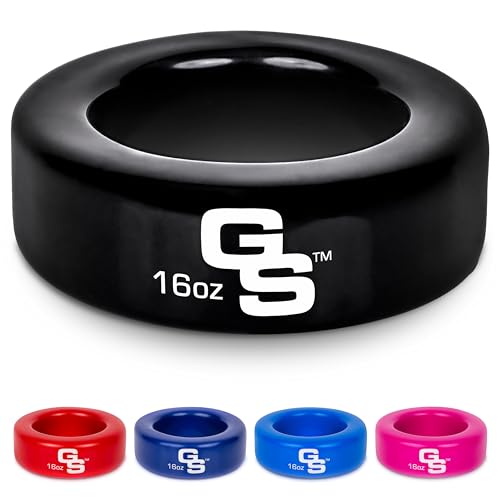
ESSENTIAL & AFFORDABLE: Ideal for coaches and players who only need one bat donut for daily drills, no need to spend extra on a set of two; Includes one standard size 16 oz bat weight that easily fits in any backpack or gear bag; Available in 5 colors

DONUT DRIP: Sprinkle some power on your swing; Train and warm up in style with our donut designs inspired by the latest baseball swag and trending pro players; A fun and functional alternative to our top selling bat weights

Promotes proper grip, hand placement, hip rotation and swing path during and after contact is made. Provides instant feedback, allowing players to make proper adjustments to their hitting technique
Testing Bats: Finding the Right Fit
Finding the right fit for a baseball bat involves careful testing to determine the ideal drop weight that aligns with a player’s unique swing characteristics. Swing testing allows players to assess different bat weights for maximum speed and power. Using instruments like the Bat Chooser, players can measure swing speed and receive tailored recommendations. Factors like reaction time, height, weight, and pitch speed refine these bat weight suggestions. Validating performance through thorough field tests reinforces that heavier bats can increase batted ball velocity. Combining these measurements—like arm length and height—with swing data guarantees a detailed assessment. Every player deserves a bat that complements their capabilities, and through rigorous testing, they can find their perfect match. Additionally, understanding the recommended weight drop for power hitters can further enhance the selection process.
Recommended Products

SWINGRAIL IS A SCIENCE- BACKED PATENTED WAY TO IMPROVE YOUR SWING MECHANICS & BECOME BETTER HITTER!

ULTRA LIGHTWEIGHT: This lightweight design allows for more swings and less fatigue
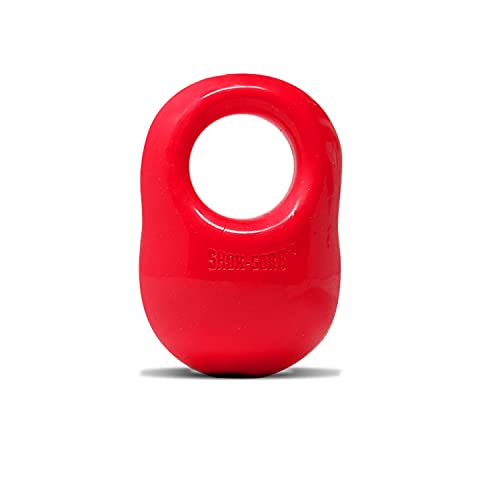
ENHANCES GRIP: Anti-slip grooves engineered to improve grip.
Swing Mechanics: Balancing Speed and Power
Swing mechanics play an essential role in balancing speed and power during a baseball swing. Effective hip rotation is a key contributor to power generation, providing torque that transfers momentum from the legs through the hips to the bat. This explosive yet controlled rotation enhances bat speed while maintaining stability. Timing is important; hip rotation should commence only after the front foot plants to prevent energy loss. Additionally, an efficient bat path is vital, allowing for direct ball contact and minimizing wasted movements. This facilitates greater hitting consistency and accuracy. Finally, a strong, balanced stance with proper weight transfer maximizes kinetic energy flow, reinforcing the tradeoff between swing speed and power. Mastering these elements leads to enhanced performance on the field. Incorporating specialized tools like bat speed trainers can further refine these mechanics, allowing players to practice with targeted feedback and improve their overall hitting skills.
Popular Drop Weight Ranges and Their Implications
When selecting a baseball bat, understanding popular drop weight ranges is essential for optimizing performance on the field. High drop weights, ranging from -12 to -10, provide lighter bats ideal for young players (ages 5 to 12) to enhance swing speed and control. Moderate drop weights of -9 to -8 offer a balance for advancing youth players, combining power with control. The moderate drop range of -5 to -6 is suitable for high school and amateur leagues, increasing power generation while maintaining swing ability. Finally, low drop weights, such as -3, are mandated for high school and NCAA play, emphasizing strength but requiring more skill. Age considerations and skill level play significant roles in selecting an appropriate bat weight and length. Additionally, choosing the right bat specifications can greatly impact a player’s confidence and performance on the field.
Recommended Products

YOUTH BASEBALL BAT: The Heist aluminum youth bat is perfect for baseball players ages 8-12 to add some pop to their swing as they practice their hitting skills and develop their game

IDEAL FOR AGES 10 AND UNDER | The REMIX USA Youth bat is a premium bat for entry level players learning the fundamentals

IMPRESSIVE SWEET SPOT | The 2 1/4" barrel delivers a massive sweet spot, making it easy for young players to improve plate coverage and the confiednece to make consistent, powerful contact
Tips for Selecting the Right Bat for Your Needs
How does one choose the right baseball bat? Start by considering player size and strength, as these factors directly influence bat fitting. Heavier bats suit bigger players seeking power, while lighter options help younger players maintain speed and control. Assess bat length carefully; longer bats offer reach but can reduce swing speed and control. It’s best to increase length by no more than one inch. Material matters too—wood, aluminum, and composite bats each have unique traits affecting performance. Finally, always consult league rules for compliance and seek player feedback during practice. Trying various bats will help identify the ideal weight and balance, ensuring a bat that feels like an extension of the player’s abilities on the field. Additionally, understanding weight drop selection is crucial as it significantly influences hitting performance and swing mechanics.
Recommended Products

PREMIUM YOUTH T-BALL BALL BAT | Designed for entry-level players AGES 7 & UNDER

KIDS TEEBALL BAT: The Venom teeball bat is the perfect first metal bat for boys and girls who are just beginning their careers and looking to practice and improve their hitting skills
IMPRESSIVE SWEET SPOT | The 2 1/4" barrel delivers a massive sweet spot, making it easy for young players to improve plate coverage and the confiednece to make consistent, powerful contact
Frequently Asked Questions
What Is the Best Method to Measure Bat Weight Accurately?
Using precision digital scales and consistent weighing locations enhances bat weight measurement accuracy. Employing specialized devices like the “Bat Chooser” alongside swing dynamics analysis provides reliable methods for selecting ideal bat weight tailored to individual performance.
How Does a Bat’s Grip Size Affect Performance?
A bat’s grip size greatly impacts performance by influencing swing mechanics and grip preference. Smaller grips enhance wrist movement for faster swings, while larger grips provide stability, highlighting the importance of finding an ideal balance for best results.
Can Drop Weight Impact My Batting Average?
In a whimsical world where drop weight determines destiny, lighter bats increase batting average through speed, while heavier ones may offer power but risk strikeouts. Players must choose wisely to join the ranks of hitting excellence.
How Often Should I Replace My Baseball Bat?
Baseball bats should be replaced based on wear, typically after significant use, ensuring safety and performance. Replacement frequency varies, with frequent players needing updates sooner due to increased bat wear and potential safety hazards on the field.
What Role Does Bat Length Play in Hitting Power?
Bat length greatly influences hitting power, acting like a key unfastening potential. A player’s hitting technique, aligned with the appropriate bat length, maximizes contact efficiency and enhances batted ball speed, fostering camaraderie on the field through shared success.