As an Amazon Associate, we earn from qualifying purchases. Some links on this site are affiliate links at no extra cost to you. Our recommendations are based on thorough research and editorial judgment.


How Do I Encourage My Child Without Pressuring Them?

To encourage a child without applying pressure, focus on positive reinforcement and aim for a growth mindset. Offer praise for effort, not just results, and frame mistakes as chances to learn. Create a supportive environment that nurtures emotional safety and confidence. Set realistic expectations based on the child’s abilities, and allow them to make choices. Balancing encouragement with autonomy fosters independence. These strategies lay a solid foundation for long-term success and well-being. Discover more effective techniques for nurturing your child.
Key Takeaways
- Foster intrinsic motivation by offering choices that connect tasks to meaningful results, encouraging autonomy and personal satisfaction.
- Emphasize effort over outcomes by recognizing progress and celebrating small milestones to promote a growth mindset.
- Set realistic expectations tailored to your child’s developmental stage, avoiding comparisons with peers and focusing on individual growth.
- Create a supportive environment where mistakes are viewed as opportunities for learning, enhancing resilience and adaptability.
- Strengthen your relationship through emotional availability and consistent affection, fostering trust and open communication in a low-pressure atmosphere.
Understanding Positive Reinforcement
You may be interested


Positive reinforcement is a powerful tool in behavior management, widely recognized for its effectiveness in shaping desirable actions. This technique increases the likelihood of specific behaviors by adding a desirable stimulus immediately after the action occurs. Unlike punishment, which seeks to reduce unwanted behavior, positive reinforcement encourages repetition through reward systems. Examples include offering a dog a treat for sitting or providing a child with verbal praise for completing homework. Types of positive reinforcers can range from natural rewards, like academic success, to tangible items such as toys. Employing immediate reinforcement tends to be more effective, ensuring a strong connection between the behavior and the reward. Ultimately, thoughtful use of positive reinforcement fosters a supportive environment where individuals feel valued and motivated. Incorporating principles of user feedback can enhance the effectiveness of reinforcement strategies, tailoring them to individual needs and preferences.
Fostering a Growth Mindset

Fostering a growth mindset in children is essential for their long-term academic success and personal development. By engaging in effective growth mindset practices, parents can guide their children to view challenges as opportunities for growth. Utilizing mindset shifting techniques—like normalizing struggle and praising improvement—helps children understand that effort and learning are key to success. When children learn that intelligence can be developed, they become more resilient and engaged learners. Encouragement to reflect on mistakes reinforces their ability to adapt and persist. Offering consistent support and feedback further aids this process. Ultimately, adopting these strategies forms a strong foundation for a child’s ability to navigate academic challenges, leading to more profound and meaningful achievements over time. Additionally, incorporating durability in practice techniques, like those used in sports training, can foster resilience and persistence in children facing challenges.
Creating a Supportive Environment
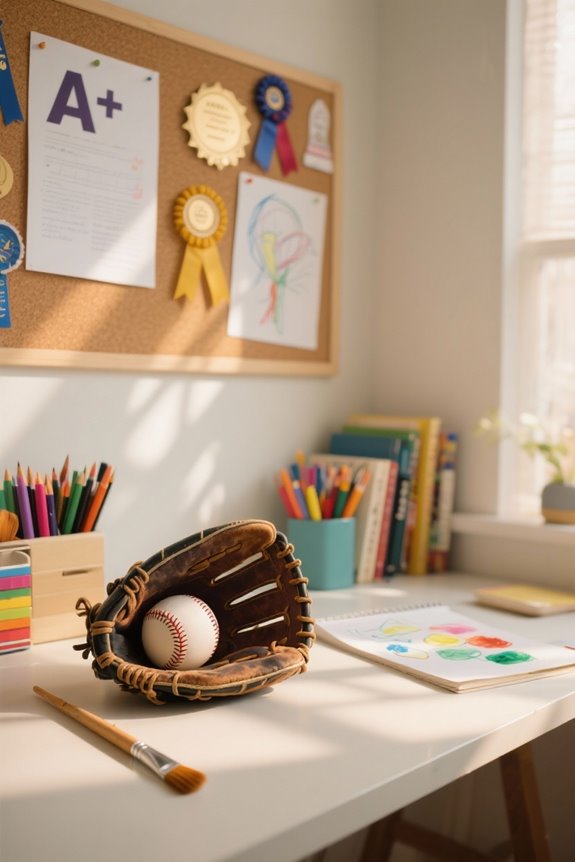
Creating a supportive environment is essential for a child’s development and learning success. Nurturing relationships between caregivers and children form the foundation for secure attachments, vital for emotional stability. Safe environments, filled with warm lighting and cozy materials, signal comfort and belonging. Such spaces encourage focus and reduce anxiety, allowing children to thrive. It’s important for caregivers to provide calmness and attentiveness, modeling a peaceful atmosphere that fosters emotional health. Group activities, like shared meals or collaborative projects, strengthen community ties and promote teamwork. By integrating emotional support into daily interaction, caregivers enhance children’s learning capacities, ultimately promoting autonomy and resilience without exerting pressure. Each element contributes to a holistic approach, ensuring children feel secure and valued. Additionally, incorporating engaging designs like portable pitching nets can provide children with enjoyable ways to develop skills in a supportive setting.
Recommended Products

6-SIDED READING NOOK: This hexagon kids modular couch creates a comfortable corner for bookworms who love to read; the soothing colors will instantly elevate any classroom, daycare, or playroom

6-SIDED READING NOOK: This 6-sided kids modular couch creates a comfortable corner for bookworms who love to read; the soothing colors will instantly elevate any classroom, daycare, or playroom

SOFT MEDALLION DESIGN: Showcase a gentle, faded oriental medallion design. Intricate motifs evoke timeless artistry and refined charm. This piece introduces classic elegance to your floors, softening any interior with its subtle presence.
Setting Realistic Expectations

When caregivers set realistic expectations, they provide an essential framework for children’s growth and development. Aligning expectations with developmental benchmarks guarantees that children are challenged without feeling overwhelmed. Each child’s journey includes individual variability, which means that a one-size-fits-all approach doesn’t apply. Caregivers should focus on observable abilities rather than comparing children with peers or siblings. This tailored approach fosters a sense of belonging and confidence. Furthermore, expectations should stretch just beyond current mastery, promoting growth while supporting emotional well-being. By considering cultural influences and context, caregivers can create a nurturing environment. Ultimately, setting informed and realistic expectations results in improved child behavior and greater parental satisfaction in the long run. Incorporating variety in drills can also enhance a child’s learning experience and engagement in sports.
Recommended Products


Supporting Intrinsic Motivation

Supporting intrinsic motivation in children is a fundamental aspect of their overall development, following the establishment of realistic expectations. Intrinsic motivation, driven by personal satisfaction, enhances cognitive resilience and encourages deeper learning outcomes. To nurture this, caregivers can implement motivational strategies like offering choices in activities, fostering autonomy, and connecting tasks to meaningful outcomes. Rather than focusing solely on grades, positive feedback emphasizing effort supports intrinsic rewards. Providing adequately challenging tasks guarantees engagement without frustration. Additionally, creating environments that fulfill children’s needs for competence and relatedness fosters self-determined actions. Rewards should be used judiciously; when tied to success, they can enhance motivation while still respecting intrinsic desires. Ultimately, fostering intrinsic motivation cultivates a love for learning and personal growth in children. Incorporating activities that promote personalized fit can also enhance engagement and enjoyment in learning experiences.
Recommended Products

【Encourages Positive Behavior&Good Habits】 This colorful reward money kit is designed to motivate children to develop good behavior and habits through a fun, engaging system.By completing tasks on the reward chart (Such as cleaning their room, wash dishes or walk dog), kids earn "reward money, coins, coupons" which they can later exchange for additional rewards. This approach makes habit-building enjoyable, teaching responsibility and self-discipline in a playful way

【Toddler Kitchen Set for Kids】: Kids cooking sets real includes 1 cooking knife, 1 Y-Shaped peeler, 1 wooden kids knife, 2 cutting board, 3 plastic serrated knives, 4 vegetable cutters, 1 crinkle cutter. Various toddler kitchen tools serve as Montessori toys for girls and boys
Encouraging Emotional Awareness
Emotional awareness in children plays an essential role in their social and personal development, as it helps them understand their feelings and those of others. To foster this important skill, parents can begin by encouraging emotion identification through activities like storytelling and drawing. Asking children to express how characters feel can boost their understanding. Verbal skills greatly enhance emotional awareness, so engaging in conversations about emotions is imperative. As children age, their ability to comprehend complex emotions develops, making it important to challenge them with nuanced discussions. Parents should also cultivate an environment that values emotional expression, promoting resilience and deeper social connections. By nurturing emotional awareness, parents empower their children to navigate life’s emotional landscape with confidence. Additionally, creating a space where children can express their feelings without judgment mirrors the benefits of team identity found in sports environments, enhancing their emotional growth.
Recommended Products

Everything you need to build students' favorite hero, Mat Man, while building motor and social skills.

COMPLETE STOP MOTION ANIMATION KIT including the HUE HD USB camera with integrated microphone, easy-to-use stop motion software (Windows and macOS), a 64-page full-color book of animation, a mini stage with background, printable activities and sound effects.

【Build Your Own Calm Down Corner】Make any space a calm retreat for kids to relax, reflect, and find their inner balance. Our calm-down corner set aids in emotional development and enhances resilience with a range of tools.
Building Self-Regulation Skills
Self-regulation is an essential skill that considerably impacts a child’s social and academic success. Children with effective self-regulation strategies enjoy improved interactions and friendships. Utilizing impulse control techniques can help them manage their emotions better, leading to less defiance and more cooperation with peers. Research shows that children develop these skills appreciably between ages 3 and 7. Through dedicated preschool interventions featuring over 30 lessons, caregivers can coach children on self-regulation techniques, enhancing their emotional and cognitive regulation. Remarkably, the Head-Toes-Knees-Shoulders (HTKS) task effectively assesses key self-regulation components. Engaging both parents and teachers in this process yields substantial improvements, helping children cultivate critical skills that foster social competence and long-term academic success. Additionally, incorporating activities like sports participation can further enhance a child’s self-regulation skills through teamwork and discipline.
Balancing Encouragement With Autonomy
Balancing encouragement with autonomy is essential for a child’s development, as it enables them to explore their interests while feeling supported. Autonomy-supportive parenting fosters a safe space for children to make decisions within clear boundaries. For instance, setting reasonable rules around homework allows children to feel empowered while cultivating responsibility. Offering meaningful choices, like selecting their snacks, further nurtures their confidence in decision-making. Constructive feedback plays a crucial role, guiding children without exerting control or pressure. This balance between support and freedom encourages intrinsic motivation, helping children embrace challenges independently. Ultimately, a thoughtful approach fosters healthy independence and reduces the likelihood of resistance. Children benefit from both guidance and space to grow, making for a harmonious developmental journey. Additionally, providing them with comfortable gear options can enhance their confidence in physical activities.
Recommended Products

SNACK. SPIN. REPEAT - Make snacking a breeze with 4 snacking compartments, complete with a double-wide compartment so you can fit more (including half a sandwich). Combine your snack bowls and cups into one lightweight, easy to use container! (Recommended for ages 3-10).
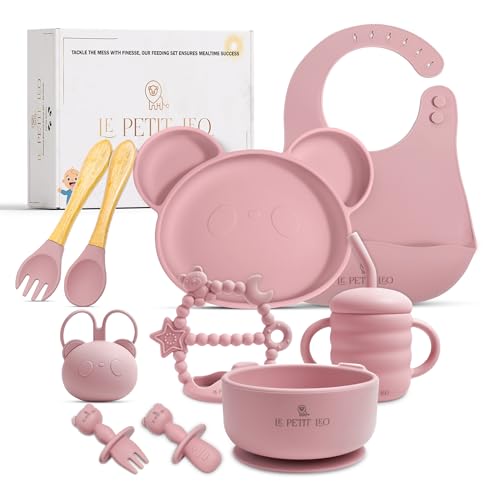
🐼 UNCOMPROMISING SAFETY FOR YOUR BABY’S FIRST BITES: The perfect choice for your baby's safety and well-being. Rigorously tested by certified labs, it guarantees unparalleled safety assurance. Crafted from 100% food-grade silicone, it is free from harmful substances like BPA, lead, and PVC, meeting the highest food safety standards in USA and Europe. With a baby-friendly design, rounded edges, and a soft baby spoons and fork, our baby feeding essentials ensures a safe and enjoyable experience for your little one

Quality Materials & Safe Construction - This tackle box for snacks is made of food-safe plastic, ensuring safety and durability.
Strengthening Parent-Child Connections
Strengthening the bonds between parents and children is essential for healthy development and well-being. Emotional availability plays a critical role in nurturing these connections. Parents can enhance their awareness of their child’s needs through strategies that improve self-reflection and understanding of mental states. This bidirectional approach promotes relational health, allowing both parent and child to influence each other positively. Programs like mindful parenting and Parent-Child Interaction Therapy focus on practical techniques to boost effective communication and emotional understanding within the family. Consistent expressions of affection and support help children feel valued, fostering resilience. By prioritizing emotional availability, parents build a stronger relationship, ultimately encouraging their child’s growth without pressure, creating an atmosphere of belonging. Additionally, incorporating safety standards in activities can foster a sense of security that enhances children’s confidence in their abilities.
Maintaining a Focus on Progress Over Perfection
The journey of nurturing a child’s growth benefits greatly from a focus on progress rather than perfection. Emphasizing effort recognition and progress tracking helps children learn that mistakes are part of growth. Celebrating small milestones fosters a healthy mindset, guiding children to appreciate their persistence instead of fearing failure. This approach mitigates the anxiety linked to perfectionism, allowing children to embrace challenges and set realistic goals. When parents shift the focus from flawless outcomes to incremental improvements, it promotes resilience. By encouraging children to try independently, they develop a sense of autonomy and confidence. Supporting them in this way not only enhances their well-being but also paves the way for lifelong learning and achievement. Additionally, incorporating safety certifications in activities can provide children with a sense of security while they explore new challenges.
Frequently Asked Questions
How Can I Spot Signs of Pressure in My Child?
Signs of pressure in a child can manifest through behavioral indicators like irritability and withdrawal, alongside emotional cues such as feelings of inadequacy and anxiety. Recognizing these signs can help identify underlying stress and emotional distress.
What Role Do Peers Play in My Child’s Motivation?
In the classic tale of Alice, peers shape motivations like a key releasing potential. Peer influence entwines with motivation dynamics, urging children toward achievement and connectedness, ultimately molding their academic behaviors and social experiences in school.
How Can I Teach My Child to Cope With Disappointment?
Teaching children disappointment management involves fostering resilience building through open communication, coping strategies, and validating emotions. Encouraging choice and autonomy allows them to navigate these challenges, ultimately enhancing their emotional growth and sense of belonging.
What Activities Promote Emotional Awareness in Children?
Activities promoting emotional awareness in children include storytelling activities that connect emotions to narratives and mindfulness exercises encouraging present-moment awareness. These approaches foster understanding and expression, nurturing a sense of belonging within their social environments.
How Can I Involve Siblings in Encouraging My Child?
Involving siblings in encouraging a child can enhance sibling support through team activities. Collaborative projects or shared interests foster connection, inspiring motivation and reinforcing a sense of belonging, ultimately promoting a positive environment for the child’s growth.