As an Amazon Associate, we earn from qualifying purchases. Some links on this site are affiliate links at no extra cost to you. Our recommendations are based on thorough research and editorial judgment.

What Nutrition Guidelines Benefit Young Baseball Players?

Young baseball players benefit from balanced macronutrient intake, focusing on carbs, protein, and healthy fats. Carbs fuel energy, while protein aids recovery. Hydration is essential; players should drink water regularly to avoid fatigue. Pre-game meals should be 3-4 hours prior and include complex carbs and lean protein. During games, aim for 30-60 grams of carbs every hour from snacks like bananas. Post-game, refueling with a 3:1 carb-to-protein ratio aids recovery. Discover more effective strategies ahead.
Key Takeaways
- Prioritize balanced macronutrients: focus on complex carbohydrates, lean proteins, and healthy fats for optimal energy and muscle recovery.
- Maintain hydration by drinking sufficient water before, during, and after games to ensure peak performance and concentration.
- Plan meals strategically: consume larger meals 3-4 hours before games, medium meals 2-3 hours prior, and easy-to-digest snacks 1-2 hours before.
- Choose quick in-game snacks like bananas or granola bars for sustained energy, aiming for 30-60 grams of carbohydrates per hour.
- Refuel within 30 minutes post-game with carbohydrate and protein-rich snacks to enhance recovery and prepare for future activities.
Balanced Macronutrient Intake for Optimal Performance
You may be interested


10 Best Baseball Pitching Nets to Elevate Your Game This Season
December 5, 2025

Effective nutrition plays an essential role in enhancing the performance of young baseball players. A balanced intake of macronutrients—carbohydrates, proteins, and healthy fats—is vital for peak energy levels. Carbohydrates are the primary energy source, fueling workouts and games. Including sources like whole grains and fruits helps maintain balanced energy. Protein aids muscle recovery, with lean meats and legumes providing the necessary building blocks. Healthy fats, found in nuts and avocados, support long-lasting energy and brain function. Additionally, incorporating micronutrient-rich foods guarantees bone health. Pre-game meals should include complex carbohydrates and lean protein, while post-game snacks focus on quick carbs and protein for efficient recovery. By prioritizing these recommendations, young players can achieve peak performance on the field. Furthermore, the right nutrition can enhance player visibility and overall gameplay dynamics, contributing to a more effective training regimen.
Importance of Hydration

Hydration plays a pivotal role in the performance of young baseball players, rooting itself in the foundation laid by balanced nutrition. Adequate water intake supports muscle function and helps regulate body temperature during games. It prevents heat-related illnesses, such as heat exhaustion, which can occur with mild dehydration. Even a loss of just 2% body weight can diminish concentration and slow reaction times, directly affecting gameplay. Hydration education should include proper hydration timing, encouraging players to hydrate before, during, and after games. Monitoring urine color offers a quick method to assess hydration status. Coaches and caregivers must proactively guarantee players drink enough fluids, fostering lifelong hydration habits that can enhance performance and reduce injury risk in the long run. Additionally, proper maintenance of baseballs is essential, as it can impact a player’s ability to perform at their best during practice and games.
Recommended Products

EASY HYDRATION: Under Armour's 32 oz squeeze water bottles hold liquid with a quick-shot lid and one-way valve for quick hydration, perfect for sports water bottles squeeze, gym water bottles for men and women, and more.

ULTIMATE HYDRATION: This insulated water bottle 32 oz option has foam-insulation to keep beverages cold for 10 hours, perfect for tournaments and game days.

EASY HYDRATION: Under Armour's 32 oz squeeze water bottles hold liquid with a quick-shot lid and one-way valve for quick hydration, perfect for sports water bottles squeeze, gym water bottles for men and women, and more.
Pre-Game and Pre-Practice Meal Strategies
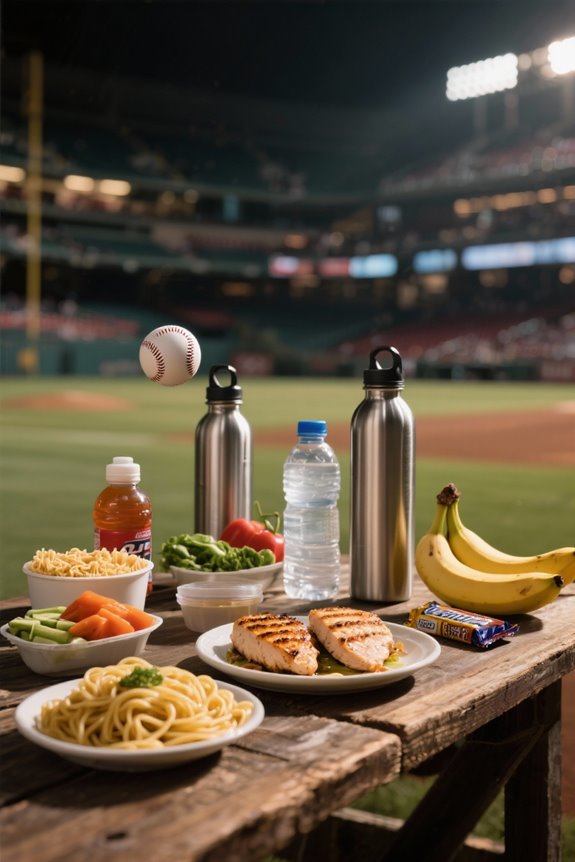
To fuel peak performance, young baseball players need to pay attention to their pre-game and pre-practice meals. Approximately 3–4 hours before the activity, they should consume larger, balanced meals featuring complex carbohydrates, moderate lean protein, and minimal healthy fats. As meal timing approaches, players can switch to medium-sized meals 2–3 hours prior, before opting for easy-to-digest pre-game snacks, like fruit or pretzels, within 1–2 hours of play. Finally, 30–60 minutes before the game, quick energy sources such as bananas or sports drinks are ideal. Maintaining hydration during this process is essential, ensuring players head into their practice or game well-hydrated for best performance and team success. Incorporating proper nutrition guidelines can significantly enhance young players’ overall performance and recovery.
Recommended Products

Material - Shoelaces Width is 0.6 CM. These laces are made from Polyester, the texture of these are soft and delicate

PREMIUM LEATHER PALM | Features a one-piece, tackified full grain leather palm for a thicker, more durable hitting experience.

PERFECT FOR KIDS: This bag is designed specifically for kids to organize and protect all teeball, baseball, or softball gear
In-Game Nutrition Choices

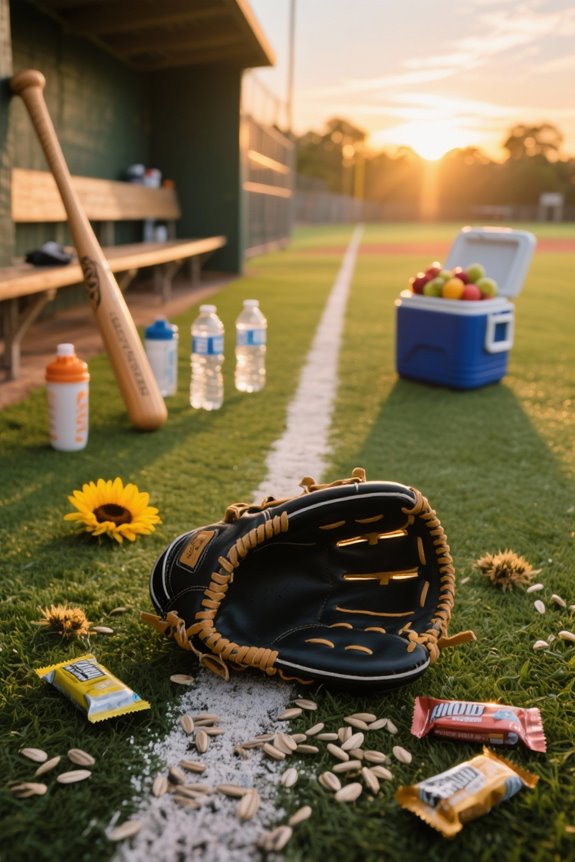
Maintaining proper nutrition during games plays a significant role in a young baseball player’s performance. In-game hydration is critical; players should drink half a cup of water every 20 minutes to avoid dehydration. A fluid loss of just 1-2% of body weight can hurt their game. Carb sources are equally important, with a target of 30-60 grams per hour. Quick energy options include bananas, dried fruits, and granola bars. Keeping these snacks in the dugout fosters energy levels and promotes recovery. Ensuring hydration and easy-to-digest carbohydrates helps players perform at their best, allowing them to focus more on the game and less on fatigue. After all, staying fueled and hydrated is essential for young athletes aiming for success. Additionally, incorporating proper nutrition guidelines can further enhance their overall performance and recovery.
Recommended Products

PACKAGE INCLUDE:You will receive 16PCS tennis clear bag,sufficient quantity to meet the needs of most people, use them to wrap gifts snacks candies and share happiness. These tennis gift bags are not just practical for everyday use,but are also nice tennis team gifts

MAIN COMPARTMENT | Storage in main compartment fits a helmet, ball glove and more

Sufficient Quantity: this package includes 12 baseball snack bags, offering plenty of options for organizing your items; Ideal for personal use or sharing with team members, friends, or classmates, the variety allows you to meet different needs
Post-Game Recovery Guidelines

Post-game recovery is essential for young baseball players, as the right nutrition can greatly affect their performance in future games. During the metabolic window, which lasts about 30 minutes after play, athletes should refuel with quality recovery snacks that blend carbohydrates and proteins. Ideal options include chocolate milk, Greek yogurt with granola, and peanut butter sandwiches. To optimize muscle recovery, players need around 1 gram of carbohydrates per kilogram of body weight—think 80 grams for an 80 kg player. Consuming a balanced protein source, like lean meats or dairy, helps rebuild muscle. Hydration is critical too; players should drink 150% of the fluids lost during play, ensuring they’re ready for the next challenge. Incorporating high-quality materials in their diet, such as lean proteins and whole grains, can further enhance their overall performance and recovery.
Recommended Products

Organic Electrolyte Gummies: Unlike powders or tablets, our electrolyte gummies begin to break down in the mouth, allowing for faster absorption of key minerals. This convenient form not only enhances the flavor and texture experience but also provides an efficient, on-the-go solution for daily hydration needs

Quality: Proudly crafted by Jumbo Jumble, the Protein bars and snack variety care package assures delectable, nutritious choices. The selection balances fresh and delicious treats for a satisfying snack time without guilt. We have organized and packed every single care package snack box with our hands to take the unboxing experience to the next level.

A 1st of its kind natural Kids' Electrolyte Gummy! Say goodbye to dehydration and hello to happy, hydrated kids.
Essential Vitamins and Minerals for Young Athletes
What nutrients do young athletes really need to perform at their best? Calcium and Vitamin D are essential for bone health, preventing injuries commonly faced by growing athletes. Iron plays an important role in oxygen transport and energy, critical for endurance during games. B vitamins support energy metabolism and nervous system function, helping with coordination and recovery. Vitamin C and Zinc contribute to immune support, enhancing tissue repair and reducing inflammation. Additionally, magnesium and potassium are necessary for muscle function and preventing cramps during prolonged activity. Focusing on nutrient timing—ensuring these vitamins and minerals are consumed regularly—helps young athletes maintain peak performance. Together, these nutrients can help strengthen their game and overall athletic capability. Moreover, proper hydration is crucial for young athletes, as ventilation features in their gear can help manage sweat and moisture during intense activities.
Meal Timing and Frequency
Young athletes need to prioritize meal timing and frequency to optimize their performance on the field. Consuming a balanced meal 3 to 4 hours before games guarantees energy availability and proper digestion. For early morning games, a solid breakfast rich in carbohydrates and lean protein is vital. Smaller meals can be eaten closer to game time but should be high in carbs and low in fats to aid quick digestion. Additionally, frequent eating, around 5 to 7 meals or snacks per day, helps maintain steady energy levels. Nutrient synchronization around training and competition times—especially focusing on carbs and protein—supports muscle recovery and growth. Proper meal timing and frequency empower young athletes to perform their best, enhancing their game experience. Incorporating moisture-wicking fabrics into their training attire can also help them stay comfortable and focused.
Practical Snack Ideas for Young Baseball Players
Providing practical snack ideas for young baseball players is essential for keeping energy levels high and performance sharp. Healthy snacking is vital, especially during busy game days. Portable options like turkey meat sticks offer 4 grams of protein, promoting muscle recovery without needing refrigeration. String cheese, with its 6 grams of protein, is a convenient dairy choice. For hydration and energy, bananas are easy to digest, while clementines provide vitamin C. Trail mix, combining nuts and dried fruit, delivers a mix of carbs and protein. Rice cakes paired with string cheese are excellent for balanced energy. Finally, water should always be the go-to for hydration, ensuring young athletes stay refreshed and ready to play their best. Additionally, incorporating high-quality protein sources like these into their diet can significantly enhance young players’ overall performance on the field.
Recommended Products

40 CT SNACK BOX - Contains 40 Ct of 0.8oz Snack Packs of Welch's Fruit Snacks in delicious Mixed Fruit flavor in a standard cardboard box

EASY CINCH CARRY FOR EVERY DAY: A drawstring opening with durable cording cinches closed fast for grab-and-go gym sessions, weight room rotations, weekend basketball, soccer practice, school days, after-school activities, weekend trips and casual day trips. Built for kids 6–12, students, athletes and active adults.

Gluten free snacks that have a good source of vitamin C per serving
Frequently Asked Questions
How Can Parents Encourage Healthy Eating Habits in Young Athletes?
Parents can encourage healthy eating habits in young athletes by involving the whole family in meal planning, promoting teamwork and shared responsibility. This fosters a supportive environment where nutritious choices become a common family practice, enhancing athletes’ performance.
What Role Does Nutrition Play in Preventing Sports Injuries?
Nutrition greatly influences sports injury prevention; maintaining proper hydration is essential, as dehydration can impair performance by 1-2%. Nutrient timing enhances recovery and energy, fostering a sense of community among young athletes working towards excellence.
Are There Specific Foods That Enhance Focus and Concentration During Games?
Specific focus foods like fatty fish, blueberries, and dark chocolate enhance concentration during games. Concentration snacks, such as whole grains and fresh fruit, provide essential nutrients and energy, supporting athletes in delivering their best performance on the field.
How Can Young Athletes Manage Dietary Restrictions or Allergies?
Young athletes can effectively manage dietary restrictions or allergies through clear communication and careful meal planning, ensuring allergy awareness and dietary modifications. This fosters a supportive environment, allowing them to thrive and feel included in sports activities.
What Are the Signs of Poor Nutrition in Young Athletes?
Signs of poor nutrition in young athletes include low energy levels, frequent mood swings, noticeable growth plateaus, fatigue indicators such as weakness, and extended recovery times, all greatly affecting their performance and overall wellbeing.