As an Amazon Associate, we earn from qualifying purchases. Some links on this site are affiliate links at no extra cost to you. Our recommendations are based on thorough research and editorial judgment.

What’s The Right Balance Between Practice And Rest For Youth Players?

Youth athletes should balance practice with adequate rest to maximize performance and reduce injury risk. They require 8–10 hours of quality sleep each night. A suggested rest day occurs every 7 to 10 days, with some athletes needing two days off weekly. Seasonal breaks of 2–3 months from a single sport are also essential. Monitoring training loads and recognizing signs of overtraining helps maintain health. Exploring recovery strategies can further enhance athletic performance and well-being.
Key Takeaways
- Prioritize 8–10 hours of quality sleep each night to enhance recovery and performance for young athletes.
- Schedule at least one full day off from organized sports each week to promote physical and mental recovery.
- Limit total training hours to not exceed the athlete’s age in years to avoid overtraining and injuries.
- Implement planned recovery weeks and active recovery days with light activities to support healing and circulation.
- Encourage participation in multiple sports to foster diverse skills and prevent burnout from specialization.
The Importance of Rest and Recovery
You may be interested



Rest and recovery are essential elements for young athletes aiming for peak performance. Youth athletes need 8–10 hours of quality sleep each night to optimize recovery and enhance performance. Inadequate sleep can lead to fatigue, slow reaction times, and increased injury risk. Incorporating active recovery days, which include light activities, promotes healing and improves circulation. These strategies boost physical recovery, allowing muscles and joints to repair effectively. Furthermore, mental recovery is important; proper rest can prevent burnout and enhance focus, keeping athletes motivated and engaged. Implementing good sleep hygiene, such as consistent schedules and screen curfews, is critical. By prioritizing both physical and mental recovery, young athletes can maintain their performance and enjoyment in sports. Additionally, ensuring that athletes have the proper catcher gear essentials can significantly reduce injury risk during play.
Understanding Overtraining in Youth Athletes

Overtraining in youth athletes presents a significant concern that can negatively impact both physical and mental well-being. The effects of overtraining often result in injuries, fatigue, and decreased performance. Youth athletes, particularly those who specialize early in a single sport, are more susceptible to these issues due to rigorous training schedules. As young bodies develop, excessive training loads can overwhelm their biological systems, leading to hormonal and neurological disturbances. Injuries such as stress fractures can arise from repeated strain without sufficient recovery time. This risk is heightened during rapid growth phases, especially for those in competitive environments. Coaches and healthcare providers must monitor training hours, ensuring that youth athletes enjoy sports without the damaging consequences of overtraining. To aid in recovery, incorporating anti-slip features in training environments can help reduce the risk of falls and injuries during practice sessions.
Signs of Overtraining: What to Look For

Identifying the signs of overtraining in youth athletes is vital for preventing long-term damage to their health and performance. Key overtraining symptoms include chronic muscle and joint pain, increased resting heart rate, and notable fatigue. Athletes may experience reduced performance despite hard work, and common workouts become more challenging. Furthermore, frequent illnesses and infections may arise due to immune system suppression. Psychological signs, such as diminished motivation and mood swings, indicate athletic burnout. Coaches and parents should be alert if sports become the sole focus of a young athlete’s life, suggesting a potential imbalance. Recognizing these signs early is essential for ensuring a healthy athletic journey and maintaining overall well-being. Additionally, using high-quality gear, such as premium baseball gloves, can enhance performance and reduce the risk of injuries.
Recommended Rest Days and Recovery Periods

Balancing training with adequate rest is essential for youth athletes to enhance their performance and prevent injuries. A rest day every 7 to 10 days is generally suggested, but some may need two rest days weekly. Young athletes should take at least one full day off from organized sports each week to prevent burnout and overuse injuries. Their total training hours should not exceed their age in years. Incorporating recovery strategies like planned recovery weeks aids in maintaining athlete health. Additionally, athletes need 8 to 10 hours of quality sleep nightly, as sleep contributes greatly to muscle recovery, cognitive function, and overall well-being. Prioritizing both rest duration and recovery strategies guarantees long-term success and sustainability for youth players. Choosing the right gear, such as high-quality catcher gear, can also enhance performance and comfort during practices and games.
Recommended Products

TEXTURED TECHNOLOGY | PEARL LT lacrosse balls are the ONLY textured lacrosse ball certified for game play. The textured surface delays greasing and prolongs the ball's grip. Includes 100 white balls.
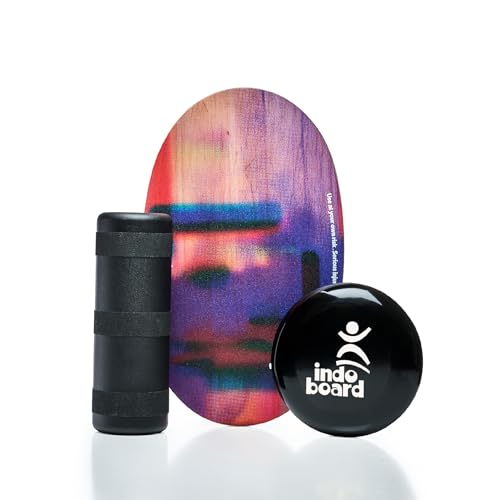
BALANCE, STABILITY & FUN: The Indo Board Is designed to improve balance, stability, core strength, coordination, and the agility needed for both sports and everyday life. Engages the whole body to boost posture, awareness, and injury prevention - all while keeping training fun.

Increase Vertical Power & Jump Height: Designed to elevate your performance, these training soles attach easily to most sport shoes for men and women. They target calves and fast-twitch muscle fibers to improve vertical jump, explosive strength, and balance for basketball, volleyball, and agility training.
Seasonal Breaks for Youth Athletes
Seasonal breaks play an essential role in the overall development of youth athletes. These breaks offer seasonal benefits that are vital for preventing overuse injuries and mental burnout. Experts recommend 2–3 months away from a single sport annually, allowing young athletes to explore athletic diversity and engage in different physical activities. This variety enhances motor skills and overall athleticism while providing essential mental recovery. Time off frees up precious moments for family and school, fostering balanced lives beyond sport. Young athletes can enjoy informal play and social interactions that build resilience. Incorporating strength and conditioning programs during breaks can contribute to holistic development, ensuring readiness for future competitions while reducing injury risks. Additionally, maintaining organized baseball equipment storage can help young athletes easily access their gear when returning to practice.
Balancing Training Volume and Rest
Finding the right balance between training volume and rest is essential for the development of youth athletes. Total training, including organized sports and competition, should not exceed 16 hours per week, aligning with athletes’ ages. A significant training balance entails limiting structured activity to twice the amount of free play, as this promotes overall development. Resistance training should begin with low intensity to prioritize technique, gradually increasing with skill. Adequate planning demands careful recovery scheduling, ensuring at least one rest day each week to combat fatigue and prevent injuries. Monitoring acute and chronic workload can guide safe progression, while consistent training volume, especially in balance exercises, proves critical for improving physical performance without risking overload or burnout. Incorporating proper fit in equipment, such as batting gloves, aids in maximizing performance during practice sessions.
Recommended Products

THROWS CHANGEUPS: Change from fastball to changeup at the touch of a button using the remote control on key chain or manual button located on control panel—Digital Speed Adjustment: 45-75 mph.

Full-Length Mound: Enhance your pitching game experience with the full-length mound that gives the pitcher a realistic feel of a regulation game mound.

Full-Length Mound: Enhance your pitching game experience with the full-length mound that gives the pitcher a realistic feel of a regulation game mound.
The Role of Sleep in Athletic Performance
Sleep plays an essential role in the athletic performance of youth athletes. Most young athletes need 8 to 9 hours of quality sleep each night to optimize performance metrics. A study involving varsity college tennis players found that an extra 2 hours of sleep markedly enhanced their game. Teen athletes, in particular, face challenges with disordered sleep, impacting their cognitive and physical abilities. Proper sleep hygiene, including consistent routines and minimal screen exposure before bed, can improve sleep quality. Enhanced sleep leads to better reaction times—up to 15% faster—better decision-making, and more efficient energy metabolism. Investing in good sleep habits can reduce injury risks and promote overall athletic success, making it an essential component of training for youth athletes. Additionally, compression socks can support muscle recovery and enhance blood flow, contributing to improved performance during practices and games.
Monitoring Training Loads: Acute Vs Chronic
Monitoring training loads is vital for achieving the right balance between practice and recovery in youth athletes. Acute training load refers to the total workload over a week, while chronic training load averages the workload over 3-6 weeks. The Acute:Chronic Workload Ratio (ACWR) evaluates these loads, helping coaches assess training stress and injury risk. It’s important to maintain a moderate ACWR; a high acute load relative to chronic load can lead to injuries. Coaches should monitor both internal and external load measures, like session Rating of Perceived Exertion (sRPE) and GPS tracking, to get a clear picture of an athlete’s workload. This careful management guarantees athletes can thrive without overtraining or burnout, fostering long-term development. Additionally, understanding the importance of proper break-in for equipment like bats can further enhance performance and reduce injury risks during training.
Effective Balance and Resistance Training
Effective balance and resistance training play vital roles in the development of youth athletes. Ideal balance training usually spans eight weeks, with athletes participating in two 45-minute sessions per week. This frequency guarantees significant improvements in postural control, while sessions shorter than 30 minutes or infrequently conducted yield limited benefits. The integration of balance exercises into resistance training enhances neuromuscular control and stability, allowing for better strength adaptations. Research suggests that sequencing balance training before resistance exercises improves jump performance and dynamic balance. Meanwhile, using unstable surfaces during resistance integration can elevate coordination between opposing muscle groups. Consistency and structured training are essential for developing safe, effective performance qualities in young athletes, fostering their athletic growth in a supportive environment. Additionally, incorporating high-quality materials in training equipment can significantly enhance the overall effectiveness of practice sessions.
Recommended Products

High-performance riding: With STACYC's 36 Volt BRUSHLESS motor platform, the 20eDRIVE provides plenty of power and range for aggressive riding terrain or longer trips with the crew.

INNOVATOR SPOTLIGHT - Leonard Isaacs, a coach with an illustrious career spanning over five decades, has played a pivotal role in shaping gymnastics. His trailblazing concept of teaching gymnastics through progressions rather than relying heavily on spotting techniques revolutionized the sport. Tumbl Trak founder Doug Davis, mentored by Leonard, collaborated with him to develop significant products such as the Laser Balance Beam and Pit Pillow

IDEAL FOR PRACTICE - Allows new lacrosse players to feel more at ease and confident. The softer outer fabric is both less intimidating and doesn’t hurt as bad if you get hit by a ball.
Benefits of Proprioceptive Exercises
Proprioceptive exercises greatly enhance balance and stability in youth athletes, facilitating better athletic performance and reducing the risk of injuries. Through proprioceptive training, young athletes develop superior body awareness and control, essential for sports requiring sudden direction changes, like basketball. Improved neuromuscular control contributes to better equilibrium while decreasing the likelihood of ankle sprains and falls. This training also strengthens muscle coactivation around key joints, optimizing stability in knees and ankles. Significantly, athlete performance metrics such as agility, speed, and technique improve, benefiting skills like dribbling and shooting in soccer and basketball. By integrating proprioceptive exercises into routines, youth players can enhance their performance while effectively prioritizing injury prevention, paving the way for a safer, more enjoyable sports experience. Additionally, incorporating proper field maintenance practices, such as using the right rakes, can further improve playing conditions and safety on the field.
Recommended Products

PEDIATRIC THERAPY MUST-HAVE - Helps children with sensory processing disorder and autism improve balance, core strength, and proprioception.

✔️【 COMPLETE, READY-TO-USE KIT 】: When you choose the STAASH Wobble Board, you’ll also receive a roll and a cork mat that will allow you to protect your floor and prevent your neighbours from complaining about the noise of your sessions! The board can be used on any surface, both indoors and out, is the ideal size (31" x 15") and its naturally antislip surface ensure optimum comfort every time you use it.
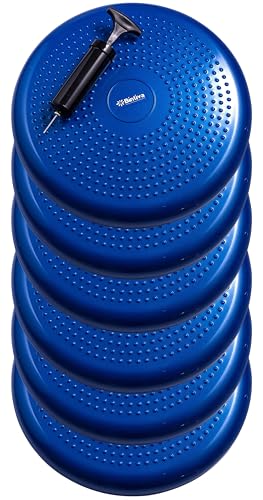
Balance disc promotes core stability, strengthens muscle tone, improves balance and body posture.
Designing a Balanced Training Program
A well-structured training program is essential for youth athletes seeking to enhance their skills while minimizing injury risks. This program should be designed by qualified professionals who consider age, sport, and biological maturation. Emphasizing youth engagement, a balanced approach involves periodization strategies that include progressive workload increases, focusing first on technique and motor control. Training sessions should combine low-intensity strength exercises, such as 1-2 sets of 8-12 reps, with proper warm-ups to prepare the body. Additionally, coaches must monitor fatigue and adapt training loads incrementally, limiting increases to 5-10%. Incorporating rest days strategically within the program allows athletes to recover and adapt, ultimately promoting resilience and long-term development in a supportive environment.
Recommended Products

500 LB CAPACITY WITH ±0.1 LB ACCURACY – The PS-6600 ST offers highly precise weight measurements for individuals up to 500 lbs (225 kg), ensuring consistent accuracy for athletes, health professionals, and fitness trainers. Whether used for sports weigh-ins or health assessments, it provides reliable results every time, even at both low and high weight ranges.

REALISTIC SOLO GRAPPLING PARTNER: Train takedowns, throws, submissions, transitions, pins, sweeps, chokes, and ground control without waiting for a live partner. The legged design gives MMA, Brazilian Jiu-Jitsu, wrestling, and submission grappling athletes a more natural shape for drilling positional movement and technique repetition.

HIGH-PERFORMANCE BUILD: Made from premium hardened and tempered aluminum for long-lasting durability and consistent performance during both training and competition.
The Psychological Aspect of Recovery
Recovery from injury involves complex psychological dynamics that can greatly influence a youth athlete’s journey back to the sport. The fears surrounding re-injury often create significant anxiety, making psychological readiness essential for a successful return. Youth athletes may grapple with internal conflicts, balancing activity engagement with injury prevention. Establishing reliable support systems—like therapy combined with physiotherapy—enhances anxiety management, helping them navigate these challenges. Maintaining ties to the sports community, whether through coaching or social interactions, also fosters a sense of belonging and reduces feelings of isolation. Overall, addressing psychological aspects during recovery not only supports emotional health but also optimizes performance post-injury, creating a smoother reintegration back into training and competition.
Guidelines for Coaches on Scheduling Rest
Effective scheduling of rest is crucial for youth athletes to enhance performance and prevent injuries. Coaches should plan for at least 1-2 rest days each week, allowing for complete recovery. Avoid back-to-back intense training or double practice sessions to minimize fatigue and overuse injuries. It’s important to include light aerobic activities on rest days, as these promote circulation without causing strain. Active recovery should complement rest days, incorporating stretching, yoga, or foam rolling. Monitoring athletes for overtraining signs guarantees timely adjustments in practice loads. Clear communication among coaches, parents, and athletes is essential in recovery planning, fostering an environment where rest is viewed as an integral part of performance success. Prioritize these strategies to maintain athlete well-being.
Educating Parents and Athletes on Recovery Needs
While youth athletes often focus on their training regimens, understanding recovery needs is equally important for success. Parents and athletes must recognize that recovery isn’t merely for healing injuries; it plays a key role in physical recovery and overall well-being. Open discussions about signs of fatigue and discomfort can help prevent setbacks. Nutrition and hydration are essential for fueling recovery, supporting growth, and enhancing performance. Athletes should learn to listen to their bodies, understanding when to rest and recover. Mental and emotional recovery is just as significant, with mindfulness techniques and connection to teammates reducing feelings of isolation. Emphasizing these aspects empowers both parents and athletes to create a holistic approach to health and athletic development.
Frequently Asked Questions
How Can Parents Recognize if Their Child Is Training Too Much?
Parents can identify overtraining symptoms in their child by observing signs of burnout, such as diminished enthusiasm, irritability, chronic fatigue, sleep disturbances, and notable emotional withdrawal, all indicating an unhealthy training balance and excessive pressure.
What Are Some Fun Recovery Activities for Youth Athletes?
Fun recovery activities for youth athletes include engaging yoga sessions that enhance flexibility and game nights fostering camaraderie. These activities promote relaxation and build friendships, ensuring a balanced approach to staying active while enjoying downtime together.
How Does Nutrition Impact Recovery for Young Athletes?
Nutrition is the key ingredient in young athletes’ recovery, as proper nutritional timing and effective hydration strategies foster ideal performance and enhance recovery. A solid diet guarantees they have both fuel and stamina to succeed.
Are There Specific Signs of Mental Fatigue in Youth Players?
Specific signs of mental fatigue in youth players include emotional exhaustion, noticeable attention decline, cognitive overload leading to frustration signals, and irritability. These symptoms often hinder both performance and overall enjoyment of their chosen sport.
How Can Team Dynamics Affect a Player’s Recovery Experience?
Ironically, while isolation during recovery seems ideal, strong peer support and effective communication strategies within team dynamics actually boost motivation, fostering a sense of belonging that accelerates healing and enhances the overall recovery experience for players.