As an Amazon Associate, we earn from qualifying purchases. Some links on this site are affiliate links at no extra cost to you. Our recommendations are based on thorough research and editorial judgment.

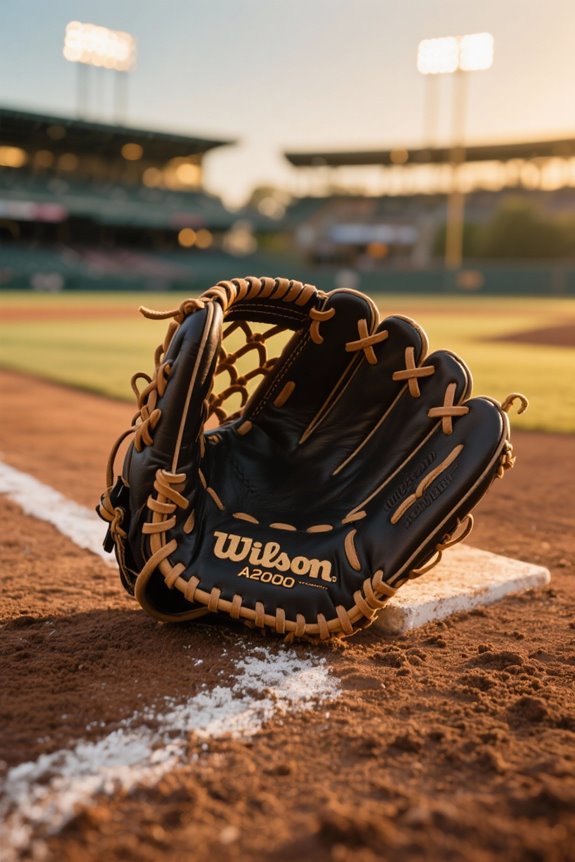
What’s The Best Type Of Baseball Glove For Infield Positions?

The best baseball gloves for infield positions range from 11 to 12 inches, tailored for players at second base, shortstop, and third base. Second basemen and shortstops prefer gloves around 11 to 11.5 inches due to their design, featuring shallower pockets for quicker ball transfers. Third basemen benefit from gloves between 11.75 to 12 inches that offer deeper pockets. Premium leathers enhance durability, while lightweight models improve agility. Stick around to discover more about specific brands and maintenance tips!
Key Takeaways
- Infield gloves should range from 11 to 12 inches, with 11.5 inches favored for second basemen and shortstops for optimal fit and performance.
- Choose gloves with shallower pockets for quicker ball transfers, which enhance speed during plays and allow for rapid throwing.
- Premium leather materials, like steerhide and kip leather, provide durability and flexibility, crucial for quick movements in infield positions.
- Lightweight gloves, ideally between 18 and 24 ounces, facilitate faster transfers; losing even a couple of ounces can significantly improve performance.
- Regular maintenance, such as cleaning and conditioning, is essential to extend the life and responsiveness of your infield glove.
Understanding Infield Gloves: Size Range and Design
You may be interested



Understanding infield gloves is essential for any player looking to enhance their performance on the field. Typically, these gloves range from 11 to 12 inches, with middle infielders favoring sizes around 11 to 11.5 inches. The design includes shallower pockets that facilitate quicker ball transfers, imperative for fast-paced plays. This pocket shape optimizes control and minimizes ball retention time. A materials comparison shows that lighter-weight leather is preferred for maneuverability, with premium options offering durability without sacrificing flexibility. Proper fit is critical for achieving the best performance metrics, allowing for quick hand movements. By balancing these elements, players can greatly improve their infield game, gaining a solid edge on the diamond. Additionally, selecting gloves made from full-grain leather can enhance durability and sensitivity, further benefiting infield performance.
Size Specifications for Second Basemen
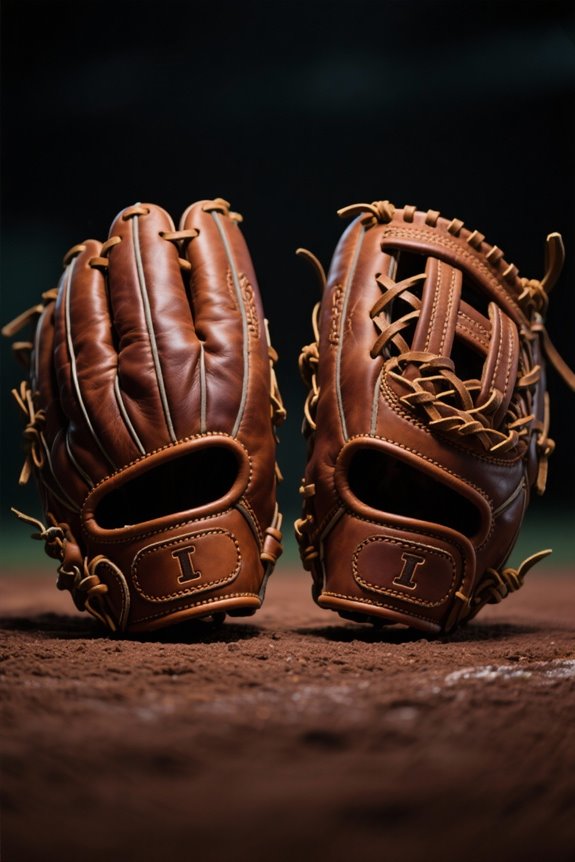
A second baseman’s glove typically measures between 11 and 12 inches, with the 11.5-inch size being particularly popular among players in this position. This size facilitates quick transfers, crucial for successful double plays and fielding ground balls. Youth players usually prefer gloves measuring 9 to 11 inches for better control, while high school and college players opt for sizes closer to 12 inches for adequate coverage. The material of the glove impacts player comfort; softer leather offers superior feel, while sturdier materials enhance durability. A glove with a shallower pocket and tighter webbing improves ball removal speed. Ultimately, choosing the right size and design allows second basemen to enhance their game and fit seamlessly into their team’s dynamics. Position-specific gloves are essential for maximizing performance at this level.
Choosing the Right Size for Shortstops

Choosing the right size for shortstop gloves is crucial for enhancing performance on the field, especially when split-second decisions are necessary. Typically, gloves for shortstops range from 11 to 12 inches, with sizes around 11.5 inches offering the best balance between control and reach. Players with smaller hands may prefer gloves closer to 11 inches for improved glove fit, while those with larger hands can opt for sizes up to 12 inches. The design of the glove pocket also greatly impacts performance; shallow pockets promote quick ball transfers, essential for fast throws and double plays. Ultimately, selecting the right glove size comes down to player preference, ensuring comfort enhances confidence and execution during critical game moments. Additionally, some gloves, like the Rawlings Heart of The Hide, are designed to offer superior durability and comfort, making them an excellent choice for serious players.
Third Baseman Gloves: Key Features and Benefits

Third basemen require gloves that seamlessly blend control and reach, guaranteeing they can react quickly to hard-hit balls and make precise throws across the diamond. Ideal glove length ranges from 11.75 to 12 inches, balancing coverage and transfer speed. Many third baseman gloves feature I-web or H-web designs, creating deep pockets for effective fielding techniques. Premium leather enhances durability while maintaining flexibility for quick breaks. Open backs increase wrist mobility, allowing smoother movements during gameplay. Proper glove maintenance guarantees longevity and performance consistency. Specialized attributes, like the ability to wear “two in the pinky,” boost pocket depth. With versatile designs, third base gloves support dynamic fielding, adapting effectively to various play situations while fostering confidence on the field. Additionally, deep pocket designs are essential for effective catching and handling, promoting skill development in defensive play.
The Importance of Pocket Depth in Infield Gloves
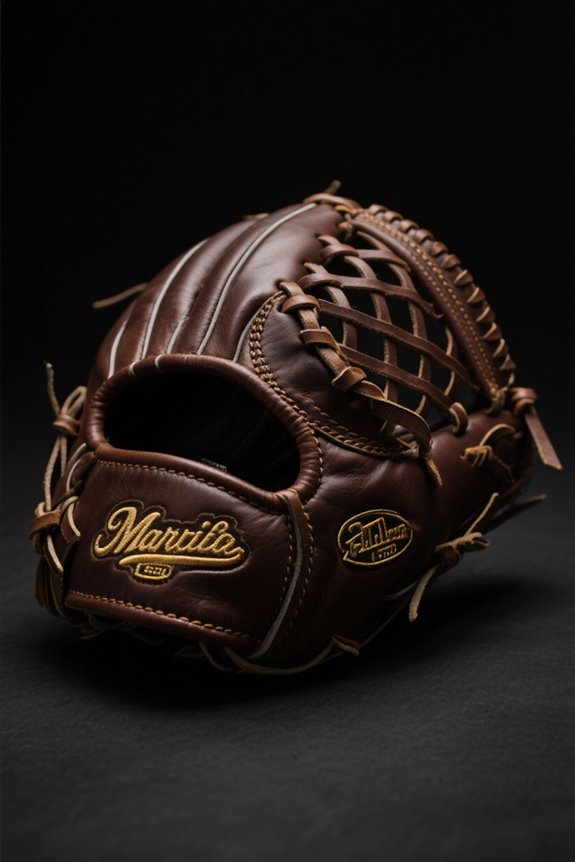
Pocket depth plays a fundamental role in the performance of infield gloves, directly impacting a player’s ability to make swift, accurate plays on the field. Infield gloves typically feature shallow pockets, ranging from 11.25″ to 12″, which enhance glove responsiveness and promote quick ball transfer. This design is essential for executing fast plays and double plays, as a well-constructed pocket allows the ball to settle easily while ensuring swift releases. However, it is important to strike a balance; overly shallow pockets may risk dropped balls. For middle infielders, tighter pockets aid in rapid throws, while first basemen may prefer slightly deeper ones for added security. Pocket dynamics greatly influence overall performance, ultimately affecting a team’s defensive efficiency. Additionally, utilizing gloves made with high-quality materials can further enhance durability and effectiveness on the field.
Webbing Types: Which Is Best for Infield Play?
What makes webbing types critical for infield play? The choice of web structure directly influences an infielder’s performance. H-Webs are robust, featuring vertical bars that form an “H,” providing excellent surface area for catching hard-hit balls. Meanwhile, I-Webs, designed for middle infielders, facilitate quick transfers and have an open weave to allow dirt escape—ideal for swift movements. Modified Trap webs combine durability and control, catering to specific infield roles. Single Post webs offer a deeper pocket feel, appealing to infielders desiring glove customization. Each web is crafted from high-quality glove materials, enhancing durability and responsiveness. Understanding these characteristics guarantees a player selects the perfect glove type, enhancing their skills on the field and fostering a sense of belonging in the game. Additionally, selecting the right glove size significantly influences gameplay performance, ensuring a snug yet comfortable fit for optimal control.
Benefits of I-web and H-web Designs
When considering the benefits of I-web and H-web designs, it’s clear that both structures serve essential roles in enhancing an infielder’s performance. I Web advantages include its shallow pocket, which allows for quick ball transfer—vital in fast-paced infield plays. The double-laced X’s at the base maintain the glove’s shape and flexibility, accommodating various fielding angles. In contrast, H Web features a sturdy yet flexible design, creating a larger catching surface helpful for line drives and quick throws, particularly at third base. Both designs are lightweight, improving hand speed and reducing fatigue. These web types are popular among both professionals and serious amateurs, making them key choices for any infielder wanting to elevate their game. Additionally, position-specific designs in gloves can significantly enhance a player’s effectiveness on the field.
The Role of Leather Quality in Durability
The quality of leather plays an essential role in determining the durability of baseball gloves, especially for infield positions where performance is paramount. Leather grades greatly influence the glove’s lifespan. Steerhide offers exceptional toughness but demands a longer break-in time. It retains shape across many seasons, preferred by serious players. Cowhide, more affordable and pliable, strikes a balance for beginners but may not last as long under intense use. Full-grain leather enhances durability by preserving the hide’s natural grain, rewarding players with extended glove life. Conversely, kip leather combines lightweight and durable qualities, ideal for agility. Understanding these material comparisons helps players choose a glove that complements their skill level and commitment to maintaining their gear. Selecting gloves made from high-quality materials is crucial for ensuring consistent performance on the field.
Evaluating Premium Leather vs. Synthetic Options
A clear distinction exists between premium leather and synthetic gloves in the world of baseball, particularly for infield players. Premium leather gloves, like those made from steerhide, boast durability and longevity, outlasting synthetic options by several seasons. Their material benefits include superior resistance to impact, essential for frequent contact with the ball. In contrast, synthetic gloves, while more affordable and lightweight, tend to wear out within a season and lack the structural integrity needed for serious play. They require little break-in time, offering immediate performance, yet fall short in durability and glove performance. Ultimately, committed players often invest in leather for lasting performance, while synthetic options cater to beginners and casual players seeking immediate comfort. Players often prefer premium leather gloves for their enhanced ball feel and overall performance.
Weight Considerations: Finding the Balance for Quick Play
Finding the right weight for an infield glove is crucial for optimizing quick play on the diamond. Infield gloves typically weigh between 18 and 24 ounces, balancing speed and durability. Lighter gloves, around 18 ounces, enable faster ball transfers and reactions, essential for shortstops and second basemen. Conversely, excessive glove weight can hinder hand speed, affecting double plays and quick throws. A weight difference of just one to two ounces can impact performance greatly. Shallow pockets enhance agility, permitting quicker retrievals. Materials also matter; premium Pro Kip leather offers lightness without compromising strength. Ultimately, choosing the right glove weight allows players to perform at their best, engaging fully in the game they love. Additionally, the importance of glove size cannot be overlooked, as it directly relates to a player’s position and age for optimal performance.
Flexibility in Glove Design: Why It Matters
How essential is flexibility in a baseball glove for infield positions? Flexibility directly influences an infielder’s ability to catch and transfer the ball quickly. Gloves with I-Web designs offer maximum flexibility, enabling swift break-ins and easy transfers, ideal for shortstops. In contrast, H-Web gloves provide added structure, making them suitable for third basemen but slightly less flexible. Shallow pockets enhance this flexibility, promoting seamless hand movements. The choice of materials also affects glove flexibility; high-quality leather, such as full-grain, becomes more adaptable over time with proper glove maintenance. In material comparisons, while synthetic options offer immediate flexibility, they may lack enduring durability and feel. Ultimately, a balanced blend of design and material is vital for effective infield play.
Popular Brands and Their Top Models for Infielders
Infielders need gloves that enhance their performance on the field, and several brands stand out for their top models designed specifically for this position. Wilson is renowned for its A2000 series, featuring the A2000 DP15 for smaller hands and the 1787 model, ideal for shortstops and third basemen at around 11.75 inches. Rawlings dominates MLB use with its Heart of the Hide and Pro Preferred lines, known for durability and superior flexibility. Easton offers innovative designs, focusing on lightweight materials for quick transfers. Finally, Under Armour impresses with exceptional durability that appeals to players at all levels. Each brand carries strong reputations, reflecting quality glove performance that infielders can rely on.
Customization Options for a Personalized Fit
Custom gloves offer a distinct advantage for players seeking a snug and precise fit tailored to their individual needs. The customization process guarantees a custom fit that enhances control, allowing infielders to respond swiftly to plays. Players can select from premium leather choices like full-grain or steer hide, influencing durability and break-in time. Adjustable wrist straps and palm stiffness levels can be fine-tuned to balance protection with responsiveness. Web styles and pocket depth can be personalized, optimizing ball visibility and retention. Additionally, players can express individuality through color options, embroidery, and custom logos. This level of personalization not only fosters a sense of belonging but also greatly contributes to performance enhancement on the field.
Key Features for Utility Infielders: Versatility in Design
Versatile design features define the best utility gloves for infielders, catering to players who operate across multiple positions. Gloves with H-Web, Cross Web, or Y-Web designs provide the structured flexibility needed for quick response. Pocket shapes play an essential role; shallower pockets are ideal for rapid ball transfers, while moderate depths, like those found in 11.75” gloves, balance versatility across infield spots. Quality glove materials, such as full-grain leather and Pro Stock® Leather, guarantee durability during intense play. Added features like ParaShock palm pads enhance comfort, allowing players to switch positions easily. Ultimately, these thoughtfully crafted designs enable utility infielders to perform efficiently, maximizing their capability on the field.
Tips for Maintaining Your Infield Glove for Longevity
Maintaining an infield glove’s condition is essential, especially since it endures frequent use on the diamond. Regular cleaning should start with a dry, soft-bristled brush to remove dust. For deeper grime, lightly moisten a cloth but avoid saturating the leather. Implement glove alignment techniques by storing a baseball in the pocket, preserving its shape. Conditioning with a specialized baseball glove conditioner guarantees softness while protecting the leather from cracking. Careful moisture prevention strategies include storing the glove in a cool, dry place, away from extreme heat. Inspect laces and areas of wear every six months to maintain performance. By following these detailed tips, players guarantee their glove remains reliable and effective throughout the season.
Frequently Asked Questions
How Do I Break in a New Infield Glove Effectively?
To break in a new infield glove effectively, one should employ glove conditioning techniques while consistently practicing catching. This method enhances flexibility and shapes the pocket, ensuring a comfortable fit and improved performance on the field.
What Should I Avoid When Cleaning My Baseball Glove?
When cleaning a baseball glove, one should avoid excessive moisture, harsh chemicals, and rough mechanical cleaning, as these can damage glove materials and alter cleaning solutions, ultimately compromising the glove’s integrity and longevity.
Can I Use an Adult Glove for Youth Baseball?
“Size matters!” Utilizing an adult glove for youth baseball presents drawbacks, hindering control and speed. Youth glove benefits include proper fit and agility, essential for developing solid fundamentals. Choosing wisely fosters confidence and belonging in the game.
How Do I Determine My Glove Size Accurately?
To determine glove size accurately, utilize proper measuring techniques, like measuring from the index finger’s tip to the heel. Accurate glove sizing guarantees comfort and performance, helping individuals feel confident on the field with their equipment.
What Are the Signs I Need to Replace My Glove?
Wear and tear whisper signs of farewell, beckoning for a new companion. Torn seams, stiff leather, and a shapeless pocket betray trust. Joyful glove maintenance halts the inevitable, ensuring every game still holds promise amid fading memories.