As an Amazon Associate, we earn from qualifying purchases. Some links on this site are affiliate links at no extra cost to you. Our recommendations are based on thorough research and editorial judgment.


How Can I Help My Child Improve Without Hiring A Coach?

Parents can support their child’s improvement effectively at home. Celebrate their efforts and progress, recognizing even small victories to boost confidence. Create a safe and supportive learning environment, free from distractions. Encourage physical activity with at least 60 minutes of play daily. Promote autonomy through decision-making opportunities. Integrate learning into daily routines like cooking or shopping. Manage screen time wisely to foster creativity. Engaging in open communication helps align goals. There are more strategies to reflect upon for holistic development.
Key Takeaways
- Celebrate your child’s progress and effort consistently to enhance their confidence and motivation for growth.
- Create a supportive and safe learning environment that fosters participation and resilience.
- Encourage autonomy by allowing your child to make decisions and explore problem-solving independently.
- Integrate learning into everyday routines, such as cooking and shopping, to build practical skills.
- Maintain open communication to align goals, build trust, and provide emotional support during challenges.
Celebrate Effort and Progress
You may be interested



Celebrating effort and progress is essential for a child’s development. Recognizing a child’s hard work fosters confidence and self-esteem, reminding them they are valued for their efforts over results. Each small victory, marked by progress milestones, encourages children to adopt a growth mindset, seeing challenges as opportunities to learn and grow. Simple celebrations, like high-fives or milestone charts, make progress visible. When effort recognition is prioritized, children feel motivated to engage with difficult tasks, developing problem-solving skills. This consistent praise leads to improved resilience, encouraging kids to persist despite setbacks. Ultimately, acknowledging effort not only enhances academic performance but also nurtures a child’s holistic development across motor, social, cognitive, and emotional domains, cultivating a love for learning. Additionally, incorporating positive reinforcement techniques can further enhance a child’s motivation and engagement.
Create a Supportive Learning Environment
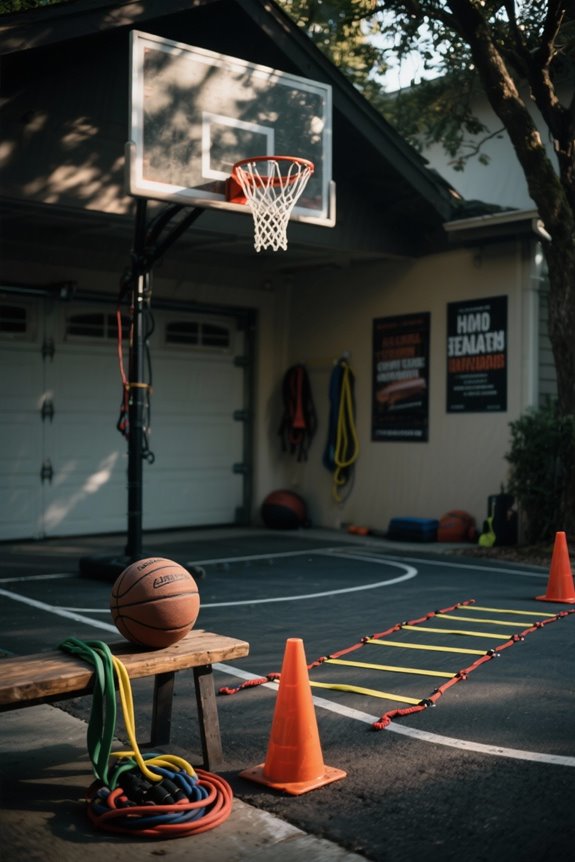
Creating a supportive learning environment is crucial for fostering student growth and engagement. Safe environments encourage students to participate actively and feel secure, reducing anxiety and promoting resilience. This can be achieved by minimizing distractions, ensuring physical safety, and establishing consistent routines. Additionally, supportive interactions between teachers and students enhance relationships, encouraging motivation and effort. Teachers who provide guidance and constructive feedback foster trust, making students feel valued. Incorporating cooperative group work further builds a sense of community. To strengthen peer support, inclusive practices that acknowledge cultural diversity are essential. When students feel they belong, they are more likely to engage fully, setting the stage for meaningful learning experiences and academic success. Moreover, ensuring physical safety through protective gear can help mitigate risks during physical activities, enhancing overall student confidence.
Recommended Products

Exceptional Purity for Precision Applications: Our Isopropyl Alcohol 99% offers unparalleled purity, ideal for scientific, technical, and industrial tasks that require a solvent of the highest grade, ensuring accuracy and effectiveness in each application.
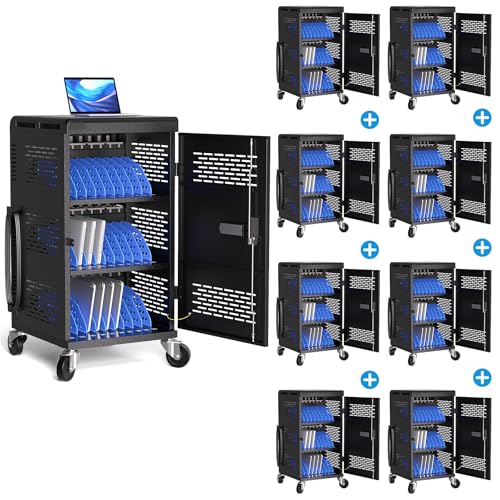
8-PACK OF CARTS: This bundle includes eight (8) individual charging carts.

Self-Propelled Drive: Powered traction drive system moves the machine forward automatically, reducing operator strain during long cleaning shifts. Operators guide instead of push, making it ideal for warehouses, supermarkets, distribution centers, and mid-to-large commercial facilities between 10,000–40,000 ft²
Foster Physical Health and Wellbeing

A supportive learning environment lays the groundwork for holistic development, which includes fostering physical health and well-being. Encouraging active play is essential, especially in children aged 3 to 5, who should engage in various activities throughout the day. Family activities such as bike rides and walks can cultivate healthy routines. Children aged 6 to 17 need at least 60 minutes of moderate to vigorous physical activity daily, integrating outdoor exploration as a natural component of their lives. Replacing screen time with movement-oriented play nurtures active habits. Additionally, making accessible community resources—like parks and playgrounds—promotes informal play. Parents should model active lifestyles, participating in joint activities to enhance connections while instilling the importance of staying active for overall well-being. Furthermore, encouraging participation in team sports can develop teamwork skills and boost children’s confidence, contributing to their overall physical and social development.
Recommended Products

Dimension & Weight Limit: Galactic Xtreme's professional 13x23 rectangle outdoor trampoline with 9.5 ft frame height and a 750-pound weight capacity is perfect for gymnastics and family playtime


Large Spiral Slide for Kids & Boys – Transform your backyard or playground with this large outdoor playset slide. Perfect for treehouses, decks, and playhouse, this twisty slide delivers endless fun while ensuring a smooth and fast ride.
Encourage Autonomy and Problem-Solving

Encouraging autonomy in children is essential for their development of problem-solving skills and self-confidence. When parents support autonomy development, they foster an environment where children can explore their choices and address challenges independently. Research indicates that autonomy-supportive parenting greatly enhances children’s ability to engage in self-initiated activities, which directly boosts their problem-solving skills. In addition, positive guidance from fathers especially plays a critical role, leading to fewer behavioral issues and improved academic performance in adolescents. Children who have opportunities for decision-making and reflective reasoning show early signs of autonomy, laying the groundwork for effective problem-solving later in life. Ultimately, nurturing autonomy helps build resilience and a foundation for healthy emotional growth. Incorporating baseball training aids can also provide children with opportunities to practice independently, enhancing their skills and confidence.
Recommended Products

SCREEN-FREE INDEPENDENT PLAY – ComfyBumpy sensory wall, Montessori busy board is designed to support curiosity through calm, purposeful, open-ended play. Three detachable wooden panels encourage autonomy, focus, and open-ended exploration at home or daycare. For kids ages 3 years and above.

A fun card activity that promotes social & communication skills

Lightweight, Classic fit, Double-needle sleeve and bottom hem
Utilize Behavioral Strategies for Focus

Developing a child’s ability to focus can considerably enhance their learning and productivity. Focus enhancement can be achieved through clear definitions and examples that highlight attentive behaviors. Engaging children in low-pressure activities, like memory games or Simon Says, cultivates enjoyable attention techniques. Breaking tasks into manageable segments helps prevent cognitive overload and frustration. Incorporating sensory tools, such as fidget devices, can provide essential stimulation for improved concentration. Consistent positive reinforcement encourages focused efforts, while structured routines reduce distractions during tasks. Setting clear behavior goals also offers children a sense of achievement. By modeling these strategies, caregivers create an environment where children feel supported in cultivating their attention and enhancing their overall focus abilities. Additionally, incorporating adjustable heights in physical activities, like baseball batting practice, can promote a sense of accomplishment and motivation.
Recommended Products

2880 Piece Bulk Packs – Ultimate Value: This set provides 2,880 sensory Fidget Zipper Bracelet toys. Perfect for bulk buyers such as schools, nonprofits, and event organizers looking for cost-effective rewards or giveaways.

2880 Pieces Zipper Fidget Bracelets – Bulk Case of 20 Sets: Each case includes 20 bags of 144 bi-color fidget zipper bracelets, making it an ideal choice for businesses, schools, and organizations needing cost-effective sensory toys in large quantities.

1/3-inch magnetic cubes - at 8 mm size each block signifies an 8-bit pixel. Like 8-bit image, where each pixel occupies a byte, every cube echoes a single pixel. Build and display your 8-bit desk art.
Provide Opportunities for Intellectual Growth
Opportunities for intellectual growth can greatly enrich a child’s development and learning journey. Frequent intellectual engagement fosters cognitive skills and strengthens the education-cognition relationship. Simple activities like reading, solving crossword puzzles, or balancing a checkbook enhance cognitive abilities more effectively when practiced regularly. Encouraging hands-on tasks that align with their developmental stage allows children aged 6-12 to tackle concrete thinking tasks. For teens, introducing cognitive challenges such as problem-solving exercises or debates promotes abstract reasoning. Additionally, providing enriched environments early on nurtures foundational brain development, making it essential for long-term intellectual potential. By incorporating a variety of intellectual activities, parents can markedly boost their child’s cognitive engagement and growth, creating a pathway to success. Involving training equipment for skill development can also provide structured learning opportunities that enhance a child’s abilities in various contexts.
Promote Emotional Support and Resilience
Emotional support is crucial for helping children build resilience throughout their development. Children who maintain strong emotional connections with caregivers are better equipped to face adversity. Active parental involvement creates a sturdy emotional support system, boosting kids’ confidence. In addition, programs focusing on social-emotional learning enhance resilience building, as they cultivate essential skills such as self-awareness and adaptability. Families that employ effective problem-solving skills encourage children to tackle obstacles positively. Also, exposure to positive environments contributes notably to children’s mental well-being. This combination enables children to develop a strong foundation for overcoming challenges. By fostering these elements of emotional support, parents can empower their children to navigate life’s ups and downs with resilience and grace. Moreover, engaging in safe practice sessions can help children build confidence in their abilities.
Integrate Learning Into Everyday Experiences
Integrating learning into everyday experiences offers countless advantages for children. Everyday routines such as mealtime and bathtime serve as excellent learning opportunities. Engaging in these activities helps children develop skills through practice and enjoyment. For instance, cooking can teach measurement concepts, while grocery shopping can reinforce budgeting skills. Family outings, like walks or picnics, expose children to diverse contexts, enhancing their social and cognitive development. In addition, unstructured play at home is vital; studies show that increased play correlates with better self-regulation, a key school readiness skill. By embedding learning into everyday activities, caregivers can spark children’s interests, making education an integral part of fun, daily life. This seamless approach builds confidence and promotes mastery in various skills. Furthermore, incorporating premium materials into play activities can teach children about quality and durability in products.
Recommended Products

Includes 9 minifigures: The ship's captain, his daughter, a pirate captain prisoner with shackles, the ship's cook, a lieutenant, and 4 soldiers; amazingly detailed and realistic ship features 3 removable sections

SUCCESSFUL CLASSROOM OR HOME LEARNING: Use PlayPanels in different sizes and colors to create interesting flex-spaces for small group activities. PlayPanels are lightweight and easy to move to make classroom redesigns easy.

SUCCESSFUL CLASSROOM OR HOME LEARNING: Use PlayPanels in different sizes and colors to create interesting flex-spaces for small group activities. PlayPanels are lightweight and easy to move to make classroom redesigns easy.
Balance Academics and Extracurricular Activities
Balancing academics with extracurricular activities is essential for a child’s overall development, especially during their formative school years. Effective time management is important for this balance. While participation in extracurriculars can boost academic motivation and engagement, overcommitting can lead to stress and academic decline. Selecting the right extracurriculars is significant; not all activities yield the same academic benefits and some may even hinder schoolwork. Research shows that moderate involvement is best, allowing children to thrive in both areas. Strategies such as prioritizing tasks and creating a schedule can help students manage their time effectively. This balance not only improves attendance and aspirations for higher education but also fosters important life skills like teamwork and leadership. Additionally, engaging in durable materials through sports can help children develop resilience and a strong work ethic.
Manage Screen Time and Encourage Unstructured Play
In a world where screens dominate attention, managing screen time while encouraging unstructured play is crucial for a child’s healthy development. The American Academy of Pediatrics recommends no screen time for children under 18 months, gradually introducing it for older toddlers, with a strict limit of one hour for ages 2-5. Excessive screen time—over two hours daily—has been linked to delays in communication and problem-solving skills. In contrast, unstructured play fosters creativity, social skills, and emotional regulation. Engaging activities, such as outdoor games or arts and crafts, create opportunities for critical interactions and reduce reliance on screens. Quality baseball base sets can also provide a fun and engaging way for children to develop physical skills and teamwork. Balancing digital exposure promotes healthy development, ensuring children thrive both academically and socially while building fundamental life skills.
Engage in Open Communication and Collaboration
Managing screen time and encouraging unstructured play sets the stage for children to thrive in various aspects of their lives, including sports. Open communication and collaboration between parents and children are essential for effective goal alignment. Children desire clarity about sport objectives, such as improvement and enjoyment. Parents can reduce conflicts by practicing active listening and customizing their support based on each child’s input. Encouraging children to voice their experiences fosters trust and makes them feel valued. This dialogue about challenges and achievements nurtures self-awareness and coping skills. Positive feedback focusing on effort rather than winning boosts motivation. Well-structured conversations about sports help parents understand their child’s emotional state, enhancing both commitment and enjoyment in their athletic pursuits.
Frequently Asked Questions
How Can I Identify My Child’s Unique Learning Style?
To identify a child’s unique learning style, observe their learning preferences during unstructured play, employ various educational techniques, and monitor responses to tasks. This approach fosters engagement and provides insight into their preferred learning modalities.
What Activities Promote Both Physical Fitness and Cognitive Growth?
Hitting two birds with one stone, outdoor adventures and creative play foster both physical fitness and cognitive growth. Activities like hiking, obstacle courses, and imaginative games promote coordination, attention, and problem-solving, enriching children’s overall development.
How Do I Encourage My Child to Set Personal Goals?
To encourage personal goal setting, parents can implement effective goal setting strategies, helping children establish specific objectives while promoting personal accountability. This fosters a sense of belonging as children navigate their aspirations with supportive guidance.
How Can I Motivate My Child Without Applying Pressure?
To motivate a child without pressure, parents can utilize positive reinforcement and encourage creative exploration. Focusing on effort, celebrating achievements, and fostering a supportive environment nurtures intrinsic motivation, allowing the child to thrive and belong.
What Signs Indicate My Child Needs a Break From Learning?
Signs indicating a child needs a break from learning include noticeable burnout signs such as increased anxiety, disengagement, difficulty concentrating, changes in sleep or appetite, and social withdrawal, all pointing to significant learning fatigue and emotional strain.