As an Amazon Associate, we earn from qualifying purchases. Some links on this site are affiliate links at no extra cost to you. Our recommendations are based on thorough research and editorial judgment.

How Do I Choose Between Wood, Aluminum, And Composite Bats?

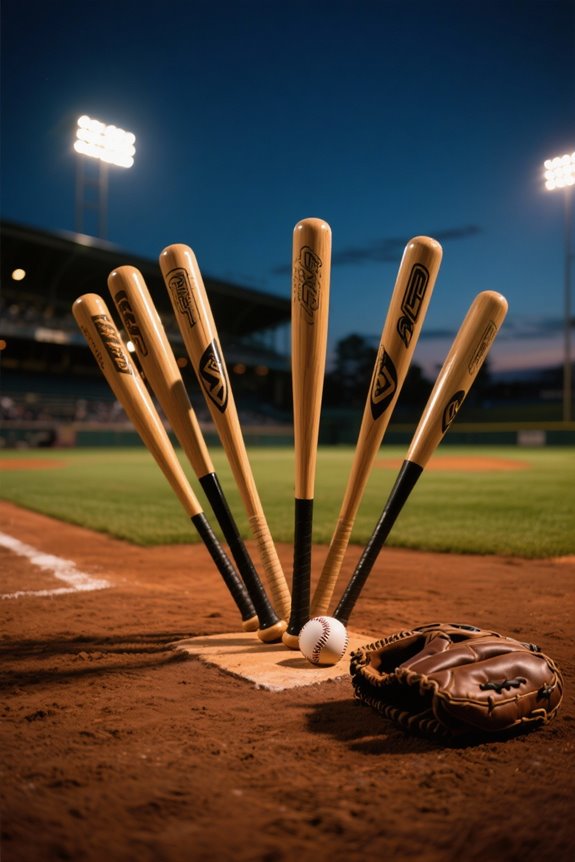
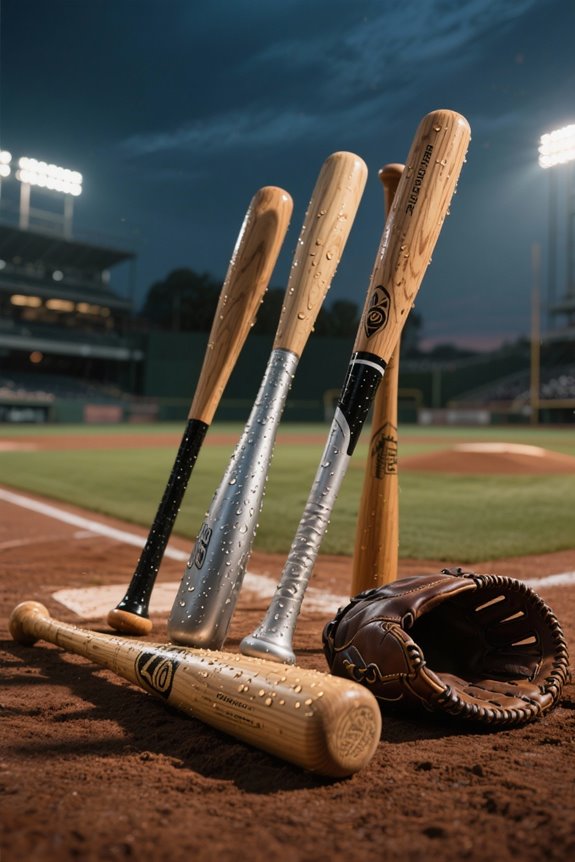
Choosing a bat involves considering material, performance, and budget. Wood bats, like maple, ash, and birch, provide raw power but have smaller sweet spots. Aluminum bats are more affordable and feature larger sweet spots, making them great for youth players. Composite bats offer lightweight designs and improved vibration dampening but can be pricier. Assess durability and league regulations too, as some leagues require specific bat types. There’s much more to learn about finding the right fit for your game.
Key Takeaways
- Consider Player Level: Youth players benefit from aluminum bats for their affordability and larger sweet spots, while professionals must use solid wood bats.
- Evaluate Material Characteristics: Wood bats offer durability and power; aluminum provides lightweight ease; composite combines extended sweet spots with reduced vibrations.
- Analyze Performance Needs: Choose wood for precision hitting, aluminum for consistency in contact, and composite for maximum performance with minimized vibrations.
- Factor in Costs: Wood bats often start above $200, aluminum is budget-friendly under $100, and composites can exceed $300 due to advanced technology.
- Check League Regulations: Ensure compliance with league requirements for bat types, especially for youth players and safety considerations regarding bat performance.
Understanding Bat Materials and Their Characteristics
You may be interested


When selecting the right bat, understanding the materials and their unique characteristics is essential. Wood bats, made from ash, maple, or birch, vary in bat weight and durability. Maple is denser, perfect for power hitters but heavier. Ash is lighter, providing more “whip” but risks denting. Birch offers a balanced option with moderate density. Conversely, aluminum bats, crafted from lightweight alloys, feature larger sweet spots for enhanced swing speed. Their one-piece construction promotes easier hitting, making them ideal for youth players. Finally, composite bats use layered materials, balancing lightweight design with an extended sweet spot while dampening vibration. Each material’s choice impacts comfort, performance, and player confidence on the field, inviting all to feel included in the sport’s traditions. Additionally, it’s important to consider the type of wood used in bats, as it significantly influences durability and performance.
Recommended Products

DeMarini D110 Pro Maple Wood Composite Baseball Bat - 33"
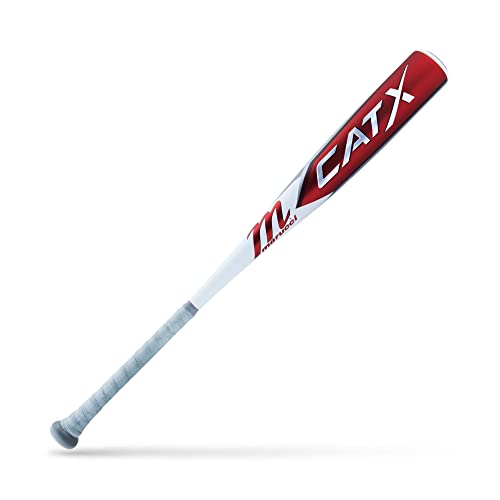
New BARREL profiles more evenly distribute the mass of the ring-free, multi-variable wall design across the entire barrel for a WIDER, more consistent SWEET SPOT.

Evaluating Performance Attributes

Evaluating the performance attributes of bats is essential for both amateur and seasoned players. Wood bats provide a maximum ball exit speed of 57-58 MPH, outperforming aluminum’s 51-53 MPH. They deliver a 3-4% superior exit velocity at 40 MPH pitch speeds, but feature smaller sweet spots, demanding precise contact. Aluminum and composite bats have larger sweet spots, enhancing hitting consistency. Composites offer reduced vibration impact, with two-piece designs minimizing sting during mis-hits. In contrast, wood bats may generate significant hand shock. Weighing more, wood bats lend raw power but may sacrifice swing speed. Ultimately, the choice between wood, aluminum, and composite hinges on balancing power, comfort, and performance attributes to align with individual playing styles. The barrel size of a bat also plays a crucial role in determining performance, as larger barrels provide a bigger sweet spot for improved contact.
Recommended Products

ICON GLOWSTICK | Featuring a bright-yellow highlighter design inspired by the legendary 2017 Quatro Pro, this special batch of Icon bats will be the most sought-after bat of the spring.

BARREL: MASH Composite with an optimized dual-wall design to immediately and continually maximize performance.

Louisville Slugger 2025 Select PWR (-8) USA Baseball Bat - 31"/23 oz
Assessing Durability and Maintenance Needs

How can players guarantee their bats last through the rigors of regular use? Understanding the durability and maintenance needs is essential. Maple wood bats, known for exceptional durability, can offer bat longevity, while birch and ash variants provide differing resilience levels. Aluminum bats boast excellent lightweight durability, resisting dents and bending. They favor less maintenance, making them practical for recreational players. Composite bats, crafted from advanced layered materials, provide superior durability but require a break-in period. Regular inspection for cracks and carefully stored conditions can prolong all types’ performance life. Prioritizing material resilience will enhance a player’s experience, ensuring each bat withstands the demands of play without frequent replacements. As experience grows, so will the appreciation for choosing the right bat. Additionally, high-quality wood like maple or ash is essential for maximizing durability and performance.
Recommended Products

TCT BARREL | High-performing composite barrel combines a maximized sweet spot and explosive performance.

2023 Louisville Slugger Meta (-12) USA Baseball Bat - 28"/16 oz

Louisville Slugger 2025 Meta (-10) USA Baseball Bat - 28"/18 oz
Considering Cost and Affordability

Smart players frequently weigh cost and affordability when selecting a bat, knowing that the right choice can impact their game and wallet. Regarding cost comparisons, wood bats typically start above $200 due to quality materials, while aluminum bats are more budget-friendly, often under $100. Composite bats, with performance technology, can exceed $300. Though higher initial costs for composites or hybrids might deter some players, their durability and performance benefits could justify the expense. For younger players, aluminum bats provide an economical option. Parents should consider player budgets and developmental stages to guarantee both affordability and performance are balanced. Ultimately, the right bat reflects not just personal taste, but also a smart financial decision. Additionally, players should assess glove material quality, as it significantly influences both performance and longevity in the sport.
Recommended Products

Louisville Slugger 2026 Meta (-10) USA Baseball Bat - 28"/18 oz
Louisville Slugger 2025 Meta (-10) USA Baseball Bat - 30"/20 oz

DeMarini 2026 The Goods (-3) BBCOR Baseball Bat - 33"/30 oz
Navigating League Regulations and Safety Concerns

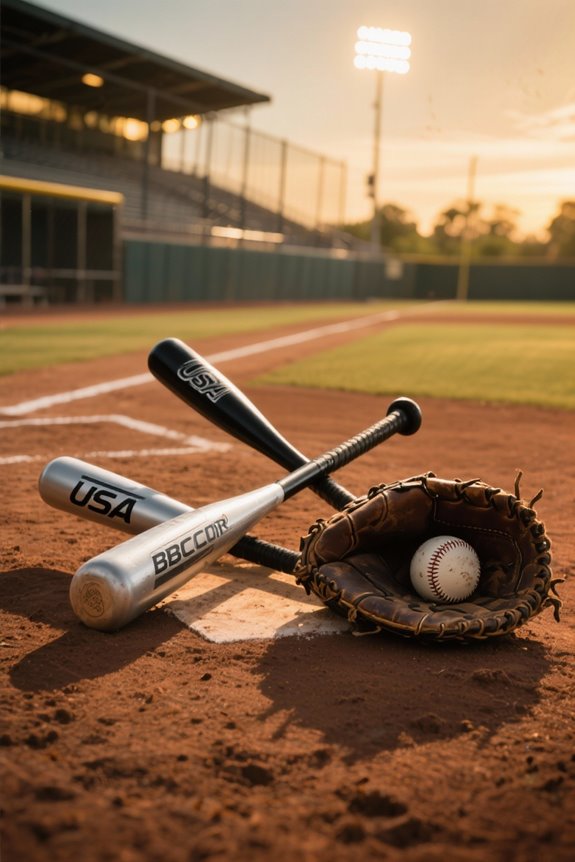
What are the essential factors to contemplate when steering through league regulations and safety concerns in bat selection? Players must first adhere to their league requirements, which dictate acceptable bat materials. For instance, professional baseball mandates only solid wood bats, while amateur leagues allow wood, aluminum, and composite options under strict performance guidelines. Youth leagues now require USABat-certified bats for metal and composite types, limiting their BPF to 1.15 for safety implications. The choice of bat influences not just performance but also the safety of players, especially pitchers. Wood bats have smaller sweet spots, lowering ball speeds, whereas aluminum and composite bats can produce higher velocities, increasing injury risks. Understanding these regulations helps guarantee a safer playing experience. Additionally, evaluating material choices based on specific weather conditions enhances bat performance and safety.
Recommended Products
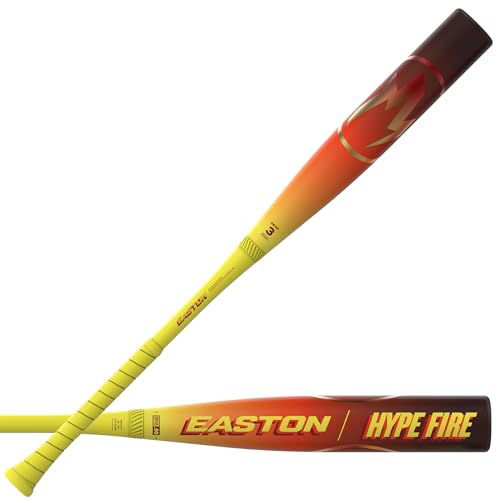
FIRST-EVER HYPE FIRE BBCOR | The hottest bat in USSSA and USA Baseball now comes to BBCOR, delivering the Hype Fire feel elite players have been waiting for.

LOWEST BARREL COMPRESSION | Features Easton’s Double Barrel technology for maximum barrel flex and elite performance across the entire sweet spot
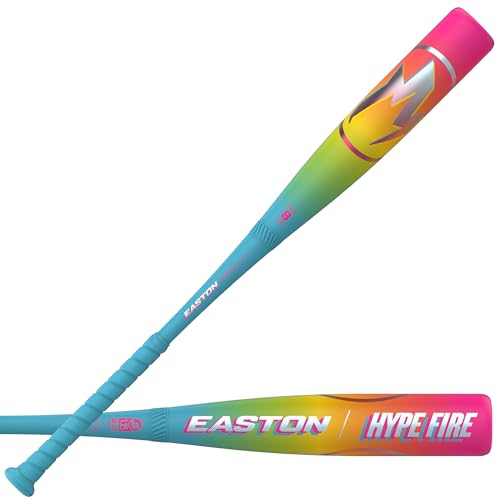
NEXT-GEN HYPE FIRE PERFORMANCE | The most popular USSSA bat is back with refined barrel engineering for even more consistent performance across the zone.
Frequently Asked Questions
What Bat Size and Weight Should I Choose for My Age and Skill Level?
Bat length and weight should align with age and skill assessment, ensuring ideal performance. Youngsters often benefit from lighter, shorter bats, while advanced players prefer heavier models for enhanced power, promoting progress and belonging within the sport.
How Do I Break in a New Composite Bat Effectively?
To effectively break in a new composite bat, one should follow a gradual swing progression, incorporating 150 to 400 swings while prioritizing composite care and rotating the bat to enhance performance and longevity.
Can I Return or Exchange My Bat if It Breaks?
Returning or exchanging a broken bat depends on warranty options and the manufacturer’s replacement policy. Typically, proof of purchase is required, and it’s essential to follow specific return procedures to guarantee eligibility for replacement.
How Do Weather Conditions Affect Bat Performance?
Weather’s fickle hand casts shadows on bat performance; cold dims power while warmth ignites it. Fluctuating conditions influence play, emphasizing the importance of understanding weather effects to enhance each swing in the game.
What Is the Lifespan of Different Types of Bats?
Bat durability comparisons reveal that aluminum boasts resilience, while composite offers lasting performance post-break-in. Wood bats, however, are less durable. Each material has its advantages, influencing choices based on longevity and personal playing style preferences.