As an Amazon Associate, we earn from qualifying purchases. Some links on this site are affiliate links at no extra cost to you. Our recommendations are based on thorough research and editorial judgment.


How Do I Improve My Bat Speed Through Mechanics?

To improve bat speed through mechanics, focus on lead arm alignment and hip rotation. Keep the lead arm straight across the chest for better swing efficiency. Engage your core for stability, allowing hips to initiate the swing. Consistent timing enhances energy transfer; rhythm drills can help. Incorporating weighted bat training can boost speed by 12-20% in six weeks. Strength and conditioning exercises like squats increase explosive power. Discover more techniques to elevate your batting performance.
Key Takeaways
- Ensure proper lead arm alignment to maximize bat speed and achieve a smooth transition from load to swing.
- Engage your core to stabilize your spine, reducing energy leakage and promoting efficient energy transfer during swings.
- Focus on hip rotation by timing hips to lead the shoulders, maximizing rotational velocity and bat head acceleration.
- Practice rhythm drills to develop consistent swing tempo, enhancing pitch anticipation and swing initiation for better bat path control.
- Incorporate video analysis and feedback tools to identify and correct swing mechanics for sustained improvement.
Understanding Lead Arm Mechanics
You may be interested



The mechanics of the lead arm are key to maximizing bat speed and improving swing efficiency. Proper lead arm alignment allows the bat to align effectively during the swing, preventing mishits and offering consistent performance. Leveraging techniques plays a crucial role, as the lead arm acts as a lever that can enhance bat speed. A longer lead arm acts against physics to increase speed, while misalignment can diminish performance. Coaches often stress adjusting this alignment to achieve ideal swing mechanics. Techniques such as straightening the lead arm across the chest support smooth shifts from load to swing. Incorporating tools like baseball swing trainers can further assist in mastering these mechanics. Focusing on these aspects can lead to more effective and powerful swings, fostering a sense of belonging within the broader baseball community.
The Role of Core and Hip Rotation
Achieving ideal bat speed requires harnessing the power of core and hip rotation during the swing. Core engagement is essential as it stabilizes the spine, creating an effective axis for rotation. A strong core allows energy transfer from the lower body to the upper body seamlessly, reducing energy leakage. This enhances bat speed, especially through exercises like planks and torso twists. Hip torque initiates the swing, generating the force needed to propel the bat forward. Proper timing, where the hips lead the shoulders, maximizes rotational velocity, maximizing bat head acceleration. When the core and hips work together efficiently, it transforms a player’s swing mechanics into a more powerful, balanced motion, ensuring improved performance on the field. Incorporating tools like Axe Speed Trainers can further enhance bat speed through specialized resistance training techniques.
Importance of Timing and Rhythm Consistency
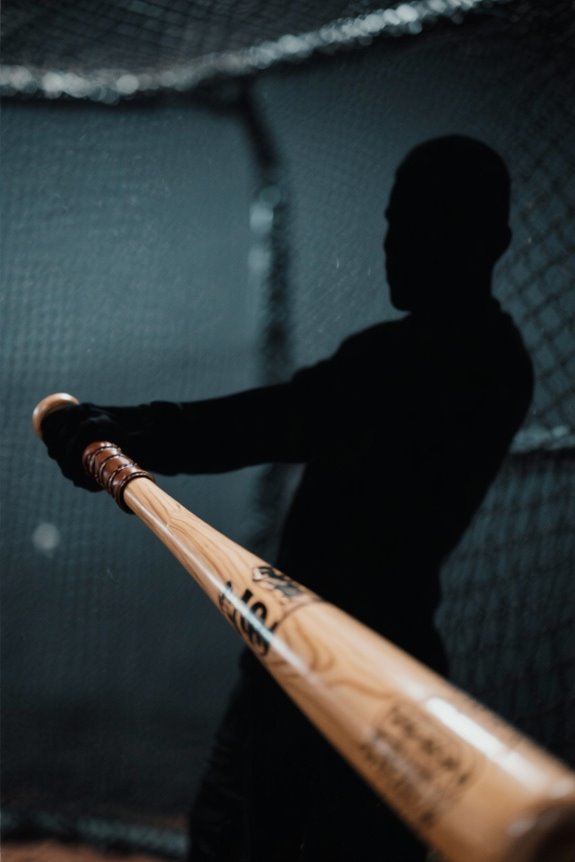
Timing and rhythm consistency are crucial elements in achieving ideal bat speed. A reliable timing strategy allows hitters to activate body segments—hips, trunk, and arms—in a precise sequence, optimizing energy transfer. This guarantees maximum elastic energy is stored and released effectively. Disruptions in timing can lead to slower bat speed and decreased impact force. Rhythm drills play an important role in developing a consistent swing tempo, enhancing muscle coordination for a repeatable swing quality. By practicing these drills, players can ingrain dependability into their rhythm, aiding pitch anticipation and swing initiation. Consequently, players experience improved control over their bat path and speed, leading to more reliable contact and increased batted ball velocity. Consistency is key to success. Additionally, utilizing premium materials in batting gloves can enhance grip and overall performance, further contributing to improved bat speed.
Recommended Products

SOLO SWING REPETITION TRAINING: Twist-back ball and cable design returns automatically after each hit, allowing up to hundreds of swings per hour without chasing balls; ideal for backyard, pre-game, or team batting practice

INNOVATIVE DESIGN: A real golf grip, a shaft that is partially rigid and partially rope and a soft but sturdy club head create the ultimate training experience for improving rhythm, sequence, timing, balance and increasing swing speed!

Baseball & Softball Swing Trainer for Beginners to Advanced Players: FoamBat is the ideal baseball training equipment to help kids, youth, teens, and adults build swing power, speed, consistency, timing, and muscle memory during regular hitting practice at home or with a coach
Utilizing Weighted Bat Training Techniques
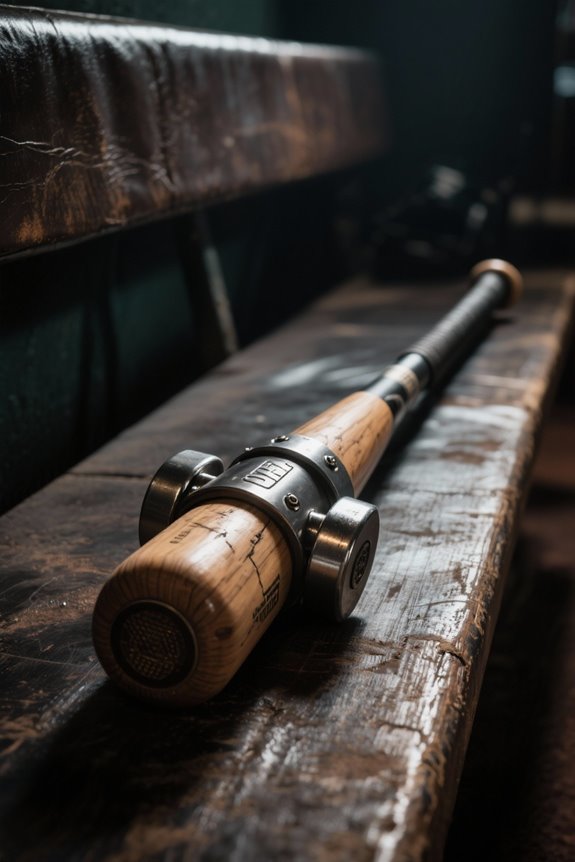
Improving bat speed can be effectively achieved through weighted bat training techniques. This method involves using bats that vary in weight to enhance strength and speed. By engaging in overload and underload training, athletes can stimulate muscle adaptation essential for bat speed. Research indicates a potential gain of 12-20% in bat speed within just six weeks. Utilizing weighted bats helps players adapt to different swing dynamics, improving overall performance. To maximize effectiveness, athletes should verify their weighted bats fall within ±12% of standard bat weights. Consistent practice, such as 160 swings weekly, combined with measurement tools like Blast Motion, tracks progress effectively. Additionally, incorporating target practice capabilities into training routines can further enhance bat speed and overall hitting skills. With dedication, athletes can experience significant improvements in their batting capabilities.
Recommended Products

IMPROVE YOUR BATTING: With this training set, you’ll gain 5+ MPH exit speed on average, increase your bat speed, power and distance, improve hitting mechanics and strengthen your swing

Swing Training: The ProVelocity Bat is a professional baseball swing trainer designed to increase bat speed and improve swing mechanics.

Heavier, Thicker, Stronger: Finally, heavier, thicker, and stronger agility cones that won't tip over or slide around. LVL10 Sports Pro practice cones are made of thick and flexible PVC vinyl that's 200% thicker than flimsy, brittle, and small plastic cones from the competition.
Perfecting Grip, Stance, and Swing Technique
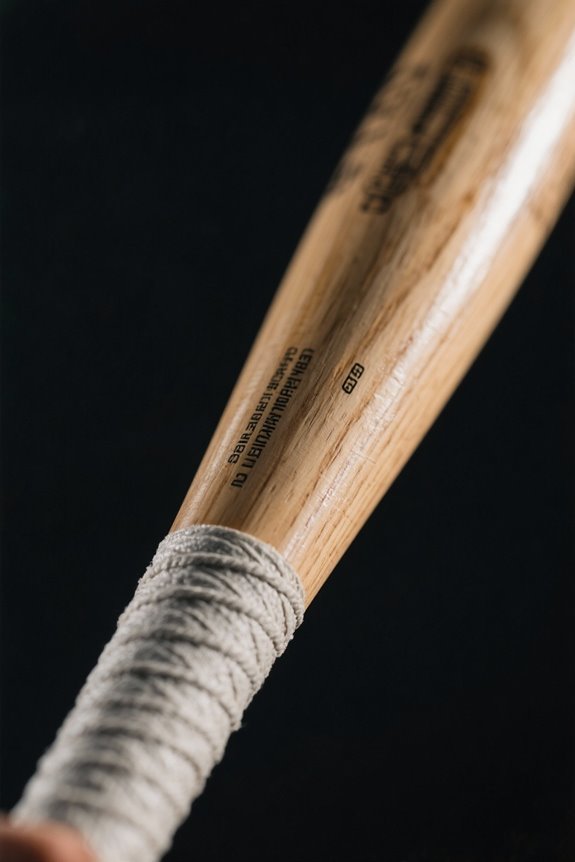
Perfecting grip, stance, and swing technique forms the foundation for enhancing bat speed in baseball and softball players. A proper grip places the hands close together, allowing for better bat control and increased wrist action. It’s essential to relax grip pressure to prevent tension that can hinder acceleration. Stance alignment plays a significant role too; feet should be shoulder-width apart, with a slight bend in the knees, ensuring a balanced base for explosive movement. Keeping the front foot slightly open aids in hip rotation while maintaining a focused, athletic posture primes muscles for a quick swing. A compact load and synchronized wrist snap during the swing further enhance speed and efficiency, establishing a powerful hitting foundation. Additionally, practicing with high-quality batting tees can help reinforce these mechanics by providing a stable target for focused training.
Recommended Products
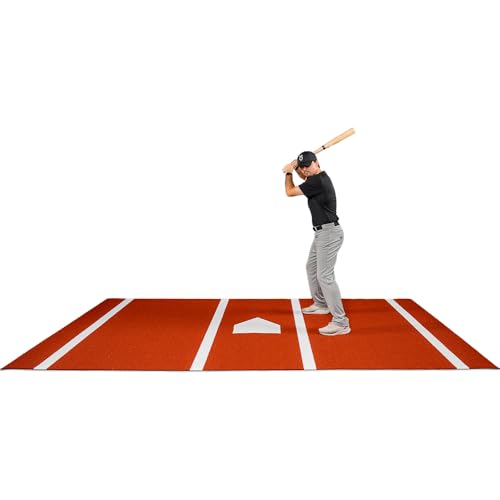
INLAID HOME PLATE & BATTER'S BOX LINES: Flush white inlaid home plate set into the turf surface won't fade or peel, plus tufted batter's box reference lines to groove a repeatable stance rep after rep.

INLAID HOME PLATE & BATTER'S BOX LINES: Flush white inlaid home plate set into the turf surface won't fade or peel, plus tufted batter's box reference lines to groove a repeatable stance rep after rep.

Designed to reinforce proper swing path
Strength and Conditioning for Bat Speed
While many factors influence bat speed, strength and conditioning serve as essential components of an athlete’s training regimen. Lower body strength is fundamental; Olympic lifts like hang power cleans and exercises such as squats enhance explosive power. Plyometric movements, including jump squats, build crucial leg strength for energy transfer during swings. Core stability is equally important, with planks and rotational exercises facilitating a powerful swing. Upper body strength, developed through wrist curls and explosive movements, guarantees bat control. Full-body conditioning, targeting lean muscle, maximizes speed and endurance. Incorporating progressive overload in training helps maintain strength gains. Together, these elements create a robust foundation, allowing players to improve their bat speed considerably. Additionally, using adjustable height trainers can simulate different pitch types, enhancing real-game adaptability. Commitment to these routines fosters athletic growth.
Recommended Products

BASEBALL AND SOFTBALL THROWING MACHINE: Our two wheel baseball and softball throwing machine offers automatic pitching, ensuring consistent and accurate throws for effective training sessions for both youth and adult players, and the 3-way swiveling head that allows for a wide range of pitching angles, making this an excellent sports training accessory for athletes and coaching staff

BASEBALL THROWING MACHINE: Our two wheel baseball throwing machine offers automatic pitching, ensuring consistent and accurate throws for effective training sessions for both youth and adult players, and the 3-way swiveling head that allows for a wide range of pitching angles, making this an excellent sports training accessory for athletes and coaching staff

【MAGNETIC RESISTANCE SYSTEM】 Experience smooth and silent rides with the advanced magnetic resistance, perfect for intense workouts without disturbing your environment.
The Rubber-Band Effect in Swing Mechanics
Harnessing the rubber-band effect is essential for enhancing swing mechanics in baseball. This technique involves creating rubber band tension between the hands and the body, capturing elastic energy vital for a powerful swing. Players should initiate the load phase by maintaining a deliberate separation between the back arm and torso, ensuring hands remain extended away from the body. This allows for maximum torque and tension. To optimize bat speed, avoid collapsing the hands inward and synchronize the lower body stride with the hand stretch. Practicing with resistance band drills helps reinforce these mechanics. By effectively employing the rubber-band effect, athletes improve timing, enhance bat speed, and increase contact consistency—key elements for excelling on the field. Additionally, utilizing batting tees can provide valuable practice for developing proper swing mechanics and improving bat speed.
Practicing With Intent and Focus
Intent and focus are essential components in the journey to improve bat speed. Engaging in focused practice, which includes short, high-intensity batting sessions, noticeably boosts neuromuscular coordination. Participants should set clear goals for each practice to enhance engagement and track progress. Incorporating mental rehearsal with physical swings solidifies efficient movement patterns, making every drill count. Real-time feedback using tools like video analysis and bat speed sensors allows immediate correction of swing flaws, preventing the establishment of bad habits. By breaking down the swing into segments, players can refine each component effectively. Prioritizing recovery between sessions guarantees that each practice remains productive, driving toward measurable speed gains in their game. This structured approach can lead to observable improvements, especially when utilizing training tools that provide feedback and support skill development.
Drills to Enhance Swing Mechanics and Speed
Improving bat speed relies heavily on specific drills designed to enhance swing mechanics. Weighted bat training using heavier and lighter bats boosts functional strength and speed, refining the swing path. Alternating between overload and underload bats in 2-3 sessions per week maximizes adaptation. Additionally, sequencing drills help create separation between lower and upper body movements, improving power transfer and maximizing the contact point. Timing drills like the Early Hover Drill enhance readiness and adjustability to various pitch speeds. Load and Explode drills, focusing on proper body positioning, build explosive strength in hips and torso. Integrating these drills establishes a solid foundation for consistent performance, making players feel connected to their goals and aspirations on the field. Furthermore, utilizing adjustable heights in batting tees can further support personalized training regimens tailored to individual player needs.
Recommended Products
IMPROVE YOUR BATTING: With this training set, you’ll gain 5+ MPH exit speed on average, increase your bat speed, power and distance, improve hitting mechanics and strengthen your swing

Small-ball pitching machine for improving depth perception and honing hitting skills. Portable and light-weight, weighs only 23 lbs.

PERSONALIZED SPEED TRAINING FOR ALL ATHLETES: Powered by DYNAMIC TRAINING ALGORITHMS developed by leading sports scientist DR. SASHO MACKENZIE, TheStack Baseball adapts to each hitter’s swing to maximize bat speed gains for players at every level.
Frequently Asked Questions
How Does Mental Visualization Impact Bat Speed and Mechanics?
Mental imagery acts as a lighthouse, guiding batters through foggy uncertainties. By employing cognitive rehearsal, hitters enhance their mechanics, boost bat speed, and build confidence, fostering a sense of belonging in the competitive domain of baseball.
What Role Does Nutrition Play in Enhancing Bat Speed?
Nutrition plays a vital role in enhancing bat speed, with ideal protein intake and nutritional timing around workouts supporting muscle recovery and energy availability, thereby fostering improved power and swing speed for athletes aiming to excel.
How Can Aging Players Maintain Bat Speed Effectively?
Aging players can maintain bat speed effectively through targeted strength training and specific aging techniques. Prioritizing core stability, rotational mechanics, and consistent practice fosters confidence, enabling them to stay competitive and engaged in their passion for the game.
How Important Is Rest and Recovery for Swing Performance?
Rest and recovery serve as a lighthouse guiding athletes through turbulent seas of fatigue. Implementing effective rest strategies and recovery techniques fosters ideal swing performance, nurturing both physical health and a collective spirit of belonging among players.
Can Flexibility Exercises Improve My Bat Speed?
Flexibility exercises, including dynamic stretching, can considerably enhance bat speed. Improved flexibility training allows for smoother swings, better muscle coordination, and greater power output, fostering a sense of community among athletes aiming for peak performance.