As an Amazon Associate, we earn from qualifying purchases. Some links on this site are affiliate links at no extra cost to you. Our recommendations are based on thorough research and editorial judgment.

How Do I Improve My Bunting Technique?

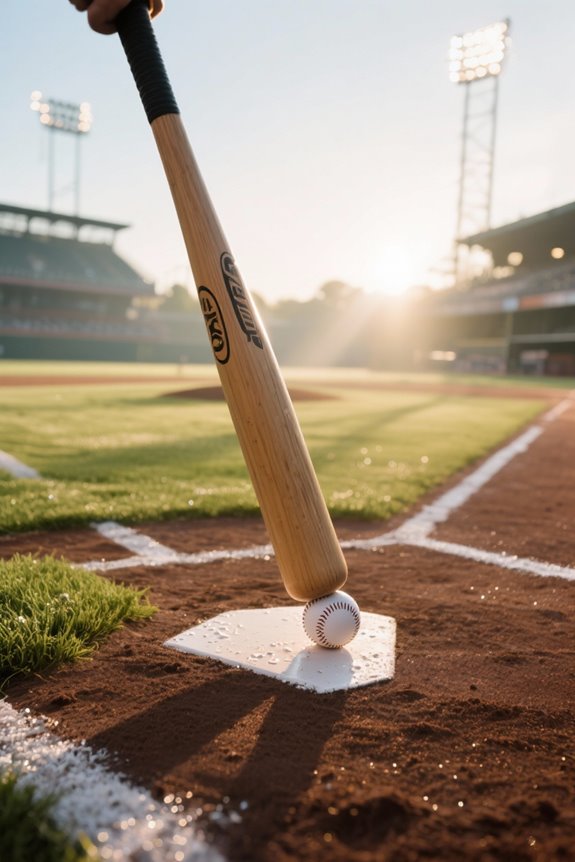
To improve bunting technique, focus on your stance and body alignment. Slide your rear foot six inches toward the plate for balance. Position your bat at a 45-degree angle. Place your top hand midway up the barrel for control. Keep your knees slightly flexed to match bat height with pitch level. To enhance precision, practice with targets along first and third base lines, and incorporate drills that simulate game situations. Discover more techniques to elevate your game!
Key Takeaways
- Adjust your stance by sliding your rear foot towards the plate for better balance and body orientation while maintaining weight on your back leg.
- Position your bat at a 45-degree angle with your top hand halfway up the barrel for enhanced control and to avoid fouling.
- Utilize subtle knee flexion to match the bat height with the pitch level, ensuring proper alignment and stability during the bunting process.
- Focus visually on the ball from the pitcher’s release, using drills to refine your eye coordination and dynamic bat angle adjustment.
- Practice with target drills along the baselines and simulate pressure scenarios to develop accuracy and decision-making for sacrifice bunts.
Proper Bunting Stance and Positioning
You may be interested

3 Best Batting Stance Mats for Perfecting Your Swing in 2026
January 12, 2026
How Can I Improve My Swing Mechanics With A Batting Tee?
January 12, 2026

How Can I Practice Pitching Without A Catcher?
January 12, 2026
The key to a successful bunt lies in proper stance and positioning. Foot placement is essential; the rear foot should slide toward the plate by about six inches. This setup allows for a balanced stance without facing the pitcher directly. The front foot pivots, helping to open the hips for improved body orientation and better control. This slight angle away from the pitcher enhances bat control, aligning hips and shoulders for targeted bunts to first or third base. Adjusting stance also aids in covering the strike zone, preventing reach for outside pitches, which can ruin bunts. With balanced weight on the back leg, players can smoothly rotate during execution, ensuring accurate contact and placement. Durability and construction of the training aids used can also play a role in developing bunting skills, as consistent practice equipment helps players refine their technique.
Recommended Products

BETTER SWING DYNAMICS. Get a better analysis of players stance, eye tracking, and swing as they watch the ball come down the line. Without the fear of getting pegged by a fastball, you can fully focus on your players technique, as you set them up for success for their in-game hits.

HITTING TRAINER: The IDB Launch Line Hitting Trainer is the perfect swing aid for baseball and softball players to practice striking the ball cleanly and optimizing launch angle as they perfect their swing

Improve timing and confidence
Bat and Hand Placement

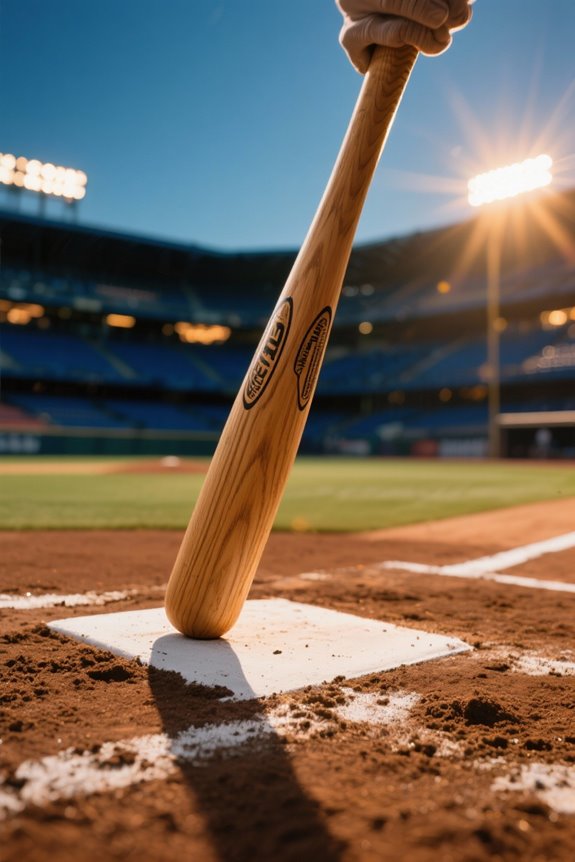
Mastering bat and hand placement substantially enhances bunting technique. The top hand should slide up the barrel to about halfway, resting comfortably between the thumb and index finger for better control. Meanwhile, the bottom hand remains near the knob for stability. Maintain a slight spacing between hands to enhance overall bat control. The grip must be firm yet relaxed to absorb the ball’s impact without popping it up. Position the bat at a 45-degree angle, ensuring the top hand is slightly higher to keep the barrel elevated. This setup reduces the risk of ineffective bunts rolling foul, while the separation of hands allows quick adjustments. With practiced placement, bunters can consistently achieve soft, controlled hits. Additionally, adjustable heights in training tools can further improve technique by allowing players to practice at various levels.
Recommended Products

TRAINING EQUIPMENT: The Tee Popper Mini gives you both the movement of a ball and the ability to train anytime you’d like without a partner. (USE MINI POPPER BALLS ONLY) Check out our Tee Popper Mini bundle on Amazon to get a 6 pack of balls included.
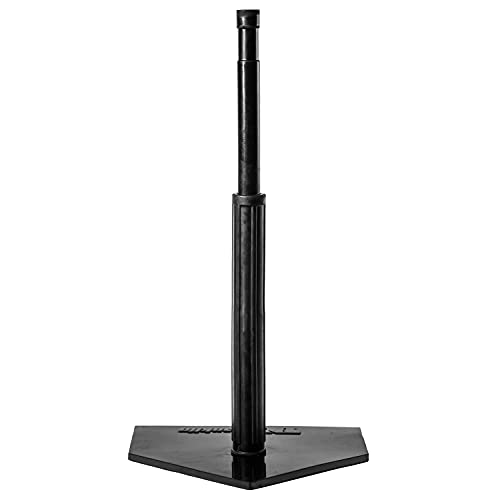
PERFECT YOUR SWING AT EVERY LEVEL: Made for beginners, youth, and adult ballplayers, the Franklin Sports Batting Tee draws on 50+ years of sports expertise. Designed with feedback from elite professionals to help players practice with purpose
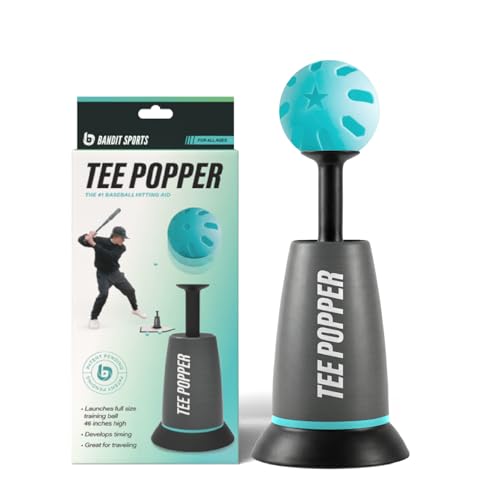
IDEAL BASEBALL TRAINING EQUIPMENT : Our new and improved Tee Popper gives you both the movement of a ball and the ability to train anytime you’d like without a partner. Great for baseball & softball batting practice at home.
Knee and Body Movement Adjustments

Adjusting knee and body movement is essential for effective bunting. Subtle knee flexion allows players to match their bat height to the pitch level while maintaining a steady bat angle. For stability, one knee can be positioned up with the other down, or both feet can be squared based on comfort. A slight bend in the back knee aids in achieving proper body alignment with the pitch. Players should move closer to the plate, pivoting their front foot to help open the hips for better plate coverage. This approach guarantees balance, keeping weight centered between feet while making quick adjustments. Such controlled movements prevent the bunt from popping up or veering off-target, securing ideal contact with the ball. Additionally, using high-quality gloves can enhance grip and control during the bunting process.
Recommended Products

Complete Package Contents: Each pack comes with total 22 individual themed paper cutout pieces plus one roll of 2-meter adjustable hanging cord. Pre-punched holes on every paper slice enable convenient threading and free spacing adjustment between flags per your decorating layout demands.
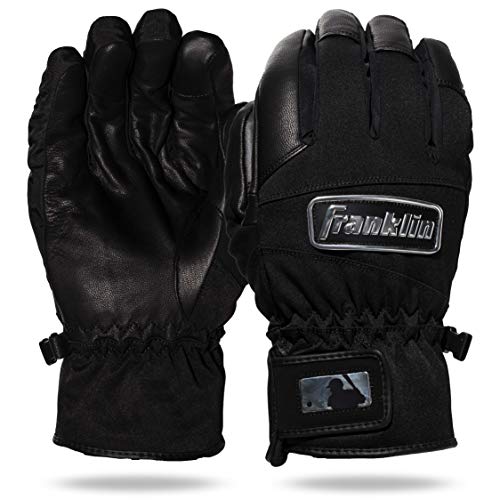
ALL WEATHER: Create with our highest quality leather to maintain softness and superior grip in all weather conditions

Focus and Visual Tracking

Frequently, players overlook the importance of focus and visual tracking when bunting, yet these skills can greatly enhance performance. Effective visual concentration allows players to follow the ball’s rotation closely from the pitcher’s release to bat contact, improving accuracy. Training with one eye covered can sharpen eye coordination, enhancing kinetic visual acuity, which is vital during bunts. Maintaining a single-point focus guarantees ideal body positioning and energy transfer. Players should track the ball’s path actively, especially as it descends through the strike zone, adjusting bat angles dynamically. Incorporating drills that encourage soft hands alongside focused tracking helps develop the eye-body coordination necessary for achieving precise placement and avoiding mishits. This approach moves players closer to that sought-after bunting mastery. Additionally, practicing dynamic movement support can further refine a player’s ability to make quick adjustments during bunting situations.
Recommended Products

Training baseball with finger placement markers for four different pitches: 4-seam fastball, 2-seam fastball, curveball and slider


Practical Helpers for Solving Gestures: our batting practice trainer is a functional accessory for overstriding, lunging to the ball, stepping out and so on when playing baseball and softball, keeping the trainer in the right gesture
Practice Techniques and Drills

Effective practice techniques and drills are essential for enhancing bunting skills. Players can improve accuracy by setting up bunting targets, such as cones or buckets, along the first and third base lines. This helps develop precision in placement. Incorporating pressure drills, where players face varying pitch speeds and types, simulates game conditions and enhances focus. Practicing with a “turtle bite” grip stabilizes control and builds comfort with bat positioning. Repetitive drills emphasizing proper bat angle and point of contact lead to better grounders. Additionally, situational drills, like sacrifice bunts, foster decision-making skills. Gradually increasing pitch speed during practice guarantees players adapt to different circumstances, ultimately refining their bunting technique for game day. Using tools like weighted bats can also enhance swing speed, contributing to more effective bunting performance.
Recommended Products

THROWING PITCHING TRAINING AIDS FOR ACCURACY - Practice Accuracy Training with Strike Zone,Giving pitchers a full strike zone, helps players visualize key areas and focus on throw pitch location,learning to move their fast ball and changeup around the baseball pitching target zone,improve striking and throwing accuracy skills.
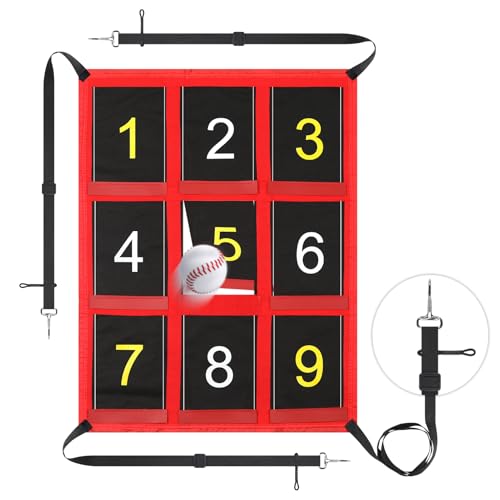
【Prominent Numerical Code】Strike zone target net has numbers, and the special alternating white and yellow numbers increase the visibility of the hitting hole, making the hitting area visible and helping to improve the accuracy of throwing and hitting, enhancing training effectiveness.

Instantly see your SHOTS BURST BRIGHT FLUORESCENT YELLOW upon impact, spend more time shooting and less time checking your target.
Strategic Considerations and Game Situations
Bunting in baseball requires not just skill but also a solid understanding of game situations to maximize effectiveness. It’s vital to assess whether to sacrifice a bunt to advance runners or try to reach base yourself. For instance, when facing tough pitchers, bunting can disrupt their rhythm. Offensive strategies like drag and push bunts are context-dependent, tailored to pitching styles and defensive setups. A drag bunt, aimed down the third baseline, can exploit a right-handed pitcher’s tendency to lean toward first base. Conversely, a push bunt targets the second base area, especially effective against left-handers. Evaluating opponent positioning is essential, ensuring each bunt decision aligns with overall game strategies to enhance the team’s chances of success. Additionally, considering the durability of baseball pants can help players remain comfortable and agile during bunting situations.
Frequently Asked Questions
What Types of Bats Are Best for Bunting?
The best bat types for bunting include lighter wood and composite options, enhancing control and precision. An ideal bat weight guarantees quick movements, allowing players to master the delicate art of placing the ball just right.
How Can I Overcome the Fear of Bunting?
To overcome bunting anxiety, consistent practice drills focusing on technical fundamentals are essential. Incorporating visualization and positive self-talk fosters confidence, while a supportive environment encourages players to embrace challenges and reduce their fear of failure.
Should I Use a Batting Glove for Bunting?
Using batting gloves can enhance grip comfort and provide protection against vibrations during bunting. However, personal preference varies; some players cherish the feel of the bat, while others appreciate the added support gloves offer.
How Do Weather Conditions Affect Bunting Performance?
Severe wind resistance can drastically alter bunting performance; for instance, during a windy game, a player may struggle to maintain control with changing field conditions, impacting their ability to successfully execute bunts and contributing to team dynamics.
What Mental Techniques Help Improve Bunting Confidence?
Mental visualization and a well-established pre-bunt routine greatly boost bunting confidence. By picturing successful outcomes and calming oneself before each attempt, individuals cultivate focus and resilience, fostering a positive environment where confidence can thrive together.