As an Amazon Associate, we earn from qualifying purchases. Some links on this site are affiliate links at no extra cost to you. Our recommendations are based on thorough research and editorial judgment.

What’s The Proper Batting Stance For Power Hitting?

A proper batting stance for power hitting requires a slightly wider stance than shoulder-width for greater stability. Feet should be square and parallel to the pitcher, while keeping a slight knee bend and balance on the balls of the feet. The lower body engages as the back knee drives forward during the swing, timing perfectly with the front foot planting. With the right positioning, batters can effectively channel energy into their swing. Discover more techniques to enhance your hitting skills.
Key Takeaways
- Adopt a stance slightly wider than shoulder-width to create a stable base for balance and power during your swing.
- Engage your lower body by driving the back knee forward as the front foot plants for optimal momentum.
- Maintain 60% weight on the back leg at load, shifting to 60-70% on the front leg at contact for effective energy transfer.
- Keep feet square and parallel to the pitcher, ensuring proper alignment and balance throughout the swing.
- Focus on a slight knee bend and balance on the balls of your feet to enhance overall mobility and stability.
Understanding Stance Width for Stability
You may be interested


To achieve a powerful and stable batting stance, players should focus on their stance width. A stance slightly wider than shoulder-width generally offers a stable base for power hitting. This approach minimizes vertical and horizontal sway, helping maintain balance during the swing. Players can benefit greatly from creating proper stance adjustments, allowing for effective weight transfer from the back to the front foot. However, too wide of a stance may lead to mobility issues and timing errors. It’s crucial to verify weight is distributed evenly, staying balanced on the balls of the feet with a slight knee bend. By mastering these balance techniques, hitters can enhance their swing mechanics and improve overall performance at the plate. Additionally, incorporating a baseball swing trainer can help refine swing dynamics and improve overall hitting technique.
Engaging the Lower Body for Power

A stable batting stance is only the beginning of a successful swing; engaging the lower body properly amplifies power at the plate. The back knee plays an essential role as it drives forward during the swing, generating linear momentum through the lower body. This forward motion separates the upper and lower body, enhancing bat speed. Timing is critical; the back knee should initiate the movement right as the front foot plants, ensuring a smooth shift from linear to rotational energy. Additionally, proper hip rotation hinges on stabilizing the front foot. By firmly planting the heel, hitters create a base that channels energy from the lower body into the swing, maximizing power and contact efficiency. Training tools like weighted training balls can also support muscle memory and strength development for improved performance.
Recommended Products

The NEW JUGS MVP Combo Pitching Machine is designed specifically for pitching-machine leagues and comes with a new higher speed range—up to 60 mph!

#18 Twisted Knotted Nylon

NEW DIGITAL READOUT DISPLAY, consistently throw perfect strikes up to 50 mph Throws both regulation size and weight baseballs and softballs
Optimal Hand and Arm Positioning

Effective hand and arm positioning is essential for achieving a powerful swing in baseball. The top hand should be palm-up, forming a ‘V’ shape with the back arm, positioned around 12 to 1 o’clock. This alignment aids in generating maximum bat speed and power. The bottom hand, palm-down and forming an ‘L’ shape, guides the swing and provides drive. Both hands must maintain a firm but flexible grip; over-gripping can hinder wrist action, key for bat whip. Keeping hands close on the handle fosters coordinated movement. Ideal grip pressure, combined with synchronized hand release during the swing, enhances energy transfer. This precise approach to hand alignment and positioning is essential for any power hitter aiming to dominate at the plate. Additionally, players may benefit from using high-quality baseball batting gloves that enhance grip and comfort during their swings.
Recommended Products

Combines ultra-premium Heart of the HideAA steerhide leather with advanced manufacturing techniques

Wilson 2024 A2K SC1786SS 11.5” Infield Baseball Glove - Right Hand Throw

Wilson 2024 Baseball Classics Series A2000 B2 12” Pitcher’s Baseball Glove - Right Hand Throw, Black/Yellow
Maintaining Proper Body Posture
Proper body posture serves as the foundation for a powerful swing in baseball. A slightly crouched stance, with knees bent, engages the lower body, vital for generating power. Feet should be positioned just wider than shoulder-width, promoting body balance and stability. Shoulders should align at a natural angle rather than level, allowing for an efficient bat path. This alignment enhances power transfer during the swing. Additionally, a square stance with feet parallel to the pitcher supports a balanced setup. Maintaining a level head guarantees better eye tracking, essential for pitch timing. To conclude, effective body posture includes proper shoulder alignment and a stable foundation, setting the stage for maximum hitting potential and encouraging players to feel confident in their stance. Understanding the importance of adjustable wrist closures can also enhance overall performance and comfort during play.
Foot Placement and Its Impact on Swing

Foot placement plays an essential role in a hitter’s swing mechanics and overall power generation. The ideal foot spacing is about shoulder-width or slightly wider, providing a stable base that allows the utilization of larger leg muscles for enhanced power. A proper front foot placement aligns the feet parallel to the pitcher in a square stance, facilitating a balanced attack. While an open stance can improve vision for inside pitches, a closed stance aids in covering outside pitches but may limit sightlines. Careful attention to foot positioning can optimize balance and power generation. Ultimately, customization is key, as each player may find different foot placements that enhance their unique swing style. Additionally, adjustable height options in batting tees can help players practice and refine their stance effectively.
Recommended Products

Meet the Smartest Batting Tee on the Field - The Attack Tee is the only swing trainer that actually adjusts to every pitch location. Now you can hit away baseball swing trainer with AI-powered feedback, your hitter gets instant insight, real reps, and no more guessing. It’s like having a hitting coach built into your batting trainer

Mounted on an official rubber home plate for in-game use in tee-ball
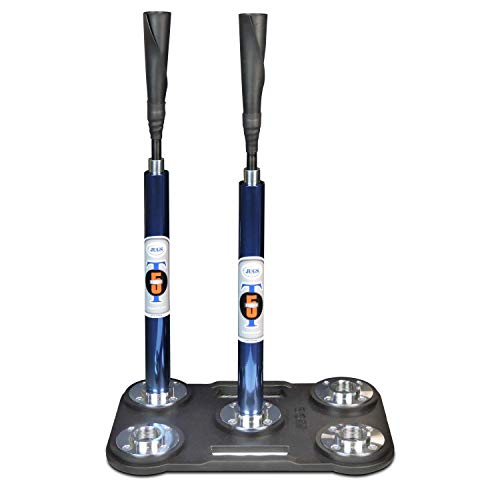
The large 17" x 11", 1/4"-thick steel base adds stability and won't tip over.
Weight Distribution and Transfer Mechanics
Weight distribution and transfer mechanics form the backbone of an effective power swing in baseball. To start, about 60% of weight should rest on the back leg during the load phase, preventing an overwhelming shift towards the heel. This balanced posture hinges on a flexed back knee, storing potential energy for the drive forward. As the swing progresses, weight needs to shift fluidly to the front leg, maintaining around 60-70% at contact. Timing is essential; initiating the forward motion with the back hip enhances torque and power. Additionally, the front foot can land slightly open, easing hip rotation and maximizing energy transfer. Overall, effective weight distribution and transfer mechanics create not just balance, but formidable power at impact. Incorporating adjustable height trainers into practice can further refine these mechanics by allowing players to simulate different pitch types and angles.
Recommended Products

BASEBALL AND SOFTBALL THROWING MACHINE: Our two wheel baseball and softball throwing machine offers automatic pitching, ensuring consistent and accurate throws for effective training sessions for both youth and adult players, and the 3-way swiveling head that allows for a wide range of pitching angles, making this an excellent sports training accessory for athletes and coaching staff

BASEBALL THROWING MACHINE: Our two wheel baseball throwing machine offers automatic pitching, ensuring consistent and accurate throws for effective training sessions for both youth and adult players, and the 3-way swiveling head that allows for a wide range of pitching angles, making this an excellent sports training accessory for athletes and coaching staff
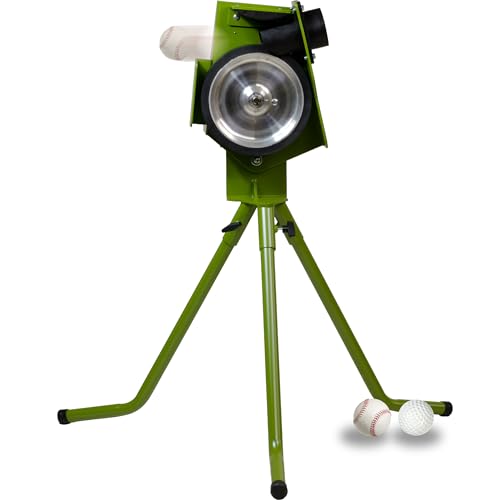
BASEBALL AND SOFTBALL THROWING MACHINE: Our single wheel baseball and softball pitching machine offers automatic pitching, ensuring consistent and accurate throws for effective training sessions for both youth and adult players, and features 2 chutes to alternate between baseballs and softballs, making this an excellent sports training accessory for athletes and coaching staff
The Role of Hip Rotation in Power Hitting
Hip rotation serves as a cornerstone in the mechanics of power hitting, acting as the engine that drives bat speed and energy transfer. This essential movement relies on hip torque dynamics, where the weight shifts from the back leg to the front hip, releasing explosive energy. Strong hip rotation activates powerful lower body muscles, enhancing overall swing mechanics. When properly executed, it creates a seamless kinetic chain, ensuring the transfer of energy from legs to hands. Delaying hip rotation until the stride foot plants maximizes bat speed. Adjusting hip rotation based on pitch location improves contact quality and power. By mastering this skill, hitters can experience amplified control and sustained performance throughout their swings, reinforcing their connection to the game. Additionally, incorporating techniques from batting tees can further refine practice and technique for players looking to improve their power hitting.
Recommended Products
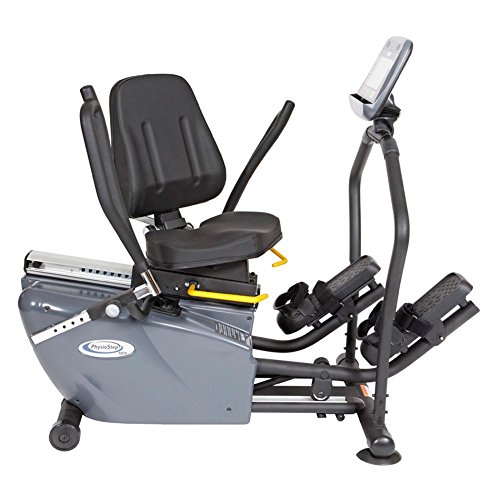
Gives you an easy and effective low-impact total body cardio workout and combines a Stable and stress free recumbent sitting position, with the smooth and natural feeling of an elliptical

ALL ACCESS MEMBERSHIP: Experience the full potential of your StrongGo Rower with Aviron’s all-access membership (sold separately). Unlock a diverse library of 1,000+ addictive games and programs to end boring workouts.

Large 22 Inch Rotating HD Screen: Enjoy immersive rowing sessions and off-equipment workouts like yoga or strength training on a bigger screen with crisp resolution and upgraded built-in soundbar
Ideal Swing Path for Maximum Impact
The ideal swing path is vital for maximizing impact at the plate. Hitters can vary their swing path, adapting to pitch height for effectiveness. For high pitches, a flatter bat path is needed, while lower pitches require a more vertical angle at contact. This adaptability hinges on precise pitch timing and effective swing adjustments, important for powerful hits. Maintaining a “connected” swing—where the hands, arms, and torso move as one—enhances baton control and allows for better barrel positioning. This connection also aids in generating backspin and lift, vital for solid contact. A longer bat path in the hitting zone increases the likelihood of consistent, powerful hits, ultimately leading to better performance and desired outcomes in games. Additionally, understanding the barrel size and material can further enhance a player’s swing efficiency and overall hitting success.
Follow-Through: Completing the Swing Effectively
Completing the follow-through is essential for any hitter aiming to maximize their power at the plate. The follow-through mechanics guarantee that all the energy generated during the swing is fully transferred to the ball. By maintaining a fluid motion, a hitter avoids abrupt stops that can diminish both consistency and power. An effective follow-through involves hip and spine rotation, enhancing torque and energy transfer not just from initial contact but throughout the swing. Arms participate through pushing and pulling actions, with forearms rolling smoothly to maintain bat speed. Visualizing the bat’s path like railroad tracks helps with barrel control, extending contact duration. This thorough approach maximizes powerful, solid hits, providing a pathway for success at the plate. Incorporating tools like GoSports weighted training balls can further enhance muscle strength and swing accuracy.
Frequently Asked Questions
How Can I Improve My Bat Speed Effectively?
To improve bat speed effectively, one should incorporate bat speed drills and refine swing mechanics. Focusing on explosive movements and proper sequencing enhances performance while fostering a sense of community and shared growth among fellow players.
What Are Common Mistakes in Batting Stance?
Common mistakes in batting stance include poor stance balance, an improper batting grip, and excessive tension. These errors disrupt swing fluidity and stability, ultimately hindering a player’s power and effectiveness at the plate.
How Do I Adjust My Stance for Different Pitch Types?
Adjusting stance for various pitch types transforms the batter into a dancer, poised for every beat. Pitch recognition sharpens with stances tailored for fastballs, curveballs, and changeups, enhancing balance, timing, and ultimately, engagement with the game.
What Specific Drills Enhance Power Hitting?
To enhance power hitting, athletes should focus on strength training and specific power drills like rotational medicine ball throws, weighted bat exercises, and tee work, fostering a supportive community through consistent practice and shared growth experiences.
How Does Mental Focus Influence Swing Mechanics?
Mental focus considerably influences swing mechanics. Visualization techniques and concentration exercises enhance decision-making and muscle coordination, allowing athletes to maintain a natural swing. This fosters confidence and resilience, improving overall performance and creating a sense of community among players.