As an Amazon Associate, we earn from qualifying purchases. Some links on this site are affiliate links at no extra cost to you. Our recommendations are based on thorough research and editorial judgment.


What Are The Warning Signs Of A Concussion In Baseball?

Concussions in baseball can show several warning signs. Players may experience headaches, dizziness, or nausea. They might also face memory loss, confusion, and slower reaction times. Emotional changes, like increased irritability or social withdrawal, can occur too. Sleep disturbances, such as insomnia or excessive sleeping, are common post-injury. Coaches should watch for dazed expressions, unsteady movements, and poor coordination. Recognizing these signs early is vital for player safety and recovery. Learn more to stay informed.
Key Takeaways
- Headaches, dizziness, and nausea are immediate symptoms to monitor after a potential concussion in baseball.
- Cognitive issues may include difficulty focusing, confusion, and slower reaction times during play.
- Emotional changes, such as mood swings and increased irritability, can indicate a concussion has occurred.
- Observable signs like dazed expressions, unsteady movements, and poor coordination should prompt further evaluation.
- Sleep disturbances, including insomnia or excessive sleepiness, may prolong recovery after a concussion.
Physical Symptoms of Concussion in Players
You may be interested

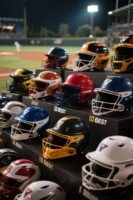

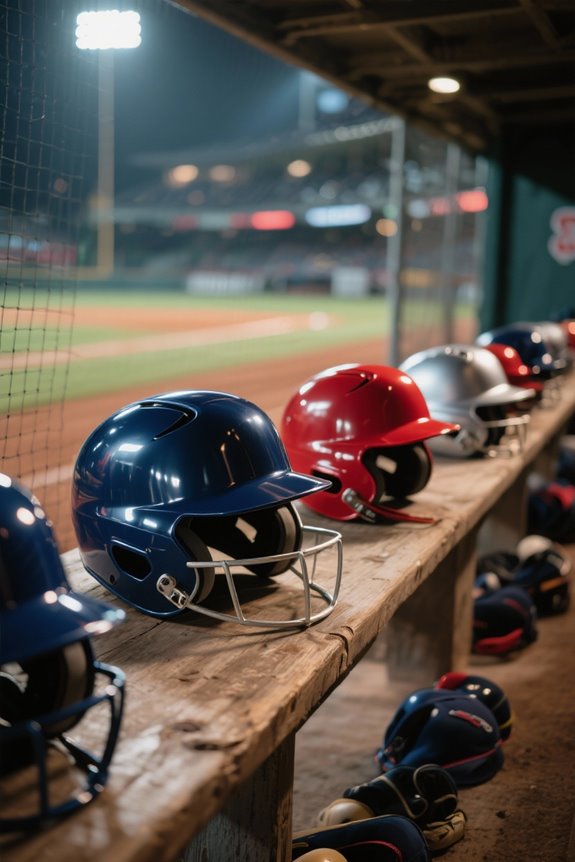
When players experience a concussion, various physical symptoms often emerge, signaling the need for careful observation and evaluation. One prominent issue is headache symptoms, which can surface immediately or within hours of the injury. Dizziness effects are another common indicator, affecting coordination and balance, causing players to feel unstable during movements. Occasionally, nausea or vomiting may accompany these symptoms early on. Sensitivity to light and sound can also intensify discomfort, hampering focus during play. Visual disturbances, including blurred or double vision, further complicate recovery. Recognizing these physical symptoms is vital, as they contribute considerably to a player’s overall well-being and performance on the field. Immediate assessment can guarantee safe and effective management of concussion-related challenges. Additionally, ensuring that players wear helmets that meet NOCSAE safety standards can significantly reduce the risk of head injuries.
Cognitive Signs to Watch For
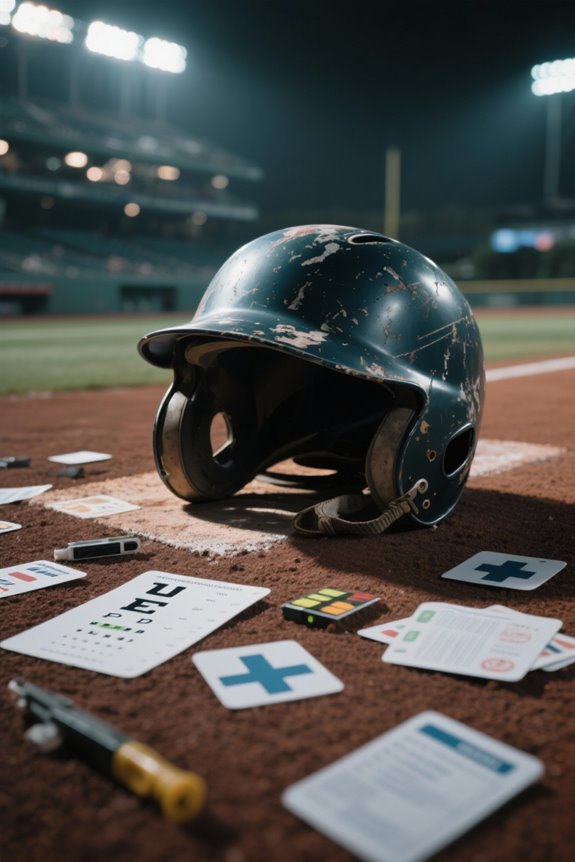
How can players and coaches identify cognitive signs of a concussion during a game? Recognizing cognitive impairment is essential for safety. Common signs include attention deficits, such as difficulty maintaining focus on the ball amidst distractions. Players may struggle with sustained attention, making concentration over long periods challenging. Memory deficits are also red flags—recalling instructions or player positions can become tough. Confusion often manifests as disorientation or “foggy” thinking. Additionally, executive functioning may decline, resulting in poor decision-making and strategy adjustments under pressure. If players appear slow in processing information, it could signal slower reaction times. Coaches should stay vigilant for these cognitive signs to make certain that no athlete risks further injury on the field. Incorporating training equipment for skill development can also help athletes enhance their focus and cognitive abilities during practice.
Emotional and Behavioral Changes After Injury

Emotional and behavioral changes frequently arise after a concussion, affecting an athlete’s overall well-being and performance. Following an injury, athletes may experience increased emotional fatigue, leading to heightened feelings of sadness and intense worry. These symptoms can disrupt participation in sports and social activities. Social withdrawal is another common response; athletes often distance themselves from friends and previously enjoyed hobbies, even after medical clearance. This isolation can stem from feelings of vulnerability and a sense of lost normalcy. Mood swings and irritability may occur, impacting relationships and engagement with teammates. Recognizing these warning signs is essential for effective recovery and support, as addressing emotional and behavioral changes can greatly enhance an athlete’s return to form. Additionally, engaging in safe training practices with safety baseballs can help maintain confidence during recovery.
Sleep Disturbances as a Warning Sign

Sleep disturbances are a common warning sign following a concussion, impacting recovery for many athletes. Research shows that between 30%-80% of individuals experience sleep issues, such as insomnia, excessive sleepiness, and fragmented sleep. Pediatric and adolescent players face heightened risks, with around 67% reporting sleep disturbances shortly after injury. These sleep problems can greatly affect recovery duration. Athletes reporting sleep difficulties often experience longer symptom timelines, with recovery periods being 3 to 4 times extended. Sleep regulation is essential during healing, as poor sleep quality can complicate cognitive functions necessary for performance. Identifying and addressing sleep disturbances early can provide a smoother path to recovery, fostering a supportive environment for healing and reintegration into the sport. Additionally, ensuring athletes wear proper protective gear can help reduce the risk of concussions and other injuries during play.
Observable Signs Noticed by Coaches or Witnesses

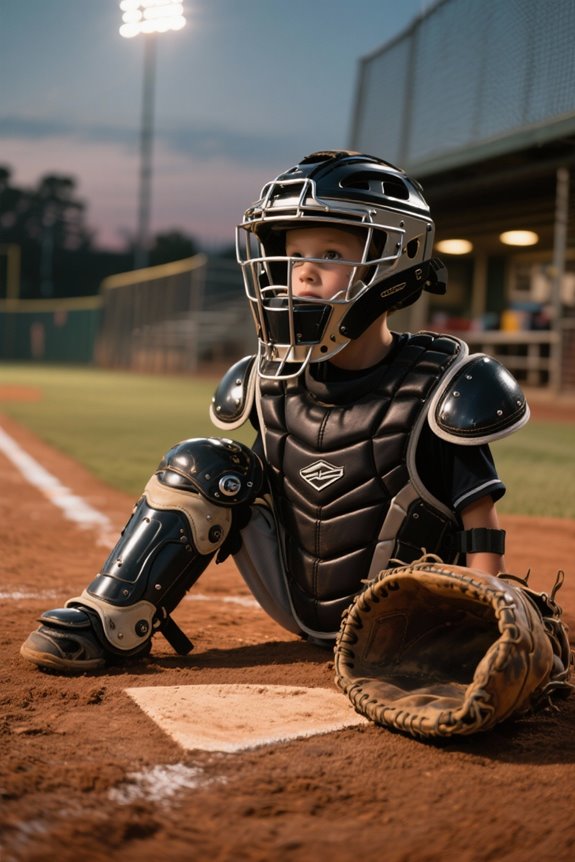
After a concussion, the signs that coaches and witnesses notice play an essential role in evaluating an athlete’s condition. Identifying symptoms like dazed expressions or confusion about the game is vital. Coaches should observe athletes for slowed responses, unsteady movements, or changes in behavior such as irritability or aggression. Additionally, signs like poor coordination and balance issues indicate a potential concussion. Visibility of double vision or complaints about sensitivity to light can also be significant. These observable signs help guarantee that an athlete is promptly and accurately assessed. Early detection emphasizes the importance of safety in baseball, allowing athletes to receive the necessary care before they return to play. Proper fit of protective equipment, such as catcher chest protectors, can also help minimize the risk of concussions during games.
Serious Symptoms Requiring Immediate Medical Attention
A concussion can trigger serious symptoms that demand immediate medical attention. Severe headaches, especially if worsening, alongside persistent vomiting—more than twice—are red flags. Loss of consciousness or seizures after a head injury requires a prompt response, as does difficulty staying awake or irregular breathing. Neurological evaluations become essential when a player experiences weakness, numbness, or coordination issues. Blood or clear fluid leaking from the ears or nose could indicate a skull fracture, while symptoms like dizziness and high fever signal possible brain swelling or infection. Cognitive disturbances, including significant memory issues or confusion, should not be ignored. Recognizing these critical signs guarantees that athletes receive the urgent care they deserve for any head injury. Additionally, it’s crucial to ensure that all players use appropriate equipment to minimize the risk of head injuries during games.
Frequently Asked Questions
How Do I Differentiate Between a Concussion and Other Injuries?
Over 50% of athletes misinterpret concussion symptoms as minor injuries. To differentiate a head injury, assess cognitive impairment, dizziness, and light sensitivity against localized pain and swelling seen in other injuries to enable effective symptom comparison.
What Should I Do if I Suspect a Concussion?
If a concussion is suspected, immediate actions include removing the athlete from play, informing guardians about concussion symptoms, and ensuring a proper medical evaluation. Prioritizing safety fosters a supportive environment for athletes during recovery.
How Long Do Concussion Symptoms Typically Last?
Concussion recovery often stretches like a taut string, with symptom duration typically lingering around 7 to 14 days. Yet, individuals can take longer, emphasizing the importance of cautious recovery to guarantee lasting participation in the game.
Are There Specific Recovery Protocols for Baseball Players?
Recovery protocols for baseball players emphasize strict timelines, including cognitive rest and gradual return-to-play stages. This structured approach fosters player safety and belonging, ensuring that athletes return to the game only when fully recovered.
Can Repeated Concussions Lead to Long-Term Problems?
Could repeated concussions be a silent thief of cognitive health? Indeed, their long-term effects manifest in neurodegenerative diseases, emphasizing the critical need for diligent concussion management to safeguard athletes’ futures from unseen consequences.