As an Amazon Associate, we earn from qualifying purchases. Some links on this site are affiliate links at no extra cost to you. Our recommendations are based on thorough research and editorial judgment.


What’s The Proper Way To Warm Up Before A Game?

A proper warm-up before a game should last 15-20 minutes. Start with dynamic stretches, like leg swings, to enhance flexibility and muscle temperature. Include sport-specific movements and plyometric exercises for power. Aim for an intensity of 60-80% of maximal oxygen uptake. This approach helps with muscle coordination and reduces injury risks. Pay attention to movement patterns and avoid static stretching. Following these guidelines can optimize performance and enjoyment on the field. There’s much more to explore regarding effective warm-up strategies!
Key Takeaways
- Follow the RAMP protocol: Raise, Activate, Mobilize, and Perform to effectively prepare for your game.
- Include dynamic stretches like leg swings and lunges to enhance flexibility and blood flow.
- Incorporate sport-specific movements and plyometric exercises for optimal coordination and explosive power.
- Warm-up should last 15-20 minutes, reaching 60-80% of your maximal oxygen uptake to ensure readiness.
- Avoid skipping warm-ups and excessive static stretching to minimize injury risk and enhance performance.
Purpose and Benefits of Warming Up
You may be interested



Warming up serves an important purpose in preparing athletes for best performance. By increasing muscle temperature by just 1°C, athletic performance can improve by about 3.5%. Warmer muscles enable quicker contraction speeds and greater power output, essential for explosive movements. Moreover, ideal muscle temperature enhances muscle flexibility and efficiency during activity, making tasks smoother. Warming up also stimulates neuromuscular activation, allowing for better muscle recruitment and coordination. This readiness is crucial for improving strength and speed, particularly in fast-paced sports like sprinting. Additionally, the enhancement of nerve conduction velocity during warm-ups results in quicker muscle responses, promoting dynamic stability and reducing the risk of injuries. Hence, a proper warm-up not only elevates performance but also protects athletes. Furthermore, using durable materials like vinyl for sports gear can provide better support and performance during physical activity.
Types of Warm-Ups

Athletes benefit from various types of warm-ups designed to prepare their bodies for peak performance. Plyometric exercises, such as unilateral and bilateral jumps, activate fast-twitch muscle fibers essential for explosive power. These drills should be sport-specific and strategically progressed to reduce injury risk. Sport-specific movements cater to the biomechanical demands of a sport, like high knees for runners or arm circles for racquet sports. Joint mobility and activation routines, including controlled arm circles and walking lunges, enhance range of motion and muscle engagement. Combining these elements in a planned warm-up routine raises body temperature, increases blood flow, and prepares athletes for competition, ensuring they feel ready and connected to their sport. Using tools like GoSports Weighted Training Balls can further enhance strength training and improve pitching performance during warm-ups.
Recommended Products
![Pulley Cable Machine Tower [Bells of Steel] Aluminum Pulley Cable Tower Squat Stand with 210 lb Weight Stacks and Back Upright, Home Gym Steel Cable Weight Machine, 2:1 Ratio, 250lb Capacity](https://m.media-amazon.com/images/I/41XoylcPSkL._SL500_.jpg)
Versatile Exercise Equipment - Two cable towers and a knurled pull-up bar combined to become a multi-use pulley cable machine, squat stand station, and more. Add your favourite BoS j-cups, and you're ready to squat!
![LAT Machine Pulldown [Bells of Steel] LAT Pulldown Machines | Weight Stacks for LAT Machine Home Gym | 550lb Cable Capacity, LAT Pull Down Machine 1:1 Pull Ratio](https://m.media-amazon.com/images/I/410MkEOuxTL._SL500_.jpg)
2-in-1 Back Training: Versatility is the holy grail for a home gym. So, we designed our lat pulldown low row machine to do lat pulldowns AND cable rows using the same machine. Rotate between the two seamlessly, without needing to flip some annoying switch every time. Plus, you can even use the top cable for triceps pushdowns without needing to awkwardly stand away from the machine like you’re at your first middle-school dance.

STACKABLE BOXES - Complete with adjustable landing heights, these plyometric boxes are available as a full box set or individually - Green (6in), Blue (12in), Red (18in), & Black (24in). Perfect option to cater for all fitness abilities.
Key Dynamic Warm-Up Exercises

Dynamic warm-up exercises serve as essential tools to enhance athletic performance and minimize injury risk. Key elements include dynamic stretches such as leg swings, arm circles, and lunges with twists, typically performed 10-12 times each. These controlled movements increase mobility and blood flow, activating muscles efficiently without the drawbacks of static stretches. Adding plyometric exercises, like depth jumps and bounding, develops explosive strength and enhances power output. These exercises utilize rapid muscle contractions to prepare athletes for high-intensity actions. By incorporating these dynamic stretches and plyometrics into warm-ups, athletes improve their joint stability and neuromuscular readiness, considerably reducing the risk of injuries and laying a strong foundation for competitive performance. Additionally, integrating agility ladder training into warm-ups can further enhance coordination and speed, contributing to overall athletic preparedness.
Recommended Products

Multifunctional Smart Home Gym System: Speediance revolutionizes your workout by bringing the gym directly to your home. Our all-in-one home gym system seamlessly integrates cardio and strength training into your living room for a full-body workout

🏃【Race the World's Top Marathons at Home】Train like a pro with the UREVO CyberMega Treadmill's Marathon-Specific Training Mode, which replicates the exact route of the Boston Marathon. Whether you're prepping for your first marathon or optimizing your performance, this treadmill lets you experience real-time pace alerts, rankings, and a 12% Auto Incline for realistic hill simulations. The 12.4 MPH top speed ensures that you can build endurance and speed for any race.

High end configuration:This gorgeous sauna is constructed with high-quality Obeche Wood.Its glass is tempered for reliable longevity. The intelligent entertainment system is equipped with two high-quality speakers. 900w power and excellent thermal insulation material and heating plate technology can reach your set temperature in 30 minutes.
Ideal Warm-Up Duration and Structure
An effective warm-up should last between 10 and 30 minutes, with 15–20 minutes being the sweet spot for many athletes, particularly those returning from time off. This duration guarantees proper warm-up timing without causing fatigue. The intensity of the warm-up should ideally reach 60–80% of maximal oxygen uptake (VO2 max), balancing sufficient workload with energy preservation. It’s essential to engage in a structured warm-up that follows the RAMP protocol, which includes raising heart rate, activating muscles, and potentiating performance. Completing these phases 15 minutes before the main event maximizes physiological benefits. Athletes should tailor both duration and intensity for specific sport demands, guaranteeing readiness without over-exertion, fostering a sense of belonging and confidence in their abilities. Additionally, incorporating vibration reduction technologies in training can enhance performance and comfort during gameplay.
Recommended Products


Outer: Waterproof, breathable shell, attached hood. Covered, zippered hand pockets

SEIZE THE DAY: Move with purpose in the Women's Aconcagua Parka. Featuring secure-zip handwarmer pockets, an adjustable 3-piece hood, and durable elastic bound cuffs, this winter workhorse delivers head-to-knee coverage from first frost to spring thaw.
Techniques for Joint Protection and Injury Prevention

Proper warm-ups not only enhance physical readiness but also play an essential role in joint protection and injury prevention. Dynamic stretches, like leg swings and arm circles, boost blood flow and synovial fluid circulation, enhancing joint stability. These movements mimic sport-specific actions, preparing joints for game motions and reducing the risk of sudden stress injuries. Starting with low-intensity joint mobilization aids in safer shifts to high-intensity drills. Additionally, maintaining proper posture and limb control minimizes abnormal stresses that could lead to chronic injuries. Inclusive warm-up programs, such as “The 11+”, enhance neuromuscular control, strengthening stabilizing muscles while also decreasing the risk of serious injuries, like ACL tears. Committing to effective warm-ups can notably lower injury rates on the field. Furthermore, incorporating multi-game support features into training can improve overall athletic performance by ensuring proper readiness for various sports.
Recommended Products

PILATES WALL WORKOUT: Originally designed by Joseph Pilates, the Ped-o-Pull features a compact profile that supports a variety of exercises. This revolutionary Pilates equipment takes up minimal space, making it easy to fit in your home or studio.

DYNAMIC 4-IN-1 NECK STRENGTHENER: The Iron Neck 3.0 Pro features a unique tension brake system that applies resistance to head rotation like no other. With its Variable Friction Dial, this neck exerciser delivers customized rotational resistance essential for progressive strength training equipment routines.

Integrated Protection: CE-level 1 SEESMART armor at shoulders and elbows, with dedicated pocket for optional CE-level 2 SEESOFT back protector
Mental Readiness for Competition
Entering the competitive arena, athletes must prioritize mental readiness as a cornerstone of performance. Achieving mental focus is imperative; they should concentrate on executing individual skills rather than dwelling on the competition’s outcome. Developing routines helps maintain attention on the present, enabling quick recovery from distractions. Visualization plays an important role as well. Engaging in detailed mental rehearsal builds confidence, allowing athletes to simulate success and prepare for various scenarios. Additionally, managing stress and anxiety is fundamental. Recognizing that moderate stress enhances performance fosters a competitive mindset. Athletes can cultivate resilience through self-awareness, reflecting on their thoughts and emotional triggers. This process ultimately strengthens overall performance and guarantees readiness when game time arrives. Incorporating strategies like enhanced grip can also help athletes feel more secure and confident in their physical abilities during competition.
The Importance of Consistency in Warm-Up Routines
Athletes who grasp the value of mental readiness often overlook the importance of consistent warm-up routines in their physical preparation. Regular warm-ups establish physiological adaptations, leading to enhanced performance during activities. Engaging in a consistent routine boosts nerve impulse transmission, coordination, and reaction time, making athletes more agile and prepared. By gradually increasing intensity, athletes improve cardiovascular strength, greatly reducing stress while competing. In addition, warm-up consistency lowers injury risks through improved muscle adaptability and increased tissue tolerance. Establishing a habitual preparation phase not only stabilizes performance but also optimizes blood flow and flexibility. With a well-structured routine, athletes can effortlessly prepare their bodies, ensuring a successful and effective game day experience. Incorporating protective gear into your routine can further enhance safety and confidence on the field.
Common Mistakes to Avoid During Warm-Ups
To maximize performance and minimize injury risk, avoiding common mistakes during warm-ups is essential. One prevalent misconception is that skipping warm-ups enhances performance, when in fact, it raises injury risk greatly. Ideally, athletes should dedicate 10 to 15 minutes to their warm-up routine. Overusing static stretching can also hinder readiness, as holding stretches signals muscles to relax. Instead, proper techniques include dynamic stretches that activate muscle groups relevant to the sport. Additionally, rushing through warm-ups or using improper movements can leave stabilizing muscles vulnerable. Athletes should avoid excessive intensity, which may drain energy reserves. By understanding and correcting these pitfalls, individuals can foster a safer, more effective warm-up experience, vital for both enjoyment and performance. Incorporating activities such as hitting practice with batting tees can also enhance muscle activation and coordination.
Recommended Products

Multifunctional Smart Home Gym System: Speediance revolutionizes your workout by bringing the gym directly to your home. Our all-in-one home gym system seamlessly integrates cardio and strength training into your living room for a full-body workout
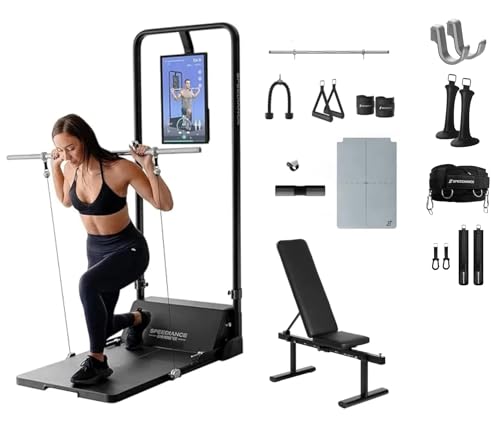
Including: Speediance Gym Monster, Works Plus & Adjustable Barbell Hooks & Skiing Handles 2 & Weight Lifting Belt & Extender Belt Attachment Bundle

2 x C414 XLS Sonically Matched Pair - Engineered for highest linearity and neutral sound for beautifully detailed recording of vocals and any acoustic instrument
Frequently Asked Questions
Can Warming up Improve My Performance in Sports?
Warming up greatly improves performance in sports by enhancing muscle elasticity, increasing blood flow, and activating the neuromuscular system. These warm-up benefits contribute to performance enhancement, fostering confidence and readiness for athletes in competitive environments.
How Does Warming up Affect My Muscle Recovery?
Warming up enhances muscle recovery by increasing blood flow, which aids nutrient delivery and waste removal. This process also contributes to injury prevention, promoting overall readiness and resilience, fostering a sense of belonging within active communities.
Should I Warm up Differently for Various Sports?
Yes, warming up should differ across sports. Sport-specific warm-ups enhance readiness through activity variations, allowing athletes to engage in targeted movements. This tailored approach fosters connection and performance, ensuring each athlete belongs to their sport’s culture.
What Should I Do if I’m Short on Time for a Warm-Up?
When time is limited, essential stretches can be replaced with quick alternatives like dynamic movements. This approach fosters inclusivity, enabling athletes to efficiently prepare while feeling connected, enhancing performance readiness and reducing injury risk in a condensed timeframe.
Is It Necessary to Warm up Every Day, Even With Low-Intensity Activities?
Daily warm-ups are essential, even for low-intensity activities, as they promote injury prevention and enhance overall performance. Establishing a consistent routine fosters community engagement among athletes, ensuring readiness and reducing risks throughout their training journeys.