As an Amazon Associate, we earn from qualifying purchases. Some links on this site are affiliate links at no extra cost to you. Our recommendations are based on thorough research and editorial judgment.

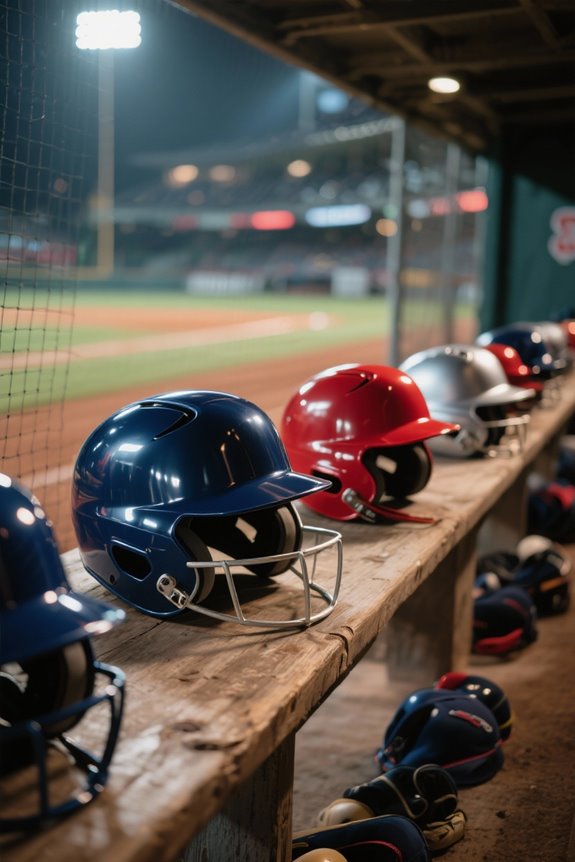
How Do I Select The Right Batting Helmet For Safety?

Selecting the right batting helmet for safety starts with ensuring it has NOCSAE certification. Look for models made from impact-resistant materials like polycarbonate and carbon fiber composites for better shock absorption. Get the right fit by measuring head circumference; helmets should sit one inch above the eyebrows and withstand the “shake test.” Check for proper padding and durability, and maintain cleanliness and storage. For tailored age-specific options, consult specialized retailers for high-performance helmets that meet your needs. There’s more to discover about ideal helmet choices.
Key Takeaways
- Ensure the helmet is NOCSAE certified to meet safety performance standards and undergo rigorous testing for reliability.
- Select helmets made from impact-resistant materials and designed with features like faceguards for enhanced safety against injuries.
- Obtain a proper fit by measuring head circumference; the helmet should sit snugly about one inch above the eyebrows without excessive movement.
- Regularly maintain the helmet by inspecting for cracks, cleaning after use, and replacing it immediately after a significant impact.
- Purchase helmets specifically designed for your age group to ensure they withstand impacts appropriate to the player’s level and avoid unauthorized modifications.
Understanding NOCSAE Certification Standards
You may be interested



NOCSAE certification standards play an essential role in ensuring the safety of batting helmets used in baseball and softball. These standards set performance requirements that all new helmets must meet, primarily Level 3 criteria. Essential testing processes include a drop test (DOC.001) and projectile impact test (DOC.021) to assess their safety against head injuries. Helmets bearing the “MEETS NOCSAE Standard®” label are verified by manufacturers or the Safety Equipment Institute. Certification also includes visible dates indicating when helmets must be replaced or recertified, ensuring ongoing safety. It’s crucial for players and teams to adhere to these NOCSAE standards for helmet certification to foster a safe environment, while also promoting proper use and maintenance practices among team members. Choosing a helmet with impact protection features can greatly enhance player safety during games.
Importance of Protective Features

Safety is a top priority when selecting a batting helmet, as protective features play a critical role in minimizing the risk of injuries. Helmets must be built with impact-resistant materials, such as high-grade polycarbonate, and designed to absorb shock effectively. Key features include extended coverage for the temples and back of the head, enhancing protection against lateral impacts. Additional attachments, such as faceguards or C-Flaps, provide significant faceguard benefits, reducing the chance of facial injuries by protecting vulnerable areas like the jaw and nose. With the right construction, these helmets not only shield the head but also maintain comfort through ventilation. Ultimately, incorporating protective features guarantees players can enjoy the game while prioritizing their safety on the field. Proper sizing and fit are crucial for ensuring that the helmet functions effectively during play.
Recommended Products
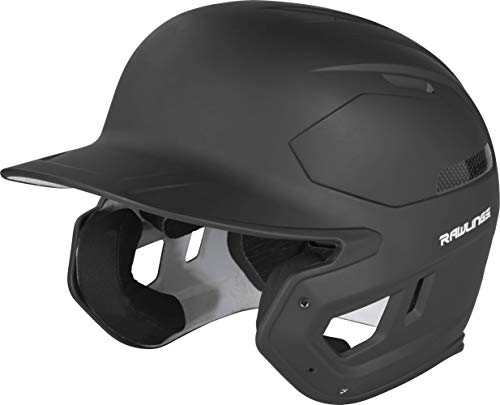
HYBRID DESIGN | Carbon/ABS Design focuses increased strength on high-impact areas to keep you protected

DESIGNED SPECIFICALLY FOR ADULTS PLAYING RECREATIONAL / COMPETITIVE SLOWPITCH SOFTBALL

NEW streamlined durable ABS plastic shell with black matte steel cage
Evaluating Fit and Comfort

When it comes to choosing a batting helmet, fit and comfort are just as important as protective features. Accurate helmet sizing starts with measuring head circumference between the ears, typically ranging from 19½ inches (hat size 6 1/4) to 24 5/8 inches. Categorize helmets into youth, junior, and senior sizes for ideal fit. Once selected, verify the helmet sits about one inch above the eyebrows and passes the “shake test” for stability. Internal padding is vital; it can be adjusted for comfort through padding adjustment kits. Quality padding should also absorb sweat and breathe well. Regular checks for fit should be conducted, as helmets may loosen over time due to wear. Comfort fosters confidence in performance, and helmets should feature proper airflow through multiple air vents for optimal ventilation.
Recommended Products

shock absorbing padding system windpact's crash cloud technology absorbs and disperses impact energy, giving you greater protection and comfort

Catch, block, throw, and run with confidence

Catch, block, throw, and run with confidence
Durability: How to Assess Your Helmet

Durability is an essential aspect to take into account when selecting a batting helmet, as it directly affects long-term performance and protection. It’s crucial to look for helmets meeting recognized standards, like NOCSAE certification, which guarantees they can withstand specified impacts. A good helmet should demonstrate high impact resistance, resisting material fatigue without cracking under repeated blows. Compression resistance matters too; helmets must maintain shape when stressed from various angles. Test results, such as the Gardner Impact Test, give insight into a helmet’s toughness. Always inspect for visible signs of damage, such as cracks and dents, as these indicate compromised integrity. Choosing a durable helmet means prioritizing safety for every play on the field, especially since high-impact resistance is vital for ensuring player protection.
Recommended Products

Revolutionary MVP-PRO Catchers Helmet features Deflexion shock hammocks to help disperse impacts and I-BAR BSP Cage with extended back swing protection for coverage against wild swings

MEETS NOCSAE STANDARD This helmet is certified by SEI to meet the NOCSAE standard for baseball/softball catcher's helmets

DESIGNED SPECIFICALLY FOR ADULTS PLAYING RECREATIONAL / COMPETITIVE SLOWPITCH SOFTBALL
Regular Helmet Maintenance and Inspection

Regular maintenance and inspection of batting helmets are essential for ensuring ideal protection and performance on the field. Helmet cleaning should occur after every use; it’s important to wipe down the exterior with mild soap and water. Inspect helmets at least once a week during the season for cracks, dents, or any visible damage. Be sure to check the interior padding for signs of wear or detachment. If a helmet endures significant impact, immediate replacement is required. Store helmets in a cool, dry area and avoid direct sunlight. Proper care not only extends the life of the helmet, but also enhances safety and comfort—encouraging consistent use by young athletes enthusiastic to belong to their teams. Additionally, ensure helmets meet NOCSAE safety standards to guarantee reliable protection during play.
Selecting Additional Protective Attachments
Selecting the right protective attachments for batting helmets can considerably enhance player safety and comfort. Options include jaw guards, wire face grills, C-flap attachments, and face masks. Each type varies in attachment compatibility, often requiring specific helmet models for proper fitting. For instance, jaw guards secure with screws in pre-drilled holes, while C-flaps cater to different batter preferences, providing cheek and jaw coverage. The performance impact of these attachments is significant; they reduce the risk of facial injuries and can boost player confidence at the plate. When choosing, players should ascertain compatibility with their helmets, taking into account materials and visibility. A well-fitted attachment enhances on-field safety without compromising comfort. Additionally, it is essential to ensure that the helmet and attachments meet NOCSAE safety standards, as this guarantees adequate impact protection for players.
Recommended Products

MASSIVE MAIN COMPARTMENT: Fits full catcher's set, helmet, and glove
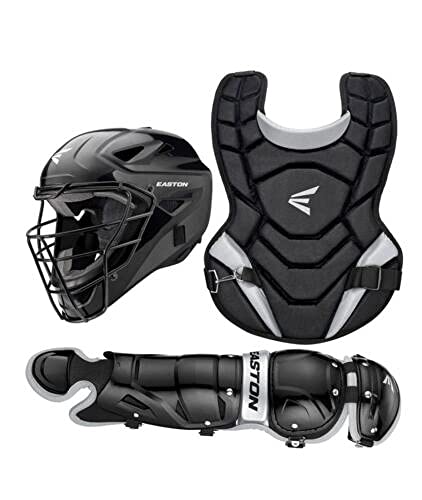
EASTON'S SECOND-GENERATION BLACK MAGIC 2.0 BOX SET is perfect for the youth or beginner catcher

Meets NOCSAE certification standards High impact ABS plastic shell designed to deflect & absorb impacts I-BAR VISION steel cage increases cage strength & player's vision Soft, breathable, moisture wicking dual density liner AEGIS MICROBE SHIELD removes bacteria & odors Fits Hat sizes 7 - 7 ½
Considering League and Regulatory Requirements
Player safety is not just about wearing the right helmet or additional protective attachments; it also involves adhering to the league’s regulations and requirements governing equipment. Most leagues require helmets to be NOCSAE certified, ensuring compliance with performance safety standards. Players need to check that their helmets have non-glare surfaces and extended ear flaps, as some league rules mandate these features. Any modifications, such as drilling holes or adding stickers, can void certification and render the helmet illegal for play. Routine inspections before games help confirm helmet compliance, with umpires ensuring equipment meets these vital standards. Understanding league policies and maintaining helmet integrity not only fosters safety but builds a stronger community of players committed to following the rules. Additionally, selecting a helmet with proper venting and airflow can significantly enhance comfort during gameplay.
The Role of Helmets in Injury Prevention
While it may seem that wearing a batting helmet is a simple precaution, these helmets play a critical role in preventing injuries, especially head traumas. Helmet technology advancements, such as thicker, energy-absorbing foam, effectively mitigate impact forces. This reduces the risk of traumatic brain injury (TBI) from high-speed pitches. Injury statistics analysis reveals that approximately 12% of injuries in high school baseball involve the head and face, underscoring the need for enhanced protection. Helmets equipped with face guards reduce severe facial injuries by nearly 3,900 each year. However, not all helmets fit securely, putting players at risk. Understanding these factors is essential for ensuring safety on the field, reinforcing the importance of selecting the right batting helmet. Additionally, helmets that meet NOCSAE safety standards are crucial for ensuring maximum protection during play.
Age-Specific Guidelines for Helmet Use
How essential is it to choose the right batting helmet based on age? Selecting helmets that comply with youth helmet guidelines is vital for safety in young players. For those aged 4-12, specific fit measurements are important. Helmets must fit snugly, sitting about an inch above the eyebrows and without excessive movement. Young athletes benefit from helmets designed to withstand ball impacts up to 68 MPH, ensuring adequate protection. Modifying helmets voids NOCSAE certification, making them illegal for play. Additional features such as C-Flaps provide extra facial protection, further enhancing safety. Parents should prioritize proper size and certifications to foster a supportive environment, helping young players feel secure while they enjoy the game and grow in skill. Choosing helmets that are NOCSAE certified ensures they meet safety standards for reliable protection.
The Impact of Helmet Design on Safety
Selecting the right helmet design is essential for enhancing player safety, as modern advancements in materials and construction greatly improve protection. Utilizing aerospace-grade carbon fiber composites, helmets achieve a superior strength-to-weight ratio, withstanding impacts from a 100 mph pitched ball. Multi-directional flex shells guarantee a customized fit, reducing helmet movement during an impact. Inside, dual-density foam liners absorb impact forces without adding weight, while IMPAX foam technology manages repeated blows effectively. The incorporation of moisture-wicking padding also enhances comfort, guaranteeing stability during play. Compliance with NOCSAE certification verifies that helmets meet rigorous safety standards, while features like removable jaw guards customize protection further. Together, these elements of helmet materials and impact technology create a safer experience for players. Additionally, opting for helmets with lightweight designs can minimize neck strain and enhance overall comfort during gameplay.
Making Informed Choices: Where to Buy
Where can players find the right batting helmet that guarantees both safety and comfort? Players can explore various options—from major sporting goods retailers, which offer a range of helmets in sizes for kids, teens, and adults, to local retailers that provide personalized fitting experiences. Online marketplaces can expand choices but require careful attention to helmet authenticity and safety certifications. Specialty baseball equipment sites often feature competitive prices and detailed specifications. Additionally, official brand and league stores like Rawlings facilitate high-performance helmets that meet league standards. Ultimately, combining the knowledge of local retailers with the extensive selections found online empowers players to make informed decisions for their safety and comfort.
Recommended Products
Built and certified to meet safety & quality requirements established by the American Boat & Yacht Council (ABYC) and International Standards Organization (ISO)

Built and certified to meet safety & quality requirements established by the American Boat & Yacht Council (ABYC) and International Standards Organization (ISO)

THE FUNDAMENTAL BY JEN SCHRO COMPLETE BOX SET | Complete set of The Fundamental catcher's gear including helmet, chest protector, and leg guards designed to protect fastpitch softball catchers
Frequently Asked Questions
What Brands Are Known for Producing High-Quality Batting Helmets?
Top brands like Easton, Rawlings, All-Star, and EvoShield produce high-quality batting helmets, emphasizing essential safety features such as NOCSAE certification and advanced impact foam, fostering community trust in player protection during competitive play.
Can I Customize the Design or Color of My Batting Helmet?
Customization options exist for batting helmets, allowing players to choose custom designs and helmet colors that reflect their identity. However, adherence to safety standards is essential to guarantee both style and protection remain uncompromised.
What Is the Typical Lifespan of a Batting Helmet?
Time flies, and batting helmets typically have a lifespan of 2 to 5 years, depending on the materials and safety features. Regular inspections guarantee continued protection, fostering a safe environment for all players involved.
Are There Any Special Considerations for Adult Players?
For adult players, proper helmet fitment tips are essential, ensuring snugness without gaps. Features such as dual ear flaps, face protectors, and lightweight materials enhance safety and comfort, fostering a sense of belonging among teammates.
How Do I Properly Clean My Batting Helmet?
To properly clean a batting helmet, employ gentle cleaning methods such as soft cloths and mild detergent, following maintenance tips to avoid harsh chemicals. Regular disinfection preserves hygiene, ensuring players feel secure and valued within their team environment.