As an Amazon Associate, we earn from qualifying purchases. Some links on this site are affiliate links at no extra cost to you. Our recommendations are based on thorough research and editorial judgment.

What Stretches Prevent Baseball-Related Injuries?

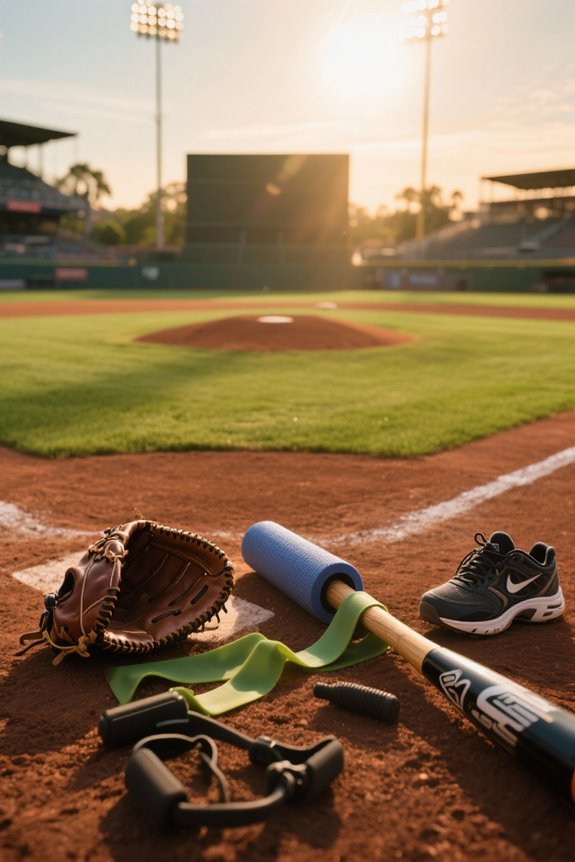
Stretching is essential for preventing baseball-related injuries. Key stretches include the sleeper and cross-body stretches for shoulder flexibility, which improve range of motion and throwing mechanics. For elbows, low-load, long-duration stretches enhance tissue elongation and mobility. Incorporating proprioceptive neuromuscular facilitation (PNF) techniques can further boost flexibility. Regular assessments of range of motion help identify athletes at risk, guiding timely interventions. Players can enhance their game while minimizing injury risks, and there’s much more to explore on injury prevention techniques.
Key Takeaways
- Shoulder stretches, like the sleeper stretch and cross-body stretch, greatly enhance flexibility and throwing mechanics, reducing injury risks for baseball players.
- Incorporating Low-Load, Long-Duration elbow extension stretches helps elongate tissues and improve elbow flexibility, crucial for injury prevention.
- Proprioceptive Neuromuscular Facilitation (PNF) stretching techniques improve range of motion and muscle control, which can reduce injury likelihood during play.
- Regular range assessment of shoulder and elbow flexibility identifies players at higher injury risk, allowing for timely interventions and corrective measures.
- A comprehensive stretching routine, integrated into daily warm-ups and cool-downs, fosters resilience and overall joint health, minimizing baseball-related injuries.
Importance of Stretching in Injury Prevention
You may be interested


Many baseball players may not realize that stretching is a crucial component of injury prevention. Stretching improves shoulder and elbow range of motion (ROM), essential for proper throwing mechanics. By dedicating a few minutes daily, players can reduce injury rates considerably—up to 36% in high school pitchers. Long-term stretching practices, ideally lasting over three years, lead to meaningful flexibility gains, protecting against overuse injuries. However, benefits awareness among players and coaches is often lacking, contributing to compliance challenges. Consistent stretching programs enhance performance while extending playing careers. For every player seeking a place within their team, embracing a solid stretching routine is a key step toward injury-free seasons and shared success on the field. Additionally, incorporating compression shirts can provide muscle support and improve recovery times, further enhancing overall performance.
Key Stretches for Shoulder Flexibility
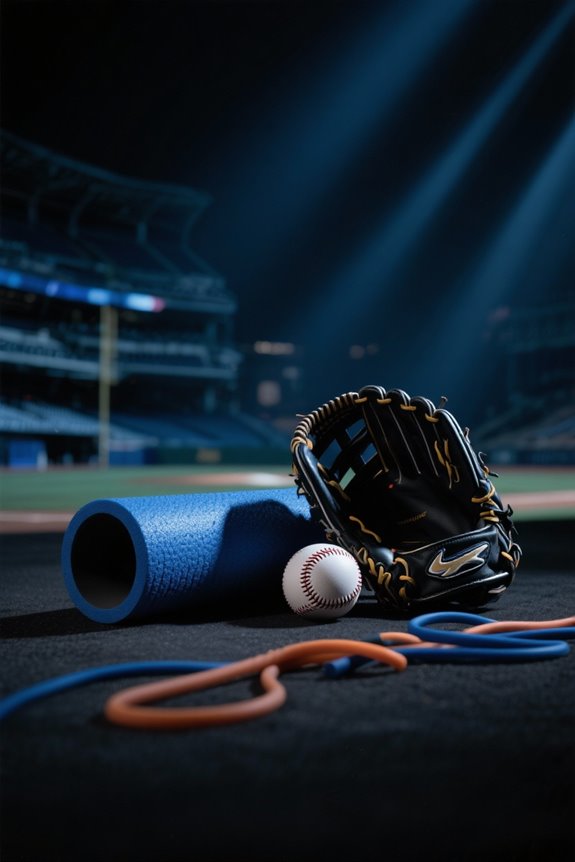
Stretching not only enhances injury prevention but also plays a pivotal role in maintaining shoulder flexibility. Key stretches like the sleeper stretch and cross-body stretch are essential for improving shoulder mobility. The sleeper stretch, performed at 90° and 45° shoulder flexion, markedly boosts internal rotation range of motion, reducing injury incidence for pitchers. Meanwhile, the cross-body stretch enhances horizontal adduction flexibility, supporting overhead athletes‘ needs. Modifications for both stretches guarantee proper scapular stabilization, minimizing risks. Incorporating these dynamic stretching techniques into warm-up or cool-down routines facilitates acute gains in joint motion without negatively impacting throwing mechanics or velocity. Regular practice fosters resilience, keeping athletes in the game longer and promoting overall shoulder health. Additionally, utilizing baseball keychains can serve as a fun reminder of the importance of maintaining proper stretching routines.
Effective Elbow Stretching Techniques

Effective elbow stretching techniques are important for athletes who want to maintain peak performance and prevent injuries. The Low-Load, Long-Duration (LLLD) elbow extension stretch is highly effective. This method uses a passive stretch with light resistance at the wrist while lying supine. It should be performed for 10-15 minutes, four times daily, totaling at least 60 minutes. This promotes tissue elongation significant for regaining full elbow extension. Additionally, forearm mobility can be enhanced through elbow flexion and forearm pronation stretches. These exercises improve overall flexibility and functional performance. Ensuring a pain-free range of motion is essential before progressing to more aggressive techniques, keeping athletes safe and ready for any competition. Incorporating proper padding features in your equipment, such as gloves, can also help reduce the risk of injury during gameplay.
Proprioceptive Neuromuscular Facilitation (PNF) Stretching

When athletes engage in Proprioceptive Neuromuscular Facilitation (PNF) stretching, they activate a dynamic process that greatly enhances flexibility and range of motion. PNF techniques involve a cycle of passive stretching and active muscle contraction. This manipulation of neuromuscular facilitation reduces resistance and expands the range of motion considerably more than static stretching alone. Key methods include Contract-Relax and Hold-Relax, which help athletes increase shoulder external rotation, especially crucial for baseball pitchers. Implementing PNF after practice or during rehab sessions enhances muscle control without compromising strength. Regular use of these techniques can improve throwing mechanics and lessen injury risks by fostering muscle elasticity and blood flow, aligning perfectly with the needs of baseball players looking to optimize their performance. Additionally, incorporating GoSports Weighted Training Balls into training routines can further strengthen pitching performance and reduce injury potential.
Routine for Sleeper and Cross-Body Stretches

Incorporating a routine for sleeper and cross-body stretches greatly benefits baseball players by enhancing shoulder flexibility and reducing injury risk. The cross-body execution involves bringing the throwing arm across the chest at shoulder height, gently pulling the elbow towards the body. This stretch targets key shoulder muscles like infraspinatus and teres major. Perform it for 20 to 30 seconds, repeating 2 to 5 times per session. The sleeper technique requires lying on the involved side with the shoulder and elbow at 90 degrees, pushing the wrist downward to stretch the posterior shoulder capsule. Hold for 30 seconds, repeating 2 to 3 times. Together, these stretches can considerably decrease tightness and improve overall shoulder health for players. Regular stretching routines can complement the use of baseball training aids to enhance performance and reduce injury risks.
Benefits of Stretch Duration and Frequency
A structured approach to stretch duration and frequency plays a pivotal role in preventing injuries among baseball players. Research indicates that an ideal duration of 30 seconds per stretch is effective for muscle elongation without causing fatigue. Performing multiple short stretches, like three sets of 30 seconds, is preferable to fewer longer stretches, enhancing compliance. Regular stretch frequency is key; daily stretching after practice is linked to a 36-48.5% reduction in shoulder and elbow injuries. Players should aim for at least five days of stretching each week to maintain ideal muscle balance. Consistent, moderate intensity stretching not only improves flexibility but also greatly reduces injury risks, ensuring players stay on the field and perform at their best. Incorporating proper fit in batting gloves can further enhance grip and control, which aids in preventing injuries related to poor bat handling.
Combining Stretching With Strengthening Exercises
Combining stretching with strengthening exercises considerably enhances injury prevention among baseball players. Dynamic warm-ups effectively increase muscle activation and blood flow, priming the body for movement. Integrating targeted stretches with muscle conditioning—especially for key groups like the rotator cuff—provides crucial support to joints. Strengthening exercises, such as planks and single-leg lifts, paired with specific stretches for the shoulders and hips, improve functional mobility and balance. This combination not only builds strength but also enhances flexibility, directly reducing overuse injuries. Programs incorporating both methods have shown significant success; for instance, the “Yokohama Baseball-9” protocol effectively halved medial elbow injuries. Additionally, maintaining organized gear storage ensures that players have easy access to their equipment, further promoting consistent practice and preparation. The result? Increased performance and fewer days lost to injury, creating a stronger, more resilient baseball community.
Monitoring Range of Motion for Injury Risk Reduction
How can monitoring range of motion (ROM) greatly enhance injury risk reduction for baseball players? Regular range assessment is essential for identifying athletes at heightened injury risk. Research shows a strong link between shoulder internal rotation and total rotational range of motion with upper extremity injuries. Additionally, a total arc of motion (TAM) disparity greater than 5–8° raises the likelihood of injury. Pre- and post-season injury screening, including ROM evaluations, can uncover subtle deficits, guiding timely interventions. Reliable measurement techniques, such as those performed by physical therapists, guarantee accurate assessments. Setting baseline shoulder ROM values at the season’s start fosters a proactive approach to maintaining balance and performance, ultimately protecting players from potential in-season injuries. Moreover, quality materials in equipment, like gloves, can also play a role in reducing injury risks by enhancing grip and control during play.
Frequently Asked Questions
How Often Should I Stretch During the Baseball Season?
During the baseball season, daily stretching frequency is essential, as it considerably aids flexibility and injury prevention. Consistent seasonal stretching routines foster community among players, ensuring ideal performance and prolonged athletic careers on the field.
Can Stretching Replace Strength Training for Injury Prevention?
Stretching cannot replace strength training for injury prevention; while stretching benefits flexibility and recovery, strength training offers critical advantages like muscle balance and stability essential for reducing injury risk and enhancing overall performance in baseball players.
What Are Signs of Overstretching a Muscle?
Forty percent of athletes experience muscle soreness from overstretching. Signs include pain during stretching, swelling, nerve tingling, and reduced flexibility limits. Recognizing these symptoms fosters a supportive environment for safe physical activity and injury prevention.
Should I Stretch Before or After Games?
Stretching should occur dynamically before games as part of pre-game rituals to enhance performance. Post-game recovery benefits from static stretching, promoting flexibility and alleviating tightness accumulated during play, fostering a sense of belonging among teammates.
How Long Should I Hold Each Stretch for Maximum Benefit?
For maximum benefit, ideal timing suggests holding stretches for approximately 10 seconds, while integrating longer holds of 30 to 60 seconds during strengthening exercises enhances muscle activation and flexibility, contributing to overall performance and injury prevention.