As an Amazon Associate, we earn from qualifying purchases. Some links on this site are affiliate links at no extra cost to you. Our recommendations are based on thorough research and editorial judgment.

What’s The Proper Way To Care For Wooden Bats?

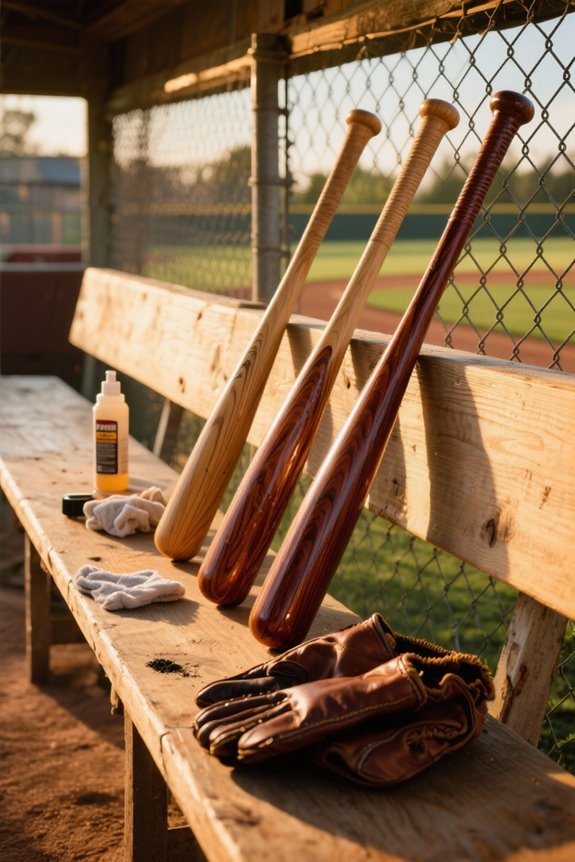
To properly care for wooden bats, store them vertically in a climate-controlled space with humidity below 60%. Keep them out of direct sunlight and off the ground. Clean the bats with a dry microfiber cloth and occasionally use warm, soapy water for deeper cleaning. Conduct regular inspections for cracks or dents. Oil the bats with raw linseed oil every few months to protect against moisture. With these tips, the performance and lifespan of the bats can greatly improve, and there’s more to explore on maintaining their quality.
Key Takeaways
- Store wooden bats vertically on sturdy racks in climate-controlled areas to prevent warping and moisture damage.
- Regularly clean bats using a dry microfiber cloth and occasionally dampen it with warm, soapy water for deeper cleaning.
- Perform routine inspections for any visible signs of damage, such as cracks or dents, and handle bats gently during transport.
- Use raw linseed oil or bat-specific oil every few months to protect the wood from moisture and enhance durability.
- Keep bats out of direct sunlight and maintain ideal storage temperatures between 60-75°F (15-24°C) for optimal preservation.
Proper Storage Techniques for Wooden Bats
You may be interested


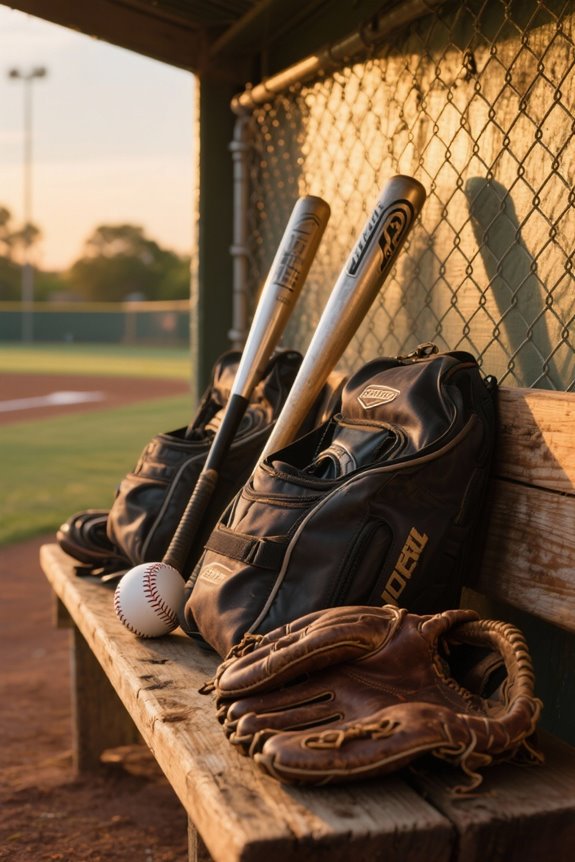
When it comes to properly storing wooden bats, the environment plays an important role in preserving their quality. Ideal bat positioning involves storing them vertically on sturdy racks, which prevents warping and physical damage. A climate-controlled area is a must; high storage humidity can lead to moisture absorption, causing cracks. Aim for a humidity level below 60% and keep bats out of direct sunlight to guarantee longevity. Utilizing protective cases and bat bags further safeguards against damage. Keeping bats off the ground is vital for avoiding moisture-related issues. By incorporating these storage techniques, enthusiasts create an organized environment that enhances their bat collection, making sure that each bat remains in top condition for every swing. Additionally, regular oiling of unfinished bats is recommended to extend their longevity, as proper maintenance procedures are vital for preserving the integrity and lifespan of wood bats.
Essential Cleaning Methods for Bat Maintenance

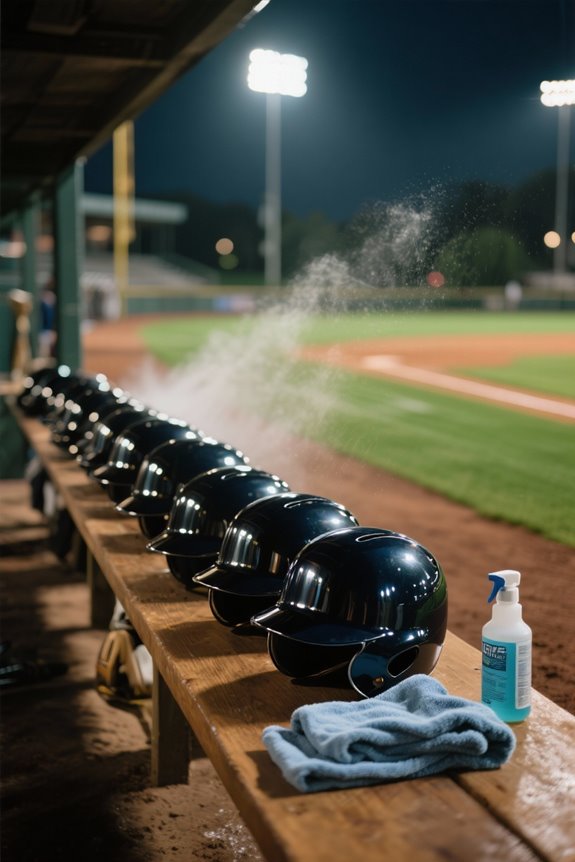
Proper care doesn’t end with storage; it extends to cleaning methods that maintain the integrity of wooden bats. To guarantee peak bat cleanliness, players should start by using a dry microfiber cloth to remove loose dirt. For deeper cleaning, lightly dampen the cloth with warm, soapy water and wipe gently. Avoid harsh cleaners like bleach or acetone, which could damage the wood. Stains can be treated with rubbing alcohol or Windex Multi-Surface Vinegar, while a clear polyurethane spray can help retain visibility of ball marks. Regular cleaning frequency is essential; maintaining the grip’s cleanliness also contributes to bat longevity. Always use soft, lint-free cloths to prevent scratches and guarantee the bat remains in great condition for seasons to come. Additionally, using high-quality wood like maple or ash can significantly enhance the durability and performance of the bat.
Recommended Products

SPACE-SAVING DESIGN: Its compact size and low-profile (73" wide x 33" deep x 36" high) make this two-seater couch a great choice for smaller apartments or lofts, living rooms, or home offices. Fits all doorways, halls, stairs or elevators. Better-suited for users under 6ft tall.

PREMIUM QUALITY: This desk pad is made of PU leather,no unpleasant leather smells. provides a stylish, modern, and professional look to your desk,designed with anti-slip base to keep the edsk mat from moving and sliding on your desk while in use. Perfect to place on top of wooden, glass and plastic desks.

Package Content: the whole package comes with 100 pack microfiber cleaning cloths in black color, which are sufficient for your daily demand
Controlling Temperature and Environmental Conditions

Temperature and environmental conditions play an essential role in the longevity of wooden bats. Maintaining climate stability is vital; bats thrive in environments with consistent temperatures—ideally between 60-75°F (15-24°C). Storing wooden bats in unconditioned places like garages exposes them to extremes, risking end cap separation and overall damage. Moisture management is just as important. For maple bats, the ideal moisture content ranges from 10-15%. Excessive dryness or humidity can weaken the wood, causing warping or cracking. Utilizing climate-controlled storage and dedicated bat racks guarantees bats remain well-supported and protected. During the off-season, prioritize storage conditions that reflect the comfort of indoor environments, avoiding seasonal fluctuations that can compromise bat integrity and performance. Additionally, regular maintenance and proper weight selection can further enhance the durability and performance of your wooden bats.
Regular Inspection and Handling Practices

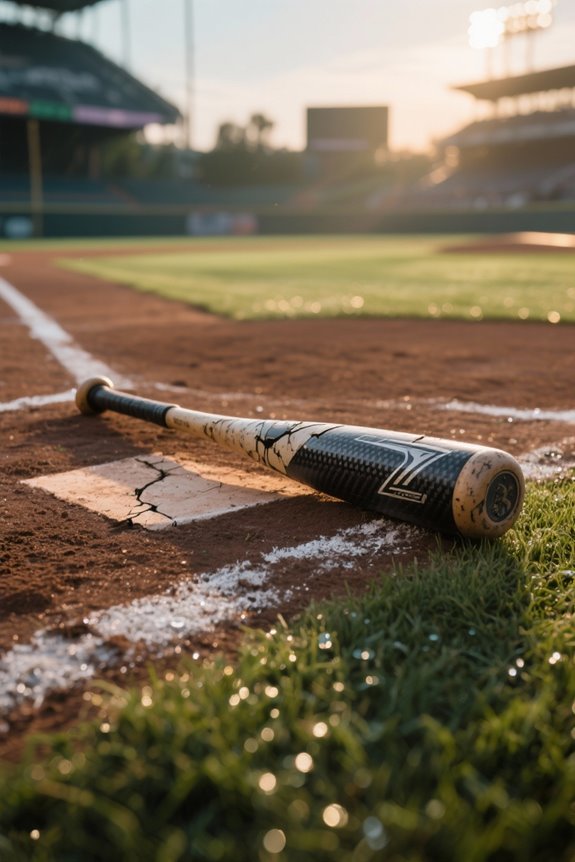
Regular inspection and careful handling of wooden bats are critical for maximizing their lifespan and maintaining performance. Bat inspection should be routine, focusing on visible signs of damage such as cracks or dents. A tactile check, where one runs their hands along the bat’s surface, helps identify hidden irregularities. Employ handling techniques like rotating the bat by 90 degrees after each use to distribute impact evenly, preventing localized wear. Use a small mark as a reminder for rotation. Post-use care involves cleaning ball marks with a cloth and storing bats vertically in a dry place. Gentle handling during transport and avoiding contact with hard surfaces further guarantees the bat remains in top condition, ready for action. Additionally, maintaining bat material quality ensures that the bat withstands the rigors of gameplay without compromising performance.
Importance of Oiling and Finish Maintenance

When it comes to maintaining wooden bats, the importance of oiling and finish upkeep cannot be overstated. Oiling techniques involving raw linseed oil or bat oil help safeguard the wood from moisture damage, preventing cracks and warping. A thin layer of oil not only softens the wood but also preserves its natural color and texture, enhancing appearance. It is essential to apply oil sparingly, avoiding excessive saturation that can hamper performance. Proper finish preservation can be achieved by lightly sanding any rough patches and cleaning the bat after use. Regular oiling and surface maintenance promote flexibility and durability, ultimately extending a bat’s lifespan and maintaining its game-ready condition for every hitting opportunity. Additionally, just like with leather baseball gloves, consistent care can significantly enhance the longevity of your equipment.
Recommended Products

Produced from the seed of the flax plant and processed so that it will dry faster than raw linseed oil

Made in United States

Premium Heat Polymerized: This triple boiled linseed oil undergoes an advanced heat polymerization process, creating a refined linseed oil that has been heat bodied for superior performance and enhanced durability in various applications
Usage Recommendations for Prolonging Bat Life
To prolong the life of a wooden bat, adhering to specific usage recommendations is essential. Players should avoid using their bats in temperatures below 60°F, as cooler weather can make the wood brittle. Hitting in wet conditions is also a no-go; moisture can lead to warping. To maximize durability, practicing proper hitting techniques is crucial. Focus on hitting near the barrel’s sweet spot and avoid striking the handle or end. Bat rotation is significant; adjust the bat after each use so the grain aligns correctly. Additionally, avoid tossing or slamming the bat to prevent internal damage. By following these recommendations, players can enhance both performance and longevity, ensuring their bats are game-ready whenever needed. Furthermore, understanding the importance of material durability can also help players make informed choices when selecting their bats.
Preventing Damage During Storage
Proper storage is key to ensuring wooden bats remain in prime shape, as improper conditions can lead to significant damage. Ideal bat storage occurs in a cool, dry place with temperatures between 18-22°C (64-72°F) and humidity levels of 45-55%. Excessive moisture can cause wood swelling, while dry conditions may lead to cracks. To maintain moisture control, avoid airtight containers and lean towards breathable materials like cotton cloth. Use bat racks for horizontal storage to prevent bending, and keep bats away from direct sunlight and heating vents. Regular inspections every month are essential for early detection of damage. With careful attention to these details, bat owners can prolong the life and performance of their treasured equipment. Additionally, proper bat construction materials contribute to the overall durability of wooden bats, making storage even more critical.
Recommended Products

98% UV Ultra Clear Protected Acrylic Door

Beautifully display your autographed Baseball Bat

Uv Protection Acrylic Transparent Door: featuring a protection acrylic transparent door, this baseball bat display case safeguards your baseball bats from dust and harm while allowing you to showcase them beautifully; The clear protection helps prevent fading, ensuring that your collectibles maintain their vibrant colors over time; Note:baseball bats and baseballs not included
Best Practices for Cleaning Bat Surfaces
Cleansing wooden bats effectively enhances their appearance and longevity. Employ bat cleaning techniques that include using a gentle mix of a few drops of mild dish detergent with warm water. Dampen a microfiber cloth with this solution, then wipe the bat’s surface without soaking it. Afterward, promptly dry with a clean cloth to avoid moisture absorption. For tough stains, like pine tar, apply isopropyl alcohol to a soft cloth, working in circular motions, then clean with soap and water. Finished wood bats benefit from surface cleaning products like Windex® Multi-Surface Vinegar; spray on a dry cloth and wipe with the grain. Regular inspections and gentle sanding for scratches maintain the bat’s aesthetic and structural integrity. Additionally, ensuring the bat is stored in a cool, dry environment helps prevent warping and damage over time.
Understanding Temperature Effects on Wood
Wooden bats require careful consideration of temperature effects to maintain their performance and longevity. Temperature resilience is essential, as colder conditions can enhance the mechanical properties of wood, like impact strength. For instance, at -196 °C, wood with 12% moisture content showed a bending strength increase from 118.4 N/mm² at 20 °C to 178.8 N/mm². However, denser woods face challenges in freezing temperatures. Additionally, moisture impact is significant; wood tends to swell or shrink based on environmental humidity. High relative humidity promotes moisture absorption, while low humidity leads to evaporation, affecting wood stability. Knowing these influences can guide bat care practices, ensuring ideal performance during varying conditions. Proper temperature management is critical for preserving the integrity and durability of wooden bats. Furthermore, understanding the break-in process of wooden bats is crucial for maximizing their effectiveness on the field.
Recognizing Signs of Bat Damage
Many signs indicate potential bat damage within a structure, and recognizing these early can prevent serious issues. Inspecting bat structures often reveals dark, crumbly guano accumulating in attics and around roosting sites. These droppings create stains and can lead to corrosive damage on wood and metal surfaces. Detecting high-pitched sounds or a pungent ammonia-like odor is vital in identifying infestation signs. Entry points, such as small cracks near rooflines or vents, may show staining or claw marks, indicating ongoing bat activity. Additionally, bat waste adds excess weight, possibly causing sagging in floors and ceilings. Recognizing these signals can save homeowners from costly repairs and guarantee a safe living environment. Proper maintenance of wooden bats is essential to prevent deterioration and prolong their lifespan.
Recommended Products

Do not use in toilets or garbage disposals
Drano's heavier than water formula pours straight through standing water and works quickly to restore drains.

ELIMINATE 20+ DRAIN CLOGS: Break up the toughest clogs with Green Gobbler Drain Opening Powder. You don't need to guess how much product to use; simply add 1 scoop of powder to your clogged drain and let it sit for 15-30 minutes before flushing with hot water. That's it.
Tips for Proper Bat Handling
Proper bat handling is essential for maximizing performance and extending the lifespan of a wood bat. Store bats in a cool, dry space, avoiding humid areas like basements. Hang them horizontally to prevent warping. When gripping the bat, apply pine tar or a synthetic grip for better control, customizing thickness with athletic tape if needed. For swing technique, always hold ash bats with the label facing up to hit the strongest part. Focus on the sweet spot, located 2–7 inches from the barrel end, to prevent damage. Avoid hitting on the weak handle or barrel ends. Prioritize real baseballs for practice, and inspect your bat regularly to catch issues early. These measures help maintain bat balance, ensuring peak performance on the field.
Recommended Maintenance Schedule
A recommended maintenance schedule is essential for ensuring that a wooden bat remains in peak condition throughout the season. Regular cleaning should occur after each use; wiping the barrel with a soft, dry cloth enhances its finish. Maintenance frequency plays a role, as weekly inspections for cracks and wear are important, especially during intense play. Seasonal adjustments are necessary; for example, when temperatures drop below 60°F, limit bat usage to prevent brittleness. Store wooden bats in a cool, dry place, avoiding humidity and extreme heat. For long-term maintenance, conditioning with linseed oil every few months can protect the wood. Following this systematic approach will foster a sense of belonging to a community that values their equipment.
Enhancing Grip Comfort and Control
Enhancing grip comfort and control is essential for maximizing performance with wooden bats. Players can utilize effective grip techniques, such as applying pine tar, a traditional method known for its tackiness. Pine tar is available in various forms, like sticky rags and spray, making application direct and manageable. For an excellent balance, apply it just above the handle. Combining pine tar with rosin offers a drier, yet still tacky alternative, ensuring reliability even in humid conditions. Additionally, bat tape or specialized grip materials, like Lizard Skins, provide cushioned comfort without stickiness. Regular handle cleaning with rubbing alcohol removes residue, maintaining superior grip and extending the life of these materials, ensuring players feel secure and confident during each swing.
Recommended Products
POWERFUL TAR REMOVAL safely dissolves adhesive sap pine resin and stubborn road tar while preserving ceramic coatings and automotive paintwork for hassle‑free cleanup and enhanced detailing efficiency.

EQUINE RELIEF: Soothing treatment for quarter cracks, split hooves, hard frogs and many other types of hoof problems.

Includes Marucci hitter's grip spray for premium gripping power and tackiness even when wet along with Marucci pine tar stick for enhanced grip (3x larger than most other eye black sticks).
Frequently Asked Questions
Can I Use Wooden Bats in Cold Weather Games?
Using wooden bats in cold weather games raises durability concerns due to cold weather impact, increasing the likelihood of fractures. Players should consider alternatives and precautions to maintain bat performance and longevity during lower temperatures.
How Do I Know When to Replace My Wooden Bat?
When wooden bats begin resembling fragile, crumbling relics, it’s essential to perform regular bat inspection tips. Signs of damage like cracks or vibrations signal the need for replacement, ensuring safety and ideal performance on the field.
Will Humidity Affect Performance During Games?
Humidity greatly impacts performance factors during games, affecting bat maintenance. Increased moisture may enhance bat responsiveness, while low humidity can lead to greater brittleness. Understanding these dynamics fosters a stronger connection among players and their equipment.
Can I Paint or Customize My Wooden Bat?
Can one truly enhance a wooden bat through painting or customization? Thoughtful customization tips suggest using clear coatings for protection, while careful painting techniques avoid heavy layers, preserving performance and the bat’s natural integrity.
What’s the Best Way to Transport Wooden Bats Safely?
To transport wooden bats safely, utilize a protective case with cushioning for secure bat storage and follow essential transportation tips. This careful approach minimizes damage, ensuring the bats remain intact and ready for play.