As an Amazon Associate, we earn from qualifying purchases. Some links on this site are affiliate links at no extra cost to you. Our recommendations are based on thorough research and editorial judgment.

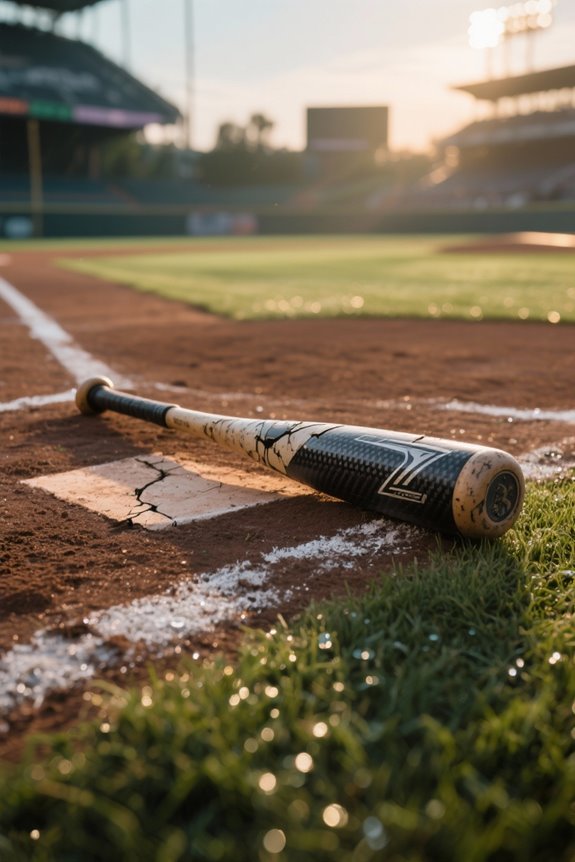
How Do I Fix A Cracked Composite Bat?

To fix a cracked composite bat, first identify whether damage is cosmetic or structural. Check for cracks in the sweet spot. Use tools like a bright LED flashlight and a magnifying glass for inspection. Repair involves cleaning the area, applying high-grade epoxy, and reinforcing with carbon fiber layers. Allow 24-48 hours for the repair to cure. Be cautious; repairs may void warranties, and damaged bats can be unsafe. Discover more about proper evaluations and safety precautions ahead.
Key Takeaways
- Inspect the bat thoroughly using a bright LED flashlight and magnifying glass to identify the extent and type of cracks.
- For minor surface cracks, clean the area and apply a high-grade epoxy resin, allowing a cure time of 24-48 hours.
- If deeper structural cracks are present, consult a professional for assessment, as repairs may not fully restore strength.
- Avoid using repaired bats immediately after fixing; ensure sufficient cure time in a controlled environment (around 70°F/21°C).
- Check manufacturer warranty policies; most DIY repairs can void warranties and may lead to safety risks during gameplay.
Understanding Composite Bat Cracks
You may be interested


Understanding the intricacies of composite bat cracks is essential for players and coaches alike. These bats are constructed using layered carbon fiber sheets and resin, creating a balance of strength and flexibility. However, over time, crack formation can occur due to material fatigue from repeated impacts—often exceeding 4,000 hits in a single season. The sweet spot is particularly vulnerable, experiencing the most stress. Cracks usually begin with delamination, where fibers start to separate, weakening the structure. Environmental factors can worsen this brittleness, leading to cracks around the barrel and handle. Even small cracks can considerably impact bat performance, altering energy return upon contact. Consequently, recognizing how and where cracks develop enhances understanding and care for these essential pieces of equipment. Additionally, maintaining equipment, such as baseball face guards, can also contribute to overall player safety and performance.
Identifying Structural vs. Cosmetic Damage
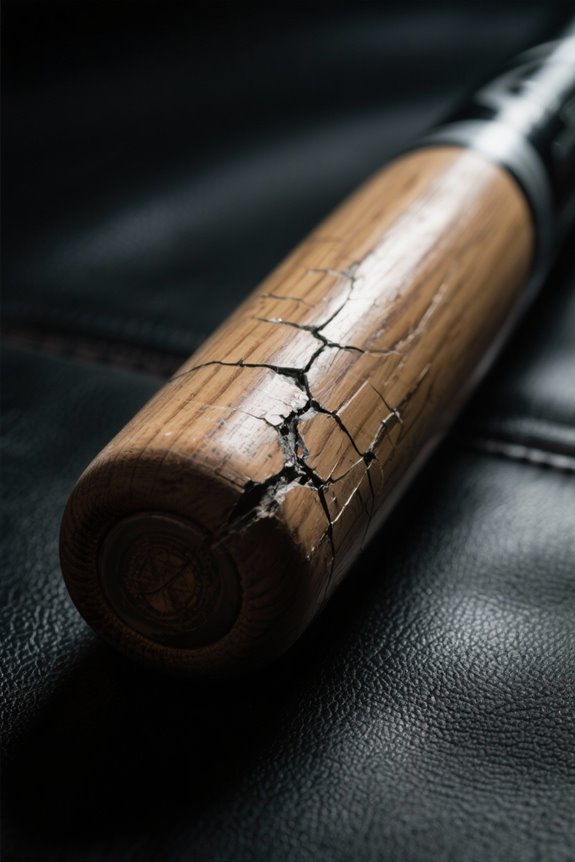
Determining the difference between structural and cosmetic damage in composite bats is essential for maximizing performance and safety. Cosmetic damage often includes surface-level imperfections like paint seams and clearcoat fractures. These issues do not affect the bat’s structural integrity or performance. In contrast, structural damage begins internally with delamination, which occurs when carbon fiber layers separate. Signs of this include internal cracks that usually go unseen but can lead to catastrophic failure. Players should conduct visual inspections, checking for cracks near the sweet spot. If hollow sounds emerge during a swing, the structure may remain intact. However, sharp snapping noises could indicate serious structural damage, warranting immediate attention. Knowing these differences helps players make informed decisions about bat usability, as understanding barrel size and design can further enhance performance.
Signs of Performance Degradation

Performance degradation in composite bats can be subtle yet significant. Players should be aware of performance warning signs, such as a noticeable decline in ball flight distance or velocity after extensive use. Studies show that batted-ball speed at the sweet spot can drop by up to 2% after several hundred hits. Other indicators include a dull sound at impact, less “pop” during swings, and visual cues like surface cracks or gouges. A consistent bat efficiency decline may also arise from environmental factors, such as exposure to extreme temperatures and moisture. If the bat feels less responsive or absorbs energy instead of transferring it, it may be time to evaluate its condition. Selecting the right bat type is crucial, as different materials and designs can impact performance over time. Addressing these signs promptly guarantees peak performance on the field.
Tools Needed for Crack Assessment

Evaluating cracks in a composite bat requires a variety of specialized tools to guarantee accurate diagnosis and effective repair. For visual inspection, a bright LED flashlight enhances surface detail, while a magnifying glass or jeweler’s loupe assists in distinguishing between paint and structural cracks. To highlight damage, using contrasting chalk can illuminate crack depth. Tactile assessment is equally critical; running fingers along suspected areas can reveal fracture depth, and a flexible probe tests for separation. For precise measurements, a micrometer or caliper determines crack width. Additional technologies include ultrasonic detectors and infrared scanners for a thorough assessment. Engaging with these tools fosters confidence in identifying issues, ensuring every bat enthusiast gets the most out of their equipment. Understanding the durability of pitching nets can also provide insights into the materials used in composite bats.
Recommended Products

Adjustable Beam Focus – Easily switch from spot to floodlight with a simple turn of the head.

99,000 Lumen Flashlight - Kmivo's high lumen flashlight uses an advanced P102-3 chip to provide even illumination. Kmivo's ultra-bright flashlight is the best choice for your wilderness adventures, camping, hiking, or home lighting.

The output of the green beam is ≤5mW, the class is 3R
Surface Preparation Steps
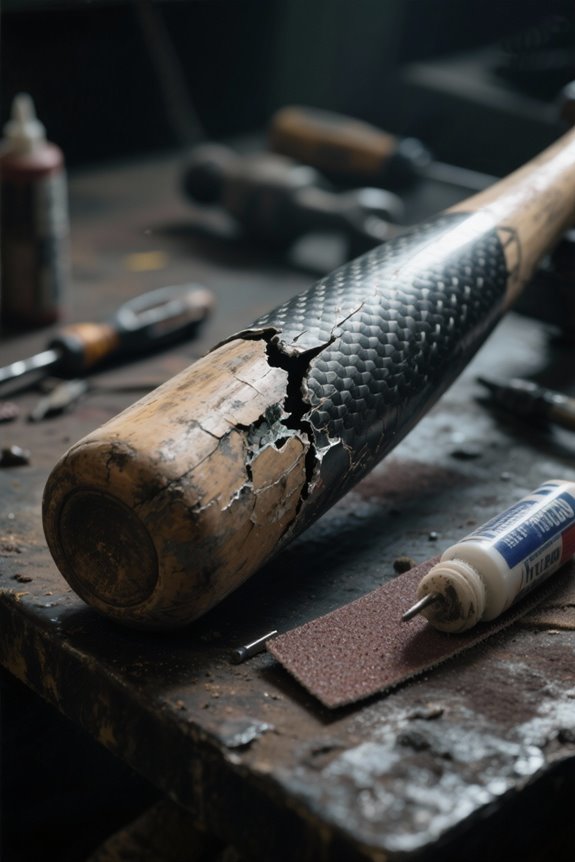
Preparing the surface of a cracked composite bat is a fundamental step that directly influences the success of the repair. Thorough cleaning is essential. Use rubbing alcohol and a lint-free cloth to eliminate dirt, dust, and oils, ensuring the bat is completely dry. Avoid water-based cleaners to prevent moisture issues. When utilizing sanding techniques, gently sand the cracked area with fine to medium grit sandpaper (100 to 220 grit). Focus on feathering the edges and removing any loose material without damaging the intact fibers. This creates a smooth surface for maximum bonding. Finally, apply masking tape around the crack to protect surrounding areas, ensuring a neat workspace for the repair materials. Be diligent in following these steps for a successful repair. Additionally, it’s worth noting that durability features play a crucial role in the longevity of equipment like bats.
Choosing the Right Repair Materials
When selecting repair materials for a cracked composite bat, the right choices can greatly enhance the repair’s durability and effectiveness. Opt for repair compounds that use carbon fiber, graphite, or fiberglass to closely match the bat’s original composition. These materials offer strength and flexibility, reducing the risk of future cracks. Specifically, carbon fiber reinforcement sheets provide exceptional tensile strength, while unidirectional layers increase stiffness. High-grade epoxy resins are vital as they bond effectively and add structural integrity. When choosing, guarantee compatibility with the bat’s thermoset structure, as these materials cannot be reshaped post-curing. While specialized coatings offer durability, they can be costly. Balancing quality with affordability is essential in accomplishing a successful repair.
Recommended Products

Fibre Glast Marine-Grade Bonding Adhesive – Pro strength structural adhesive trusted by the pros for boat repairs, auto parts and construction projects. Simply mix epoxy paste and hardener paste. Apply to permanently bond many materials.

High strength 6 in wide 480 gram /meter Twill Carbon Fiber patch - Superior bonding

High-Strength Marine Epoxy Resin Kits: System formulated for bonding, coating, and laminating. Build, repair, and restore boats, canoes, kayaks, SUPs, surfboards, RVs, and trailers. Stronger bonds and more durable than polyester fiberglass resin.
Epoxy and Adhesive Options
What types of epoxies and adhesives are most effective for repairing a cracked composite bat? Two-part epoxy resin is the standout choice due to its strong bonding and durability. Specifically formulated epoxy types for composites have an advanced resin design that seals and strengthens the fibers, which helps prevent further cracking. It’s vital to mix the epoxy with a hardener for best results; improper mixing can weaken the bond. High-strength industrial-grade epoxy is recommended for serious repairs like end caps. Avoid generic adhesives like Gorilla Glue, as they can compromise the bat’s integrity. For reliable and effective repairs, those seeking community support should look for products specifically intended for composite materials to guarantee performance and longevity in play. Additionally, understanding the importance of maintenance guidelines for wood bats can provide insights into keeping your composite bat in optimal condition.
Recommended Products

Two-part masonry repair epoxy adhesive paste replaces missing concrete or fills cracks on deteriorating masonry

High-Strength Bonding Applications: Delivers up to 6,950 PSI tensile strength for demanding repairs and assemblies; ideal for metal, wood, composites, and many plastics

✅ 5-MINUTE FAST SET, RELIABLE HOLD: Achieves handling strength in about 5 minutes with full cure in 24 hours. Designed for quick repairs when you need dependable results. Prep parts first and bond with confidence.
Applying the Repair Technique
Begin the repair process by thoroughly preparing the cracked area of the composite bat. First, clean the crack well to remove dirt, oil, and debris. Next, sand the surrounding area to create a rough surface, which is essential for effective repair techniques. Use isopropyl alcohol to wipe down the sanded surface, guaranteeing it is completely dry. Carefully remove any loose fibers without enlarging the crack. Then, apply the chosen repair material, like resin or adhesive, using tools such as toothpicks to assure deep penetration into the damage. Avoid excessive application to prevent unevenness. If multiple cracks are present, address each separately, and consider layering for deeper ones. These application methods will notably aid in restoring your bat’s durability. Regular maintenance, including evaluating equipment durability, is crucial to prolonging the lifespan of your bat.
Importance of Proper Cure Time
Proper cure time is a crucial aspect of repairing a cracked composite bat. Composite materials depend on the proper adhesion of resin and carbon fibers, which require a minimum of 24-48 hours of cure time to achieve peak bonding strength. Insufficient curing can lead to weak repairs, risking further damage under normal use. Experts recommend curing in a controlled environment, ideally around 70°F (21°C), to guarantee the resin fully sets and hardens. This attention to detail not only restores the bat’s performance characteristics but also extends its lifespan. Rushing repairs can compromise work, resulting in a bat that underperforms. Following established cure times fosters a strong, durable repair, so players can confidently use their bat without worries. Additionally, using quality materials during repairs can further enhance the durability and effectiveness of the fix.
Assessing Repair Limitations
Repairing a cracked composite bat presents its own set of challenges that cannot be overlooked. Many players fall victim to repair myths, believing that simple fixes can restore bat longevity and performance. However, composite materials are complex, made from layers of carbon fiber and other materials. Cracks often disrupt these layers, weakening the structure. While surface-level cracks may be cosmetic, structural cracks demand careful evaluation. Repairing these issues usually involves adhesives, which fail to restore the original strength. Furthermore, such repairs might void warranties and lead to unexpected failures during play. As a result, evaluating the crack type and understanding limitations is essential before attempting repairs, as manufacturer recommendations often lean toward replacement for safety and maximum performance. Additionally, utilizing durable materials in equipment can help prevent future injuries and ensure long-lasting performance.
Safety Concerns With Repaired Bats
When using a repaired composite bat, the risks to safety can increase markedly, especially if the repairs are not performed correctly. Jagged cracks or deep gouges can create sharp edges, raising the chance of cuts or injuries to players. These compromised bats often shatter unexpectedly, posing severe risks during gameplay. According to safety protocols, using a cracked bat can lead to unpredictable failures, making injury prevention vital. Such bats may also lose performance, affecting ball speed and control, leading to erratic ball exits. Additionally, improper repair techniques can further weaken the structure. Players are encouraged to retire damaged bats, ensuring a safer experience for everyone on the field. Staying informed enhances team safety and enjoyment of the game. Moreover, proper maintenance of equipment, including bats, is essential to prolong their life and ensure optimal performance during play.
Warranty Considerations Before Repair
Using a repaired composite bat comes with specific warranty considerations that every player should understand. Most manufacturers provide limited warranty coverage of one year from the purchase date, covering defects like structural cracking and broken knobs. However, DIY repairs usually void this warranty, impacting claim eligibility. To access warranty services, players must be the original purchasers and keep a receipt from authorized dealers. Bats bought from unauthorized sellers or those modified are often ineligible for repair or replacement. Warranties do not cover damage from misuse or normal wear and tear, so understanding the terms is crucial. Players should weigh these factors carefully before deciding to attempt any repairs on their bat.
When to Seek Professional Help
Professional help should be sought immediately if cracks threaten the bat’s integrity or extend deeper than surface-level damage. When cracks compromise vital areas, such as the handle or barrel walls, a professional evaluation becomes important. If a bat’s performance degrades considerably after proper break-in, it’s time to consult an expert. Uncertainty about the type of composite material and the right repair method indicates the need for assistance. Repairs must comply with league rules and manufacturer warranties, ensuring safety and functionality. For those with expensive or sentimental bats, preserving performance and longevity should be a priority. An expert assessment clarifies whether a repair is feasible within established repair thresholds or if replacement is necessary.
Recommended Products

Kit Includes: 1 Driver Side Headlight Assembly; 1 Passenger Side Headlight Assembly

The netting is constructed from #42 twine size, 60-ply, knotted HDPE (high-density polyethylene)

FITS ON CRAFTSMAN 25CC CARBURETOR, Replaces 753-06288, 751-15112A, 753-08984, 751-15112; ZAMA C1U-P27; This replacement carburetor designed for use with gas trimmers. For Craftsman Troy-Bilt MTD Trimmer.
Frequently Asked Questions
Can I Use Super Glue for Bat Repairs?
Super glue effectiveness is notable for minor bat repairs, quickly bonding cracks with ease. However, users should consider bat repair alternatives, like epoxy, for larger damages to guarantee lasting durability and ideal performance.
How Long Does a Repair Last Before Needing Another?
Repair longevity for composite bats varies, typically lasting weeks to months. Consistent bat maintenance, such as regular inspections and proper storage, can greatly extend the time before another repair or replacement is necessary.
Will Repairing a Bat Affect Its Resale Value?
Repairing a bat greatly affects its resale value in the market. Buyers prioritize unmodified equipment for ideal performance, making the bat condition post-repair essential; many prefer untouched models, limiting interest in previously repaired options.
Can I Paint Over the Repaired Area?
Painting over the repaired area may enhance bat aesthetics, but caution is advised. Employing proper painting techniques is essential, as improper application risks violating league regulations, potentially compromising the bat’s integrity and usability in sanctioned play.
Is It Safe to Use a Repaired Bat in Games?
Using a repaired bat in games raises bat durability concerns and game performance implications. Compromised integrity could lead to sudden failures, risking player safety and violating league regulations. Opting for a replacement bat is advisable.