As an Amazon Associate, we earn from qualifying purchases. Some links on this site are affiliate links at no extra cost to you. Our recommendations are based on thorough research and editorial judgment.

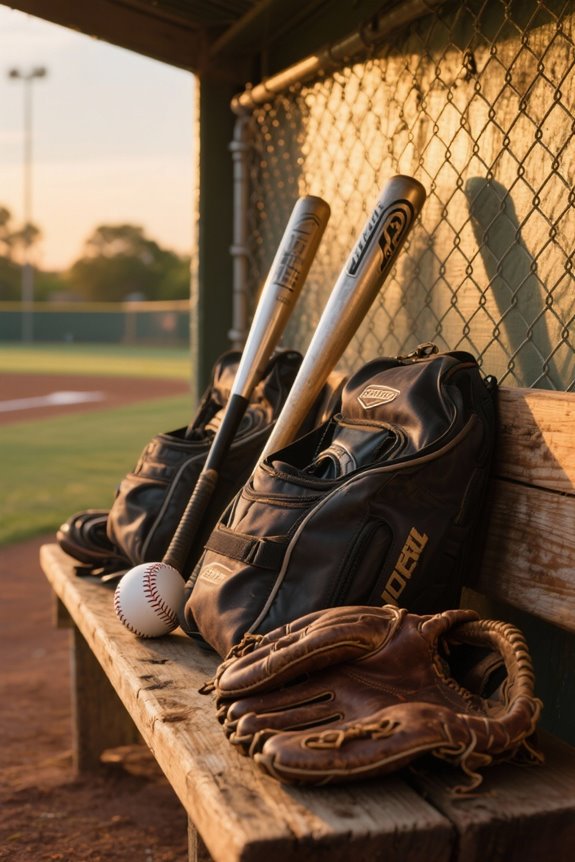
How Should I Store My Softball Equipment Between Seasons?

To store softball equipment between seasons, start with thorough cleaning using a leather-safe cleaner for gloves and mitts, and a magic eraser for bats. Dry everything completely before storage. Organize equipment in designated zones using wall-mounted racks and breathable bins. Keep the storage area at 55°F to 85°F, ensuring humidity stays below 55%. Utilize portable carts for transport and inspect regularly for wear. With these steps, gear longevity is assured, and more insights await.
Key Takeaways
- Clean all equipment thoroughly to remove dirt and sweat before storing, using appropriate methods for different materials.
- Organize gear into designated zones using labeled containers and wall-mounted storage for easy access and safety.
- Maintain a consistent temperature between 55°F and 85°F with humidity below 55% to protect against mold and damage.
- Conduct regular inventory checks and document the condition of gear to ensure proper maintenance and accountability.
- Ensure good ventilation in your storage space to prevent moisture buildup and promote airflow for longevity of materials.
Cleaning and Preparing Your Equipment
You may be interested


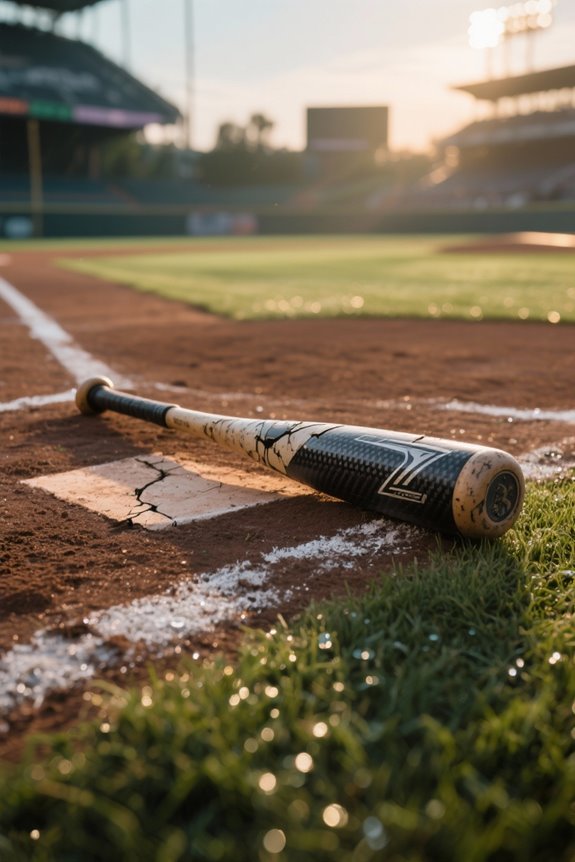
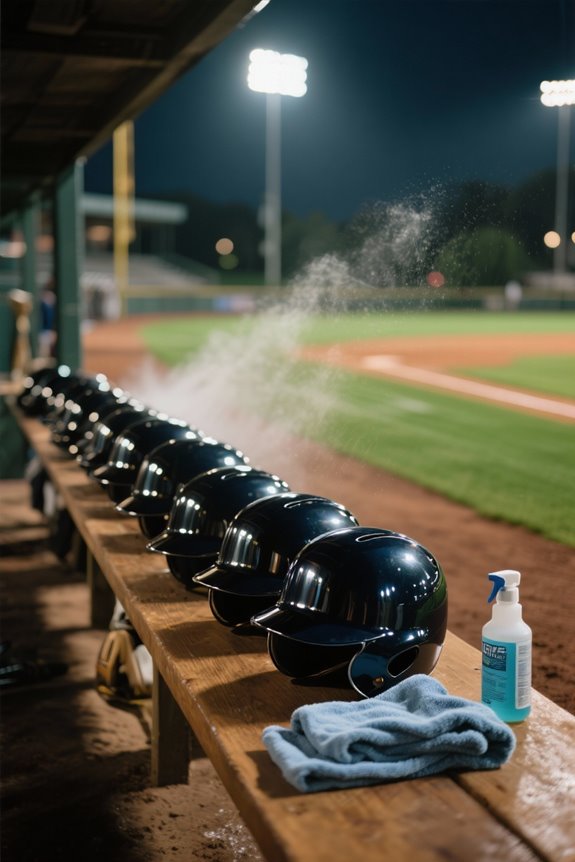
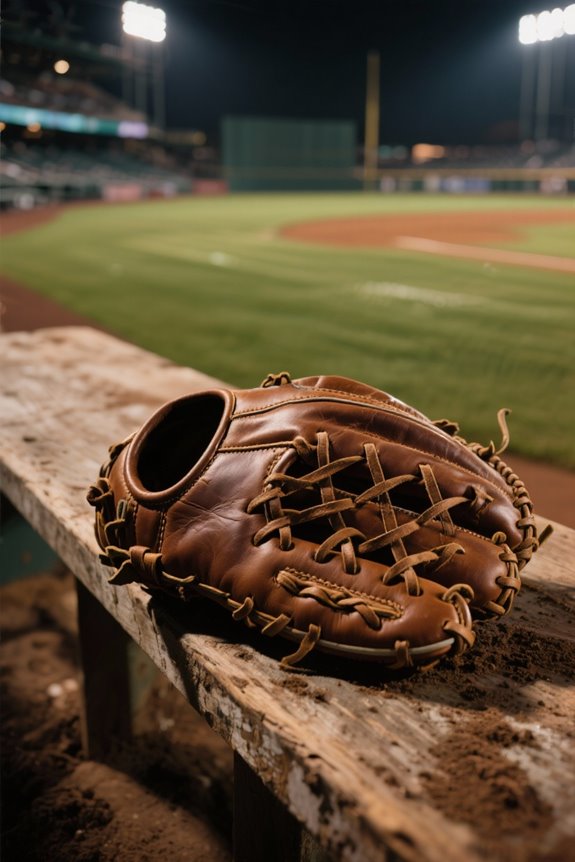
Cleaning and preparing softball equipment is a crucial step for maintaining performance and extending the life of gear. Each piece requires specific cleaning techniques, ensuring it remains in top condition. For gloves and mitts, gently remove dirt with a soft-bristled brush and wipe them with a damp cloth and leather-safe cleaner when necessary. Bats should be cleaned using a magic eraser to tackle deeper grime, followed by thorough drying to prevent corrosion. Catcher’s gear needs spot cleaning with mild soap, while cleats can be washed with warm water; remove insoles for delicate cleaning. Utilizing appropriate protective supplies, like sport-specific disinfectant sprays, can help combat odors and bacteria, making each season more enjoyable and safe for players. Additionally, ensure that your gear meets NOCSAE standards for optimal safety and performance throughout the season.
Organizing Your Storage Space
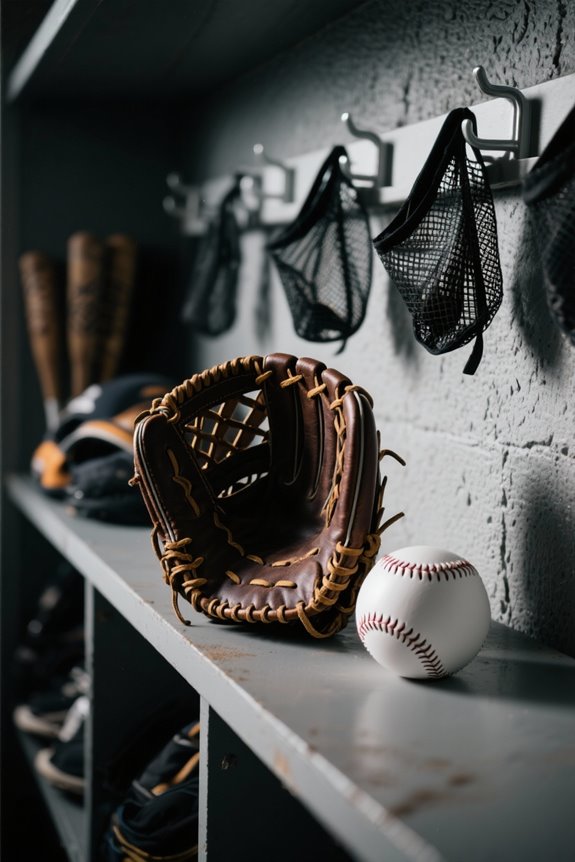
An organized storage space can dramatically enhance a player’s experience by making equipment easily accessible and manageable. Establishing designated zones for different types of softball gear is essential. Utilize wall systems with slatwall panels, hooks, and shelves to group bats, gloves, and helmets effectively. Store balls in mesh baskets to minimize clutter, promoting efficiency. Employ clear storage containers for visibility, labeling bins for quick access to specific items. Consider using portable 5-gallon buckets for easy transport. Stackable wooden crates and adjustable storage solutions maximize vertical space and keep the area tidy. Implementing these organization strategies fosters a sense of belonging within the team, ensuring that each player finds their gear conveniently, encouraging regular practice and participation. Additionally, investing in a durable baseball bag can further streamline the storage and transportation of your equipment.
Recommended Products

StoreWALL slatwall fitness kit for home gyms, perfect for basement or small spaces

Proslat Slatwall Panels include all required trims and hardware for installation
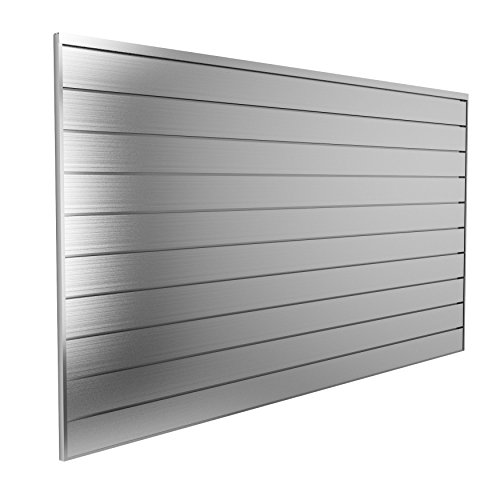
Rugged, interlocking aluminum panels - water and are 100% fireproof; easy to clean - wipe with damp cloth
Climate Control Considerations
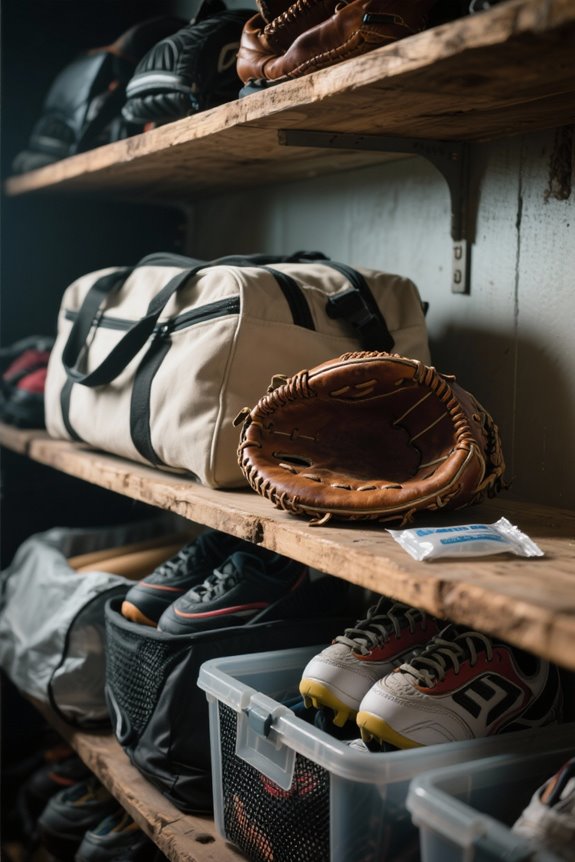
When selecting a storage solution for softball equipment, it is essential to contemplate climate control. Maintaining a consistent temperature between 55°F and 85°F is critical to prevent warping, brittleness, and degradation of materials. Temperature extremes can compromise the integrity of bats, gloves, and helmets. Additionally, keeping humidity levels below 55% is important to limit mold, mildew, and rust, which can accelerate the deterioration of leather and metal components. For ideal preservation, cleaning equipment before storage and using vented bins can promote air circulation. A dry, climate-controlled environment safeguards each piece of gear, ensuring it remains ready for the next season. Investing in the right storage conditions ultimately extends the lifespan and performance of softball equipment. Furthermore, durability and resistance to environmental factors can significantly enhance the lifespan of equipment stored properly.
Recommended Products

Panel Ready: Customize the exterior panel to seamlessly integrate with your cabinetry, achieving a sleek, built-in look that enhances your kitchen's aesthetic appeal (Panel not included).

Dual Icemakers - Dual Icemakers work together to produce up to 7.7 pounds of ice per day, thanks to icemakers in both the refrigerator and freezer drawer

Large Capacity: With 18.9 cu.ft of interior space, this refrigerator French door appliance offers 3 repositionable shelves and 2 freezer drawers. Combined with clear trays and door bins, it simplifies storage for family meals, events, and everyday organization
Equipment-Specific Storage Solutions

Proper storage of softball equipment enhances performance and longevity. Using mesh bags provides easy visibility and protection for gloves, helmets, and bats, while heavy-duty waterproof materials prevent damage from moisture. Bag compartments organize gear effectively, reducing tangles. Wall-mounted racks designed for bats keep them accessible and safe from damage. Adjustable ball racks are adaptable, accommodating different softball sizes. Portable carts or storage totes make transporting gear easy, featuring durable zippers and wheels for ergonomic movement. Specialized holders for softballs maintain organization, while mesh baskets secure smaller items like pads or gloves. This collection of gear-specific storage options cultivates a seamless experience, promoting greater enjoyment and connection to the beloved sport of softball. Additionally, choosing bags with compartment organization features can further enhance the accessibility of your gear during practices and games.
Recommended Products
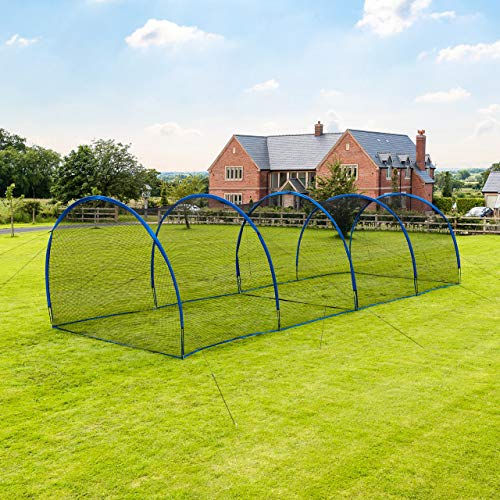
INSTANT SETUP – The FORZA Pop-Up Baseball Batting Cage offers hassle-free, fast assembly with its flexible fiberglass frame and elasticated sections. Perfect for quick indoor and outdoor setup, it gives athletes more time to practice with minimal preparation required.

PORTABLE LACROSSE GOALS - This Bownet Lacrosse Goal has a rigid steel frame, durable BOW-poles, and UV treated nylon mesh lacrosse netting for team practice or backyard fun.

CATCHERS GEAR BAG WITH WHEELS - The Bownet Commander Catchers Bag is designed with extra mobility and patented Big Trax rugged, rubber treaded wheels to effortlessly carry equipment for baseball, softball, tee-ball, wiffle ball, and even sports like hockey, football, soccer, and lacrosse.
Maintenance for Longevity

Regular maintenance is crucial for extending the life of softball equipment. Cleaning gear promptly removes dirt and sweat that cause wear, using damp cloths and mild soap solutions. Proper handling includes inspecting padding, straps, and stitching for damage before each season. For prolonged lifespan, store equipment in dry, well-ventilated areas to prevent moisture-related issues. Equipment should be completely dry, avoiding moisture-trapping plastic bags. Keep bats and gloves in moderate temperatures, avoiding extremes that can warp materials. Washing protective gear by hand helps maintain their integrity, while checking them regularly for wear guarantees safety during use. Following these protocols allows players to enjoy their equipment season after season, keeping it in top condition and ready for play. Additionally, consider using moisture-wicking properties in your storage solutions to further prevent moisture buildup.
Optimizing Space and Accessibility
An organized storage space can greatly enhance accessibility and efficiency for softball players. Utilizing vertical storage and wall organization maximizes usability. Slatwall panels allow for flexible hanging of gloves, helmets, and bats, while pegboards can be tailored for various accessories. Use wall-mounted racks to store bats upright, preventing warping and saving valuable floor space. Freestanding shelving units keep gear categorized and off the ground. For small items, consider clear bins on shelves, making organization easy. Reserve lower shelves for heavier gear like helmets for stability. Overhead racks are ideal for bulkier, off-season items. Ensuring frequently used equipment is stored at eye level enhances quick access, creating a smooth flow during practices and games. Efficient storage fosters a sense of belonging for every player. Additionally, large capacity organizers can help in managing various pieces of equipment effectively, ensuring that everything has its place.
Recommended Products

All-in-One Sports Equipment Organizer: This upgraded organizer combines a golf bag rack, ball rack, and ski storage in one unit. It easily holds 2 golf bags, bats, skis, yoga mats, roller skates, helmets, multiple balls, and kid’s toys for centralized access

SPACE-SAVING WALL STORAGE – Clear floor space in your home gym or fitness studio by securely storing slam balls, medicine balls, or basketballs on the wall with this rack.

LARGE GARAGE ORGANIZATION: This sports organizer combines 3 major parts: It offers 4 garage hooks for hanging, 3 bins with a different design for various sizes sports items and bat racks, hockey racks. Organize all your indoor & outdoor sports goods on one basket for truly space saving and providing easy access.
Regular Inventory Checks
Inventory checks form a critical system for maintaining equipment organized and functional. Regular reviews guarantee inventory accuracy, helping teams track their softball gear effectively. Implementing digital inventory systems provides immediate updates upon acquiring or disposing of items. This technology grants real-time status reports on each piece of equipment, allowing for precise equipment tracking.
Scheduled physical audits should occur monthly or seasonally to tally items against records. Tags like barcodes or RFID help identify discrepancies, guaranteeing accountability. Documenting the condition of equipment, such as wear or damage, during these checks informs maintenance decisions. By examining inventory together, coaches and staff foster collaboration and preparedness, readying their teams for future seasons with ease and efficiency. Additionally, high-quality leather gloves should be inspected regularly to ensure they remain in optimal condition for the next season.
Protection Against Pests and Damage
Protecting softball equipment from pests and damage is essential for maintaining its longevity and functionality. Using airtight, sealed plastic bins provides an effective sealing technique to block rodents and insects from reaching gear like gloves and helmets. Bats and balls should be stored in solid containers that fully close. Implementing pest repellent strategies, such as placing cedar chips or mothballs in storage spaces, deters unwanted pests while keeping gear fresh. Always clean and dry equipment before storage, as leftover dirt and sweat attract pests. Regularly inspect for holes or frayed seams, guaranteeing that everything remains tight. Additionally, storing gloves in a way that maintains their proper fit can prevent damage and prolong their lifespan. By following these straightforward methods, athletes can guarantee their equipment is safe, secure, and ready for the next season!
Recommended Products

Made in the USA: Veteran-owned and based in Evansville, Indiana—we stand by our products and put customers first. Our long-term food storage containers, pails, and buckets are durable, reliable, and built to last. It’s a food-grade 5-gallon bucket with lid you can rely on.

Dimensions & Size: The storage containers have outside dimensions of 30 1/4" x 19 5/8" x 16 3/4" and interior dimensions at the bottom of 24 3/8" x 15 3/4" x 15 1/8", providing plenty of room for all your storage needs.

MADE IN USA: Quality you can trust! Our storage bins are proudly crafted in the USA using high-quality, durable materials, ensuring your belongings stay safe and secure.
Seasonal Storage Environment Assessment
When evaluating the seasonal storage environment for softball equipment, it’s important to contemplate both storage temperature and humidity levels. Ideally, humidity should range between 30-50% to deter mold and mildew, which can harm gear. Fluctuating temperatures can warp materials like leather and rubber, so stable climate control is crucial.
For the best conditions, consider using climate-controlled storage units, which protect against drastic changes. If using non-climate-controlled spaces, employ dehumidifiers or moisture absorbers to manage humidity. Also, make sure good ventilation to keep air circulating, preventing moisture buildup. Store items off the floor and in breathable bins to shield against dust and pests. Taking these steps will prolong the lifespan of cherished softball gear, maintaining its readiness for future seasons. Additionally, be mindful of the durability of materials when selecting storage solutions to ensure your gear remains in optimal condition.
Frequently Asked Questions
How Can I Choose the Right Storage Bins for My Equipment?
To choose the right storage bins for equipment, one should prioritize durable storage materials and consider size considerations. This guarantees ample space for gear and protects belongings, fostering an organized and secure environment for seasonal storage.
Should I Store My Equipment Indoors or Outdoors?
Storing equipment indoors offers protection from weather elements, mold, and pests, ensuring longevity. In contrast, outdoor storage poses risks like moisture damage and theft, ultimately affecting the gear’s quality and the player’s belonging to the sport.
Can I Use Plastic Bags for Storing Gloves and Helmets?
Using plastic bags for glove care and helmet maintenance is inadvisable, as they trap moisture, fostering mold and mildew. Instead, opting for ventilated storage solutions guarantees better preservation and longevity of valuable equipment.
What Is the Best Way to Label My Storage Containers?
Effective labeling strategies enhance container organization by employing clear, durable labels that indicate contents and condition. Color-coded systems and visible placements guarantee quick identification, fostering a sense of belonging within a well-maintained sports environment.
How Do I Deal With Equipment Odors During Storage?
To address equipment odors during storage, thorough equipment cleaning followed by effective odor removal techniques, such as using baking soda or vinegar sprays, minimizes bacteria and freshness, ensuring cherished gear remains in ideal condition for future use.