As an Amazon Associate, we earn from qualifying purchases. Some links on this site are affiliate links at no extra cost to you. Our recommendations are based on thorough research and editorial judgment.

What’s The Best Method To Clean Batting Helmets?

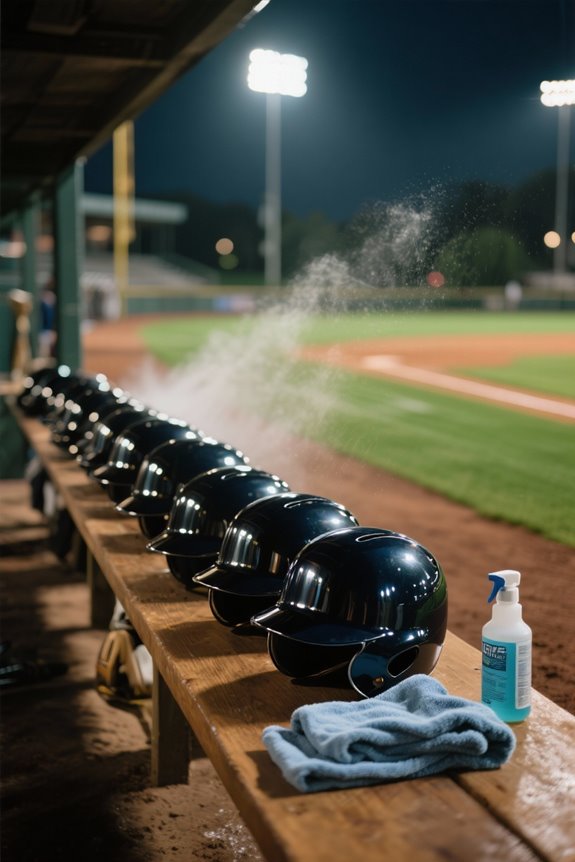
To clean batting helmets effectively, gather essential tools such as mild soap, microfiber cloths, and a soft-bristled brush. Start by removing loose dirt with the brush. Use a solution of warm water and mild soap to wipe the exterior and rinse with a clean cloth. For the interior, check if padding is removable. Rinse it under warm water and use helmet-specific spray on surfaces. Confirm proper drying in a shaded area, and stick around to discover more cleaning tips!
Key Takeaways
- Use a soft-bristled brush or microfiber cloth to remove loose dirt and debris from the helmet before washing.
- Prepare a mild soap solution with warm water for wiping the helmet’s exterior and rinsing with a clean cloth.
- Remove padding if possible, rinse under warm water, and use a sports-gear-specific cleaning spray or mild soap on interiors.
- Air-dry all components in a shaded area to prevent damage from direct sunlight and moisture retention.
- Regularly inspect and clean helmets to maintain safety standards and prolong their lifespan for better player protection.
Preparing for Cleaning Your Batting Helmet
You may be interested
10 Best Batting Helmets for Safety and Style on the Field
November 26, 2025
How Do I Break In A New Baseball Glove Properly?
November 26, 2025

How Do I Clean And Maintain My Pitching Net?
November 26, 2025
Preparing to clean a batting helmet requires careful attention to its materials and components. A pre-cleaning checklist is essential. Start by identifying the helmet shell material, typically plastic, to select safe cleaning agents. Inspect the padding, which is often foam and fabric, needing gentle methods. Helmet inspection tips include looking for removable parts like harnesses and checking for manufacturer warnings against harsh chemicals. Examine the helmet for dirt or sticky residues, and confirm hardware is secure. Finally, assess fit and size for best storage. By following these steps, batters can make certain their helmets are not only clean but also maintain protective qualities, fostering a sense of safety and readiness for the game ahead. Additionally, ensuring your helmet meets NOCSAE standards for safety is crucial during the cleaning process to preserve its protective features.
Gather Essential Cleaning Tools

Gathering essential cleaning tools is a critical step in maintaining a batting helmet’s integrity and performance. Begin with high-quality cleaning supplies, such as mild soap or sports-specific disinfectant sprays like MatGuard. Foam and plastic parts require delicate care, so avoid harsh chemicals like bleach. A soft-bristled brush effectively removes dirt without scratching surfaces, complemented by lint-free or microfiber cloths for wiping. These guarantee no particles remain to harm the helmet. Additionally, consider a helmet storage rack to maintain shape and ventilation. Proper drying tools, like clean towels, help prevent moisture buildup. Prioritize safety equipment to protect your helmet’s longevity while keeping it clean and ready for action on the field. Regular cleaning not only enhances hygiene but also ensures that your helmet remains compliant with safety standards compliance, which is crucial for optimal protection during play.
Understanding Helmet Materials

Batting helmets are essential safety gear made from a variety of sophisticated materials designed to protect players during high-speed play. The most common shell material, ABS plastic, offers excellent impact absorption, allowing it to flex and distribute forces effectively. Advanced models use aerospace-grade carbon fiber composites, which are up to 300% stiffer and 130 times stronger than ABS, ensuring top-tier protection. Polycarbonate is also popular for its high durability and impact resistance. Inside, dense foam padding enhances both comfort and shock absorption, while moisture-wicking fabrics line the interior to keep players fresh. Together, these materials not only meet safety standards but also contribute to the helmet’s overall performance and longevity, delivering confidence on the field. Choosing helmets with NOCSAE certified standards ensures reliable safety during gameplay.
Exterior Cleaning Method

Cleaning the exterior of a batting helmet requires a careful yet thorough approach to maintain its integrity and appearance. Begin by using a soft bristled brush or a lint-free microfiber cloth to remove loose dirt and debris. Next, prepare a cleaning solution with warm water and mild soap. Gently wipe down the helmet, including vents, to remove grime. Rinse with a clean cloth to avoid residue. For stubborn stains, employ scuff removal techniques using acetone-free nail polish remover on small marks. Finish by drying the helmet with a clean towel and air drying in a shaded area. Regular exterior surface care will not only enhance the helmet’s look but also prolong its lifespan, ensuring it remains a valued piece of gear. Remember that moisture-wicking liners are important for managing sweat and maintaining comfort during gameplay.
Recommended Products

Reduces the fit of compatible Velo helmets by two hat sizes

𝗛𝗔𝗧 𝗖𝗔𝗥𝗘 𝗞𝗜𝗧 — Our hat cleaner kit includes a powerful cleaning solution to break down sweat and grime, a soft-bristle brush to safely lift stains Everything you need to clean, restore, and maintain your caps in one simple kit.
Interior Cleaning Method

The interior of a batting helmet deserves as much attention as its exterior. For ideal interior hygiene, start by checking if the helmet’s padding is removable. If it is, carefully detach it for thorough cleaning. Rinse the padding under warm water to remove sweat and debris, following the manufacturer’s guidelines. Use a sports-gear-specific cleaning spray on the inner surfaces, wiping gently with a clean cloth to eliminate grime. For foam and fabric, a mild soap solution applied with a soft cloth works best. Avoid hot water and harsh chemicals. After cleaning, air-dry all components in a shaded area. Regular maintenance, including routine cleanings post-game, is essential for prolonging helmet integrity and comfort. Additionally, ensuring the helmet meets NOCSAE safety standards can provide reliable protection while keeping it clean and well-maintained.
Recommended Products
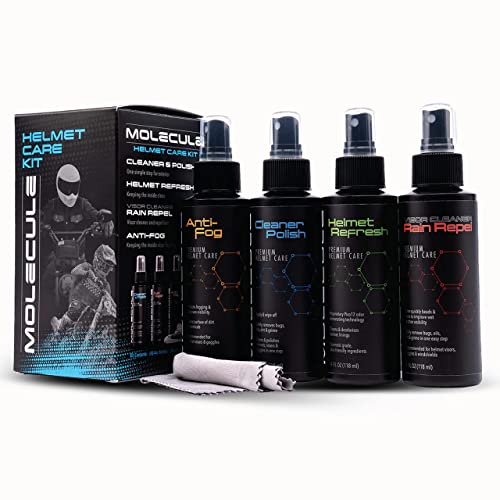
Cleans and polishes helmets, visors in easy application

Helmet Liner Cleaner and Deodorizer: Specially formulated to clean, freshen and deodorize all foam helmet liners effectively

Pediatrician Tested - Evaulated for use during cranial helmet therapy to help ensure a gentle and parent-trusted cleaning solution.
Deodorizing and Stain Removal Techniques
Maintaining a batting helmet involves more than just cleaning the interior; it also requires effective deodorizing and stain removal techniques. Using deodorizing sprays such as Vapor Fresh can help eliminate odors inside the helmet without causing damage. Spraying these products after cleaning allows for long-lasting freshness. To tackle stains, a mild detergent mixed with warm water, applied with a soft brush, effectively lifts grime. For tougher marks, a small amount of rubbing alcohol can safely be employed. Care should be taken when using stain removers, ensuring they do not contain harsh solvents that could harm the helmet’s materials. Regularly deep-cleaning and deodorizing enhances both the lifespan and hygiene of the helmet, making it a worthwhile routine. Additionally, consider using high-quality materials to help prevent odors and stains from setting in the first place.
Recommended Products
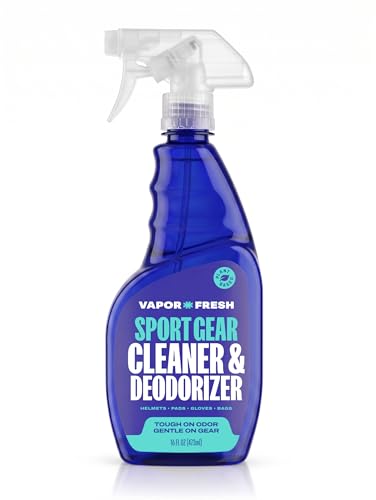
Clean And Deodorize Sports Equipment: Effective at eliminating odors from helmets, gloves, bags and other sports pads. Perfect for boxing, hockey, football, MMA, lacrosse, soccer, volleyball, kickboxing and more

Deep Cleans & Deodorizes Helmet Linings – Effectively removes sweat, dirt, and odor from helmet interiors, keeping your gear fresh and comfortable ride after ride.

Sports Gear Odor Eliminator for Shoes, Cleats & Gear Bags: DirtBag Gear Spray helps fight odor in athletic shoes, cleats, gym bags, gear bags, gloves, helmets, and sports equipment after games, practices, workouts, and tournament weekends. Not a room spray, a gear spray.
Proper Drying and Storage Practices
To guarantee that batting helmets remain in peak condition, proper drying and storage practices are essential after each use. Employ effective drying techniques by removing liners and padding for better airflow, shaking out excess moisture, and air drying in a cool, well-ventilated area. Position helmets to maximize air circulation and avoid heat sources that may warp materials. For enhanced drying, fans can be strategically placed to blow cool air through helmet vents. Once dry, use breathable storage solutions, ensuring helmets are not stacked tightly, which facilitates airflow. Store them away from damp environments and consider incorporating dehumidifiers for ideal humidity control. Following these steps not only maintains hygiene but also prolongs the lifespan of valuable equipment, as proper fit adjustments can further enhance the helmet’s effectiveness and comfort during use.
Recommended Products

【Hockey Gear Drying Rack】:Designed for Hockey players, this hockey gear drying rack is built to organize and dry hockey gear efficiently. Made for full sets of hockey equipment, this durable hockey equipment drying rack features a reinforced frame with integrated hockey stick holder, providing a practical solution for storing hockey accessories while keeping all hockey gear properly ventilated.
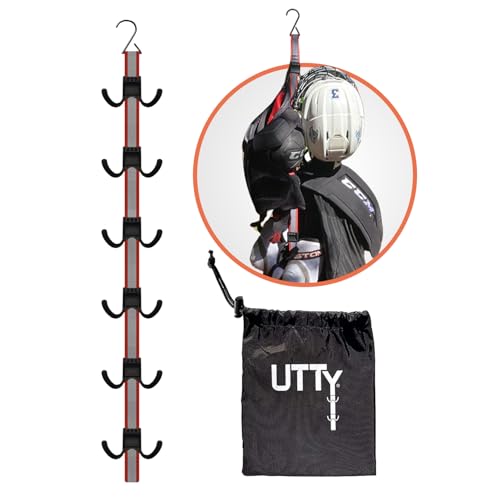
VERTICAL MULTIPURPOSE HANGER RACK: Our hockey gear drying rack works as a reliable sports equipment organizer and dependable gear keeper for everyday routines. Designed as a hockey drying rack and hanging drying rack, the vertical layout improves airflow while functioning as a compact sports rack and convenient travel drying rack for active lifestyles.

BATTING GLOVE HANGER DESIGNED FOR BASEBALL/SOFTBALL PLAYERS
Common Mistakes to Avoid While Cleaning
Avoiding common mistakes during the cleaning process is essential for maintaining batting helmets in top condition. One common cleaning myth is the use of harmful cleaning substances like bleach or strong solvents, which can damage the helmet’s shell and padding. Instead, opt for mild, helmet-specific cleaning products. Excessive water exposure is another error; soaking can weaken adhesives and lead to mold growth. Users should avoid washers or dishwashers and use damp cloths instead. Ignoring manufacturer instructions can void warranties and reduce safety. Thoroughly clean all contact areas to combat bacteria buildup. Regular inspections during cleaning guarantee damage doesn’t go unnoticed, guarding against compromised protection. Following these guidelines enhances helmet longevity and user safety. Additionally, it’s important to remember that regular inspection of padding and straps for wear ensures safety and longevity of helmets.
Tips for Regular Maintenance of Batting Helmets
Regular maintenance of batting helmets is essential for ensuring safety and prolonging their lifespan. Players should employ the best cleaning techniques by wiping the helmet’s exterior with a damp cloth after every use to eliminate dirt and sweat. Thoroughly clean contact points like interior padding and chin straps with mild soap or helmet-specific disinfectant, steering clear of harsh chemicals. It’s crucial to inspect the helmet regularly for cracks and check padding integrity. Store helmets in dry, cool places to avoid material degradation. For ideal maintenance frequency, check helmets weekly and disinfect regularly. Following these steps fosters a strong sense of community and responsibility among teammates, as well-maintained helmets contribute to everyone’s safety on the field. Additionally, understanding league certifications for helmets can enhance players’ awareness of necessary safety standards.
Frequently Asked Questions
How Often Should I Clean My Batting Helmet?
In the game of upkeep, maintenance tips suggest cleaning frequency should align with usage intensity. After each play, a quick wipe guarantees freshness, while thorough cleans should follow demanding sessions, keeping the helmet as heroic as its wearer.
Can I Machine Wash the Helmet Liners?
Machine washing helmet liners is not advised due to potential damage. Proper helmet maintenance includes gentle hand washing and avoiding harsh techniques to preserve safety features, ensuring ideal protection and comfort for players feeling part of the sport.
What Should I Do if My Helmet Is Damaged?
If a helmet is damaged, perform a thorough helmet inspection for visible issues, explore repair options for minor dents, but replace it immediately for significant cracks. Safety is paramount to guarantee every player feels secure and included.
Are There Specific Brands of Cleaning Solutions Recommended?
MatGuard disinfectant spray and wipes are highly recommended cleaning products for helmets. Additionally, Mr. Clean Magic Eraser effectively removes scuffs, while gentle soaps provide safe alternatives, ensuring proper care and maintenance for team equipment.
How Can I Tell if My Helmet Needs Replacement?
To determine if a helmet needs replacement, assess signs of wear, evaluate its lifespan based on safety standards, and consider impacts. Prioritize safety by ensuring a secure fit, intact padding, and overall structural integrity.