As an Amazon Associate, we earn from qualifying purchases. Some links on this site are affiliate links at no extra cost to you. Our recommendations are based on thorough research and editorial judgment.


How Do I Call Pitches Effectively As A Catcher?

To call pitches effectively as a catcher, build a solid relationship with your pitcher based on trust and respect. Understand their strengths and preferences, while analyzing opposing hitters’ tendencies. Use clear, varied signals to prevent sign stealing, enhancing communication with simple hand gestures. Always monitor the pitcher for signs of fatigue and adjust your calls as needed. Pay attention to hitters’ adjustments during the game. There’s much more to master, so keep exploring strategies and techniques.
Key Takeaways
- Build a strong rapport with your pitcher through trust, communication, and understanding each other’s preferences and strengths.
- Analyze opposing hitters thoroughly to identify their tendencies and adjust pitch calls based on their weaknesses.
- Stay attentive to your pitcher’s state during the game and adapt pitch selections according to their fatigue and confidence levels.
- Use clear, consistent hand signals to communicate effectively and reduce confusion while mixing signals to thwart sign stealing.
- Conduct pre-game discussions with coaches and pitchers to establish strategies and understand environmental factors impacting pitch selection.
Building a Strong Pitcher-Catcher Relationship
You may be interested



Building a strong pitcher-catcher relationship is essential for success on the field. Trust development and mutual respect form the core of this partnership. Effective communication, both verbal and non-verbal, is critical. Clear hand signals can eliminate pitch confusion, while discussions prior to games foster understanding and enhance game pacing. Adaptation is important; a catcher must gauge a pitcher’s moods and comfort levels for smooth synchronization. This collaboration shines during in-game adjustments, reducing the chance of giving batters an advantage. Research shows that long-term pairings yield more wins as pitchers perform better with catchers they trust. Ultimately, as they build confidence and psychological comfort together, they create a rhythm that allows for sharper execution and improved overall performance. Additionally, utilizing tools like magnetic lineup boards can further enhance communication and strategy execution during games.
Understanding Your Pitcher’s Strengths and Preferences

Understanding a pitcher’s strengths and preferences is essential for a catcher aiming to enhance performance on the field. Catchers must identify their pitcher’s best varieties, such as fastballs or sliders, and recognize when these pitches are most effective. Observing pitcher confidence indicators is vital; knowing which pitches they trust in various game situations allows for stronger pitch selection strategies. It’s important to monitor the pitcher’s comfort zones and adapt calls to reflect that understanding. Additionally, the catcher should be aware of the pitcher’s limitations, tailoring pitch calls to avoid risky options when confidence wanes. This knowledge builds a stronger connection, allowing both players to sync rhythmically, ultimately improving in-game execution and overall team performance. Incorporating safety standards into practice can also enhance a pitcher’s confidence, knowing that their catcher is well-equipped to handle any situation.
Analyzing Opposing Hitters Thoroughly

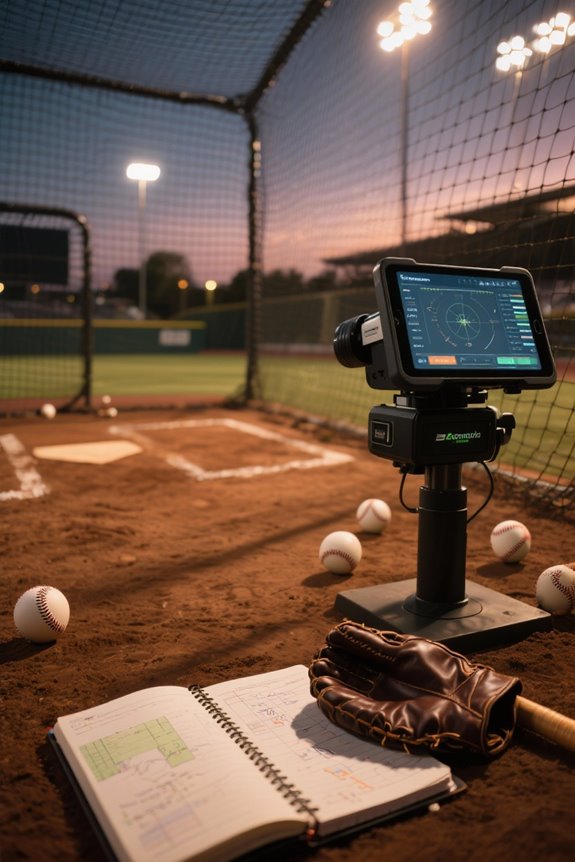
Analyzing opposing hitters thoroughly is essential for catchers who aim to create effective game strategies. Understanding hitter tendencies is vital; catchers should identify whether a hitter prefers certain pitch types or situations. For instance, a power hitter might struggle with off-speed pitches but excel with fastballs. Utilizing video analysis allows catchers to observe swing mechanics and timing. Reviewing heat maps can reveal hot and cold zones, pinpointing where hitters are most vulnerable. Additionally, catchers need to note the batter’s performance data against different pitch locations. By tracking the hitter’s adjustments during games, the catcher can fine-tune pitch calls, leveraging their pitch preferences to exploit weaknesses and maximize their team’s success. This all-encompassing approach guarantees a strategic edge in every at-bat. Furthermore, employing adaptable drills can enhance a catcher’s skills in pitch calling and game management, ensuring they are well-prepared for various situations.
Recommended Products

【4K Color Night Vision with Evidence-Grade Clarity】 The F/1.0 ultra-wide aperture and large 1/1.8'' starlight sensor capture full-color footage even in total darkness—no floodlight needed. Clearly identify faces and plates, day or night.


🔥✅【2026 Autel MP900 KIT: New Upgraded Ver. of 906 Series】Level-up of MaxiCOM MK808S/ MaxiCheck MX808S/ MP808S/ MX900/ MK900/ MP900/ MaxiSys MS906/ MaxiDAS DS900 DS808, Autel MP900 KIT car scanner covers all advanced features, such as deeper, 40+ reset services, 3000+ bidirectional diagnostics, full actives tests, VAG guidance, OE-level all systems diagnostics, FCA AutoAuth & Renault SGW, etc. Newly added: ✅DoIP/ CAN FD latest protocols ✅Auto Scan 2.0 ✅Scan VIN/ License ✅Pre-& Post-Scan ✅WIFI Print ✅LandRover/Jagua Program personalization, etc. Always up-to-date for more features and wider car coverage.
Securing and Varied Catcher Signals

Effective catcher signals form the backbone of a successful defensive strategy in baseball. Traditional finger signals discreetly communicated from the glove indicate pitch types and locations—one finger for a fastball, two for a curveball. However, sign protection strategies also demand frequent variation, especially with runners on base. By mixing signs and employing decoy techniques, a catcher can thwart opponents attempting to decode plays. The curved signals or body movements add complexity, making sign stealing challenging. With modern technology like PitchCom, communication can be streamlined, reducing visible signals and enhancing security. Overall, using a blend of traditional methods and innovative devices guarantees catchers stay one step ahead, fostering team unity and confidence on the field while maximizing defensive effectiveness. Additionally, proper fitting of gear, such as NOCSAE approved helmets, ensures that catchers can focus on their signals without worrying about safety.
Recommended Products

Revolutionary MVP-PRO Catchers Helmet features Deflexion shock hammocks to help disperse impacts and I-BAR BSP Cage with extended back swing protection for coverage against wild swings
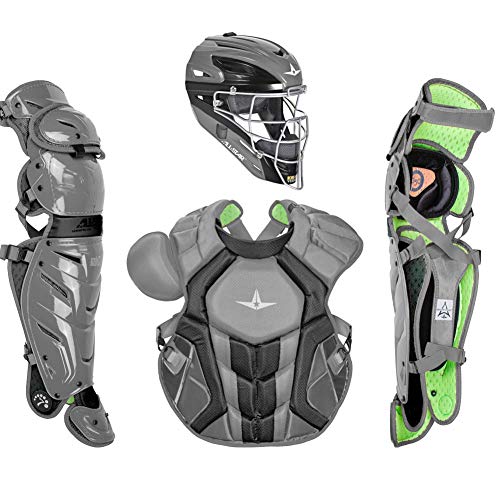
ULTIMATE PROTECTION: Experience unparalleled safety with the All-Star System 7 Axis Catchers Gear, designed to provide maximum protection for catchers during the game.

EvoShield G2S Baseball Catcher's Gear Kit - Black, Adult Size; Kit includes: Catcher's Facemask, Catcher's Chest Protector, and a pair of Ctahcer's Shin Guards
Adapting Pitch Calling During the Game

Adapting pitch calling during a game is a dynamic process that requires catchers to remain observant and responsive. Effective catchers assess the pitcher’s physical and mental state to make in-game adjustments. This involves recognizing when a pitcher struggles and providing encouragement. Adapting pitch calls also means observing batters’ adjustments, such as stance or timing changes, and responding accordingly. Utilizing situational awareness helps determine pitch aggressiveness based on the score, outs, and base runners. Trust between pitcher and catcher is essential; feedback, whether verbal or non-verbal, fine-tunes pitch selection. By leveraging the pitcher’s comfort zones and employing situational strategies, catchers maintain a proactive pitching mindset, ensuring the best strategies are executed to counteract batters effectively. Additionally, understanding age appropriateness in training aids can enhance a catcher’s ability to communicate effectively with pitchers at different skill levels.
Mixing Pitch Types, Speeds, and Locations
Frequently, skilled catchers utilize a mix of pitch types, speeds, and locations to create confusion for opposing hitters. By incorporating pitch type variety, including fastballs, changeups, and sliders, catchers disrupt a batter’s timing and anticipation. Off-speed pitches often follow fastballs, changing speeds by about 10-15 mph, which enhances strikeout potential. Additionally, catchers strategically vary pitch locations, mixing inside and outside, to maximize difficulty for hitters. This tactic reduces solid contact by forcing hitters to adjust continually. Effective sequencing not only keeps batters guessing but also aligns with pitchers’ strengths. Ultimately, catchers who embrace these methods improve their team’s defensive performance while enhancing overall effectiveness on the field. Such strategies are essential for maintaining control during a game. Incorporating adjustable height trainers during practice can also help catchers work on their receiving skills from various angles and positions.
Recommended Products

[Value & Ready-to-Train] Unlike standard cages requiring extra plate purchases, M810 includes dual 200lb integrated weight stacks (400lbs total), saving you $800+ and providing immediate resistance.

[Original Canadian Brand Quality] The 3058G Altas Strength Smith Machine offers superior stability and durability, ensuring a sturdy frame that eliminates wobbling for a safe and reliable home gym experience.

【Homy Gym】Royal Fitness Home Gym Package gets everything you need in just one click. It helps you to customize a fully-functioning fitness space at home.
Coordinating With Coaches and Dugout Input
Communication between coaches and catchers is essential for maximizing a team’s pitching effectiveness. Coaches implement clear coaching strategies to teach catchers how to relay real-time feedback from the dugout, enhancing in-game adjustments. Catchers utilize clear and consistent signals developed during pre-game meetings to avoid confusion among the battery. This reflects effective dugout dynamics, fostering a collaborative atmosphere. Catchers keep coaches informed about batters’ tendencies, while coaches provide insights based on scouting reports, ensuring alignment in pitch choices. Incorporating technology like one-way messaging apps can further streamline communication, allowing for swift and secure updates. By building trust and maintaining open dialogue, teams can adapt their strategies effectively and create a unified front on the field. Additionally, utilizing magnetic baseball coaching tools can enhance the clarity of signals and strategies exchanged between catchers and coaches during gameplay.
Conducting Effective Pre-Game Discussions
Building on the foundation of effective communication established between coaches and catchers, pre-game discussions become a pivotal element in preparing for the contest ahead. These meetings focus on pre-game terminology and specific pitching strategies tailored to the opposing lineup. It is essential to assess each pitcher’s strengths and weaknesses, analyzing scouting reports and heat maps to exploit batters’ tendencies. Pitch sequences should be crafted, aiming to disrupt timing and highlight hot zones. Catchers and pitchers must also discuss environmental factors, such as weather and field conditions, which can impact pitch selection. By reinforcing confidence and establishing clear communication, catchers build a cohesive approach that enhances performance, ensuring everyone feels connected and prepared for the game. Incorporating tools like baseball swing trainers can further enhance a pitcher’s effectiveness during practice sessions.
Monitoring Pitcher’s Fatigue and Adjusting Accordingly
Monitoring a pitcher’s fatigue is essential for successful game management. Key fatigue indicators include increased intervals between pitches and noticeable biomechanical changes, such as shifts in elbow angle and trunk position. These changes can lead to decreased ball velocity and control. Catchers should engage in workload assessment by tracking fatigue units, ensuring pitchers remain effective. Utilizing recovery strategies, they can adjust pitch selection, opting for less strenuous pitches when fatigue is apparent. Real-time data, such as pitch stats from advanced tracking tools, can provide insight into the pitcher’s internal load, helping prevent injury. Additionally, a focus on durable materials in the catcher’s gear can further support performance under fatigue. By understanding these elements, catchers can help maintain pitcher performance while also fostering a cohesive team dynamic.
Recommended Products

48" 3 POINT TILLER CULTIVATOR: This 48" rotary tiller attachment fits any Category 1, 3 Point tractor or loader to churn your soil into a fine, clod-free seedbed for planting.
![Professional Baseball Field Tarp Covers [175gsm/6.5oz] | 2 (White) (100ft x 100ft)](https://m.media-amazon.com/images/I/41V9PejMgwL._SL500_.jpg)
PROFESSIONAL-GRADE DURABILITY – Increase your baseball field protection with our high-quality FORTRESS Baseball Tarpaulins. Crafted to professional standards, these tarps boast robust 175gsm (6.5oz) plastic construction for exceptional longevity.

Includes: 2x Multi-Use Lockers, 1x Rolling Tool Drawer Cabinets, 1x Two-Door Base Cabinets, 3x Wall Cabinets, 1x 72" Stainless Steel Worktops, 1x 72" Backsplash Kits, 1x LED Lights with Power Adapter and 2x LED Lights with Connector Cable
Recognizing and Responding to Opposing Hitters’ Adjustments
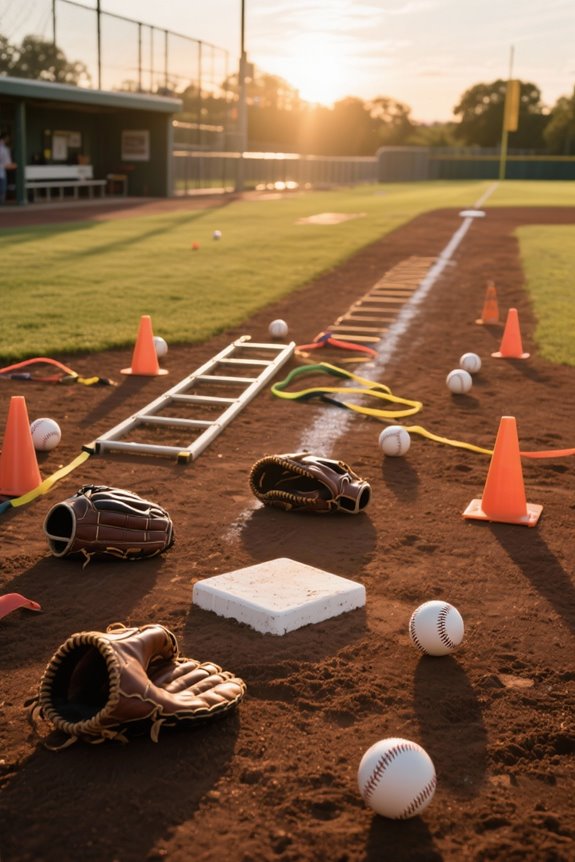
Adjusting pitch strategies isn’t just about monitoring a pitcher’s fatigue; it also involves recognizing how opposing hitters adapt during a game. Observing batter adjustments through their stance and timing can be pivotal. A batter leaning forward may favor fastballs, necessitating inside pitches. Conversely, a batter leaning back signals readiness for breaking balls. Observing non-verbal cues—like nervous fidgeting or stiff shoulders—can indicate a hitter’s level of confidence. In practice warmups, identifying weaknesses helps in crafting an initial strategy. By tracking swing patterns, catchers can adjust pitch calls mid-game to disrupt a batter’s rhythm. Additionally, incorporating agility ladder training can help catchers improve their footwork and reaction times, enhancing their pitch-calling effectiveness. Ultimately, tailored pitch calling enhances the likelihood of success on each pitch, uniting pitchers and catchers in a shared goal.
Utilizing Historical Performance Data for Predictive Pitching
Historically, performance data plays an essential role in predictive pitching strategies for catchers. By utilizing pitch data analysis, catchers can identify effective pitch types and optimize their strategies. Historical performance trends reveal how specific pitches succeed against certain hitters, allowing catchers to anticipate outcomes based on past interactions. For example, statistical modeling shows that effective pitch framing can save nearly 20 runs over a season, considerably influencing game results. Additionally, real-time feedback from previous games aids in refining calls, focusing on pitches the pitcher can control best that day. Integrating this data fosters smart, proactive decisions that minimize wasted pitches and walks while enhancing pitch selection tailored to each unique matchup.
Recommended Products

SPECIFICATIONS: Monitor calibration colorimeter with Easy 1 2 3 software workflow, USB C connection, compact body approx. 34mm tall x 37mm diameter, adjustable counterweight for screen placement, supports up to 2 displays, brightness target selection including Native or Photo with before and after check.
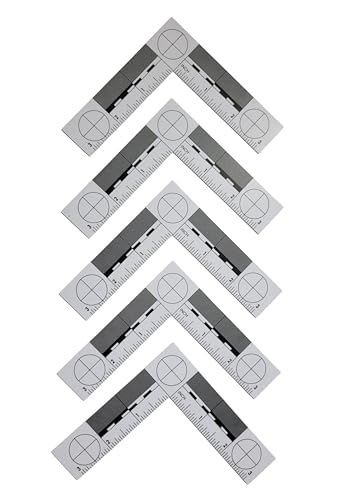
This ABFO style scale was designed by the American Board of Forensic Odontology (ABFO.) The ABFO scale has become the standard for bitemark measurement and photography. The incorporation of three circles is useful in helping to compensate for distortion resulting from oblique camera angles. Available in inches.

Practicing Communication and Signal Coordination Intensively
Effective communication and precise signal coordination are crucial aspects of a catcher’s role in baseball. Catchers should establish clear, simple hand signals that can be quickly recognized by pitchers. For instance, one finger can signify a fastball, while two fingers might indicate a drop ball. Regular communication drills, including bullpen sessions and scrimmages, guarantee both the catcher and pitcher understand these signals under game pressure. Maintaining consistency in signals throughout the season is key to minimizing confusion. Additionally, integrating discreet signals from the dugout adds strategic depth. Beyond formal signals, fostering a natural flow of communication allows for better adaptability during games, enhancing overall teamwork and pitch effectiveness. Such practices foster a strong bond within the team.
Frequently Asked Questions
How Do I Build Rapport With My Pitcher off the Field?
To build rapport off the field, engaging in team bonding activities enhances communication skills. Regular social interactions foster personal connections, cultivate trust, and develop a supportive atmosphere, ultimately strengthening the relationship between the pitcher and catcher.
What Should I Do if the Pitcher Disagrees With My Pitch Call?
When the pitcher disagrees, communication becomes a delicate dance; fostering trust is vital. Engaging respectfully can enhance pitch confidence, allowing for collaborative discussions that nurture both unity on the mound and a shared purpose in the game.
How Can I Improve My Catching Skills to Better Support Pitch Calling?
Improving catching skills involves consistent catching drills focused on strike zone awareness, enhancing framing tactics, and developing quick decision-making. This foundation fosters a deeper connection with pitchers, creating a supportive and cohesive team environment.
What Techniques Help Maintain Focus During High-Pressure Game Situations?
In the tempest of competition, the lighthouse keeper steadies his light using mental techniques and game simulations, guiding his crew through chaos. Such focus fosters unity, nurturing confidence and resilience amidst the stormy seas of high-pressure moments.
How Do I Handle a Struggling Pitcher in the Game?
To handle a struggling pitcher, provide emotional support and tactical adjustments. Simplify pitch selection, communicate clearly, and reinforce trust in their abilities, creating a supportive atmosphere that fosters confidence and teamwork on the field.