As an Amazon Associate, we earn from qualifying purchases. Some links on this site are affiliate links at no extra cost to you. Our recommendations are based on thorough research and editorial judgment.


How Can I Improve My Mental Game For High-Pressure Situations?

To improve mental performance in high-pressure situations, focus on cognitive-behavioral strategies and mindfulness techniques. Recognize and challenge negative thought patterns. Practice mindfulness to enhance focus and reduce stress. Simulate high-pressure environments during training to build resilience. Use emotional control tactics like the 90-second rule to manage feelings. Build a strong support system and engage in diverse activities for stress relief. These methods lead to greater control and clarity. Keep learning about techniques that enhance performance.
Key Takeaways
- Practice mindfulness techniques to enhance focus and reduce stress during high-pressure situations.
- Utilize cognitive restructuring to challenge and reframe negative thought patterns.
- Engage in high-pressure training simulations to build resilience and enhance performance under stress.
- Develop a consistent pre-performance routine to anchor your mental state and boost concentration.
- Foster strong support systems to help you navigate challenges and reduce perceived stress.
Understanding Cognitive-Behavioral Strategies
You may be interested

How Can I Improve My Pitching Accuracy At Home?
September 11, 2025
How Can I Improve My Throwing Arm Strength?
September 11, 2025
How Can I Practice Pitching Without A Catcher?
September 11, 2025
Understanding cognitive-behavioral strategies is essential for improving mental resilience and performance. This approach highlights the significance of cognitive distortions awareness, which identifies biased thinking patterns such as black-and-white thinking and overgeneralization. By recognizing these “thinking traps,” individuals can develop balanced appraisals of events, ultimately reshaping their emotional responses. Cognitive restructuring plays a critical role in reducing stress, allowing for clearer perspectives. It encourages individuals to test their beliefs through behavioral experiments, offering evidence against catastrophic thinking. Over time, these strategies foster adaptive thought processes that enhance mental agility and composure under pressure. By embracing these techniques, individuals can build stronger emotional foundations, making them more resilient in demanding situations and fostering a sense of belonging in their communities. Additionally, practicing proper maintenance of one’s mental techniques can ensure sustained performance during high-pressure scenarios.
Leveraging Experience and Conditioning

Leveraging experience and conditioning plays a pivotal role in enhancing performance under pressure. Experience benefits include exposure to high-pressure training, which fosters pressure adaptation and builds resilience over time. By practicing in pressure-like conditions, performers gain familiarity, reducing anxiety associated with novelty. Simulating distractions creates awareness of cues that could disrupt focus during actual events. Conditioning enhances perceived control, linking it to improved outcomes. Setting fixed performance goals reduces overthinking, helping maintain focus. Techniques like visualization reinforce confidence and preparedness. Consistent preperformance routines anchor mental states, while refocusing strategies manage acute stress. Together, these methods cultivate a strong mental game, enabling individuals to navigate high-pressure situations with stay steady and confident. Additionally, understanding the importance of high-quality materials in gear can further bolster confidence during crucial moments.
The Role of Mindfulness in Performance
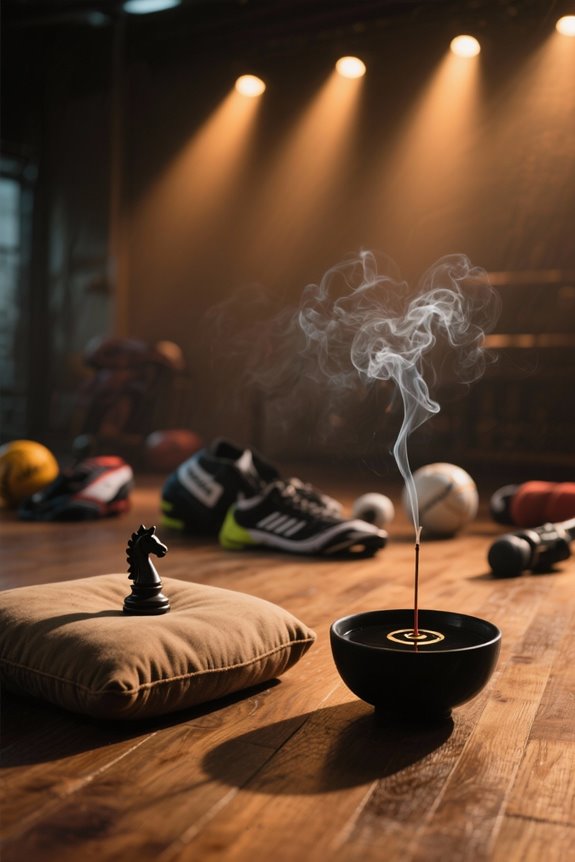
Mindfulness serves as a powerful approach to enhancing performance across various fields, from athletics to the workplace. By employing mindfulness techniques, individuals can greatly reduce stress, which leads to improved focus and engagement during demanding situations. Research shows that regular mindfulness practice enhances cognitive flexibility and increases attention, making it easier to handle pressure. Furthermore, studies indicate that mindful individuals experience greater vigor and dedication in their tasks. The neurobiological changes resulting from mindfulness training, such as increased gray matter in emotion regulation areas, contribute to lasting performance enhancement. For those seeking to thrive in high-pressure scenarios, integrating mindfulness into daily routines proves essential for ongoing success and mental well-being. Notably, the development of durable materials in pitching mounds reflects the importance of reliable tools that can support athletes in their quest for performance improvement.
Recommended Products
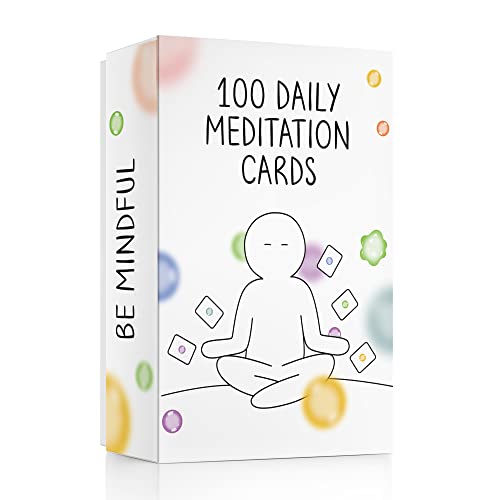
🌟 100 MINDFULNESS EXERCISES 🌟 This graphic packed mindfulness deck contains 100 cards designed for stress management, anxiety relief, self care, relaxation, equanimity, calmness, self love, wellness, mental fortitude, spiritual connection, mood enhancement, positive psychology, emotional awareness, & more. BUILD YOUR OWN MINDFULNESS PRACTICE!

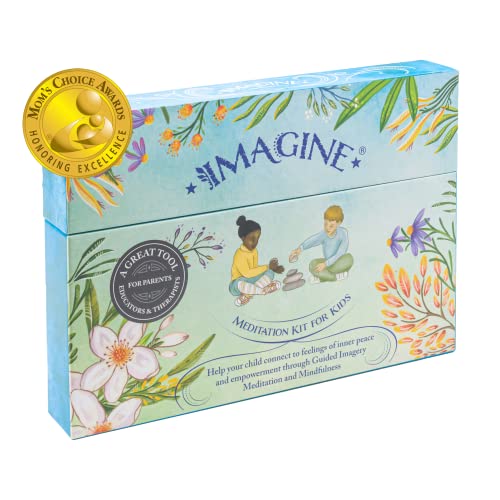
🆕 [FROM THE CREATORS OF THE AWARD-WINNING IMAGINE MEDITATION CARDS], new Premium Quality Holistic Meditation and Mindfulness kit for kids] providing a FUN and RELAXING activity for kids to practice meditation and connect to feelings of inner peace.
Techniques for Emotional Control and Composure

Emotional control and composure are essential skills for thriving in high-pressure situations. Practicing emotion labeling helps individuals recognize their feelings, reducing their intensity and promoting clarity. For instance, identifying a feeling as “frustration” activates the brain’s prefrontal cortex, decreasing chaos. Implementing the 90-second rule allows emotions to pass naturally; emotions peak and fade within 90 seconds if one observes them without reacting. Additionally, using physical pattern interrupts—such as deep breathing or rolling shoulders—can reset the nervous system, lowering tension during stressful moments. Through these techniques, individuals not only enhance their emotional resilience but also create an environment where they feel more connected and competent, fostering a stronger sense of belonging among peers. Incorporating strategies like high-quality gloves can further enhance performance and confidence in high-pressure scenarios.
Recommended Products
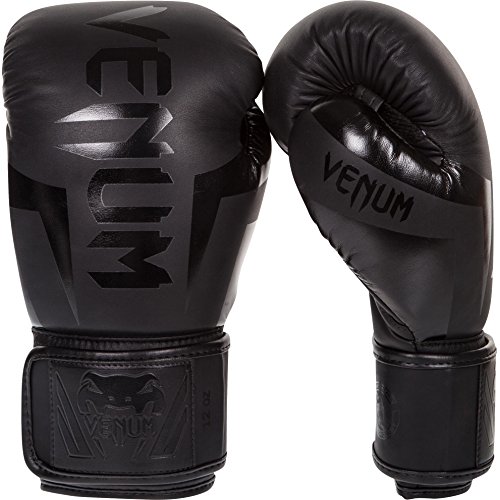
MAXIMUM IMPACT ABSORPTION - The Venum Elite Boxing Gloves provide optimal knuckle and hand protection during bag work and sparring. Multi-layer foam absorbs each blow and dissipates the force out safely, strike after strike.

SUPERIOR WRIST SUPPORT: The raised cuff panel and splint-style foam provide elite support to prevent injuries, making these gloves ideal for intense training sessions and women's MMA.

EFFECTIVE IMPACT DISPERSION – Are your training gloves affecting your accuracy? The RDX gloves dissipate the force of impact across the specially made, pre-curved anatomical structure of the sparring gloves due to the presence of Quadro Dome 3 padding, which uses EVA foam and SpongeX sheet. This results in a comfortable training experience for the users of the RDX heavy boxing gloves.
Implementing Cognitive Training and Mental Preparation
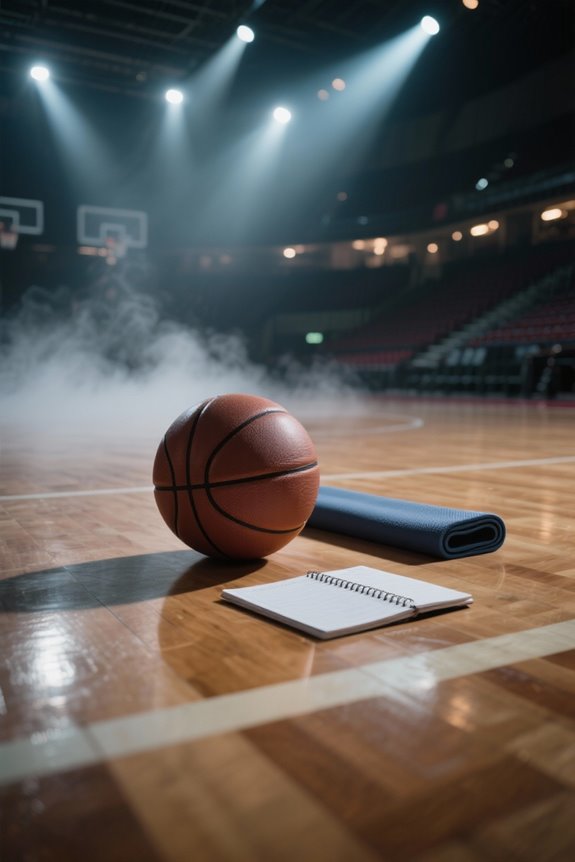
Building on the foundation established through emotional control techniques, implementing cognitive training and mental preparation can greatly enhance performance in high-pressure environments. Cognitive-behavioral strategies help modify perceptions of stress, reducing its detrimental effects. Techniques like mental imagery and performance visualization allow individuals to envision success, bolstering confidence. Regular participation in cognitive-behavioral workshops can sharpen self-regulation, essential for peak performance when stakes are high. Pressure Training (PT) offers a tailored approach, fostering mental effort and attentional control during anxiety-inducing situations. Simulating competitive pressure boosts readiness, aligning experiences during practice with real events. These structured methods guarantee athletes not only confront anxiety but thrive despite it, creating a sense of belonging and unity in pursuing excellence autonomously. Additionally, employing physical training tools like baseball swing trainers can complement cognitive strategies by enhancing technique and muscle memory under pressure.
Recommended Products


SUITABLE FOR SMALL DOGS AND CATS - The size of this snuffle mat is 26 x 16.5 inches, which is perfect for small dogs, cats and rabbits, NOT recommended for large and aggressive chewers dogs who could tear it up
Building Psychological Resilience
Resilience can be thought of as an essential skill that individuals can develop over time. It involves the ability to cope with crises and swiftly regain stability. Key components like self-esteem enhancement support this process, fostering a positive outlook on life. Individuals can use emotional regulation strategies, such as planning and positive reappraisal, to bolster resilience. This leads to positive adaptation during challenging situations. Building resilience is not something that happens overnight; it requires practice and can be enhanced through supportive social relationships. Engaging with empathetic friends or family nurtures self-confidence and offers a crucial reminder that one does not face adversity alone. By cultivating these skills, individuals can experience personal growth and improve their overall mental toughness. Additionally, participating in team sports can foster psychological resilience, providing players with opportunities to develop coping strategies under pressure.
Recommended Products


Using Relaxation Techniques to Manage Stress
How can relaxation techniques effectively manage stress? These methods, including breath focus and box breathing, promote calmness and concentration. Breath focus utilizes long, deep abdominal breaths to engage the relaxation response, reducing cortisol levels. Box breathing involves a cycle of inhaling, holding, exhaling, and holding again for four seconds each, helping to lower acute stress. Guided imagery uses calming mental images to diminish emotional reactivity, while mindfulness meditation encourages present-moment awareness to improve focus. Physiologically, these techniques can lower heart rates and blood pressure, leading to better digestion and reduced muscle tension. The psychological benefits are notable too, as users report enhanced mood and mental resilience under pressure, empowering them to tackle challenges confidently. Additionally, practicing compression socks can help improve overall circulation, further supporting relaxation during stressful situations.
Recommended Products

☑️Enhance Your Workspace: The P2 is more than a timer - It’s your tool for focus, calm, and lasting productivity. With elegant design and precise audio-visual cues, it helps you stay engaged and balanced. Built with care and quality, the P2 turns time management into a daily ritual worth keeping

We added vibration and cycle timing functions to this timer, making it suitable for more occasions. Besides food cooking, egg boiling, children’s time management, classroom learning, exercise timing, it can even be used for the game Pokemon Sleep’s Go Plus+

Breathe. This graphic design reminds us to take a deep breath, breathe easy, inhale and exhale, and connect with nature. our best natural stress reliever. Favorite for fans of well-being, meditation, breathwork, yoga and spiritual practices.
The Importance of Support Systems in High-Pressure Scenarios
A robust support system plays a vital role in maneuvering high-pressure situations effectively. Social networks provide emotional support that considerably reduces perceived stress levels, enhancing an individual’s coping strategies. This support fosters resilience building, helping individuals face challenges without feeling overwhelmed. Trust communication within these networks is essential; it allows for open discussions that combat feelings of loneliness, which can severely affect mental health. Strong support development across diverse relationships cultivates adaptability during stressful events. Research indicates that individuals with active social connections engage more in positive coping mechanisms. By embracing these networks, one can transform potentially debilitating experiences into manageable hurdles, ultimately leading to improved mental well-being and a stronger ability to navigate life’s pressures. Additionally, engaging in multi-sport versatility training can provide a constructive outlet for stress relief and focus enhancement.
Frequently Asked Questions
How Do I Recognize My Pressure Triggers?
Recognizing pressure triggers requires intense pressure awareness and keen emotion identification. Individuals can amplify their self-observation, noting overwhelming sensations or disproportionate reactions, thereby uncovering the hidden stimuli behind their emotional storms in daily life.
What Are the Best Visualization Techniques to Use?
The best visualization techniques include guided visualization and mental imagery, allowing individuals to immerse themselves in positive outcomes and calm environments. This fosters confidence, reduces anxiety, and builds a sense of belonging through shared experiences and aspirations.
How Do I Measure My Resilience Improvements?
Resilience improvements can be effectively measured through resilience tracking using validated scales like RSA or BRS, along with improvement metrics that capture qualitative feedback, ensuring meaningful insights into growth and fostering a sense of community.
Can Nutrition Affect My Performance Under Pressure?
Nutrition strategies greatly influence performance enhancement under pressure. A balanced diet, rich in macronutrients and micronutrients, supports cognitive function, reduces stress responses, and improves recovery, fostering a sense of belonging and resilience in challenging situations.
How Do I Maintain a Growth Mindset in Competitive Scenarios?
To maintain a growth mindset in competitive scenarios, individuals can implement growth mindset strategies and engage in competitive mindset exercises, promoting resilience, adaptability, and a focus on learning from challenges while fostering a sense of belonging in their community.