As an Amazon Associate, we earn from qualifying purchases. Some links on this site are affiliate links at no extra cost to you. Our recommendations are based on thorough research and editorial judgment.

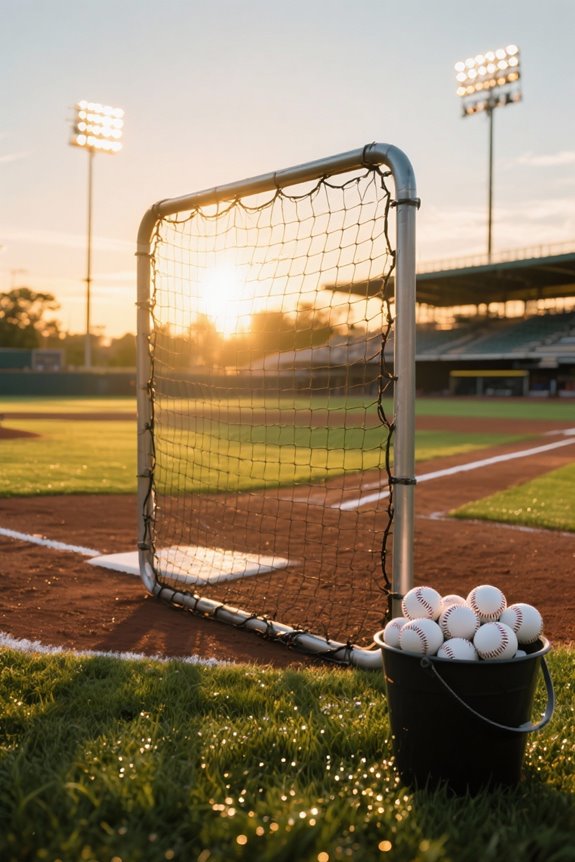
How Do I Clean And Maintain My Pitching Net?

To clean and maintain a pitching net, perform regular inspections at least once a month. Check for rips, fraying, and rust, especially on the frame and anchors. Use mild detergent and soft brushes for cleaning, rinsing thoroughly and air-drying. Store the net in a dry, cool place, avoiding direct sunlight. Secure the net properly before bad weather and inspect after storms. Following these steps guarantees your net stays in top shape for longer. Discover more effective maintenance tips ahead.
Key Takeaways
- Regularly inspect the net for holes, fraying, and rust on frames before and after the season for safety and effectiveness.
- Use a soft brush or broom to remove debris, or a yard blower for loose particles, ensuring the net remains clean.
- For deeper cleaning, mix warm water with mild liquid detergent, scrub gently, and rinse thoroughly to avoid damaging fibers.
- Store the net in a cool, dry, and well-ventilated area, avoiding direct sunlight to prevent UV damage and mildew.
- Conduct monthly inspections and apply rust inhibitors to metal parts to prolong the net’s lifespan and functionality.
Importance of Regular Inspections
You may be interested
How Do I Break In A New Baseball Glove Properly?
November 17, 2025
How Do I Fix A Cracked Composite Bat?
November 17, 2025
How Do I Remove Rust From Metal Baseball Cleats?
November 17, 2025
Regular inspections of a pitching net are vital for maintaining its effectiveness and safety. An inspection frequency that includes checks before, during, and after the season is recommended. This routine guarantees early detection of issues such as rips, tears, and fraying in the netting material, which can compromise its strength. Evaluating support cables for wear and corrosion prevents potential accidents and maintains overall integrity. Furthermore, examining stitched borders helps catch minor wear before it escalates. By identifying weak spots promptly, the risks of player injury are considerably reduced. Secure anchoring of the netting is essential to avoid sagging, which can lead to unexpected failures. Ultimately, consistent inspections support safe and enjoyable play for everyone involved. Additionally, ensuring that the netting meets NOCSAE safety standards can further enhance player safety and performance.
Monthly Inspection Checklist

A well-organized monthly inspection checklist plays an essential role in maintaining a pitching net’s performance and safety. Essential inspection tools should be gathered, including a flashlight for visibility and a measuring tape for checking net tension. First, practitioners should examine the netting materials for holes or fraying, focusing on high-wear areas. Next, assess frame components for rust and verify anchors are secure. Inspect the condition of transport wheels and any moving parts, confirming their smooth operation. Review attachments, making sure they are secure and without wear. Finally, document any damage for prompt repairs, noting the need for potential net replacement to keep the net functioning effectively. This systematic approach cultivates a safe and enjoyable pitching environment. Additionally, ensure that the netting is made from high-density polyethylene to enhance durability and withstand impacts over time.
Cleaning Routine for Your Net

To guarantee the longevity and ideal performance of a pitching net, a consistent cleaning routine is essential. Regularly removing debris is the foundation of effective maintenance. Employ a soft brush or broom to clear dust and leaves from the top down, and use a yard blower for loose particles. Immediately address accumulated debris to prevent mold growth. For deeper cleaning, mix one gallon of warm water with one tablespoon of mild liquid detergent. Apply this with a soft sponge, rinsing thoroughly afterward. Always air dry the net completely before storage, avoiding folds that can harbor moisture. Establish a cleaning schedule based on usage frequency—monthly for light use and biweekly for heavy use—as proactive maintenance tips guarantee peak performance. Additionally, consider investing in durable construction to ensure your net withstands repeated use and impacts.
Recommended Products

HEAVY DUTY | 3 rows of nylon bristles make cleaning the plate a breeze
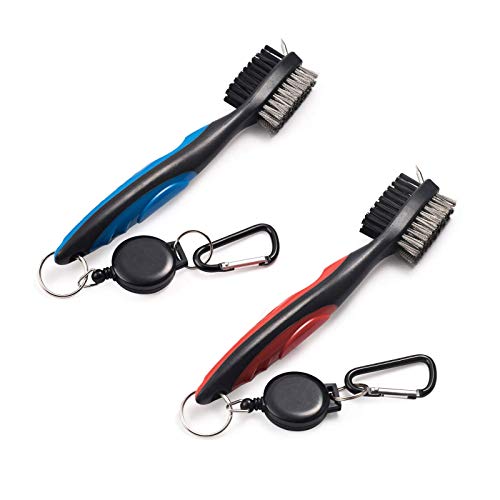
Material: Extremely durable plastic handle, nylon bristles and aluminum carabiner

LEAK-PROOF CLEANING - Enjoy spotless clubs without mess using our golf water brush. It prevents annoying drips, part of your golf cleaning kit, with patented anti-leak design. Count on long-lasting performance on the course with this versatile tool, also a club head cleaner.
Safe Washing Techniques
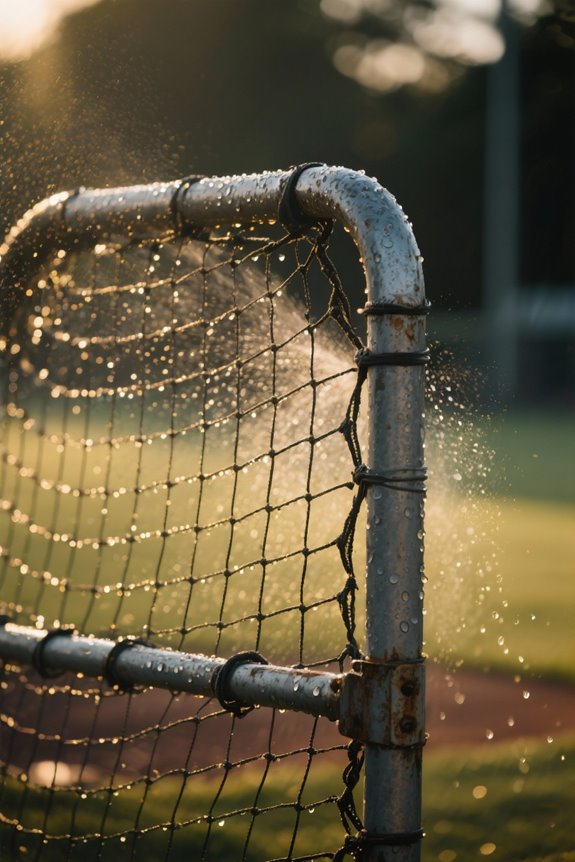
Cleaning a pitching net requires careful attention to techniques that assure both effectiveness and safety for the material. Utilizing mild liquid detergents, like diluted dish soap, is essential for preserving net fibers without damage. Gentle materials such as soft sponges or brushes should be employed to clean the net, avoiding harsh scrubbing tools that may fray the fibers. When washing, lay the net flat or hang it to prevent overstretching. Rinsing the net thoroughly with lukewarm water is critical to eliminate any soap residue that could compromise fiber integrity. Conducting regular inspections after cleaning assures the net remains in prime condition. Following these effective techniques will enhance the longevity of the pitching net while keeping it clean. Additionally, consider the adjustable height options available in some pitching nets, as these features can affect cleaning methods and maintenance.
Recommended Products

MULTIFUNCTIONAL CLEANING BRUSH: High-quality soft household cleaning brush bristles can easily clean dirty parts of clothes, such as collars and cuffs without damaging the fabrics, and can also be used to clean stains on tiles and countertops, making home cleaning easy.

PREMIUM MATERIAL: These brushes are made of horsehair and wood. cleaning and shining your shoes, its soft bristle will get deep into the pores of the surface and take away food stains, dirt stains, or oil stain without scratch its surface or fray the fibers.

【Quality & durable bristles】scrub brush boasts extra-tough fibers and Bushy for easy scrubbing of large areas. it can produce rich foam,Efficiently clean hard-to-clean dirt around your bathroom or kitchen.it can be used on household, bathtubs, tile walls, countertop, shoes and kitchen, laundry living room, bathroom, provide safe, gentle cleaning
Weather-Related Precautions

Weather-related precautions are essential for the longevity and effectiveness of a pitching net. To protect the net from environmental factors, users must make seasonal adjustments, particularly before severe weather. When heavy snow, ice, or strong winds are forecasted, the netting should be removed from the frame to prevent damage from excessive weight. Store the net in a clean, dry, well-ventilated area to avoid mildew. After storms, inspect the net for tears or fraying, and patch small damages immediately. To mitigate wind damage, secure netting evenly on all sides. During heavy rain, remove or cover the net to prevent prolonged exposure. These practices can extend the net’s lifespan, ensuring it remains effective for safe pitching practice. Additionally, investing in a durable pitching net can significantly enhance its resistance to weather-related wear and tear.
UV Protection Strategies
Environmental factors can take a toll on pitching nets, particularly from harmful UV rays. To combat this, using nets infused with UV inhibitors during the extrusion process guarantees every fiber is protected from sunlight degradation. Material selection is crucial; high-density polyethylene (HDPE) and nylon nets perform remarkably outdoors due to their inherent UV resistance. Structural features like heavy rope borders and reinforced stitching enhance durability, while the incorporation of carbon-based black dyes stabilizes colors and UV performance. Additionally, pitching mounds constructed with moisture-resistant materials can help maintain an optimal training environment, contributing to the overall longevity of your equipment. Maintenance practices, including regular cleaning and inspections, are essential to prolong net life. Finally, many trusted manufacturers offer warranties that reflect their confidence in UV protection, often lasting up to three years, providing peace of mind for dedicated baseball enthusiasts.
Prompt Repair for Damage
Promptly addressing any damage to a pitching net can greatly extend its lifespan and guarantee consistent performance. Regular visual inspections are essential, ideally on a daily basis for heavily used nets, to identify any cuts, tears, or fraying. For temporary repairs, lacing with twine offers an immediate solution to hold netting edges together. Secure the damaged area tightly using slip knots and half hitches. If significant damage occurs, patch installation is necessary. Cut patches slightly smaller than the hole, allowing borders to intermesh. Sew patches in place using durable net twine, ensuring a strong hold. By ensuring prompt repairs, players can maintain a net that stands up to rigorous use, fostering a sense of pride and reliability in their equipment. Durability and Construction are crucial factors to consider when selecting a quality pitching net to ensure it withstands frequent practice sessions.
Choosing the Right Repair Kits
When selecting the right repair kit for a pitching net, it is crucial to contemplate several key factors to guarantee effective and lasting repairs. Different repair kit types often include patch panels sized between 3’ x 3’ and 5’ x 5’, suitable for various hole sizes. Material compatibility is essential; choose kits that match the net’s construction—options include nylon, polyethylene, or polyester. Heavy-duty twine, typically made from tarred cord or nylon, enhances longevity. Included needles facilitate easy stitching, making the repair process accessible for all skill levels. Some kits arrive in convenient containers for easy storage. Selecting the right kit not only guarantees seamless repairs but also prolongs the net’s life, creating a sense of community among fellow players and enthusiasts. Additionally, considering the material quality and durability of the net can help you choose a repair kit that complements its construction.
Recommended Products

Comprehensive Repair Kit: the package includes 6 sports netting repair kit with and 100 zip ties ( about 3.9 inch length), offering what you need for a quick and efficient repair; This tool kit simplifies your repair process by requiring no additional tools

JFN Repair Kit for #36 Baseball Net

9 POCKET PITCHING NET: Practice pitching skills anytime, anywhere with no catcher needed; Visualize key pitching areas to improve accuracy, and spend less time collecting balls; Measures 49 x 30 inches (H x W), similar to a real strike zone
Effective Storage Techniques
Effective storage techniques are essential for maintaining the longevity of a pitching net. Store the net in dry, cool environments, ideally in climate-controlled spaces like garages. Avoid direct sunlight to prevent material degradation and UV damage. For storage conditions, remove the net from its frame before folding. Use net folding methods that bring corners to the center and fold sides in to minimize creases and tangling. Handle gently to preserve elasticity. If indoor space is limited, consider shaded outdoor locations. Guarantee proper ventilation to prevent moisture accumulation and mold. Store nets in breathable bags, not airtight containers, to keep them protected from dirt and pests. Following these guidelines will safeguard the net from weather extremes and extend its life. Additionally, using durable materials can contribute to the overall longevity of the net and enhance its resistance to wear and tear.
Inspecting the Frame and Base Anchors
Regular inspections of the frame and base anchors of a pitching net are vital for guaranteeing safety and performance. A thorough frame inspection entails checking for signs of rust or corrosion on metal parts, as these can weaken the structure. Observers should look for bending or damage that could impact usability. Frequent tightening of bolts, nuts, and fasteners is necessary to maintain secure connections. Additionally, verifying anchor stability guarantees that base anchors are firmly secured and free from rust. It’s important to replace or reposition any displaced ground stakes. Finally, after severe weather events, inspect for frame distortion or damage, addressing any issues quickly to maintain both safety and efficacy of the pitching net. Regular checks for net tears and cleaning are also recommended for long-term maintenance.
Maintaining Frame and Base Anchor Stability
Maintaining the stability of both the frame and base anchors is essential for the performance of a pitching net. Employing effective net stabilization techniques begins with securing the netting at the corners, ensuring even tension across the frame. This prevents sagging and potential wobble. Use anchor placement strategies such as installing ground stakes deep in the soil for ideal resistance against pullout, especially in loose dirt. Regular checks for anchor integrity are vital; tighten or replace them as needed to maintain stability. Additionally, consider reinforcing high-stress areas with extra netting or stronger fasteners. By selecting a level site and aligning the net to avoid wind exposure, users can enhance both frame steadiness and anchor security for long-lasting performance.
Rust Prevention and Maintenance
Rust prevention and maintenance are essential for prolonging the life of a pitching net’s metal frame. To keep rust at bay, regular cleaning is critical; remove dirt and debris that trap moisture, ensuring all metal components are thoroughly dried post-cleaning. Use rust inhibitors, such as oil-based protective coatings, to shield metal from elements. Repaint scratched areas immediately and consider powder coating for added durability. Store the net and frame in dry, well-ventilated spaces, away from moisture sources. Inspect monthly for rust signs, tightening loose bolts and applying rust-converter solutions as needed. Lubricating moving parts will further enhance moisture control, keeping the net in prime condition for your next game and enhancing its longevity.
Recommended Products

Use on any rusty, metal surface to Instantly convert rust to a flat black, paintable surface that is protected and prevents future rust

Coats metal parts to lubricate and protect against rust and corrosion by blocking out air and moisture. Protects for up to 2 years when used indoors and for up to 1 year when used outdoors

Easy to use spray seals and protects metal surfaces from corrosion and moisture
Long-term Care for Your Pitching Net
After addressing rust prevention in a pitching net’s metal frame, attention should shift to the overall long-term care of the equipment. Regular inspections are important for maintaining netting longevity. Inspect for holes, frayed edges, and check supporting hardware like fasteners and poles for corrosion. Cleaning is essential; gently remove debris with soft brushes and wash the net with mild soap, making sure it stays free from mold. Weather protection is significant; cover the net during storms and use UV-treated pitching net materials to combat sun damage. Proper storage is also necessary; make sure the net is dry before rolling it up, keeping it in a clean, ventilated area. Rotating impact zones will help evenly distribute wear, prolonging the net’s usefulness.
Organizing Your Maintenance Supplies
A well-organized maintenance supply collection can greatly enhance the longevity and performance of a pitching net. Establishing a supply inventory is essential, ensuring easy access to cleaning tools like soft-bristle brushes and mild detergent solutions. Store these items in durable bins or bags with ventilation. Organizing tools such as hooks or wall mounts keep nets tidy, preventing tangling. Regularly check inventory for necessary supplies like nylon thread from repair kits and lubricants for metal fixtures. Label containers for quick identification, and employ moisture absorbers to protect against humidity. By staying proactive with maintenance supplies, pitch enthusiasts can foster their equipment’s durability and remain confident in their pitching experience. Prepare to enjoy a smoother, safer journey in the game.
Recommended Products

Comprehensive Repair Kit: the package includes 6 sports netting repair kit with and 100 zip ties ( about 3.9 inch length), offering what you need for a quick and efficient repair; This tool kit simplifies your repair process by requiring no additional tools
JFN Repair Kit for #42 Baseball Net

Comprehensive Repair Kit: the package includes 6 netting repair kit with and 100 zip ties ( about 3.9 inch length), offering what you need for a quick and efficient repair; This tool kit simplifies your repair process by requiring no additional tools
Frequently Asked Questions
How Can I Tell if My Net Needs Replacing?
A pitching net silently weathers trials, yet signs of net wear emerge clearly. Visible tears, fraying, or sagging reveal damage signs, urging timely replacement to guarantee safety and preserve the bond of shared play and camaraderie.
What Materials Are Best for Net Repair Kits?
High-Density Polyethylene, polyester, and nylon are excellent materials for net repairs, ensuring durability and effectiveness. Using reliable repair techniques, these materials enhance performance and longevity, fostering a sense of community among sports enthusiasts committed to maintaining their gear.
How Long Can I Expect My Pitching Net to Last?
A pitching net can last from 2 to over 12 years, depending on factors like net durability and maintenance tips. Regular inspections, proper storage, and cleaning greatly enhance its performance and longevity for all users.
Can I Use Bleach to Clean My Net?
Bleach should be avoided when cleaning nets; instead, utilizing bleach alternatives like mild soap every few months promotes durability. Regular maintenance fosters a sense of community among users, ensuring everyone can enjoy their pitching experience together.
Is It Okay to Leave My Net Out Overnight?
Leaving the net out overnight compromises its durability due to weather exposure, increasing risks like moisture damage, UV degradation, and structural wear. Protecting the net guarantees longevity and enhances its performance for shared experiences and community enjoyment.