As an Amazon Associate, we earn from qualifying purchases. Some links on this site are affiliate links at no extra cost to you. Our recommendations are based on thorough research and editorial judgment.

How Do I Develop A Consistent Hitting Approach?

To develop a consistent hitting approach, focus on key metrics like hard hit percentage and launch angles. Aim for over 40% hard contact, maintaining an ideal launch angle between 8° and 32°. Refine your swing with an intentional approach that includes drills for timing and bat control. Prioritize pitch selection to make informed swings. Use analytics to optimize your swing mechanics for better exit velocity. Discover additional strategies for success as you explore further.
Key Takeaways
- Establish an intentional swing approach by focusing on purposeful, controlled motion that aligns with hitting situations.
- Utilize drills like the two-tee inside-out exercise to enhance pitch attack skills and improve hit quality.
- Emphasize pitch selection and contact quality, aiming for hard contact above 40% while minimizing soft contact.
- Optimize swing mechanics by refining energy transfer and body positioning through biomechanics and analytics.
- Maintain consistency with regular practice and drills, and review video footage to focus on key techniques and routines.
Understanding Key Metrics in Hitting Performance
You may be interested

How Can I Improve My Mental Game For High-Pressure Situations?
October 29, 2025

How Can I Improve My Pitching Accuracy At Home?
October 29, 2025
How Can I Improve My Throwing Arm Strength?
October 29, 2025
Key metrics in hitting performance serve as essential indicators for evaluating a player’s offensive capabilities. Hit quality, often measured by hard hit percentage and exit velocity, reflects how effectively a batter strikes the ball. For instance, elite hitters achieve over 52% hard hit rates, while less successful players fall below 38%. Launch angles also play a significant role; ideal angles between 8° and 32° maximize a player’s batting average. Further insights come from the expected weighted on-base average (xwOBA), which combines exit velocity and launch angle to accurately gauge player quality. By understanding these metrics, fans and players alike can appreciate the nuances that distinguish various batter types, ultimately contributing to a richer game experience. Additionally, barrel size considerations can significantly influence hitting performance by impacting the sweet spot and overall contact quality.
Recommended Products

SWINGRAIL IS A SCIENCE- BACKED PATENTED WAY TO IMPROVE YOUR SWING MECHANICS & BECOME BETTER HITTER!

Promotes proper grip, hand placement, hip rotation and swing path during and after contact is made. Provides instant feedback, allowing players to make proper adjustments to their hitting technique

GREAT FOR TEEBALL: The Pop Rocket helps kids perfect hand-eye coordination by teaching them to hit a moving baseball so they can make the jump from teeball to pitching
Developing an Intentional Swing Approach
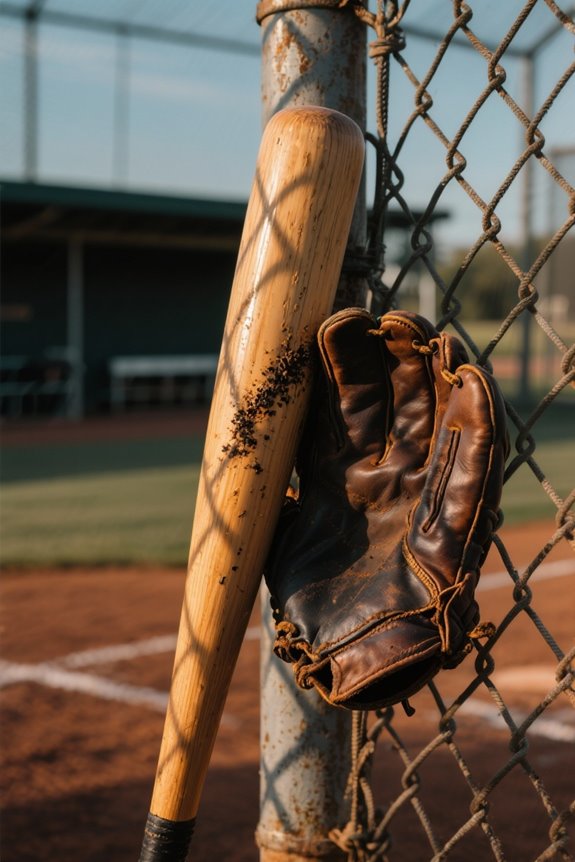
An intentional swing approach empowers hitters to achieve greater consistency by focusing on a purposeful and controlled motion during their swings. This method emphasizes aligning swing timing with specific hitting situations, allowing for dynamic adjustments based on pitch speed and location. Hitters adopt a balanced stance to maintain a controlled bat path, essential for making solid contact. Utilizing drills, such as the two-tee inside-out exercise, enhances skill in attacking pitches accurately. Concentrating on hitting line drives toward the middle promotes effective decision-making and reduces strikeouts. By developing this intentional focus, players learn to recognize pitch types and improve patience at the plate, translating to a more consistent and reliable hitting performance overall. Incorporating tools like baseball swing trainers can further enhance practice efficiency and skill development.
Recommended Products

IMPROVE SWING MECHANICS – Whether you're a seasoned player or just starting, the Hurricane Category 4's durable swing arm hitting stick helps you refine your hitting technique, whether static tee practice or moving pitch simulation.
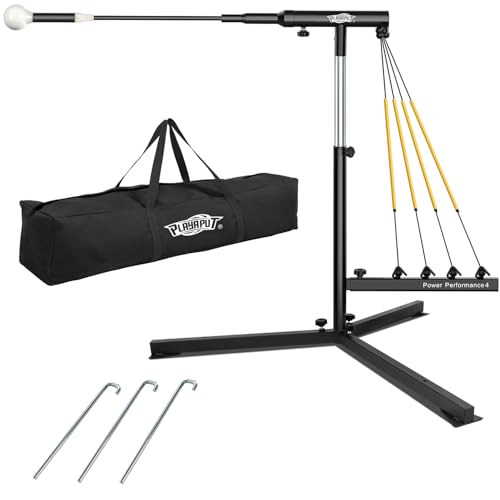
⚾【STRONG CONSTRUCTION FOR STABLITY】Featuring durable rubber and metal materials and an X-shaped base, this baseball swing trainer's sturdy construction withstands hard hits and ensures durability and stability during high-intensity practice.

⚾ 【STABLE TRIANGULAR BASE DESIGN】This baseball swing trainer features a strong metal frame with a durable triangular base for superior stability. It resists tipping and stays firmly in place even after repeated swings, ensuring safe and long-lasting practice sessions.
Importance of Contact Quality and Pitch Selection

Understanding contact quality and pitch selection plays an important role in a hitter’s success on the field. Contact strategies are essential, as they involve making informed choices about which pitches to swing at. Opting for better pitches enhances the chances of achieving hard contact, ideally above 40%, while minimizing soft contact to around 15-20%. Pitch discipline aids in this decision-making, allowing players to work the count and see favorable pitches. A strong approach results in quality at-bats that challenge pitchers and can lead to errors. Statistics like Contact Batting Average (CTBA) highlight the efficiency of contact. By focusing on these elements, hitters can create opportunities that boost both individual and team performance, ensuring their place in the lineup. Additionally, selecting the right bat, such as the Marucci CATX Composite, can greatly influence a player’s ability to make consistent contact.
Recommended Products

ULTRA LIGHTWEIGHT: This lightweight design allows for more swings and less fatigue


YOUTH BASEBALL BAT: The Heist aluminum youth bat is perfect for baseball players ages 8-12 to add some pop to their swing as they practice their hitting skills and develop their game
Mechanics Optimization Using Analytics and Biomechanics
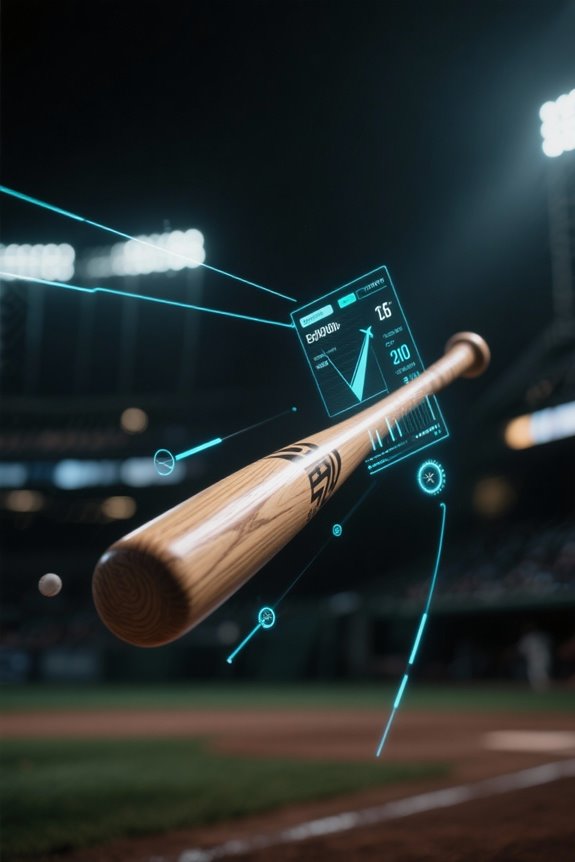
Optimizing batting mechanics using analytics and biomechanics elevates the performance of hitters considerably. Understanding swing mechanics is key, as it requires efficient energy transfer through the kinetic chain. Hitters must initiate their swing with a proper weight shift, using a trunk coil for maximum power. The pelvis reaches angular velocities exceeding 714 degrees per second, while shoulder rotations can hit around 937 degrees. These dynamics boost bat speed to an impressive 31 meters per second. Utilizing analytics, players can refine their bat path, aligning it with body positioning for best exit velocity. Focusing on rotational velocities enables hitters to enhance contact quality, ensuring alignment between bat path and pitch location for better outcomes. Incorporating weighted bats into training routines can further improve swing strength and speed.
Recommended Products

DONUT DRIP: Sprinkle some power on your swing; Train and warm up in style with our donut designs inspired by the latest baseball swag and trending pro players; A fun and functional alternative to our top selling bat weights
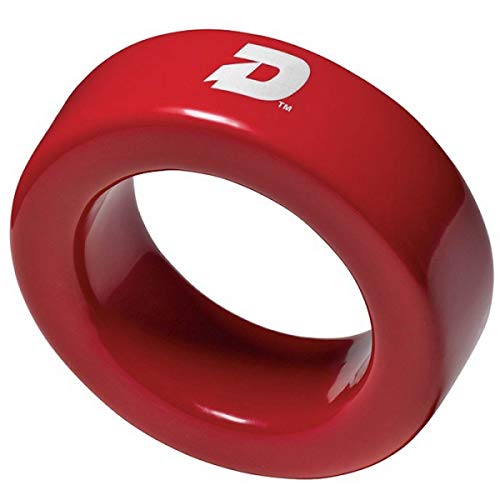
Use for training and building arm strength

WEIGHTED TRAINING BALLS: Set includes a 6 pack of 16oz training balls measuring 2.8 inches for baseball and softball training
Strategic Use of On-Base and Contact Rates

Elevating a player’s hitting performance hinges on the strategic use of on-base and contact rates. A higher on-base percentage (OBP) fundamentally boosts run production. Players can enhance their OBP through on-base strategies, such as drawing walks and avoiding outs. Simultaneously, focusing on contact optimization enables hitters to make consistent contact, increasing batting averages. The league average contact rate is around 76.4%, with 80%+ indicating better performance. High contact rates correlate with steadier hitting and less streakiness. Players should prioritize plate discipline to lower chase rates, ensuring they swing at strikes. Balancing contact rate and ideal contact rate (ICR) enhances overall hitting effectiveness, making for a more impactful offensive presence in the game. Additionally, wearing a well-fitted batting helmet that meets NOCSAE certification standards can significantly enhance a player’s confidence at the plate, knowing they are adequately protected.
Training and Monitoring for Consistency
Training and monitoring performance for consistency are critical components of a successful hitting approach. Hitting coaches recommend incorporating drill variations into regular practices to enhance skill development. Consistency can be fostered through one-leg balance drills, slow-motion swings, and Tee Timing Drills, which should be practiced frequently. Engaging in soft toss drills with variable timing aids in adapting to different pitch speeds, while reaction front toss drills simulate unpredictable pitch timing. Emphasis on load and body positioning, such as scap pinches and hip rotations, guarantees a stable swing mechanics. Establishing a consistent pre-at-bat routine is essential for mental preparedness. Regularly reviewing video footage helps maintain focus on these key techniques, guaranteeing hitters build upon their strengths day by day. Additionally, using a batting practice net can provide a controlled environment for effective training and skill enhancement.
Recommended Products

7'x 7' Baseball & Softball Practice Net perfect for baseball and softball training to improve your baseball Pro level. It has a big mouth to help you catch and collect the ball whether you are practicing batting or pitching. So you can spend less time chasing balls and much time improving your skills, also ideal for youth, children and adults hitting pitching batting practice

DURABLE ALUMINUM FRAME: Built with 0.98" heavy-duty aluminum tubes and 1mm thick walls, VIVOHOME baseball net resists bending and rust thanks to its powder-coated finish; Withstands daily use in backyard, park, or training field without deforming or corroding

Sturdy Construction: The 7-ply knotless thickened polyester mesh makes the net more durable and resistant to wear and tear, even with the hardest hits and throws. Crafted with premium nylon and a heavy-duty steel rod, this baseball net can withstand the strong winds and high-speed impacts. Its reinforced fiberglass tubes with high flexibility provide good cushioning and maintain shape for long-term use, which is suitable for both indoor and outdoor environments.
Incorporating Feedback and Adjustments for Improvement
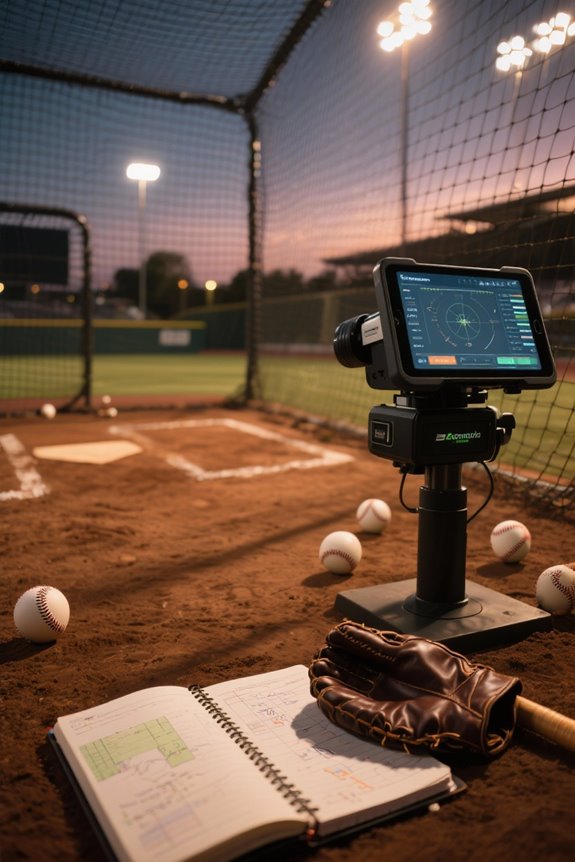
Building on the solid foundation of training and monitoring for consistency, incorporating feedback and making adjustments are essential for improving a hitter’s performance. Utilizing objective metrics, such as Smash Factor, can greatly enhance swing adjustments by measuring contact quality. For instance, reducing Time to Contact to the professional average of 0.13 to 0.17 seconds indicates better swing efficiency. Feedback mechanisms like bat swing sensors provide valuable data on swing speed and angles, guiding tailored improvements. Regularly tracking metrics such as launch angle helps players refine their mechanics to match their roles. By implementing data-driven drills designed to address identified weaknesses, hitters can progress effectively, ensuring that each practice session leads to measurable improvements in their approach. Additionally, using automatic pitching machines during practice can help players develop their timing and consistency in hitting.
Frequently Asked Questions
What Mental Techniques Enhance Focus and Confidence While Hitting?
Visualization techniques and positive affirmations create a powerful mental landscape for hitters. Like a lighthouse guiding ships, these methods enhance focus and confidence, helping players navigate the storms of pressure with clarity and resilience.
How Can I Overcome Performance Anxiety During Games?
To overcome performance anxiety during games, athletes can establish effective pre-game routines and engage in visualization practices. These strategies promote relaxation, enhance focus, and foster a sense of belonging within their competitive environment, boosting overall confidence.
What Should I Eat to Support My Hitting Performance?
To support hitting performance, one must embrace nutrition timing and effective hydration strategies. Balanced meals with carbohydrates and proteins, alongside adequate fluid intake, create a sense of belonging in a community that values hitting excellence and shared success.
How Do Weather Conditions Affect My Batting Results?
Weather conditions greatly affect batting results; temperature effects boost home run likelihood, while humidity impact enhances ball travel. Understanding these factors fosters a deeper connection among players, making performance insights valuable for collective improvement and success.
What Injuries Commonly Affect Hitters, and How Can I Prevent Them?
Hitters commonly face shoulder injuries, wrist sprains, and elbow tendonitis, alongside back pain and knee stability issues. Enhancing hip flexibility through targeted exercises and utilizing proper technique can greatly reduce injury risks on the field.