As an Amazon Associate, we earn from qualifying purchases. Some links on this site are affiliate links at no extra cost to you. Our recommendations are based on thorough research and editorial judgment.

How Can I Prevent Sliding Injuries In Baseball?

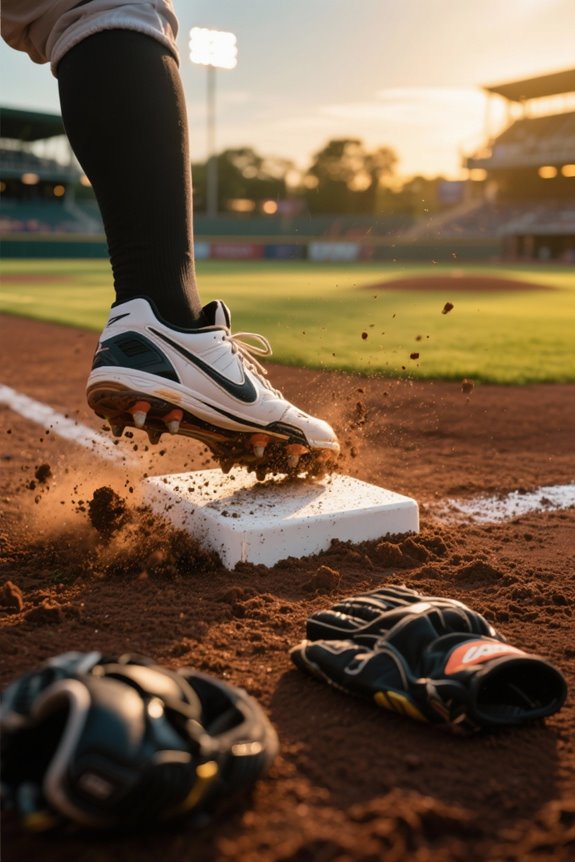
To prevent sliding injuries in baseball, players should master proper sliding techniques, such as extending the lead foot and bending the trailing knee. A structured warm-up, including dynamic stretches, enhances flexibility and joint stability. Utilizing protective gear like sliding mitts and padded pants offers added safety. Coaches should focus on teaching safe sliding methods, while regular field maintenance guarantees safe play conditions. By following these guidelines, players can reduce their risk of injury and improve their sliding skills. For more insights, continue exploring the topic.
Key Takeaways
- Emphasize feet-first sliding as the safest method, especially for younger players, to minimize injury risks.
- Implement a structured warm-up routine that includes dynamic stretching to prepare muscles for sliding movements.
- Use protective equipment like sliding mitts and padded pants to minimize impact during slides.
- Conduct regular field maintenance to ensure the playing surface is safe and free from hazards.
- Teach proper sliding techniques and early decision-making to enhance safety during base-running situations.
Understanding Proper Sliding Technique
You may be interested
10 Best Batting Helmets for Safety and Style on the Field
September 28, 2025

How Can I Prevent Common Baseball Elbow Injuries?
September 28, 2025
Understanding proper sliding technique is essential for reducing injuries in baseball. Mastering slide positioning is important for safe and effective sliding. Players should initiate their slides a few feet before reaching the base, ensuring their lead foot extends forward while the trailing knee bends at a 90-degree angle. Speed control plays a significant role; controlling velocity prevents overshooting the base or colliding with fielders. Proper upper body placement, with hands raised and chin tucked, helps stabilize the body during the slide. Additionally, practicing various sliding techniques, like the feet-first slide or the hook slide, allows players to adapt based on game scenarios. By focusing on these fundamentals, athletes can enhance their performance while minimizing injury risks during play. Using a sliding mat can also significantly improve practice efficiency and safety by providing a controlled surface for training.
Importance of Warm-Up and Conditioning

A well-structured warm-up routine is essential for baseball players to prevent sliding injuries. Engaging in dynamic stretching enhances posture and range of motion in key joints, like hips and shoulders. A focused 10-second stretching protocol can greatly reduce injury trends, preparing muscles for sudden movements during slides. This routine also minimizes the risk of muscle strains caused by abrupt lateral shifts, improving neuromuscular coordination and creating smoother slides. Incorporating strength exercises supports joint stability, further enhancing control during sliding. Players who prioritize conditioning develop better reaction times and muscle control, reducing awkward slides that often lead to injuries. Ultimately, a commitment to proper warm-up and conditioning practices fosters safer play and lower injury rates on the field. Additionally, using quality athletic tape can provide important support for joints during sliding, further minimizing the risk of injury.
Recommended Products

Complete Baseball Training Equipment: The set has 12 items,including 5 resistance bands,2 durable handles,2 ankle straps,1 door anchor,1 baseball grip and 1 carry bag.This complete set of equipment will meet your baseball pitching training needs,whether in your own home,outdoors or at the gym

Complete Baseball & Softball Training Bands Set: This professional baseball training bands set includes everything needed for effective throwing and pitching practice. Designed for baseball training and softball use, it works as a full baseball throwing trainer for warm-ups, strength building, and mobility drills.

【Satisfied Baseball Trainer Set】-- You will get 9 items, including 4 resistance bands, 2 durable handles, 1 baseball grip, ,1 door anchor and 1 carry bag. And you will train as a Pro with this complete set, which meets your baseball pitching training needs, whether in your home, outdoors or at the gym
Effective Coaching and Instruction Strategies

After establishing the importance of warm-up and conditioning, focusing on effective coaching and instruction strategies becomes essential for preventing sliding injuries in baseball. Coaches should emphasize feet-first sliding as the safest method, particularly for youth players. Teaching strategies include using drills like tarp slides for body positioning and breakaway cone drills to enhance timing. Feedback methods, such as video reviews, allow players to correct mechanics. Early decision-making about when to slide is vital, alongside discouraging headfirst slides unless warranted. Building core strength through agility exercises supports safe sliding. Creating a safe coaching environment with clear fields and proper equipment, like breakaway bases, further reduces injury risks. This structured approach fosters skill development and confidence on the field. Additionally, incorporating premium materials in batting gloves can enhance grip and control, further aiding in safer sliding techniques.
Utilizing Protective Equipment

Incorporating protective equipment is essential for minimizing sliding injuries in baseball. Sliding mitts, made with semi-flexible TPU protective plates and Kevlar-reinforced padding, safeguard hands and wrists from cleat contact. Alongside these, padded sliding pants and shorts provide vital protection for thighs and hips, absorbing impacts and reducing friction. Compression designs enhance muscle support while maintaining comfort. In addition, athletic cups offer significant groin protection, dispersing impact forces effectively. Other protective gear like chest guards and elbow pads is also valuable. High-quality materials, including neoprene and durable stitching, contribute to the longevity of this protective gear. By prioritizing injury prevention with specialized equipment, players can confidently embrace the thrill of sliding without the worry of injury. Furthermore, protective essentials such as padded sliding shorts and thumb guards play a crucial role in enhancing player safety during gameplay.
Recommended Products

Hand Protection: The youth sliding mitt feature aluminum plates on both the top and bottom sides, which help secure the wrist during sliding, reduce impact, and provide maximum hand protection.


PROTECTIVE: As the official sliding mitts of the MLB, CFX PRT sliding mitts are designed to help runners protect their hands and fingers from jams and sprains when stealing and sliding into bases
Creating a Safe Playing Environment

Creating a safe playing environment is essential for reducing sliding injuries in baseball. Regular field maintenance and surface inspection are vital. Teams should inspect for uneven terrain, such as holes and divots, and remove debris like glass and stones. Consistent infield dirt quality is important; maintaining it reduces the risk of abrasions during slides. Address water accumulation and guarantee proper drainage to avoid slippery spots. Sealing cracks and repairing damaged areas helps prevent accidents. Implementing breakaway bases is another excellent idea, as they detach on impact, decreasing injury risks considerably. Additionally, using durable materials for pitching mounds can enhance stability and reduce slipping during practice. By prioritizing these safety measures, players can enjoy the game while minimizing the chances of sliding injuries, fostering a culture of safety and teamwork on the field.
Recommended Products

5 PIECE BASE SET: Full set includes 1 home plate, 3 bases, and 1 pitching rubber so you can set the field for an epic game

SUITABLE FOR ALL SKILL LEVELS - Ideal for players learning the game; perfect for gym classes, recreational leagues, and training sessions.

5-PIECE BASE SET: This set comes complete with 3 bases, a home plate, and a pitcher's rubber so you have everything you need to get the game started
Recognizing Injury Awareness and Recovery
Recognizing injury awareness is essential for players, coaches, and teams in baseball. Importantly, injury statistics indicate that 13% of injuries occur during a slide, particularly foot and ankle sprains resulting from poor technique. Factors such as inadequate conditioning or judgment errors can heighten injury risks. As a result, implementing effective recovery strategies is important. Encouraging prompt injury reporting can lead to quicker rehabilitation and improve outcomes. Common injuries like ACL and UCL tears require rest and targeted physical therapy. Additionally, strengthening the muscles around these areas is critical for preventing re-injury. By fostering a culture of awareness and support, players can elevate their game while prioritizing safety and well-being, creating a more inclusive and conscientious sporting environment. Moreover, ensuring that players wear proper catcher gear can significantly reduce the risk of injuries during slides and other high-impact plays.
Practicing Sliding Drills
Practicing sliding drills is essential for players aiming to enhance their technique and reduce injury risks during games. Key drill variations include the figure-four technique, keeping toes pointed upward, and stress on initiating slides with hands raised. Right-handed players should master the left foot-first drill, ensuring safe slides by tucking the right leg behind the left. Progression drills start slowly, advancing from walking to running speeds on safe surfaces to build confidence. Situational sliding challenges simulate game scenarios, combining decisions under pressure with various slide types. Coaches should emphasize consistent techniques and core muscle engagement to minimize injury risks. Additionally, using high-quality materials in catcher’s gear can further enhance player safety during sliding maneuvers. By integrating these drills, players can develop essential skills, fostering a strong sense of community on the field.
Recommended Products

Professional Pitching Mat for Beginners: Designed specifically for young people beginner players, this softball pitching mat helps develop proper throwing mechanics and batting stance. The 54 x 12 inches size is suitable for both baseball and softball training, making it a versatile addition to any training mat routine. Whether used for pitching practice or batting practice, this mat supports consistent improvement.

Training baseball with finger placement markers for four different pitches: 4-seam fastball, 2-seam fastball, curveball and slider

Premium Quality: This baseball hitting mat is made of high quality PVC and EVA material, which is more durable. The home plate mat with 12mm grass and 5mm EVA base thickness is not easy to wear or fade.
Conditioning for Flexibility and Strength
Improving sliding safety in baseball doesn’t just come from perfecting technique; it also heavily relies on conditioning for flexibility and strength. Flexibility training is essential; it enhances hip mobility, helping players slide with better control. Stretching exercises for hip flexors, hamstrings, and adductors can considerably lower injury risks. Dynamic warm-ups, like leg swings, prepare joints for action, which is critical before games. Likewise, strength conditioning builds muscle stability around the knees and hips, improving shock absorption during slides. Resistance exercises targeting glutes and quadriceps enhance balance and reduce joint stress. A strong core further supports posture, ensuring better sliding form and minimizing injury likelihood. Together, these conditioning elements form a powerful foundation for safer sliding practices. Additionally, incorporating compression shirts can help with muscle stabilization and improve recovery times, further enhancing overall athletic performance.
Adjusting Sliding Techniques for Different Players
Adjustments to sliding techniques play an essential role in enhancing player safety and performance. Technique adaptation should vary based on skill level and individual attributes. Younger players thrive with simplified feet-first slides, building confidence while minimizing injuries. Intermediate players can learn head-first slides under supervision, focusing on safe hand and body positioning. Advanced players need frequent reviews of different slide types tailored to their dominant side, allowing for safer, more natural movements. Encouraging players to initiate slides from their natural stance prevents awkward postures that could lead to injuries. Additionally, personalized drills that consider flexibility and past injuries will optimize each player’s sliding mechanics, ultimately promoting safer gameplay and fostering a sense of community among teammates. Using high-quality catcher leg guards can significantly reduce the risk of injuries during play.
Monitoring Game Conditions and Field Safety
How does the condition of the field impact player safety during a game? Field evaluation is vital to minimize sliding injuries. Hard or uneven surfaces heighten injury risks, as players can slip or get caught during slides. Wet weather conditions can exacerbate these dangers, leading to unpredictable sliding. It’s imperative to identify unsafe field conditions before play, possibly delaying or canceling games when necessary. Utilize fields with good drainage to prevent puddling and guarantee surfaces are well-maintained. Employing breakaway bases can notably reduce injury risks by lessening impact during slides. Regular inspections of infield areas help avoid hazards related to uneven ground, making specific adjustments to game plans crucial on high-risk weather days. Prioritizing safety fosters a strong sense of community among players. Additionally, many fitted caps are made from durable materials that ensure comfort and breathability, which can further enhance player performance on the field.
Recommended Products
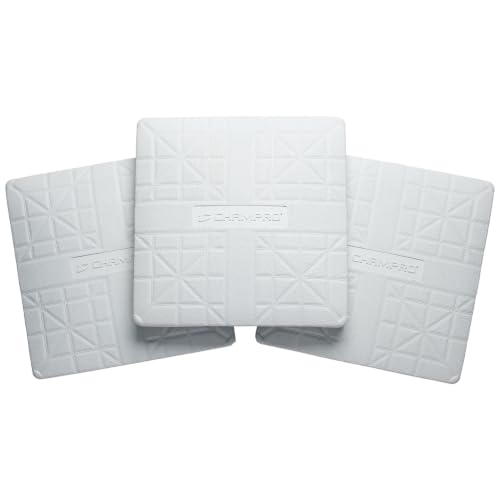
HEAVY DUTY: Tough pebble-embossed, UV-resistant rubber prevents spiked shoes from slipping or puncturing the surface. Will last multiple seasons and helps protect the safety of the runners.

5-PIECE BASE SET: This set comes complete with 3 bases, a home plate, and a pitcher's rubber so you have everything you need to get the game started!

LOW PROFILE BASEBALL BASES: Professional quality bags include standard first second and third bases
Promoting Ongoing Education for Injury Prevention
What steps can communities take to better equip players, parents, and coaches against baseball injuries? Promoting ongoing education is essential. Local organizations can host community outreach programs where orthopedic surgeons and physical therapists lead workshops. These sessions focus on injury prevention, emphasizing safe conditioning techniques tailored for young athletes.
Additionally, resources like MLB’s Pitch Smart provide online guidelines on safe pitching practices, addressing pitch counts and rest periods, important for reducing overuse injuries. By educating parents and coaches about these practices, communities foster informed decisions that safeguard players’ health. Utilizing video analysis in specialized training programs further enhances injury prevention by refining throwing mechanics. Continuous education guarantees that everyone involved in youth baseball prioritizes safety and performance.
Frequently Asked Questions
What Are Common Signs of Sliding Injuries in Players?
Players often exhibit pain, swelling, bruising, or tenderness in the groin and legs. Symptoms affecting movement may signal injury recovery needs, highlighting the importance of player safety during sliding to prevent long-term consequences.
How Can I Identify Proper Sliding Techniques Visually?
Like an artist refining their craft, one can identify proper sliding techniques through visual cues: assess body positioning, arm placement, and foot orientation. Observing these elements facilitates technique assessment, ensuring efficient and safe sliding in baseball.
What Role Do Parents Play in Sliding Injury Prevention?
Parents play an essential role in sliding injury prevention through parent education and fostering injury awareness. By ensuring proper equipment, promoting safe techniques, and advocating for awareness programs, they contribute greatly to their children’s safety in sports.
How Often Should Sliding Practice Be Conducted During the Season?
Sliding drills should be conducted 1-2 times per week to balance skill development and minimize injury frequency. Regular practice enhances technique while ensuring players feel confident and supported in their abilities during games.
What Are the Psychological Effects of Sliding Injury Fears on Players?
Injury anxiety considerably impacts players, fostering performance pressure and hesitation during play. This psychological strain can diminish confidence, impede recovery, and create feelings of isolation, ultimately hindering an athlete’s sense of belonging within their team.