As an Amazon Associate, we earn from qualifying purchases. Some links on this site are affiliate links at no extra cost to you. Our recommendations are based on thorough research and editorial judgment.

How Can I Prevent Common Baseball Elbow Injuries?

To prevent common baseball elbow injuries, players should focus on proper throwing mechanics and consistent strength training. Engaging the whole kinetic chain distributes force effectively, reducing strain on the elbow. Ideal warm-up routines include dynamic stretches to enhance flexibility. Monitoring pitch counts, taking regular rest days, and promoting open communication about discomfort are essential. Additionally, video analysis can pinpoint mechanical flaws. Using protective gear, such as elbow compression sleeves, adds further support. More strategies can be explored for effective prevention.
Key Takeaways
- Focus on developing proper throwing mechanics to minimize valgus stress on the elbow and enhance force distribution throughout the body.
- Implement foundational strength training targeting core stability, shoulder, and arm muscles to significantly reduce the risk of injuries.
- Monitor pitch counts and enforce adequate rest days to aid recovery and prevent overuse injuries during the pitching season.
- Use video analysis to identify and correct mechanical flaws in throwing motions, improving performance and reducing stress on the elbow.
- Encourage open communication between players and coaches to promptly address pain or discomfort, fostering a supportive environment for injury prevention.
Understanding Baseball Elbow Injuries
You may be interested

10 Best Grip Strength Trainers for Building Serious Hand Power
November 9, 2025
How Can I Prevent Sliding Injuries In Baseball?
November 9, 2025

How Can Proper Equipment Fit Prevent Injuries?
November 9, 2025
Baseball elbow injuries have become a significant concern for players at all levels of the sport. These injuries, particularly involving the ulnar collateral ligament (UCL), are more frequent during overhead throwing motions. Diagnosing injuries requires careful evaluation, often involving imaging techniques to differentiate between various types. For many players, understanding elbow stress is essential, especially since 20% to 40% of youth players report elbow pain. Treatment options range from rest and physical therapy to more invasive methods like surgery in severe cases. Significantly, elbow surgeries among pitchers have increased dramatically, highlighting the need for awareness and preventive measures. Players should feel connected to their community by prioritizing elbow health, ensuring they can continue to enjoy the game safely. Furthermore, adjustable fit systems in equipment like gloves can help improve player comfort and reduce the risk of injury during gameplay.
The Importance of Proper Throwing Mechanics

Consistency in throwing mechanics is crucial for preventing elbow injuries among athletes. Proper engagement of the kinetic chain starts from the legs and hips, ensuring the entire body contributes to the throw. This distribution of force reduces stress on the elbow, allowing larger muscle groups to absorb the load. Arm positioning is equally essential; keeping the elbow at or slightly below shoulder height during the throwing motion minimizes valgus stress on the ulnar collateral ligament. Coaches should emphasize fluid movements across the phases of throwing while monitoring for proper arm alignment. Utilizing video analysis can effectively highlight areas needing correction. By focusing on these mechanical elements, athletes can markedly lower their risk of elbow injuries while enhancing their performance on the field. Additionally, incorporating proper training equipment can further aid in developing effective mechanics and preventing injuries.
Recommended Products

Training baseball with finger placement markers for four different pitches: 4-seam fastball, 2-seam fastball, curveball and slider

TRAIN INDEPENDENTLY: Practice throwing, pitching, and fielding with or without a coach; The pitchback rebounder can return baseballs & softballs to simulate ground balls and line drives; Great for pitchers & fielders

WEIGHTED TRAINING BALLS: Set includes a 6 pack of 16oz training balls measuring 2.8 inches for baseball and softball training
Building Strength and Conditioning

While injury prevention is a primary concern for baseball players, building strength and conditioning offers a proactive approach to safeguarding elbow health. Foundational strength training emphasizes basic movement patterns, achieving nearly a 50% reduction in medial elbow injury risk for youth players. Core stability exercises support trunk control, efficiently distributing throwing forces away from the elbow. Conditioning drills that target the wrist flexors and pronator muscles counteract valgus stress on the ulnar collateral ligament. Additionally, scapular and shoulder stabilizer strengthening plays an important role in protecting the elbow by controlling shoulder positioning. By integrating sport-specific power and endurance movements, players can enhance overall performance while reducing injury susceptibility, creating a well-rounded approach for every athlete on the team. Furthermore, selecting the right wooden bat material can impact swing mechanics and ultimately contribute to elbow health.
Recommended Products

𝗜𝗻𝗰𝗹𝘂𝗱𝗲𝗱 𝗖𝗼𝗻𝘁𝗲𝗻𝘁 — Hand exercise ball (2.15 x 1.63’’) x 3, hand grip ring (2.75’’ diameter) x 2, finger stretcher (3.92 x 1.9’’) x 3, storage bag x 1, instruction manual x 1 and gift box x 1.

𝗜𝗻𝗰𝗹𝘂𝗱𝗲𝗱 𝗖𝗼𝗻𝘁𝗲𝗻𝘁 — Hand exercise ball (2.15 x 1.63’’) x 1, hand grip ring (2.75’’ diameter) x 2, finger stretcher (3.92 x 1.9’’) x 2, storage bag x 1, instruction manual x 1 and gift box x 1.
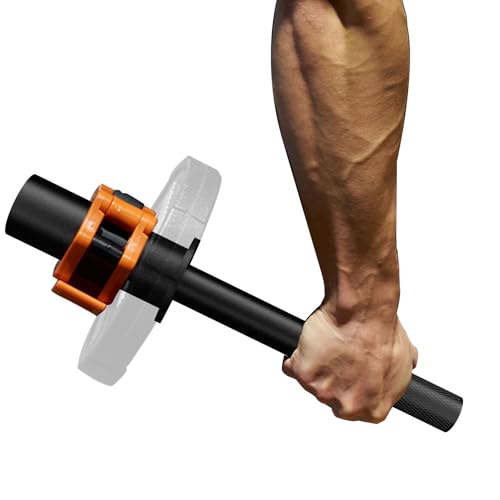
Fitarc 2 in forearm training bar not only builds strong forearms, but also increases grip strength and strengthens wrist flexibility. It can meet the fitness enthusiasts for forearm supination / pronation work, wrist curls and many other training.
Effective Warm-up and Flexibility Routines

Warm-up routines play an essential role in preparing athletes for the demands of throwing. Incorporating dynamic stretches and mobility drills enhances joint flexibility and muscle activation. A proper warm-up should begin with 5 to 10 minutes of light aerobic activity, gradually shifting to static stretches, like the cross-arm stretch held for 30 seconds. Dynamic stretches, including arm circles and rotations, promote good neuromuscular coordination. Proprioceptive training, using exercises like single-leg stances, strengthens stabilizing muscles. Consistent warm-up routines are vital for injury prevention, reducing stress on the elbow. Finally, integrating forearm and wrist exercises further fortifies the elbow joint, ensuring athletes are well-prepared for the rigors of pitching. Additionally, using training aids like baseball training tees can enhance swing mechanics and overall batting performance, contributing to injury prevention. These specific approaches create a stronger, more resilient foundation for every player.
Recommended Products

【Satisfied Baseball Trainer Set】-- You will get 9 items, including 4 resistance bands, 2 durable handles, 1 baseball grip, ,1 door anchor and 1 carry bag. And you will train as a Pro with this complete set, which meets your baseball pitching training needs, whether in your home, outdoors or at the gym

【Enhanced Performance and Support】Our mens compression leggings are designed to enhance your athletic performance across a variety of activities. Whether you're in the gym or engaging in outdoor sports, the compression technology provides targeted support to key muscle groups, helping to reduce muscle fatigue and enhance endurance. The snug fit improves blood circulation, aiding in quicker recovery times after intense workouts

Complete Baseball Training Equipment: The set has 12 items,including 5 resistance bands,2 durable handles,2 ankle straps,1 door anchor,1 baseball grip and 1 carry bag.This complete set of equipment will meet your baseball pitching training needs,whether in your own home,outdoors or at the gym
Monitoring Pitch Counts and Rest

Monitoring pitch counts and ensuring adequate rest are critical components in preventing elbow injuries among young baseball players. Adhering to recommended pitch limits, such as 75 pitches for ages 9–10 and 85 for 11–12, markedly reduces the risk of injury. Organizations like Little League emphasize this pitch count adherence to curb elbow pain. However, players often exceed these limits, leading to increased injury risk. Injury monitoring includes evaluating throwing volume during practices and informal games, which can greatly impact overall health. Prioritizing rest days between outings allows tissues to recover, reducing overuse injuries. Education for coaches and parents on rest policies is essential, especially when players display symptoms of fatigue or soreness. This balanced approach helps foster a safer youth baseball experience. Additionally, using proper bat weight can contribute to minimizing stress on the elbow during gameplay.
Recognizing Pain Awareness and Injury Prevention
Understanding pain signals is fundamental in preventing elbow injuries in young baseball players. Pain recognition is essential; persistent or worsening elbow discomfort should not be ignored. Acknowledging mild pain early can prevent permanent damage caused by pitching through it. Young athletes must communicate openly with coaches and parents regarding any injury signals. Immediate cessation of throwing upon feeling pain is critical to avoid aggravating existing issues. Additionally, fatigue-related discomfort often indicates overuse and necessitates rest. Maintaining flexibility through regular stretching can reduce injury risk by supporting proper joint function. Developing strength in surrounding muscles distributes throwing forces evenly, lessening the load on the elbow. Prioritizing these practices creates a healthier, more secure playing environment for young athletes. Implementing proper equipment organization can also help ensure that players have access to well-maintained gear, reducing the likelihood of injuries.
Avoiding High-Risk Practices
To effectively prevent elbow injuries in young baseball players, avoiding high-risk practices is essential. Sticking to pitch count guidelines is vital; exceeding these can lead to overuse injuries like pitcher’s elbow. Limiting high-risk pitches, such as curveballs, is especially important for players under age 14. Their developing bodies are more vulnerable to the long-term effects of improper mechanics. Coaches should encourage rotation among positions and promote participation in multiple sports to reduce repetitive strain. Players need adequate rest between games and practices for recovery. Recognizing pain and not pitching through it will also help prevent worsening injuries. By following these practices, an environment that prioritizes health and safety can be fostered, allowing players to thrive. Additionally, incorporating composite bats in practice can help reduce vibration and improve swing mechanics, which may further protect players’ elbows.
The Role of Video Analysis in Technique Improvement
Video analysis plays an essential role in the technique improvement of baseball players, offering a valuable tool to enhance performance while minimizing injury risk. By utilizing slow-motion reviews, players can identify mechanical flaws in their pitching motions that might be missed otherwise. Side-by-side comparisons with professional pitchers reveal inconsistencies in arm slot and release point. Freeze-frame features help isolate moments in the sequence conducive to elbow stress. This visual feedback accelerates learning, enabling athletes to grasp the significance of proper mechanics. Additionally, remote video analysis tailors biomechanical reviews, optimizing mechanics based on individual needs. Overall, leveraging video analysis can lead to the timely correction of techniques, helping athletes maintain elbow health while improving their game. Incorporating pitching target nets into practice routines can further enhance accuracy and control, providing additional support for technique refinement.
Recommended Products

Heavy Duty and Sturdy: Each component of our 9-hole pitching net undergoes rigorous testing. The thick alloy frame enhances the net's stability, and it comes with four ground stakes and two sandbags (note: sandbags are empty). The high-quality netting and foam lining can withstand significant impacts, allowing pitchers to practice for extended periods
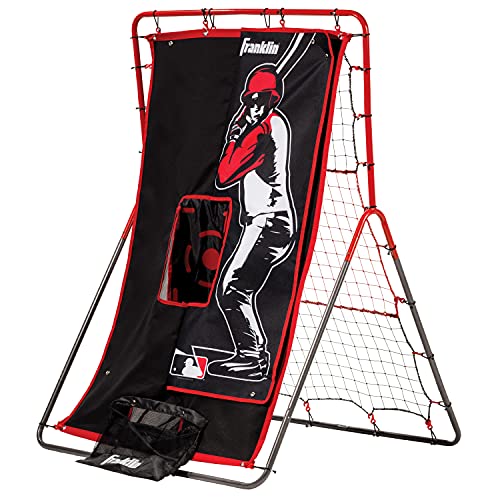
ALL-IN-ONE TRAINER: This rebounder and pitching target has everything youth baseball and softball players need to hone all their skills at once!

THROWING PITCHING TRAINING AIDS FOR ACCURACY - Practice Accuracy Training with Strike Zone,Giving pitchers a full strike zone, helps players visualize key areas and focus on throw pitch location,learning to move their fast ball and changeup around the baseball pitching target zone,improve striking and throwing accuracy skills.
Cross-Training and Off-Season Considerations
Cross-training offers an effective strategy for preventing elbow injuries in baseball players, providing a well-rounded approach to athletic development during the off-season. Engaging in diverse off-season activities, such as swimming and cycling, allows muscle groups used in throwing to recover while enhancing overall athleticism. Swimming maintains cardiovascular fitness with low joint stress, while cycling strengthens legs without impacting the elbow. Additionally, rock climbing enhances flexor pronator strength, stabilizing the ulnar collateral ligament (UCL) and reducing injury risk. By incorporating these cross-training benefits, players avoid overuse injuries, combat burnout, and prepare effectively for the next season. A thoughtful combination of cross-training activities and strategic rest leads to longer careers and improved performance on the field. Furthermore, utilizing elbow compression sleeves can provide additional support and pain relief during training and recovery.
Recommended Products
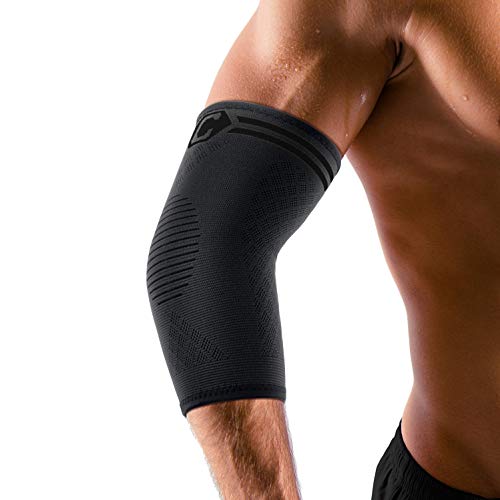
GRADUATED COMPRESSION FOR DAILY PAIN RELIEF — Our seamless 3D-knit compression sleeve delivers consistent, graduated pressure around the entire elbow joint — no straps, no Velcro. Just pull on and go about your day. Promotes blood circulation, reduces inflammation, and relieves discomfort from tennis elbow, golfer's elbow, epicondylitis, and arthritis — whether you're lifting weights, typing at your desk, or recovering on the couch.

Unleash Your Potential - Experience unparalleled performance with this arm and elbow compression sleeve, made from a moisture-wicking elastane-nylon blend that keeps you cool, dry, and focused throughout every workout session
GRADUATED COMPRESSION FOR DAILY PAIN RELIEF — Our seamless 3D-knit compression sleeve delivers consistent, graduated pressure around the entire elbow joint — no straps, no Velcro. Just pull on and go about your day. Promotes blood circulation, reduces inflammation, and relieves discomfort from tennis elbow, golfer's elbow, epicondylitis, and arthritis — whether you're lifting weights, typing at your desk, or recovering on the couch.
Encouraging Open Communication About Discomfort
How can players best protect their arms while enjoying their time on the field? Encouraging open player-coach dialogue is essential in preventing elbow injuries. Players must feel comfortable reporting any pain or discomfort immediately, as early injury reporting systems can greatly reduce complication risks. Coaches trained to recognize fatigue signs foster a supportive environment, promoting player transparency. Regular check-ins from coaching staff guarantee that health remains a priority. Incorporating technology, such as apps to monitor throwing volume, can enhance communication further. Reinforcing that pain signals a need for caution—not weakness—creates a culture where players prioritize their health. This proactive approach empowers athletes, leading to safer playing conditions and longer careers in baseball. Additionally, using proper protective gear can significantly reduce the risk of injuries during play.
Frequently Asked Questions
What Are the Signs of a Serious Elbow Injury?
A cracked vase, unable to hold water, illustrates serious elbow injuries. Acute pain, swelling, and tenderness indicate significant damage. If symptoms persist, seeking medical evaluation becomes essential to restore functionality and prevent further complications.
How Can I Improve Grip Strength for Throwing?
To improve grip strength for throwing, engaging in grip exercises and effective muscle conditioning enhances performance. Incorporating diverse movements like kettlebell curls and isometric holds can lead to significant gains, fostering a sense of accomplishment and belonging among peers.
Is Ice Effective for Treating Elbow Pain?
Ice application offers fleeting relief, like a winter’s breath that eases a burning ache. While it provides short-term pain relief for elbow discomfort, its long-term efficacy remains debatable, leaving the search for healing ongoing.
What Nutritional Factors Aid in Injury Prevention?
Nutritional factors like balanced hydration and adequate intake of vitamins, minerals, and protein-rich foods are essential for injury prevention. Nutritional supplements can support recovery, enhancing overall joint and muscle health within a supportive community.
When Should I Consult a Sports Doctor for Elbow Issues?
When experiencing persistent or severe elbow pain or loss of motion, seeking a sports doctor for elbow assessments is essential; acknowledging previous injury history can prevent complications and promote a supportive environment for recovery and growth.