As an Amazon Associate, we earn from qualifying purchases. Some links on this site are affiliate links at no extra cost to you. Our recommendations are based on thorough research and editorial judgment.


What Stretching Routine Reduces Muscle Strains In Baseball?

A structured stretching routine considerably reduces muscle strains in baseball players by blending dynamic and static stretches. Pre-game, players should incorporate dynamic movements such as arm circles and leg swings for 10-15 repetitions to enhance blood flow. Post-game, static stretches like the cross-body shoulder stretch for 20-30 seconds help solidify flexibility. Consistent practice, 3-4 times weekly, promotes muscle health and boosts performance. Learn how to create the most effective routine for your specific needs.
Key Takeaways
- Incorporate dynamic stretches like leg swings and arm circles pre-game to enhance flexibility and reduce muscle strain risks.
- Implement specific static stretches post-game, holding each for 20-30 seconds to promote recovery and maintain flexibility.
- Target common injury areas with stretches for forearm flexors, hamstrings, and calves to prevent muscle strains during gameplay.
- Establish a consistent stretching routine, practicing dynamic and static exercises 3-4 times per week for optimal performance and injury prevention.
- Add balance and proprioception drills to improve stability and awareness, further reducing the likelihood of muscle strains in players.
Importance of Stretching for Baseball Players
You may be interested
How Can I Prevent Common Baseball Elbow Injuries?
November 24, 2025
How Can I Prevent Sliding Injuries In Baseball?
November 24, 2025

How Can Proper Equipment Fit Prevent Injuries?
November 24, 2025
Stretching plays an essential role in the overall health and performance of baseball players. Regular stretching routines greatly enhance player longevity by improving flexibility and range of motion. For instance, specific stretches like the Sleeper and Cross-Body stretches target common issues such as posterior shoulder tightness, especially for pitchers. Consistently incorporating stretching into daily routines not only aids in injury awareness but has statistically shown to reduce shoulder and elbow injuries, particularly among high school pitchers. By identifying and addressing range of motion deficits early, players can prevent overuse injuries. Ultimately, a structured stretching program contributes to players’ durability, allowing them to enjoy longer, more productive careers on the field while minimizing injury risks associated with their sport. Additionally, understanding the importance of injury prevention strategies can further enhance a player’s overall performance and safety.
Dynamic Stretching Guidelines

Dynamic stretching serves as a crucial component in preparing baseball players for their performance on the field. Understanding dynamic stretching benefits is essential for athletes committed to reducing injury risk. Players should begin their routine with a general warm-up, gradually incorporating dynamic warm-up techniques lasting 10-20 minutes. Movements like leg swings, arm circles, and walking lunges engage major muscle groups, increasing tissue pliability and improving coordination. Aiming for 10-15 repetitions of each stretch, players should progress from slow, controlled motions to more intense movements. Concluding with baseball-specific actions, such as swinging or sprinting, effectively primes the body for game scenarios. This method guarantees players are well-prepared to tackle the explosive demands of baseball, enhancing their overall performance safely. Additionally, incorporating anti-glare technology in sunglasses can further improve focus during training by reducing distractions from bright sunlight.
Key Dynamic Stretches for Warm-Up

Preparing for a baseball game requires thorough warm-up routines, which include key dynamic stretches that effectively target various muscle groups. Arm circles stimulate shoulder joint mobility and engage the rotator cuff, while cross-body arm swings enhance scapular mobility, warming up muscles vital for throwing. For the lower body, leg swings bolster hip flexibility, and high knees elevate heart rates, promoting muscle activation. Core movements like torso twists warm up essential oblique muscles and enhance spinal mobility. Additionally, simulated batting swings replicate hitting dynamics, contributing to dynamic flexibility. By incorporating these stretches, players reduce the risk of injury and prepare their bodies for peak performance. Each warm-up engages the muscles, ensuring readiness for the game ahead. Using adjustable baseball gloves can also help enhance grip and comfort, further supporting effective movement during play.
Recommended Products
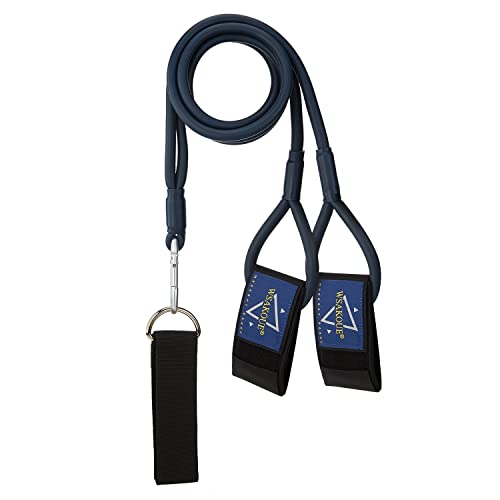
WSAKOUE Baseball Bands, Resistance Bands for Baseball Player and Softball Pitchers, Baseball Pitching Trainer and Arm Trainer for Throwing training, Baseball Training Equipment

35% Cotton – Breathable & Skin-Friendly 60% Polyester – Enhanced Durability 5% Spandex – Dynamic Fit Engineered to address the inherent limitations of pure cotton (moisture retention) and full synthetics (skin irritation) — the precision-engineered choice for athletic gear.

Baseball/Softball training aid for all ages & abilities with high quality athletic tubing - Our resistance band kit is available in 3 color-coded resistance levels so you can train at the right level to meet your athletic performance goals
Static Stretching Protocols
While players often focus on dynamic movements to prepare for a big game, static stretching is essential for post-activity recovery and injury prevention. Incorporating specific stretch types, players can hold stretches such as the shoulder extension and doorway stretch for 20 to 45 seconds. Conducting two to three repetitions per stretch solidifies flexibility gains. Targeting muscles like the triceps and shoulders helps alleviate tension and enhances performance. This recovery method is particularly effective after pitching or intense running. Consistent use of static stretching routines not only improves flexibility but also supports muscle compliance, ultimately reducing the risk of strains. Ideal for dugout breaks, these quick stretches become a crucial part of every player’s health strategy on and off the field. Additionally, incorporating training tools such as the SWINGRAIL can further enhance muscle recovery and performance.
Recommended Products

Home PT Strap for Independence (3 Recovery Stages) – A physical therapy stretching strap designed for gentle knee/hip/leg mobility at home. Use it across recovery: Stage 1 bedside assist (when movement is limited), Stage 2 PT stretching/ROM, Stage 3 daily warm-up to maintain mobility—so you can stay independent
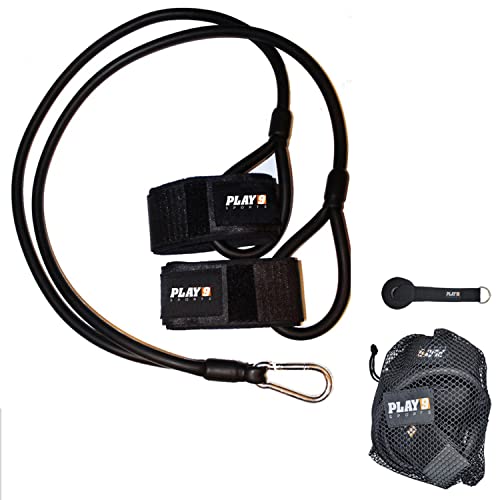
ARM STRENGTH & FLEXIBILITY: Our baseball resistance bands help you build strength, endurance, and flexibility in your legs, hips, glutes, shoulders, and arms. Designed specifically as baseball bands for arm strength, they're perfect pitching bands to boost velocity, improve mechanics, and enhance mobility. Take your performance to the next level today!

Relax Your Body:The Stretch strap & leg stretcher is perfect for Physical therapy is perfect for stretch foot,waist and hand.Assist stretching after exercise,relieve muscle soreness,improve muscle flexibility,and also improve back pain caused by lack of exercise for a long time.
Essential Static Stretches Post-Game

Post-game recovery is essential for baseball players, particularly through static stretching routines that target important muscle groups. Implementing a cross-body shoulder stretch for 20-30 seconds enhances shoulder recovery, while forearm and wrist stretches help alleviate tightness after throwing. Balance is key; make sure to stretch both arms to prevent asymmetrical strain. On the lower body, a seated hamstring stretch and standing quadriceps stretch maintain hip flexibility, significant for quick lateral movements. A focused hip flexor stretch also helps alleviate lower back stress. Incorporating these stretches post-game supports recovery and reduces the risk of future injuries, helping players stay fit and engaged in their sport. Consistent practice of these techniques fosters community and belonging within the team. Additionally, wearing compression sleeves can enhance muscle support and recovery during these routines.
Targeted Stretches for Common Injuries
Injury prevention is essential for baseball players, as common strains can disrupt performance and recovery. Targeted stretches can considerably reduce muscle tightness and help athletes stay in the game. For elbow strains, forearm flexor and wrist extensor stretches are critical, easing the strain from repetitive throwing. Gentle elbow flexion and cross-body arm stretches enhance joint mobility, minimizing tightness. For hamstring injuries, seated stretches and dynamic leg swings improve flexibility while standing toe touches enhance posterior chain readiness. To prevent ankle sprains, calf stretches against a wall focus on critical muscle groups, while dynamic movements increase range of motion. Finally, shoulder specific stretches, like the doorway stretch, promote flexibility and reduce injury likelihood, fostering a supportive environment for all players. Additionally, incorporating effective cushioning in knee savers can further enhance comfort and support during stretches and gameplay.
Recommended Products

Top Choice Stretching Strap for Physical Therapy: The OPTP Stretch Out Strap was the first stretching strap on the market in 1993 and is still recommended by physical therapists and athletic trainers. Backed by +27K reviews.

Physical Therapy Style Stretching Strap with Loops: This multi-loop stretching strap is designed like the ones used in PT clinics. Perfect for home recovery, knee replacement rehab, ACL recovery, and mobility training. If you're looking for a reliable stretch strap for physical therapy, this is the one you'll actually use.
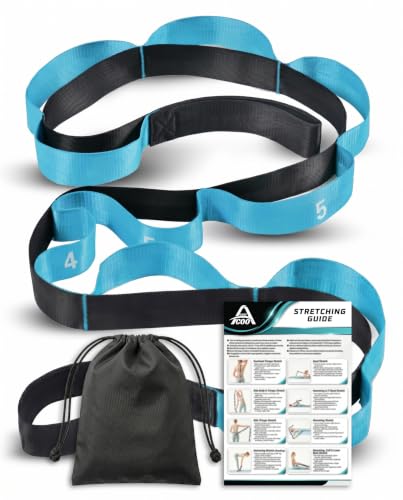
10 LOOPS FOR FULL-BODY STRETCHING – This yoga stretching strap achieve deeper stretches with 10 reinforced loops and 86 inch length and 1.5 inch width for customizable grip positions. Perfect for hamstrings, hips, shoulders, and back pain relief. Secure non-Elastic design holds any stretch intensity.Ideal for yoga poses, post-operative rehabilitation and exercise recovery
Strengthening Exercises to Complement Stretching
Strengthening exercises play an essential role in enhancing performance and preventing injuries for baseball players. Key focus areas include the rotator cuff and core stability. Strengthening the rotator cuff through external and internal shoulder rotations with bands or dumbbells supports proper throwing mechanics. Scapular stabilization exercises, like the prone scarecrow, boost shoulder blade control and reduce injury risks. Core stability is crucial for generating power and maintaining balance. Exercises such as planks and medicine ball slams develop fundamental core strength. This foundation supports energy transfer during pitching and hitting, minimizing undue stress on the joints. By incorporating these targeted strengthening routines, players can elevate their game while safeguarding against common baseball injuries, ensuring a more resilient athletic experience. Additionally, ensuring proper glove fit can enhance both performance and safety on the field.
Recommended Products

CONTINUOUS PROGRESS: Baseball resistance bands can improve strength, arm speed, flexibility, throwing speed, distance, and accuracy. Frequent use of this pitching bands baseball equipment can effectively help improve your level and become a better pitcher and baseball player.

【Satisfied Baseball Trainer Set】-- You will get 9 items, including 4 resistance bands, 2 durable handles, 1 baseball grip, ,1 door anchor and 1 carry bag. And you will train as a Pro with this complete set, which meets your baseball pitching training needs, whether in your home, outdoors or at the gym

Baseball/Softball training aid for all ages & abilities with high quality athletic tubing - Our resistance band kit is available in 3 color-coded resistance levels so you can train at the right level to meet your athletic performance goals
Pre-Game Routine for Optimal Performance
A well-structured pre-game routine is essential for baseball players aiming to enhance performance and minimize injury risk. It begins with 5–10 minutes of light aerobic activity, such as jogging or shuttle runs, to raise body temperature and blood flow. Following this, players should engage in 5–10 minutes of dynamic stretching, focusing on baseball-specific movements to improve flexibility. Activation exercises, like resistance band routines for glutes and shoulders, should then wake up key muscle groups. Additionally, the incorporation of nutrition strategies guarantees players have the necessary energy, aiding mental preparedness. By prioritizing these elements, athletes can feel confident and ready, setting the stage for a successful game filled with high performance and reduced risk of injuries. Agility training with agility ladders can further enhance coordination and speed, vital for optimal performance on the field.
Recommended Products

Elevate Your Athletic Performance - Unleash explosive agility with the Teenitor Agility Ladder. Designed for athletes of all levels, this agility ladder sharpens footwork precision, accelerates reaction speed, and enhances coordination through dynamic drills. Transform your training routine and conquer challenges with confidence

20 Feet 12 Rungs Agility Ladder:The agility ladder comes with 12 sturdy plastic rungs, and the overall length is 20 feet

Enhance Athletic Performance: 12 adjustable crossbars are designed for dynamic training, improving footwork accuracy, reaction speed, and coordination. Especially suitable for training in sports such as soccer, basketball, and rugby.
Post-Game Recovery and Stretching
Although players may feel fatigued after a game, post-game recovery and stretching are essential for enhancing performance and reducing soreness. Implementing a post-game routine involves static stretches following a light aerobic cool-down to keep muscles warm and promote healing. Key stretches like the cross-body shoulder and triceps stretch, held for 20-30 seconds, help alleviate tension. Integrating the benefits of hydration and the importance of nutrition into this process amplifies muscle repair and diminishes inflammation. Players should engage in a well-rounded cool-down that includes hydration, nutrition, and gentle stretching. By committing to this structured approach, athletes will enhance flexibility, lower injury risks, and guarantee readiness for future performances. Additionally, ensuring that equipment, like batting helmets, meets safety standards can also contribute to overall player safety and performance.
Incorporating Balance and Proprioception
Incorporating balance and proprioception into a baseball training routine greatly enhances an athlete’s overall performance and reduces injury risks. Implementing balance techniques, such as single-leg stands and dynamic leg swings, can effectively engage stabilizing muscles early in warm-ups. Proprioception drills, like using balance boards and plyometric exercises, help improve awareness of limb position, crucial for precise movements. Additionally, incorporating core stability tasks on unstable surfaces promotes ideal trunk control during throwing. Training with different levels of instability strengthens the neuromuscular system, benefiting joint stability and reaction times. These exercises are not only essential in preventing common injuries, like ankle sprains, but also contribute to better muscle control, enabling baseball players to perform at their best. Regular practice with baseball swing trainers can further enhance overall coordination and technique.
Consistency: Key to Reducing Muscle Strains
Consistency in stretching routines plays an essential role in reducing muscle strains for baseball players. Regular practice of dynamic and static stretching techniques, ideally 3-4 times per week, enhances flexibility and prepares muscles for activity. Specifically, 15-20 minutes of stretches before and after games greatly supports injury prevention. Dynamic stretches like arm circles and leg swings boost blood flow, while post-game static stretches of 20-30 seconds promote recovery. This dual approach not only maintains muscle length but also corrects imbalances common in athletes. Establishing a routine, such as pre-practice or morning sessions, guarantees sustained benefits. By prioritizing consistent stretching, players ultimately lower their risk of strains, enhancing both performance and enjoyment of the game.
Frequently Asked Questions
How Long Should I Stretch Before a Game?
Before a game, players should stretch for 15 to 20 minutes, utilizing dynamic stretching for 5 to 10 minutes, followed by static stretching for 20 to 30 seconds each, ensuring proper readiness and flexibility.
Can Stretching Improve My Batting Performance?
Stretching can substantially enhance batting performance, as research shows that players with improved flexibility achieve up to 15% greater swing velocity. Incorporating dynamic warm-ups before practice maximizes flexibility benefits, fostering a united, high-performing team spirit.
What Time of Day Is Best for Stretching?
The best time for stretching varies; morning flexibility enhances mobility, while evening relaxation improves muscle tension relief. Each player should find a personal routine aligning with their schedule, ensuring consistency for ideal performance and recovery.
Is It Safe to Stretch With an Existing Injury?
Stretching with an existing injury resembles dancing on fragile ice; caution is essential. During injury recovery, gentle movements and pain management are crucial. Consult professionals to avoid exacerbating injuries while seeking grace in healing.
How Often Should I Incorporate Stretching Into My Routine?
Stretching should be incorporated daily into training routines, including dynamic stretches before activity for warm-up and static stretches afterward for recovery. Consistent practice fosters a sense of community and shared commitment to injury prevention among players.