As an Amazon Associate, we earn from qualifying purchases. Some links on this site are affiliate links at no extra cost to you. Our recommendations are based on thorough research and editorial judgment.


What Safety Precautions Should Coaches Take During Practice?

Coaches must follow specific safety precautions during practice to protect all participants. They should implement structured warm-up and cool-down protocols, including the RAMP method. A detailed risk assessment of the practice environment is essential. Coaches need to establish a thorough emergency preparedness plan and foster open communication with athletes about their health. Monitoring hydration and rest management practices is vital, too. By focusing on these elements, coaches can create a safer experience for everyone involved, and there’s more to explore on this topic.
Key Takeaways
- Conduct thorough hazard assessments and maintain safe playing surfaces to prevent injuries during practice.
- Implement dynamic warm-up protocols and injury prevention strategies to prepare athletes for physical activity.
- Establish and regularly review an Emergency Action Plan (EAP) that ensures quick response to emergencies.
- Monitor hydration and rest to maintain athlete well-being, particularly during intense training sessions.
- Ensure proper equipment selection and maintenance, and educate athletes on safe usage practices.
Warm-Up and Cool Down Protocols
You may be interested


How Can I Prevent Common Baseball Elbow Injuries?
October 3, 2025
Effective warm-up and cool-down protocols are essential for athletes’ safety and performance during practice. Warm-up techniques begin with the RAMP protocol: Raise, Activate, Mobilize, and Potentiate. This includes 5-10 minutes of light cardio or dynamic movements to elevate heart rate and improve joint mobility. The activate and mobilize phases target muscle groups and enhance coordination while reducing injury risks. After intense activity, cool down benefits come from gradually lowering heart rate through low-intensity movements like walking or swimming. This aids in removing lactic acid and restoring blood pressure. Incorporating gentle stretches during the cool-down improves flexibility and promotes relaxation, ensuring athletes return to their everyday activities feeling rejuvenated and ready for the next session. Additionally, utilizing proper height adjustability in practice equipment, like batting tees, can further enhance training effectiveness while minimizing the risk of injury.
Recommended Products

⚾【Height Adjustable from 25" to 37"】Easy adjusts the height to 25 inches (for kids) or 37 inches (for teens, adults) to meet players of different heights and training needs. As hitters progress from learning to hit in Little League baseball, they should begin moving the batting tee to various heights and locations to simulate at-bats in a real game.

【ADJUSTABLE HEIGHT】Baseball tee can be adjustable height from 25-37 inch, It accommodates teens and adults of various skill levels. This versatility ensures they can continue to use the baseball batting tee as they grow and progress in their baseball journey

1.【STURDY TRIPOD STAND】batting tee for kids, Sturdy tripod configuration provides stability.
Risk Assessment and Safe Practice Environment

Safety during practice extends beyond warm-ups and cool-downs to encompass a thorough risk assessment and the establishment of a safe practice environment. Coaches should conduct detailed walkthroughs to guarantee effective hazard identification at each stage. Engaging with experienced staff and examining historical injury records can provide valuable insights for risk evaluation. Identifying all individuals potentially affected by hazards, including youth and special needs participants, is essential. Evaluating the likelihood and severity of each hazard helps prioritize precautionary measures. Maintaining playing surfaces, providing first aid kits, and training staff on emergency procedures create a holistic safety culture. Regular monitoring and open communication about risks and safety measures foster a supportive atmosphere, guaranteeing everyone feels secure and valued in their practice environment. Incorporating proper safety standards compliance in gear selection also plays a critical role in minimizing potential injuries during practice.
Coaching Conduct and Interaction Policies

When coaches adhere to established conduct and interaction policies, the entire sporting environment becomes more positive and professional. These coaching ethics dictate clear behavior standards, ensuring respect and integrity in all encounters. Coaches sign annual statements confirming their understanding of the SafeSport Code, committing to the organization’s guidelines to safeguard athlete welfare. Prohibited behaviors are explicitly defined, promoting an inclusive atmosphere free of discrimination. Coaches must communicate transparently with athletes and parents, avoiding conflicts of interest. Ethical practices, including ongoing education, bolster trust and accountability. Serious violations, such as misconduct, may lead to disciplinary actions, reinforcing the importance of these interaction guidelines for a safer, supportive training environment that fosters teamwork and belonging. Additionally, coaches should equip themselves with durable coaching tools to enhance both player safety and practice efficiency.
Emergency Preparedness and Health Training

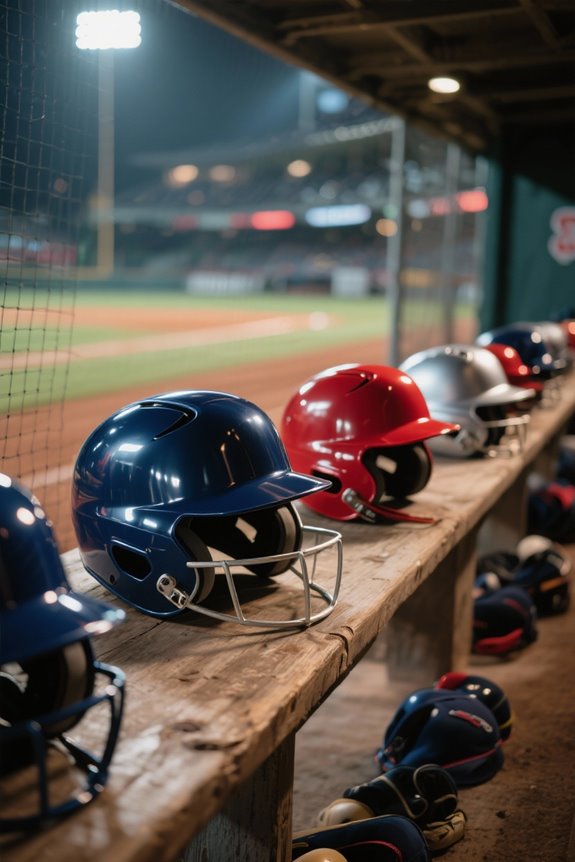
Maintaining a safe training environment extends beyond ethical interaction; it must also include rigorous emergency preparedness and health training. Coaches must establish a thorough Emergency Action Plan (EAP) that outlines specific responses to potential emergencies. This plan should be flexible, reviewed, and approved by the medical director of the institution. Regular emergency training, including CPR, AED, and first aid, is essential for all staff. Familiarity with essential medical equipment, such as AEDs and first aid kits, guarantees quick responses. All gear must be stored in accessible locations, ready for use. In practicing these protocols, coaches foster a culture of safety that benefits athletes, promoting well-being and confidence throughout the team. Additionally, ensuring that players wear helmets that meet safety standards compliance is crucial to reducing the risk of head injuries during practice.
Supervision and Athlete Monitoring
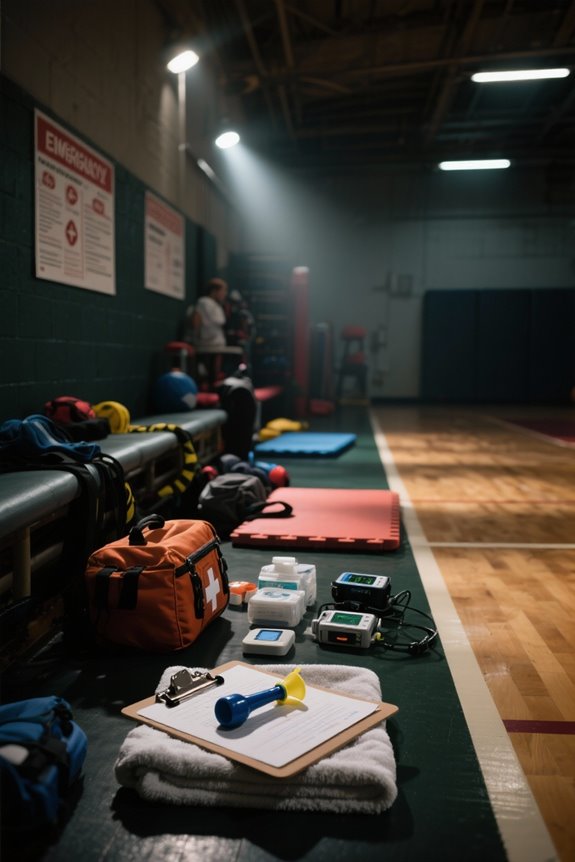
Effective supervision and athlete monitoring play an essential role in creating a safe and productive training environment. Building strong athlete relationships enhances communication, making it easier for coaches to notice signs of fatigue or distress. Individualized attention allows for tailored monitoring practices, ensuring athletes receive the support they need. Coaches should consistently track training loads, balancing intensity and volume to prevent overtraining. Regular check-ins and structured observations can increase safety and help manage specific challenges athletes may face. Clear communication about expectations and monitoring goals fosters a sense of belonging, while data management aids in analyzing performance trends. By prioritizing these strategies, coaches can create an atmosphere where every athlete thrives, both physically and mentally. Additionally, ensuring pitching machine type is appropriate for the athletes’ skill level can further enhance safety during practice sessions.
Facility and Equipment Standards
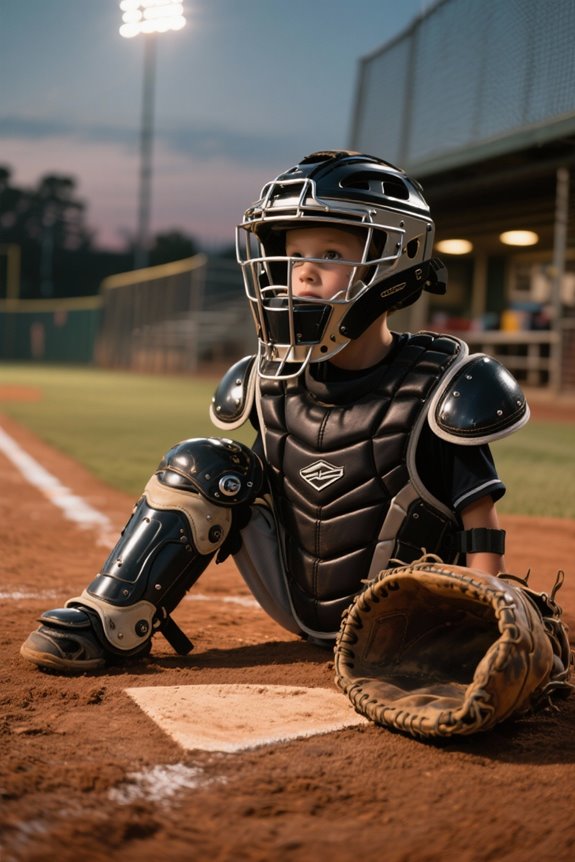
Creating a safe environment for athletes involves more than just supervision; facility and equipment standards are equally essential. A thorough facility inspection is critical. Coaches must guarantee that playing surfaces are free of debris, standing water, and obstacles before practices. Regular checks for hazards, like uneven ground or holes, help prevent trips and falls. Equipment safety is equally important; sports gear must fit properly and meet ASTM standards. Coaches should routinely assess equipment for wear or damage and replace unsafe items immediately. Additionally, clear signage should be posted throughout the facility, guiding athletes on safety rules. By maintaining these standards, coaches foster not only safety but also confidence and camaraderie among their athletes, encouraging a sense of belonging on and off the field. Properly fitted gear not only enhances performance enhancement but also ensures player safety during practices and games.
Recommended Products

3M AUTHORIZED. Manufactured with premium 3M reflective films and inks and meets every DOT requirement for outdoor parking and traffic signs. Diamond Grade Reflective Aluminum is 3x more reflective than Hi Intensity Grade.

DURABLE PLASTIC. Signs use 55 mil thick HDPE (high density polyethylene) and can last up to 2 years outside. Signs have a 100% recyclable base material.

Impact-proof Vinyl 15" x 15" Sports Field Number Signs • Court and Batting Cage Number Signs (4,5,6)
Large 15" x 15" number signs. Easy for athletes, coaches and spectators to see from a distance.
Hydration and Rest Management
Hydration and rest management are essential aspects of coaching that directly influence athlete performance and safety. Coaches must adopt effective hydration strategies to guarantee proper fluid intake during practices. Regular hydration breaks should be implemented, especially in hot or humid conditions, to help prevent dehydration and heat-related illnesses. Monitoring hydration status through body weight checks before and after training can guide appropriate fluid intake levels. Coaches should avoid relying solely on thirst as a hydration indicator, and instead recognize signs of dehydration, like fatigue and dizziness. By collaborating with athletic trainers, coaches can tailor personalized hydration plans and schedule timely breaks. This proactive approach fosters a supportive environment, enhancing athlete well-being and performance when it matters most. Additionally, incorporating moisture-wicking fabrics in athletes’ gear can further help in managing hydration levels effectively.
Injury Prevention and Response Strategies
Athletes face various risks during practice, making injury prevention and response a top priority for coaches. Implementing dynamic warm-ups prepares muscles and joints, reducing injury risks effectively. Structured strength training develops both sport-specific and complementary muscles, supporting joint stability. Coaches should follow progressive conditioning plans that gradually increase activity intensity, minimizing overuse injuries. Flexibility exercises enhance range of motion, helping to prevent muscle strains. Regular field inspections guarantee a safe environment and appropriate gear use, further reducing injury risks. Coaches must be prepared with first aid training and emergency plans to address injuries immediately. Educating athletes on signs of overuse injuries fosters a culture of safety, guaranteeing that everyone feels supported in prioritizing health and performance. Additionally, understanding the weight drop selection of baseball bats can help coaches choose the right equipment that minimizes injury risks related to improper bat use.
Recommended Products

MUST-HAVE FIRST AID KIT – This comprehensive first aid kit includes 520 pieces of essential medical supplies, perfect for handling unexpected emergencies in daily life. Treat minor injuries like cuts, burns, scrapes, and wounds with ease using the high-quality contents inside. The kit features adhesive bandages, gauze pads, a tourniquet, an emergency blanket, a first aid guide, and more, ensuring you’re well-prepared for any unforeseen situations.

Dual-Tone Design: Eye-catching dual-tone exterior with vibrant inspired aesthetics delivers standout visual impact.adding modern design flair to this essential emergency kit.

Compact Lightweight Must Have Essentials Bag - The overall dimension of the small first aid kit is 7.8" x 5.55" x 2.9" ; and weight only 1 lbs, it is ideal for an active and great lifestyle. Made of EVA water-resistant material. Mini first aid kit is very suitable for office, camping, hiking, and at home, and it does not take up space when carrying it.
Frequently Asked Questions
What Are the Signs of Overtraining in Young Athletes?
In a weary forest, trees display signs of overtraining symptoms; drooping leaves and dwindling heights reflect athlete fatigue. Young competitors struggle with motivation, chronic pain, and emotional shifts, yearning for harmony amid relentless demands of their sport.
How Often Should I Conduct Risk Assessments?
Risk assessment frequency should be established at the season’s start and end, with ongoing evaluations every 4–6 weeks. Adapting risk management strategies guarantees athlete safety while fostering a supportive environment for growth and development.
What Should Be Included in an Emergency Action Plan?
An effective emergency action plan should include urgent injury protocols, clear roles for emergency response, communication methods, accessible medical equipment, transportation procedures, and frequent training evaluations. Such measures foster a sense of safety and community for all involved.
How Can I Promote Mental Well-Being Among Athletes?
To promote mental well-being among athletes, incorporating mindfulness techniques and fostering a culture of positive reinforcement creates an inclusive environment. Such strategies enhance emotional resilience and support athletes in feeling connected, valued, and understood within their teams.
What Actions Should I Take During Extreme Weather Conditions?
In extreme weather conditions, how can safety be prioritized? Coaches must enforce lightning safety protocols and address extreme heat with hydration practices, ensuring athletes are educated and equipped to handle potentially hazardous situations effectively and collectively.