As an Amazon Associate, we earn from qualifying purchases. Some links on this site are affiliate links at no extra cost to you. Our recommendations are based on thorough research and editorial judgment.


How Can Proper Equipment Fit Prevent Injuries?

Proper equipment fit is essential in preventing injuries. Well-fitted gear reduces mechanical stress, cutting down on acute injuries like strains and fractures. It enhances stability and promotes correct biomechanics during activities. For instance, approximately 52.6% of gym injuries are tied to improper fit. Custom-fit designs guarantee comfort, encouraging consistent use. Additionally, tailored equipment minimizes risks in sports and work environments alike. Understanding these aspects can enhance safety and performance, paving the way for more informed choices.
Key Takeaways
- Properly fitted equipment minimizes mechanical stress, reducing the risk of acute injuries like strains and fractures during physical activities.
- Customized gear enhances comfort and stability, promoting effective movements and preventing chronic injuries over time.
- Around 52.6% of gym injuries are linked to improper equipment fit, highlighting its critical role in injury prevention.
- Correctly fitted protective gear significantly increases safety in sports and other physical activities, reducing overall injury likelihood.
- Tailored equipment fosters better posture and biomechanics, helping to prevent chronic overuse conditions such as osteoarthritis.
The Importance of Equipment Fit in Injury Prevention
You may be interested



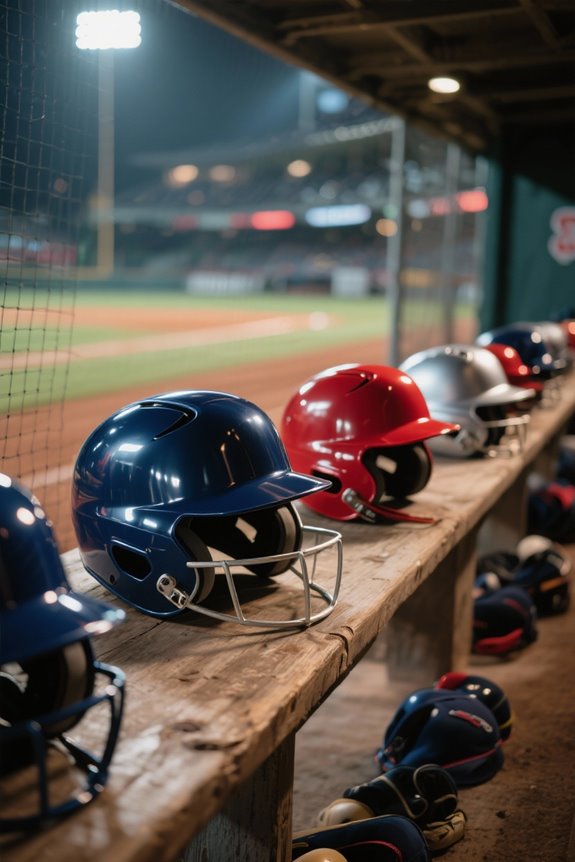
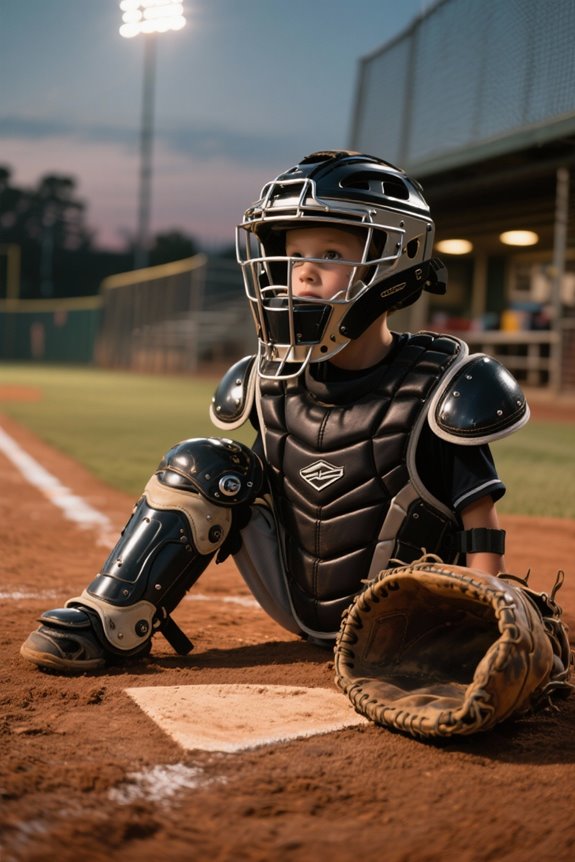
When it comes to injury prevention, the fit of sports and exercise equipment plays a pivotal role. Properly fitted gear, such as helmets and footwear, minimizes mechanical stress, thereby reducing acute injuries like strains and fractures. Customized equipment that conforms to individual body shapes enhances health outcomes by ensuring stability and comfort. Approximately 52.6% of gym injuries are linked to improper fit or equipment usage, underscoring its significance. Maintaining correct posture and biomechanics with well-fitted gear helps prevent chronic overuse conditions, including osteoarthritis. Additionally, equipment that moves seamlessly with the user boosts control and performance, allowing focus on technique. Ultimately, investing in tailored equipment leads to safer workouts and a healthier, more active lifestyle, creating a sense of community in fitness. For example, the importance of snug fit in catcher chest protectors can significantly enhance both mobility and protection during play.
Barriers to Proper PPE Usage
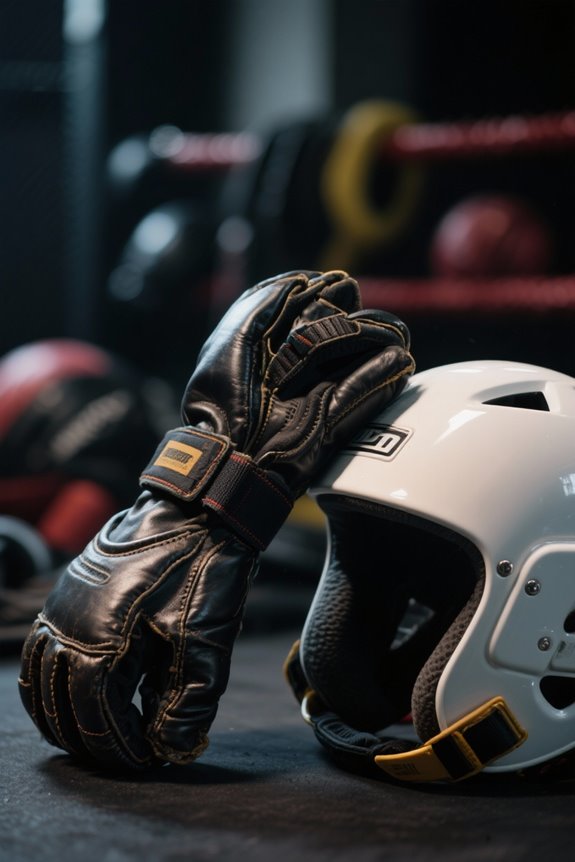
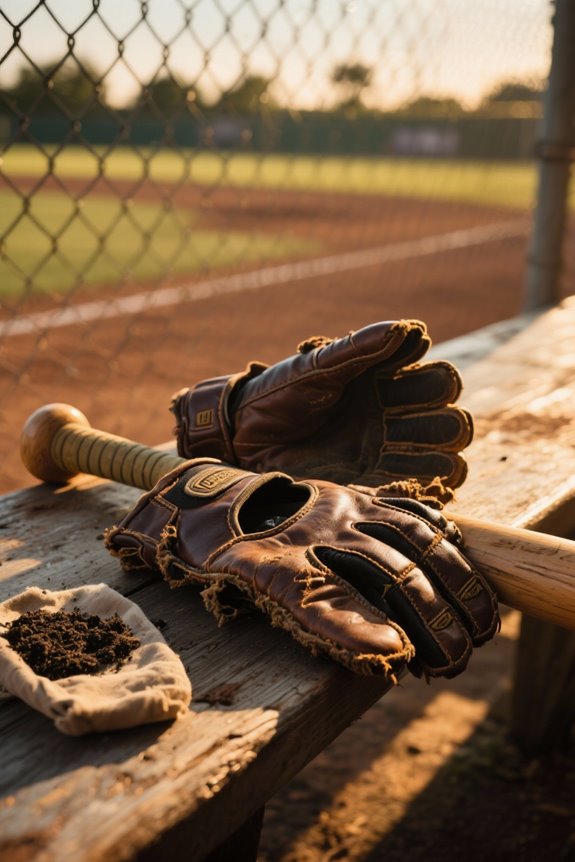
Barriers to proper personal protective equipment (PPE) usage can greatly hinder workplace safety efforts. Barrier analysis reveals that inadequate access to a full range of PPE notably lowers usage statistics among workers. Limited storage and inconsistent restocking create compliance issues. To cultivate an environment of safety, employers must guarantee that PPE is not only available but also comfortable and well-fitted. Ill-fitting gear can lead to its removal, negatively impacting overall safety compliance. Additionally, a lack of training diminishes understanding of PPE importance, contributing to reluctance in wearing it during low-hazard tasks. By addressing these barriers, organizations can enhance employee engagement in safety practices and foster a culture where using PPE is second nature. Furthermore, just as with the importance of glove size in baseball, ensuring proper fit is essential for maximizing both comfort and protection in the workplace.
Ergonomics and Reducing Musculoskeletal Injuries
Ergonomics plays an essential role in reducing musculoskeletal injuries (MSIs) in the workplace, as it focuses on designing tasks and environments that align with the body’s natural movements. Proper ergonomic standards include adjustments to chairs, desks, and computer peripherals, which can decrease neck, shoulder, and back disorders by up to 42.2%. Musculoskeletal safety improves through ergonomics training, enhancing workstation habits and promoting comfort. This practice minimizes wasteful motion and repetitive strain by accommodating individual body types. Additionally, investing in ergonomic solutions yields economic benefits, saving employers between $4 and $6 for every dollar spent. By effectively implementing these strategies, organizations not only enhance worker comfort but also elevate productivity and minimize costs associated with injuries. Moreover, using safety standards in equipment can further mitigate risks of injuries in various work environments.
Fit and Effectiveness of Fall Prevention Equipment

Proper fitting of fall prevention equipment is vital for enhancing user safety and mobility in various environments. Equipment designed for fall protection must fit snugly to minimize risks such as slippage or detachment during a fall, which could lead to serious injuries. Advantages of customizable sizing include improved comfort and compliance with fundamental safety standards. For instance, harnesses should fit tightly around the torso and legs to effectively distribute arrest forces. Adjustable straps cater to various body types, enhancing performance. Additionally, wearables equipped with fall detection systems need secure fitting for precise operation; studies reveal that these devices achieve a 93% effectiveness rate when properly positioned. Moreover, ensuring proper fit of equipment like catcher leg guards can significantly reduce the risk of injuries during play. Ultimately, correct fit guarantees reliability and supports user safety, fostering a culture of vigilance against falls.
Enhancing Safety Through Training and Communication
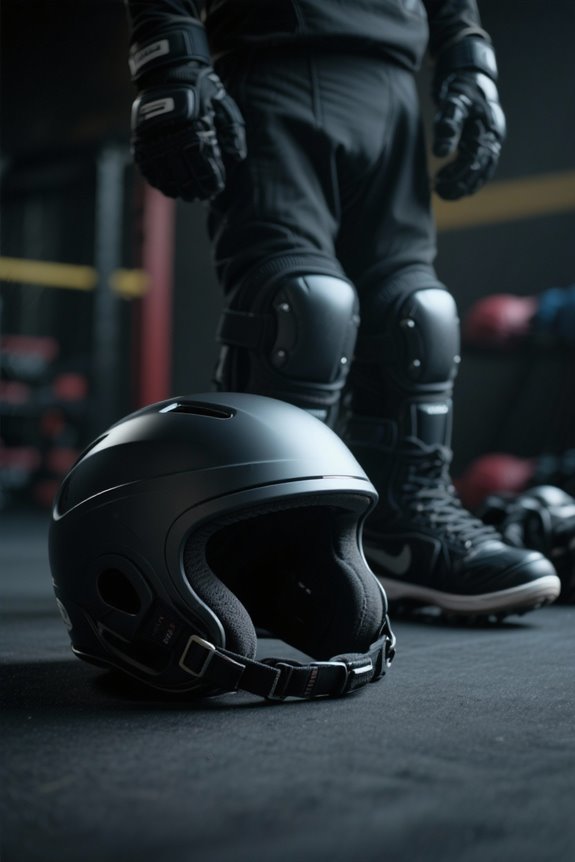
Enhancing safety in the workplace requires a strong focus on training and communication regarding equipment fit. Effective training methods, such as hands-on demonstrations and behavioral modeling, greatly enhance understanding and compliance. Engaging tools like site-specific images and interactive technologies can double engagement levels, reinforcing proper fitting practices. Clear communication strategies—through visual aids, verbal instructions, and digital alerts—ensure that equipment standards are understood and followed. Regular safety meetings provide a platform for feedback and continuous dialogue about fit issues, allowing teams to address and resolve problems collaboratively. By prioritizing structured training and open communication, companies can create a proactive safety culture that noticeably reduces the risk of injuries related to improper equipment fit. Additionally, maintaining durable materials in equipment is essential for ensuring safety and longevity in use.
Organizational Strategies for Promoting Proper Fit
While the significance of proper equipment fit may seem obvious, many organizations overlook strategic approaches to secure it. Conducting systematic ergonomic assessments helps identify fit issues vital for preventing musculoskeletal stress. Implementing standardized criteria for equipment purchases, focusing on adjustable workstations, guarantees that products meet ergonomic standards. These stations should accommodate various body sizes, promoting comfort and reducing awkward postures. Regular updates of equipment inventories keep workplaces safe and functional. Inclusive ergonomic policies mandating adjustable tools foster a collaborative environment where employees feel valued. Additionally, creating channels for feedback helps identify discomfort quickly, allowing timely adjustments. By engaging in these organizational strategies, companies can cultivate workplaces that prioritize employee well-being and optimize performance. Moreover, ensuring that equipment, such as adjustable professional catcher’s gear, is tailored to individual needs can significantly enhance safety and comfort.
Economic Benefits of Investing in Properly Fitted Equipment
Investing in properly fitted equipment yields significant economic benefits for organizations. Proper fit can lower workplace injury rates by up to 70%, cutting medical and compensation costs dramatically. Companies conducting a savings analysis typically find that the return on investment ranges from $2 to $10 for every dollar spent on ergonomic equipment. Enhanced productivity, increasing by an average of 66%, leads to fewer errors and improved work quality. Furthermore, lower insurance premiums and reduced workers’ compensation claims add further savings. High-quality equipment lasts longer, decreasing replacement costs over time. Altogether, the cumulative financial advantages of injury prevention, worker retention, and operational efficiency make a compelling case for investing in proper equipment fit. Additionally, choosing durable materials in equipment can further enhance its longevity and performance, contributing to long-term savings.
Case Studies Highlighting Successful Fit Programs
Successful case studies in ergonomic programs reveal the tangible benefits of proper equipment fit across various industries. For example, AT&T’s ergonomic solutions, like adjustable workbenches, eliminated lost workdays due to Cumulative Trauma Disorders. Similarly, tailored fit assessments at copy machine assembly stations reduced musculoskeletal disorder rates by 50% within a year. The Parker Kent campus achieved a 45% decrease in recordable incidents by engaging teams to design ergonomic solutions targeting job-related risks. Additionally, the USDA SNAP-Ed Worksite Program demonstrated that fit-focused wellness initiatives improved workplace culture and health perception among employees. These successful interventions highlight the critical role of collaborative effort in achieving effective ergonomic solutions that foster safer working environments and healthier employees. Furthermore, investing in high-quality protective gear can significantly enhance safety and performance in sports activities.
Frequently Asked Questions
How Can I Assess My Personal Equipment Fit at Work?
To assess personal equipment fit at work, one should conduct an ergonomic assessment using an equipment checklist. This process facilitates identification of potential discomfort sources, ensuring that tools align properly with individual body dimensions and needs.
What Are the Signs of Poorly Fitting PPE?
Over 70% of workers report discomfort due to ill-fitting PPE. Signs include excess fabric, indentations on skin, and impaired vision. Regular equipment evaluation is essential to guarantee comfort, safety, and encourage compliance among all team members.
Are There Specific Standards for PPE Sizing?
Yes, specific PPE regulations mandate adherence to sizing charts to guarantee proper fit. These standards enhance accessibility and protect all workers, fostering an inclusive environment by accommodating diverse body types and improving overall safety in the workplace.
How Often Should Equipment Fit Be Reassessed?
Frequent fit reassessment is like a gardener pruning plants—essential for growth. Equipment fit should be reassessed every two years for most, with heightened frequency necessary for those in high-risk environments to guarantee peak safety and protection.
What Resources Are Available for Proper Equipment Fitting Training?
Various resources for proper equipment fitting training include fitting workshops and online tutorials. These offerings cater to diverse needs, enhancing knowledge and competence while fostering a sense of community and shared responsibility among participants.