As an Amazon Associate, we earn from qualifying purchases. Some links on this site are affiliate links at no extra cost to you. Our recommendations are based on thorough research and editorial judgment.


How Do I Recognize Signs Of Pitching Fatigue In Young Players?

Recognizing signs of pitching fatigue in young players involves monitoring for physical and behavioral symptoms. Look for persistent muscle soreness, changes in pitching velocity, and slower reaction times. Behavioral signs include taking longer between pitches and losing focus or enthusiasm. Young pitchers are at a higher risk of injury when fatigued, especially after throwing over 100 innings a year. Understanding these indicators can help prevent injuries and maintain performance. Discover more effective strategies to manage pitching fatigue.
Key Takeaways
- Look for persistent muscle soreness and increased soreness during play as signs of pitching fatigue in young players.
- Monitor for changes in pitching velocity, control, and mechanics that indicate declining performance due to fatigue.
- Watch for behavioral signs like longer pauses between pitches, irregular breathing patterns, and emotional frustration.
- Recognize delayed recovery signs, such as ongoing soreness after games or reduced motivation to practice or play.
- Understand that fatigue can lead to reduced command and increased wild pitches, highlighting the need for close observation during games.
Understanding Pitching Fatigue
You may be interested



Pitching fatigue is a significant factor affecting young players’ performance and health on the field. As fatigue accumulates, muscles, particularly in the forearm, struggle to generate the necessary force for effective pitching. This results in feelings of tiredness and a sensation of fullness in the arm, which can compromise mechanical efficiency. Reduced strength access leads to altered pitching mechanics, increasing the risk of injury. As young athletes develop, their bodies become more susceptible to these biomechanical stresses. For effective youth development, coaches and parents must emphasize fatigue management. Understanding the difference between fatigue, soreness, and pain is essential. By educating players about recognizing fatigue signs, everyone can contribute to safer pitching practices and improved longevity in the sport. Additionally, proper athletic tape application can provide support and aid in recovery, helping to mitigate the effects of pitching fatigue.
Common Indicators of Decreased Pitching Performance

Young pitchers often exhibit noticeable changes when fatigue begins to affect their performance. A key indicator is a consistent decrease in pitch velocity and control, leading to more missed spots and increased walks. Altered mechanics may result in reduced hip-to-shoulder separation and slower arm speed, impacting the effectiveness of fastballs and breaking pitches. Additionally, declining strikeout rates and rising earned run averages signal lower performance metrics. Cognitive signs include slower reaction times and poor pitch selection strategies, as mental fatigue sets in. Observational cues such as increased reliance on easier pitches and reports of tiredness from coaches or parents add to the picture. Incorporating recovery exercises can help mitigate these effects, allowing pitchers to regain their form. Using tools like heavy-duty nets designed for training can also help maintain pitching performance by allowing for focused practice sessions.
Recognizing Physical and Muscle Fatigue Symptoms

Recognizing physical and muscle fatigue symptoms in pitchers is essential for maintaining healthy performance levels. Persistent muscle soreness, particularly in the shoulder and legs, lasting longer than normal after pitching can signal inadequate recovery time. If soreness intensifies with continued play, it may indicate muscle overload. Young pitchers displaying reduced strength or endurance, like a heavy feeling in their legs or difficulty maintaining pitch speed and accuracy, should be closely monitored. Delayed recovery, where muscles remain weak or sore despite rest, often means fatigue is setting in. Additionally, changes in pitching mechanics, such as decreased arm speed, can raise injury risks. These tangible symptoms highlight the importance of awareness in fostering a supportive and safe pitching environment. Furthermore, understanding the break-in process for baseball gloves can help ensure that young players are properly equipped to perform without added strain on their muscles.
Behavioral Signs of Fatigue in Young Pitchers

How can one tell when a young pitcher is experiencing fatigue? Specific pitching behaviors offer key insights. Taking extra time between pitches often indicates tiredness, as do irregular breathing patterns. Increased pauses during the routine signal decreased stamina, while a slower delivery tempo disrupts game rhythm. Additionally, noticing a loss of velocity or accuracy in throws points to fatigue triggers. Mental lapses may arise, manifested through confusing signals or indecisiveness in gameplay. Emotional signs, such as frustration over minor mistakes or a lack of enthusiasm, may surface. Finally, shifts in posture, like a dropping arm slot or stiffness, reflect discomfort. Recognizing these behavioral signals is vital for maintaining young pitchers’ performance and well-being. Furthermore, ensuring that pitchers train on weather-resistant clay can help maintain their performance levels during practice sessions.
The Connection Between Fatigue and Increased Injury Risk

Pitching fatigue presents a considerable injury risk for players, with studies indicating that young pitchers are 36 times more likely to suffer shoulder or elbow injuries when they throw while fatigued. This heightened risk is linked to fatigue consequences such as biomechanical strain and changes in joint laxity. Increased pitching volume, particularly over 100 innings yearly or more than 80 pitches in a game, magnifies injury likelihood. Recovery strategies are essential; players need adequate rest and adherence to pitch count guidelines to decrease cumulative fatigue. Awareness of pain signals is important, as pitching through discomfort increases injury odds substantially. By emphasizing safe pitching practices and proper recovery, coaches and parents can help mitigate the risks associated with pitching fatigue. Additionally, maintaining hydration with an insulated water bottle can enhance recovery and performance, as proper hydration is crucial for optimal athletic performance.
How Fatigue Affects Pitching Mechanics
Fatigue considerably impacts young pitchers’ mechanics, leading to numerous performance and injury-related challenges on the field. As fatigue sets in, knee flexion at ball release may increase, affecting stability. Core and leg muscle fatigue precedes declines in velocity, accuracy, and overall mechanical efficiency. Weak lower extremities diminish leg drive power, resulting in a shorter stride length and altered mechanics that compromise pitch delivery. As fatigue progresses, the hip-to-shoulder separation angle decreases, reducing torque generation. This mechanical breakdown also shifts load from fatigued muscles to passive structures, increasing stress on ligaments. Consequently, pitchers experience decreased velocity and accuracy, while biomechanical and neurological efficiency deteriorate. Monitoring these fatigue effects is vital to maintaining positive pitching performance and minimizing injury risks. Incorporating moisture-wicking materials into training gear can help manage perspiration and prevent overheating during practice sessions.
Monitoring Pitching Velocity and Accuracy
Monitoring the velocity and accuracy of young pitchers is essential for identifying signs of fatigue and ensuring ideal performance on the field. Effective velocity tracking can be achieved using radar guns and systems like Rapsodo PITCHING 2.0, providing real-time data to assess performance. Establishing baseline metrics helps identify significant reductions in pitch speed, often associated with fatigue. Similarly, accuracy monitoring reveals trends; increased walk rates or missed target areas can signal declines in control. By consistently analyzing pitch velocity and accuracy, coaches can detect early fatigue markers, such as reduced consistency across pitches. Early intervention is key, making it vital to prioritize regular assessments during practices and games for informed decision-making about pitching limits. Additionally, understanding the average lifespan of pitching machines can aid in determining appropriate practice frequency and maintenance needs for optimal performance.
Recognizing Changes in Control and Command
Control and command are critical factors in a young pitcher’s performance. As players fatigue, they may experience control deviations resulting in an increased number of pitches missing the target zone. Unpredictable release points develop, leading to erratic pitch locations and diminished accuracy. Young pitchers often struggle to consistently hit the catcher’s mitt, resulting in more wild pitches and walks. Additionally, mechanical inefficiencies, such as altered trunk positioning, can compromise command, with noticeable impacts on performance. Behavioral indicators, including increased time between pitches and visible frustration, often accompany these changes. Coaches and parents should remain vigilant for such signs, as early recognition of command deterioration can help mitigate further fatigue and preserve the young athlete’s development and confidence. Maintaining proper pitching mechanics is essential to reduce the risk of fatigue-related issues.
Observations of Energy Levels During Games
Energy levels substantially influence a young pitcher’s performance during games. Coaches should apply energy observation techniques to identify visible signs of fatigue. Players may show decreased physical energy, appearing tired on the mound and between pitches. Alertness also declines, leading to slower reaction times and less focused gameplay. Reduced enthusiasm can manifest as increased resting times or reluctance to engage, signaling a need for fatigue assessment methods. Monitoring pitching velocity is crucial, as muscle fatigue often causes control issues and missed pitches. Observing these behavioral indicators is essential to prevent injury and maintain performance. Recognizing these signs early can help coaches make informed decisions, ensuring young athletes contribute effectively and safely during games. Additionally, protective gear can significantly reduce the risk of injuries during play, further supporting player safety.
The Importance of Proper Workload Management
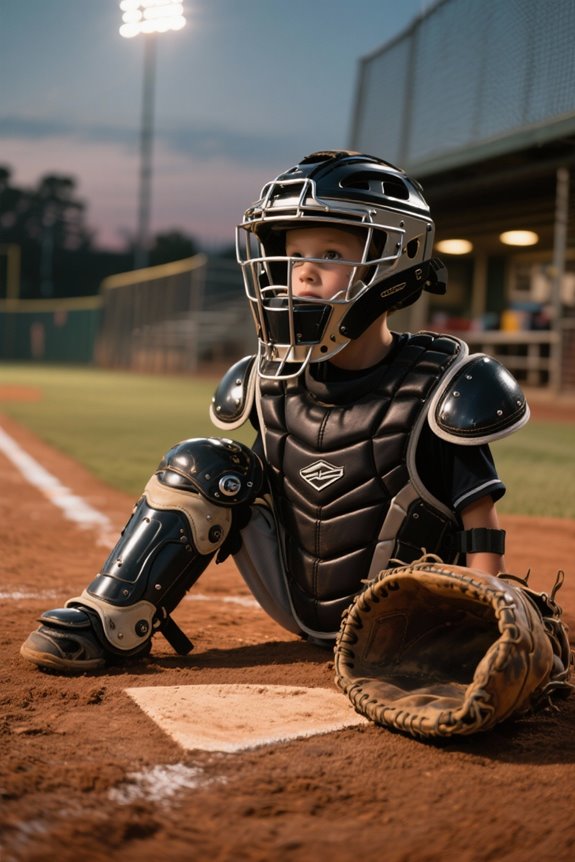
When young pitchers engage in baseball, proper workload management becomes critical for their development and safety. Achieving a workload balance is essential to prevent injuries, particularly for those aged 9-14, who should not exceed 85 pitches per day. Younger players need rest days—at least 1-2 per week—to recover fully. Monitoring overall workload should include warm-ups and bullpen sessions, not just game pitches. Management strategies must involve tracking pitch counts and recognizing internal workload indicators like heart rate. Engaging in multiple sports can enhance athleticism and reduce overuse. Gradually increasing pitch counts respects their developing bodies, while structured plans discourage excessive throwing within a season. Careful attention to these factors supports healthier, more sustainable pitching careers. Additionally, ensuring that young players use properly fitted catcher gear can further protect them during their development.
Signs of Delayed Recovery in Young Pitchers
Signs of delayed recovery in young pitchers can manifest in several critical ways. Persistent elbow or shoulder soreness that doesn’t fade after rest is a notable sign. When pain appears only during throwing, it raises concerns about injury. Additionally, if soreness lasts beyond 48-72 hours, it may indicate deeper issues. A drop in pitching velocity and inconsistent mechanics reveal muscle fatigue, reflecting inadequate recovery. Behavioral changes, like reduced motivation and focus, suggest psychological factors linked to overtraining syndrome. Finally, prolonged fatigue affecting both performance and daily activities may signify systemic issues. Young athletes should be keenly aware of these signs to guarantee timely intervention, embrace proper recovery, and maintain long-term health.
Understanding Compensatory Mechanisms During Fatigue
Young pitchers often engage in a complex interplay of biomechanical adjustments when faced with fatigue. As fatigue sets in, their stride length can vary, a compensatory strategy to maintain ball velocity despite physical stress. Shorter strides may lead to decreased ground reaction force, impacting momentum transfer from the lower body to the throwing arm. Increased pelvic angular velocity suggests that earlier segments in the kinetic chain compensate for energy loss. Significantly, changes in joint angles, such as an increased elbow valgus angle, indicate rising medial elbow stress. These biomechanical adjustments can occur without immediate drops in performance, masking fatigue’s early signs. Ultimately, understanding these compensatory mechanisms is key for coaches and parents in recognizing the subtle indicators of pitching fatigue in young players.
Strategies for Manageable Pitch Counts
Establishing effective strategies for manageable pitch counts is important in safeguarding the health of young pitchers. Coaches should implement age-specific pitch count limits, such as 50 for 7-8 year olds and 85 for 11-12 year olds. In addition, setting maximum daily limits prevents overuse. It’s essential to enforce rest periods after pitchers reach certain counts to guarantee adequate recovery. Effective player rotation is also significant; utilizing multiple pitchers distributes the workload and helps minimize fatigue. Parents should actively monitor pitch counts, especially during tournaments. Finally, communicating openly among coaches and players about pitch counts boosts accountability, fostering a supportive environment. By prioritizing these strategies, teams can maintain young athletes’ health while enjoying the game.
Importance of Recovery Periods and Rest Intervals
Rest periods and recovery intervals play a vital role in maintaining the health and performance of pitchers. Implementing structured recovery strategies is essential for youth players, especially those aged 15-18, as they face higher injury risks when pitching continuously. Pitch Smart guidelines recommend at least 3 months of complete arm rest each year. The benefits of rest include reduced muscle microtrauma and better protection for developing growth plates. Age-specific rest intervals are significant; for instance, younger pitchers need just 1 day of rest after about 21 pitches, while older players require more. By adhering to these guidelines, young athletes can effectively decrease injuries, ensuring a more enjoyable and fulfilling baseball experience.
Frequently Asked Questions
How Can I Improve My Young Pitcher’s Stamina?
To improve a young pitcher’s stamina, incorporate pitching drills that emphasize technique, along with strength training exercises targeting core and legs. Gradual intensity increase and proper conditioning build both endurance and performance over time.
What Are the Long-Term Effects of Pitching Fatigue?
Long-term effects of pitching fatigue include increased injury risk and performance decline. Chronic fatigue compromises arm strength, leading to potential overuse injuries and shorter career spans for pitchers, highlighting the importance of monitored rest and injury prevention strategies.
When Should I Seek Professional Help for My Young Pitcher?
Professional help should be sought for young pitchers whenever injury risks are apparent. Pitching assessment is vital for injury prevention, especially in cases of persistent pain, performance decline, or exceeding recommended pitch counts.
How Do Nutrition and Hydration Affect Pitching Performance?
Nutrition and hydration greatly influence pitching performance; studies show optimized nutritional timing and effective hydration strategies enhance athlete endurance. Proper fueling and fluid intake not only boost energy but also foster a strong sense of community among players.
What Role Does Mental Fatigue Play in Pitching?
Mental fatigue greatly impacts pitching performance, impairing focus and command. Effective focus techniques can enhance mental health, fostering resilience against psychological stressors and improving consistency in young pitchers, ultimately supporting their overall development and enjoyment of the game.