As an Amazon Associate, we earn from qualifying purchases. Some links on this site are affiliate links at no extra cost to you. Our recommendations are based on thorough research and editorial judgment.

What’s The Proper Pitching Mechanics For Fastpitch Softball?

Proper pitching mechanics in fastpitch softball start with a strong windup, where pitchers should shift weight efficiently from the back foot to the front. The stride foot should land near the power line for balance. Arm motion is essential; it should stay loose and follow a straight path, with the ball aimed toward second base before the wrist snap. Engaging the core helps generate energy. Following these fundamentals enhances speed and accuracy, while exploring additional techniques can refine performance.
Key Takeaways
- Begin with a proper windup, ensuring an efficient weight shift from the back foot to the front during the initial stance.
- Utilize a straight arm path and maintain a loose arm to enhance pitch velocity and accuracy during the delivery.
- Shift weight smoothly onto the stride leg, using a strong push-off from the back leg to generate energy for pitching.
- Keep the glove arm engaged and aligned with the front leg, promoting balance and preventing any disruption to your pitching motion.
- Regularly engage in strength training and conditioning to prepare musculoskeletal structures and prevent injuries associated with pitching stresses.
Windup and Initial Positioning
You may be interested



The windup and initial positioning in fastpitch softball are essential components of effective pitching mechanics. Pitchers can choose from various windup styles, including hands together push-out, one-armed swing back, or raising hands to the 12 o’clock position. The initial stance should facilitate a smooth weight shift from the back foot to the front, engaging the hips to produce horizontal force rather than vertical. Proper backward weight shifting prevents energy loss, while maintaining arm and hand cohesion enhances pitch delivery. Experimenting with different windup styles can help pitchers discover what feels comfortable and generates the most momentum. Ultimately, effective initial positioning sets the stage for a powerful pitch, inviting both mastery and confidence on the field. Incorporating anti-slip features in your practice environment can further enhance stability during your windup and delivery.
Stride Phase and Body Alignment

Mastering the stride phase is essential for any successful fastpitch softball pitcher. The stride length should ideally match the pitcher’s height, maximizing momentum and power transfer. A flat and quick landing of the stride foot creates frontside resistance, aiding in effective body alignment. Proper hip rotation during the stride promotes balance and enhances velocity. It’s critical for the stride foot to land near the power line, ensuring ideal body weight distribution. Engaging the core stabilizes the body and drives energy towards the pitch. Consistency in stride mechanics fosters reliability and reduces injury risks to the joints. By focusing on these elements, pitchers can develop their skills with confidence and precision, increasing their effectiveness on the mound. Additionally, utilizing proper glove size can enhance a pitcher’s performance by ensuring better control during the game.
Arm and Circle Mechanics

Achieving ideal arm and circle mechanics considerably impacts the effectiveness of a fastpitch softball pitcher. The pitching grip is initiated early in the wind-up, ensuring the arm remains close to the body. This positioning enhances speed and spin potential. The arm should execute a straight path, avoiding horizontal abduction that disrupts efficiency. Throughout the circle, maintain a loose and straight arm; a relaxed arm optimizes velocity and accuracy. At the circle’s peak, the ball should point toward second base before snapping the wrist at release, finishing with the elbow high. Integrating the glove arm furthers balance and posture, tucking by the thigh to foster proper alignment. Mastering these mechanics elevates both control and performance on the field. Additionally, using fastpitch softballs with raised seams for grip can significantly enhance a pitcher’s control and accuracy during games.
Weight Transfer and Energy Generation
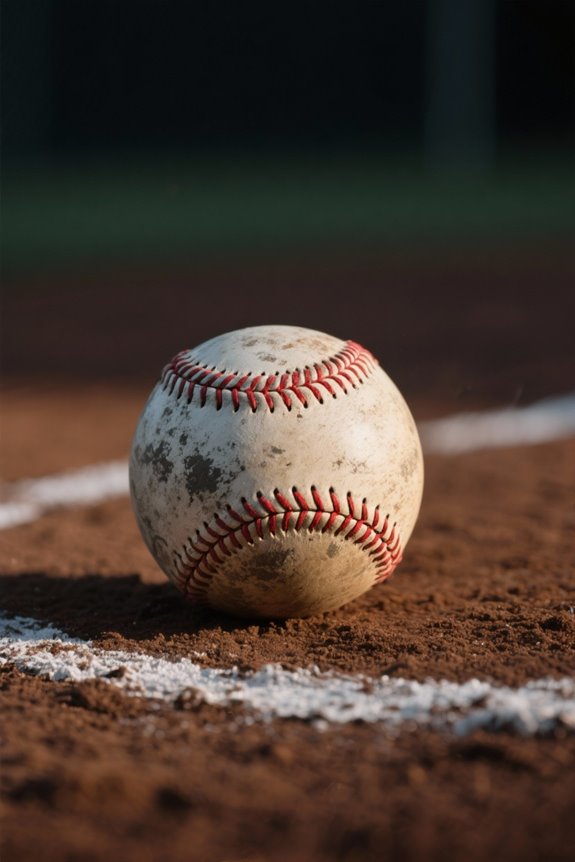
Effective weight transfer and energy generation are fundamental to a fastpitch softball pitcher’s performance. The pitching motion begins with a posterior weight shift onto the stride leg, initiating energy loading. This proper weight distribution allows for maximum torque from the lower body muscles. As the pitcher strides, weight transfer must be seamless, converting linear momentum into rotational power. A strong push-off from the back leg fuels fast, powerful throws. The hips drive this rotation, making explosive movements essential for energy transfer. The torso follows the leg drive, enhancing speed. Proper timing guarantees a fluid motion, minimizing the risk of injury while optimizing pitch speed. Mastering these mechanics creates a solid foundation for success on the field, fostering confidence and team spirit. Utilizing weighted training balls can significantly enhance strength and accuracy during practice sessions.
Foot Drag and Follow-Through

Foot drag and follow-through are critical components in a fastpitch softball pitcher’s mechanics. A proper drag foot guarantees that the heel remains elevated while the toe glides forward, maintaining a “power line” toward the target. When a pitcher experiences drag foot collapse, characterized by the foot landing flat instead of toe-down, it leads to premature hip openings and reduced power. This misalignment adversely affects the follow-through, causing awkward upper body movements. Maintaining a controlled, light drag sound demonstrates effective technique. To avoid collapse mechanics, pitchers can use drills with tools like the “Tall Drag Box,” promoting correct foot position. Additionally, ensuring proper age appropriateness helps in selecting effective training aids that support the development of pitching mechanics. Successfully executing these elements results in enhanced ball speed and a smoother, more powerful finish on each pitch.
Injury Prevention Strategies
Injury prevention strategies play an essential role in ensuring the longevity and performance of fastpitch softball pitchers. Pre-season conditioning and strength training enhance musculoskeletal readiness, reducing injury risk. Strengthening the shoulder stabilizers and core improves stability, which is crucial for absorbing pitching stresses. Coaches and players should emphasize fatigue monitoring by observing injury signs, such as reduced velocity or muscle soreness, to avoid high pitch volumes that lead to strength loss. Implementing proper warm-ups, including dynamic stretches, prepares muscles, enhancing joint mobility. Additionally, educating athletes about early pain signals fosters timely intervention, ensuring they don’t pitch through discomfort. By incorporating these strategies, pitchers can enjoy a healthier, more effective career on the field. Furthermore, wearing properly fitted helmets that meet NOCSAE safety standards is crucial for protecting pitchers from head injuries during practice and games.
Performance Considerations
Performance considerations in fastpitch softball are essential for maximizing a pitcher’s effectiveness on the mound. Key biomechanical phases—wind-up, stride, acceleration, and follow-through—must be executed properly to enhance performance metrics. During stride and acceleration, ideal ground-reaction forces lead to increased pitch velocity. However, a downward bodyweight shift due to improper knee flexion can hurt propulsion. High workloads, especially exceeding 300 pitches over two days, may decrement pitch speed and mechanical efficiency, reflecting fatigue. Maintaining proper posture and body alignment throughout the pitch guarantees muscular coordination and energy flow. Coaches should monitor pitch volume according to age, suggesting 500-700 pitches weekly, aiming to balance workload while promoting sustained performance and reducing injury risk. Additionally, understanding bat type and material can influence a pitcher’s performance through the development of hitting strategies that complement their pitching style.
Recommended Products
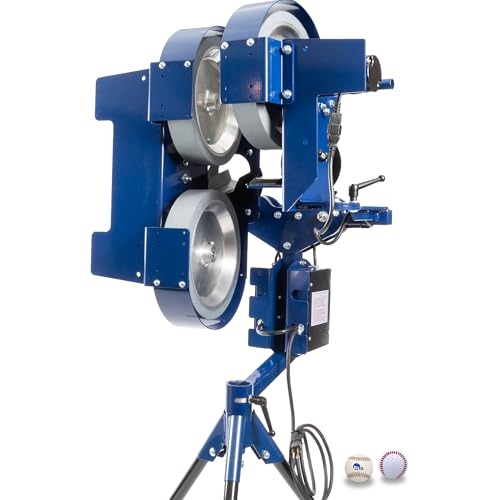
BASEBALL THROWING MACHINE: Our three wheel baseball throwing machine offers automatic pitching, ensuring consistent and accurate throws for effective training sessions for both youth and adult players, and the fastball and curveball heads are both adjustable up to 35 degrees in either direction to mimic right-handed or left-handed pitching styles, making this an excellent sports training accessory for athletes and coaching staff
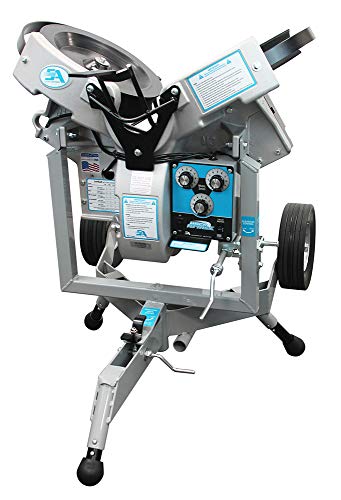
ADVANCED PITCH CONTROL - This softball pitching machine allows for precise adjustments in pitch speed, reaching speeds up to 80 mph, providing consistent training opportunities for serious softball players

ADVANCED PITCHING MACHINE - Designed exclusively for serious softball training, this machine delivers consistent, adjustable pitches tailored to enhance batting skills and timing accuracy.
Importance of Upper Body Relaxation
Relaxation plays an essential role in enhancing the effectiveness of a fastpitch softball pitch. Upper body muscle relaxation techniques are vital for maintaining energy transfer efficiency. When shoulder and arm muscles are tense, pitches can lose speed and precision, leading to increased injury risk. Relaxed muscles improve the fluidity of the arm circle and follow-through, facilitating better energy absorption and transfer. This prevents undue stress on joints, enhancing durability against overuse injuries. Encouraging pitchers to focus on deep breaths and shaking out their hands before a pitch promotes physical and mental calm, allowing smoother mechanics even under pressure. Ultimately, a relaxed upper body supports better pitching performance, enabling athletes to reach their potential while enjoying the game. Additionally, utilizing techniques like breathable mesh options can enhance comfort and support during practice sessions, allowing for better relaxation and focus.
Maintaining Balance During the Pitch
Consistently maintaining balance during a fastpitch softball pitch is essential for delivering accurate and powerful throws. Pitching balance starts with controlling the center of gravity over the back leg during the wind-up phase. Effective pitchers engage in weight shifting by using a hip hinge, guaranteeing a tall upper body, while the feet land firmly on the mound. Balance drills, like freeze drills, reinforce the sensation of staying back on the pivot foot. A well-placed stride foot provides stability, preventing excess forward weight shift. Core engagement and proper alignment of the back leg, hips, and shoulders support an efficient release. Focusing on controlled weight transfers guarantees that pitchers maximize their power while maintaining stability throughout the pitch. Additionally, using tools like automatic pitching machines can further enhance practice efficiency by providing consistent pitch delivery for skill development.
Role of the Glove Arm
The glove arm plays a pivotal role in fastpitch softball pitching mechanics, acting as a rotational crank that can significantly enhance pitch power and accuracy. Effective glove arm mechanics support hip rotation, allowing for increased pitch velocity. Keeping the glove arm compact—upper arm vertical and close to the body—prevents balance disruption and optimizes rotational power. During the pitch, the glove arm should align with the front leg, ensuring a strong “power line.” It must avoid premature shoulder rotation to maintain timing and promote efficiency. Common errors, like excessive movement or crossing the plate, hinder accuracy. By maintaining control, the glove arm stabilizes the body, contributing to a smoother, effective delivery and maximizing the pitch’s impact. Understanding the importance of bat weight impact can further improve a pitcher’s overall performance.
Variations in Pitch Types
In fastpitch softball, various pitch types each serve a unique purpose, contributing to a pitcher’s overall effectiveness. Fastball variations are foundational, offering speed and control that can keep batters guessing. Changeup techniques mimic fastball delivery while considerably slowing down the pitch, disrupting batters’ timing. Drop ball mechanics introduce downward movement that can induce ground balls, making it essential for early training. Breaking pitch strategies, including curveballs and screwballs, provide lateral movement, keeping hitters off balance. Rise ball dynamics, requiring advanced wrist strength, produce upward motion that can surprise hitters. These diverse pitch types enhance pitch effectiveness by creating unpredictability, allowing pitchers to masterfully control the game from the mound.
Recommended Products

Jugs BP1 Softball Only Pitching Machine has a Higher Speed Range of up to 70 mph and is Designed for The Advanced Player Whose Skills Demand Practicing at Game-Like speeds.
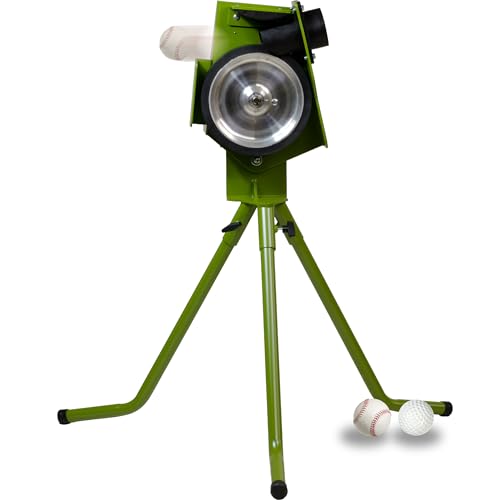
BASEBALL AND SOFTBALL THROWING MACHINE: Our single wheel baseball and softball pitching machine offers automatic pitching, ensuring consistent and accurate throws for effective training sessions for both youth and adult players, and features 2 chutes to alternate between baseballs and softballs, making this an excellent sports training accessory for athletes and coaching staff

PITCHES BASEBALL & SOFTBALLS: The BLAZE Pitching Machine is Both A Baseball Pitching Machine & Softball Pitching Machine That Pitches Lite Baseballs, Real Baseballs, Lite Softballs, and Real Softballs
Strength and Conditioning for Pitchers
Strength and conditioning play an essential role in the development of effective pitchers in fastpitch softball. Key areas include strength training, where single-leg exercises like split squats and plyometric drills enhance lower body power development. Rigorous upper body training, including band-resistance exercises and a balanced pulling to pushing ratio, improves shoulder stability and mitigates injury risk. Core strength is equally vital; focused rotational power exercises such as medicine ball throws and anti-rotation drills guarantee peak performance. Following conditioning principles, proper mobility work and structured warm-ups prepare the body for the stress of pitching. By integrating these components with a thoughtful approach to progression and recovery, pitchers can enhance endurance and effectively reduce their risk of injuries on the field.
Recommended Products

Swing Training: The ProVelocity Bat is a professional baseball swing trainer designed to increase bat speed and improve swing mechanics.

MASTER ACCURACY; Enhance your throwing precision with ALAGPRO’s innovative 9 hole pitching net designed for all skill levels; Our pitching net with strike zone mapping allows you to perfect your aim

PACK OF 40 - Football play wristbands can be used for other sports like baseball and softball
Common Mistakes to Avoid
Avoiding common mistakes is vital for achieving ideal performance in fastpitch softball pitching. Many pitchers make common errors that hinder their technique. Improper arm positioning, such as turning the palm downward, reduces pitch speed. Stride foot placement also matters; landing too far to the glove side can limit trunk rotation and pitch power. Additionally, early hip and shoulder opening disrupts momentum and timing, leading to lower pitch effectiveness. Poor leg drive from the rubber diminishes overall velocity, while inappropriate finishing positions can greatly affect balance and control. Technique adjustments like maintaining a palm-up position and landing on the power line are essential. Recognizing and correcting these issues allows for improved performance and a stronger presence on the pitcher’s mound.
Recommended Products

Our Cimarron Masters Complete Golf Frame has everything you need to build a safe, sturdy frame. 1" Steel frame corners and poles for constructing your frame.
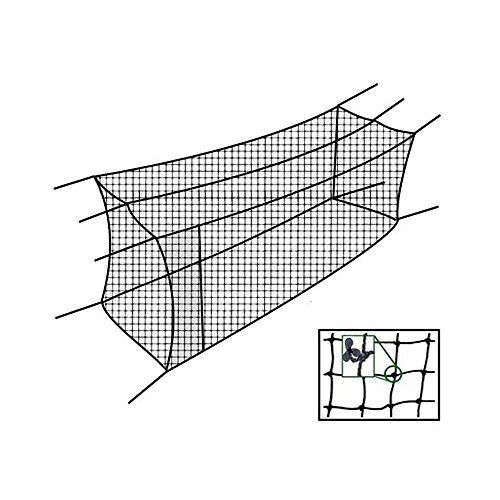
Twisted, knotted #42 twine, hung on the square for a clean look.

Meshes sown together along top and bottom to create a finished border.
Frequently Asked Questions
How Can I Improve My Pitching Speed Effectively?
To enhance pitching speed effectively, one should embrace rigorous pitching drills focused on explosive push-offs and core strength. This journey of speed development transforms effort into fluid grace, connecting aspiring pitchers to a shared pursuit of excellence.
What Mental Strategies Help Focus During Pitching?
Mental strategies to enhance focus during pitching include visualization techniques that mentally rehearse pitches and breathing exercises to stabilize emotions. Together, they cultivate a relaxed, concentrated mindset, promoting confidence and improved performance in competitive scenarios.
How Does Hydration Affect Pitching Performance?
How can pitchers expect peak performance without proper hydration? Hydration benefits muscle function and coordination, while hydration tips, like drinking before and during games, guarantee pitchers maintain strength, focus, and reduce injury risks, fostering team success.
What Are the Signs of Overuse Injuries in Pitchers?
Signs of overuse symptoms in pitchers include persistent pain, fatigue, decreased range of motion, and altered mechanics. Injury prevention strategies, such as monitoring training loads and recognizing these indicators, are essential for long-term pitcher health and performance.
How Can Nutrition Support a Pitcher’s Training Regimen?
Nutrition supports a pitcher’s training regimen by focusing on meal timing and nutrient timing. Properly timed carbohydrate and protein intake enhances performance, recovery, and energy levels, fostering a sense of community and shared commitment to athletic improvement.