As an Amazon Associate, we earn from qualifying purchases. Some links on this site are affiliate links at no extra cost to you. Our recommendations are based on thorough research and editorial judgment.

What’s The Correct Footwork For Turning A Double Play?

To execute a double play, precise footwork is essential. The second baseman should plant their left foot firmly on second base, quickly shifting their right foot towards the ball for a smooth pivot and throw. Shortstops need to angle their left foot toward the throw, shuffling it across the bag for an efficient pivot to first base. Proper positioning and quick, coordinated movements help guarantee accuracy and speed. Learn more about these techniques to enhance your skills on the field.
Key Takeaways
- Begin with a balanced athletic stance, ensuring your feet are shoulder-width apart for agility during quick movements.
- For second basemen, step firmly with your left foot on the base for a strong force-out position.
- Shortstops should place their right foot on second base and angle the left foot towards the incoming throw for effective pivoting.
- Maintain lateral spacing with teammates to ensure clear pathways for throws and minimize congestion during plays.
- Practice at game speed builds neuromuscular coordination, enhancing your response time and execution under pressure.
General Principles of Double Play Footwork
You may be interested


Executing a double play requires precise footwork, which serves as the backbone of a successful defensive strategy. Essential to this process are solid catch mechanics and effective foot placement. Players should begin with a balanced athletic stance, maintaining a shoulder-width foot position to facilitate quick movement. As the ball arrives, it is vital to use a soft glove hand for a clean catch, aligning the body slightly toward first base for rapid shift. In pivoting, clearing the pivot foot and rotating the hips allows for an efficient throw. Timing plays a significant role; foot placement must adapt to the throw’s speed. Practicing these fundamentals builds muscle memory, ensuring readiness and confidence during game-time situations. Additionally, incorporating high-quality materials in training aids can help enhance practice efficiency and reinforce proper techniques.
Footwork Techniques for Second Basemen
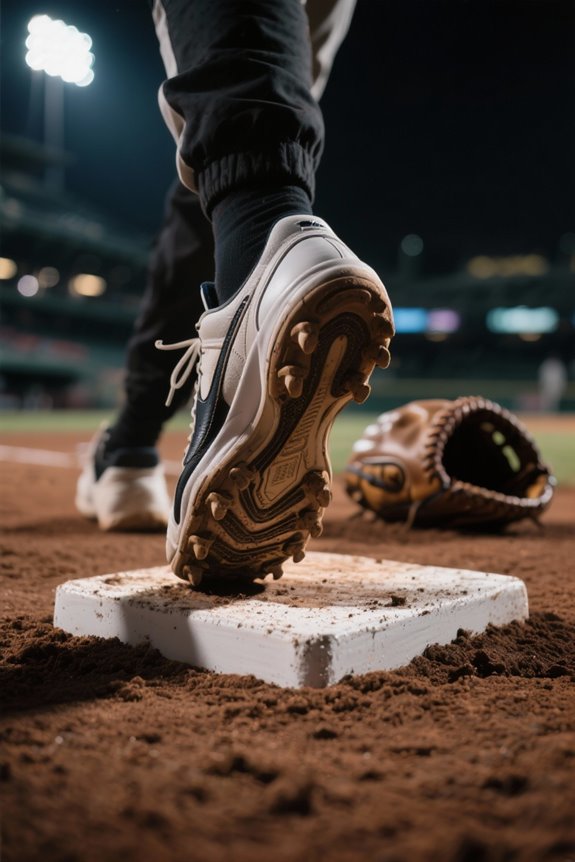
Footwork techniques for second basemen play an essential role in executing successful double plays. Effective foot placement starts with the left foot firmly landing on second base, ensuring a solid force out position. The right foot must quickly move toward the ball after a catch to facilitate a smooth pivot and throw. Proper foot positioning is vital as it adapts based on where the feed arrives, influencing both momentum and throw quality. Techniques like the step back and step behind create space from the baserunner, improving throwing lanes while reducing collision risks. Additionally, tailored footwork variations based on the type of feed enhance agility, facilitating quick changes that can make the difference in tight situations on the field. Incorporating field maintenance tools into practice routines can further enhance a player’s overall performance and preparedness.
Recommended Products

Practical Helpers for Solving Gestures: our batting practice trainer is a functional accessory for overstriding, lunging to the ball, stepping out and so on when playing...
Pivot Techniques for Shortstops

Shortstops must master the pivot technique to turn double plays effectively. Proper foot placement begins with the right foot firmly on the second base bag, while the left foot should be off the bag and angled toward the incoming throw. This position promotes stability and enhances pivot mechanics. Shortstops shuffle their left foot across the bag, guaranteeing their body pivots toward first base. Keeping the knees slightly bent guarantees a low center of gravity for better balance. After the pivot, the left foot steps toward the target, and the right foot aligns for a powerful throw. Practicing these techniques will improve timing and efficiency, vital for executing double plays under game pressure. Consistency in footwork translates to reliable performance. Incorporating moisture-wicking properties in wristbands can help players maintain focus and comfort during practice and games.
Recommended Products

Men's bib shorts for cyclists in all weather conditions

Flexible stretch that won't bag, sag or lose its shape

Size - fits hips: Small 35-36 / Medium 37-38 / Large 39-40 / X-large 41-42 / 2X 43-44 / 3X 45-46 / 4X 47-48 / 5X 49-50 / 6X 51-52 / 7X 53-54 / 8X 55-56 / 9X 57-58 / 10X 59-60 / 11X 61-62 / 12X 63-64
The Importance of Baseline Positioning
In baseball, baseline positioning plays an essential role in executing a successful double play. Middle infielders must demonstrate baseline awareness by moving closer to second base and aligning their foot placement carefully. The second baseman should position himself inside the baseline while ensuring his right foot is planted first on the base, facilitating a quick pivot and throw to first. This setup minimizes throw distances, enhancing speed and efficiency. Meanwhile, the shortstop adopts a similar stance to receive throws. Consistency in foot placement reduces the risk of errors, enabling smoother shifts during critical moments. Overall, proper baseline positioning not only enhances double play execution but also bolsters the infield’s overall defensive readiness during game situations. Additionally, using sunglasses with anti-glare technology can improve visibility for infielders during bright conditions.
Effective Teamwork in Double Plays

Executing a successful double play requires seamless teamwork among infielders, building directly on the foundation of proper positioning. This process involves shared responsibility, where players communicate effectively through verbal signals and eye contact, ensuring synchronized movement. Maintaining proper lateral spacing between the shortstop and second baseman minimizes congestion, allowing for smooth shifts during the pivot. Each player must understand their role, which enhances the double play’s efficiency. Trust in teammates, backed by awareness of their strengths, fosters confidence in execution. Quick reactions to ball trajectories and unexpected runner speeds hinge on real-time communication strategies. In such moments, communication becomes crucial to swiftly adapt, supporting a cohesive and reliable performance, essential for successfully executing double plays under pressure. Utilizing magnetic baseball coaching tools can further streamline practice sessions and improve overall team coordination.
Training and Practice for Infielders
Training for infielders involves a focus on precise footwork and body mechanics that are essential for turning double plays effectively. Key fielding drills, such as cone exercises, simulate various ball locations and enhance foot positioning. Agility training through foot-speed ladders helps improve quickness and balance. Players practice shuffle-to-pivot movements to emphasize smooth shifts and proper foot placement, aligning closely with the base. Low starter drills combine fielding a ground ball with immediate pivoting techniques, reinforcing essential mechanics. Coaches use feedback drills, including video analysis, to correct foot misplacements. Additionally, situational awareness exercises prepare infielders for different game scenarios, reinforcing the importance of timing and communication while turning double plays. Consistent practice solidifies successful techniques on the field.
Recommended Products

Advanced Cognitive + Physical Training – Unlock multisensory drills with light, sound, motion, vibration, distance, and balance integration.

Works on both the offensive and defensive aspects of the game

ADJUSTABLE ANGLES: Features quick net adjustment, simply choose your angle and set up for a variety of drills; Great for fielding ground balls, simulating pop flies and live drives, pitching, catching and more
Common Mistakes and How to Correct Them
Many infielders encounter common mistakes that can hinder their ability to turn double plays efficiently. One major issue is improper foot placement on the base. The second baseman should use their left foot, while the shortstop should use their right foot, ensuring they touch the bag first. This establishes balance necessary for an accurate throw. Another mistake is not stepping out of the baseline quickly, which can obstruct throws and lead to penalties. Rushing essential footwork steps, like omitting the backward step, can result in inaccurate throws. Maintaining proper body positioning aids targeting, as well. Finally, practicing correction strategies, such as drills for consistent timing with feeds, builds confidence in footwork and enhances double play success. Organizing your baseball gear with heavy-duty steel construction can also improve your overall game efficiency.
Recommended Products
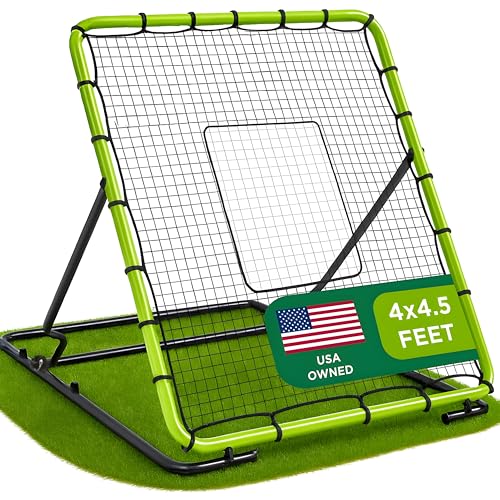
LARGE PRACTICE AREA, 4 x 4.5 feet patent pending baseball rebounder net! For both baseball and softball. Convenient for solo practice.

RAWLINGS TRAINING FUNGO | Designed to give parents and coaches the perfect tool for game-like practice reps to sharpen a player's defensive skills
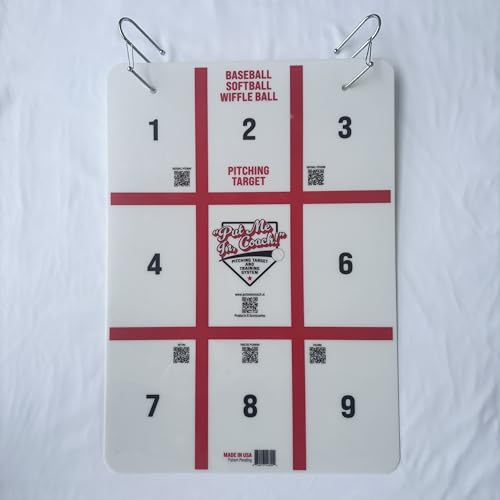
IMPROVE PITCHING ACCURACY & COMMAND — Train pitchers to throw more strikes with a realistic baseball pitching target designed to improve pitching command, control, and strike zone consistency during baseball drills and bullpen training.
Building Muscle Memory Through Repetition
Developing muscle memory for double play footwork is essential for infielders aiming for quick and accurate execution on the field. Consistent repetition methods help solidify these movements into automatic responses. By practicing specific foot placements—like the right foot on the bag for shortstops and the left foot for second basemen—players can improve their fluidity. Shadow drills focused on foot positioning boost muscle memory without distraction. Incorporating drills that simulate game pressure enhances timing and decision-making. Additionally, using video feedback allows players to visualize and correct their techniques. With diligent practice at game speed, infielders can optimize their neuromuscular coordination, ultimately making quicker, confident double play turns in high-stakes situations. Utilizing training aids like GoSports Weighted Training Balls can further enhance strength and accuracy during practice sessions.
Recommended Products

DURABLE & WATER-RESISTANT - Covered with suede fabric for ultimate water-resistant performance, stability and safety guaranteed even after you are sweaty, the wood core wrapped with high density EVA to provide you with comfort while maximizing durability

77" x 23 DEFENDER: This portable defender training dummy simulates a real-life defender, allowing players to visualize their opponents. Multiple dummies can be used together to create scenarios like double team or defensive walls, providing realistic training for various game situations

20 Feet 12 Rungs Agility Ladder and 12 Cones for Workout: Ideal for beginners and professional athletes, this agility ladder set is a must-have for improving speed, agility, coordination, quickness and overall athletic performance.Easy Adjustable 12 Rungs Not Tangled for the next time use.
Frequently Asked Questions
How Does Weather Affect Double Play Footwork?
Weather conditions affect double play footwork like shifting sands; slippery surfaces and reduced field visibility force players to adapt their movements, prioritizing balance and precision to prevent mishaps while maintaining effective teamwork in challenging environments.
What Footwear Is Best for Infielders?
Infielders benefit from lightweight, durable cleat types made from breathable footwear materials. Metal cleats enhance traction on natural surfaces, while molded options suit artificial turf, ensuring peak performance and comfort during intense gameplay.
Can Double Play Footwork Be Practiced Alone?
Indeed, solo practice of double play footwork can feel lonely, yet engaging in footwork drills fosters independence. Players refine skills, uncovering personal techniques, all while cultivating confidence and belonging in their baseball journey without relying on teammates.
What Drills Improve Double Play Speed?
Drill variations that enhance hand-eye coordination, such as reaction ball drills and partner toss scenarios, considerably improve double play speed. Incorporating short sprints and agility exercises fosters the necessary explosiveness and precision for effective execution.
How Do Different Field Surfaces Impact Footwork?
Different field surfaces markedly impact footwork, as grip variation influences stability and speed. Players must adapt their foot placement and stride length according to the surface’s characteristics to maintain balance during quick pivoting maneuvers.