As an Amazon Associate, we earn from qualifying purchases. Some links on this site are affiliate links at no extra cost to you. Our recommendations are based on thorough research and editorial judgment.


What’s The Correct Throwing Motion To Prevent Injury?

The correct throwing motion focuses on a well-coordinated kinetic chain that unites the legs, core, and arms. Start with feet planted for stability, engaging core muscles for support. The elbow should flex to about 90° with shoulders parallel to the target for ideal alignment. Proper arm positioning is crucial. Warm up dynamically to prepare muscles, while balancing workloads can prevent overuse injuries. Discovering the nuances of each throwing phase can further enhance safety and effectiveness.
Key Takeaways
- Initiate the throw using proper kinetic chain sequencing, starting with the hips, then the torso, and finally the arm for optimal energy transfer.
- Maintain a stable arm position with the elbow flexed at about 90° and shoulders parallel to the target during the throwing motion.
- Engage your core, as strong core stability protects the shoulder and distributes force, reducing the risk of injury during the throw.
- Gradually increase your training load, ensuring it doesn’t exceed 15% to prevent overuse injuries, especially in youth athletes.
- Incorporate dynamic warm-ups and core activation drills to enhance muscle readiness and flexibility, significantly lowering injury risks before throwing activities.
Understanding the Importance of the Kinetic Chain
You may be interested


Understanding the importance of the kinetic chain is essential for anyone involved in throwing sports. The kinetic chain is a coordinated system where energy transfer begins in the lower body and core, moving through various body segments to the arm. It comprises key components such as the feet, trunk, and shoulder, which work together to minimize energy loss. Proper execution of the throwing motion relies on ideal kinematic sequencing, where hips initiate movement, followed by the torso, and finally the arm. This efficient kinetic dynamics strategy enhances performance and reduces injury risk. Disruptions in this chain can lead to increased stress on joints. Focusing on energy transfer during training can greatly improve not just throwing power, but also long-term joint health. Incorporating proper equipment selection can further enhance training effectiveness and safety.
Engaging Your Full Body for Maximum Power

Engaging the entire body during a throw is a game-changer for athletes seeking maximum power. Full body engagement is essential for effective power generation, starting from the legs as they push against the ground. This creates valuable ground reaction forces that transfer energy upward. Proper foot placement during the stride enhances stability and energy transfer through the trunk. Additionally, strong hip rotation contributes to throw velocity while protecting the arm from strain. Core activation must precede arm motion to maintain a synchronized kinetic chain, reducing injury risk. Training that emphasizes rotational strength and stability will not only boost throwing power but also enhance overall performance. Ultimately, a well-conditioned full body leads to improved mechanics and lower injury potential. Incorporating pitching machines into training can help athletes practice and refine their throwing techniques effectively.
Optimal Arm Positioning for Safe Throwing

Achieving ideal arm positioning is vital for safe throwing and injury prevention. Proper arm alignment starts with the shoulders parallel to the target, markedly reducing shoulder stress. The throwing elbow should flex to about 90°, optimizing elbow mechanics for power and decreasing strain. During the late cocking phase, the arm should be horizontally abducted approximately 20°, promoting external rotation. Maintaining the elbow slightly below shoulder height enables effective scapular loading, essential for energy transfer. Stability is key; the glove hand should point toward the target to help retain shoulder alignment. Athletes benefit from warm-up throws, allowing the muscles around the elbow and wrist to adapt, promoting control and reducing the risk of injuries during intense activities. Additionally, understanding the importance of bat type can enhance overall performance and reduce the risk of throwing-related injuries.
Recommended Products

REALISTIC QUARTERBACK PASSES: Launches accurate spiral footballs at adjustable speeds and trajectories to simulate game-like passing drills for quarterbacks, receivers, defensive backs, and special teams practice.
Experience unmatched stability, akin to holding onto someone's arm

Multiple Weight Options: Available in 35, 50, 70, 90, 120, and 140 lb to match any training level or discipline.
Key Mechanics of a Smooth Throwing Motion

A smooth throwing motion relies on precise mechanics and full-body coordination. Key aspects include using legs and hips to generate power, which reduces stress on shoulder and elbow joints. Effective throwing biomechanics activate a kinetic chain; energy flows from the lower body to the trunk and finally to the arm. Each phase—windup, stride, arm cocking, acceleration, deceleration, and follow-through—imposes specific mechanical stresses, enhancing joint stability when executed correctly. Prioritizing a fluid motion prevents sudden jerks that could lead to injury. Monitoring muscle activation and ensuring proper timing during each phase creates a rhythmic progression, protecting against overuse. Ultimately, integrating strength training for the core and shoulders can greatly improve performance and safety in throwing activities. Additionally, utilizing a shoulder brace during recovery can provide essential support and stability, further preventing injury during the throwing motion.
Warm-Up Routines to Prepare Your Body

Proper warm-up routines are essential to prepare the body for ideal throwing performance. Engaging in dynamic warm-ups, such as jogging for 3–5 minutes at a medium pace, effectively raises body temperature and muscle readiness. This increased warmth enhances muscle elasticity, greatly lowering the risk of injury. Core stability is crucial, with exercises like bird dogs and banded rows ensuring support and balanced mechanics. Meanwhile, shoulder activation through mini band lateral walks and scap push-ups prepares the upper body for demanding movements. The focus on gradual, sport-specific warm-ups, including arm circles and light catch throws, boosts performance while emphasizing injury prevention. Consistently following these routines contributes to healthier, longer athletic careers. Additionally, incorporating proper maintenance of your equipment, such as gloves, can further enhance performance and reduce injury risk.
Recommended Products

【Rapid 10min Heating Technology】 Far Infrared Sauna used Graphene Carbon Plates for heating with a total 7 piece.More healthier, More environmentally friendly, Low energy consumption! 10-15 minutes can reach the max temperature of 149 ° F (65 ° C). Emit far-infrared rays that penetrate deep into the body, promoting detoxification and relieving muscle tension.With wide, soft heat evenly distributed throughout the sauna.

The Web Slide Difference. The Web Slide Professional System organizes your clinic and streamlines patient training sessions. Any resistance bands/tubing, pulley devices, or other exercise equipment that utilizes a Web Anchor Strap for door attachment can be set up and ready to go in seconds with a Web Slide Exercise Rail-no door required!
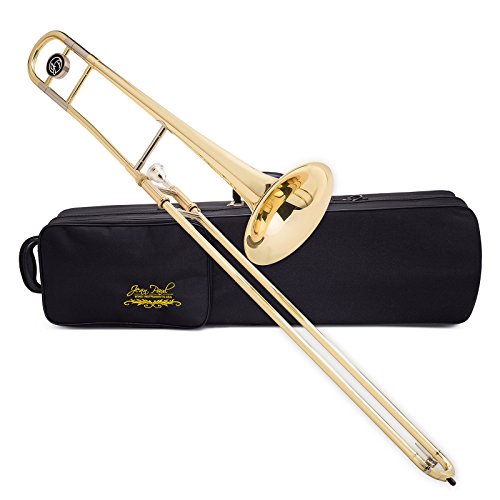
BUILT FOR INTERMEDIATE PLAYERS: The Jean Paul TB-400 Straight Tenor Trombone is designed for beginning and advancing musicians who are ready to step up their sound and control. It offers the right balance of resistance and playability to support skill development.
Dynamic Stretching for Enhanced Flexibility
Dynamic stretching plays a notable role in enhancing flexibility, particularly for athletes involved in throwing sports. These dynamic warm-ups, which mimic throwing motions, help muscles adapt to the sport’s specific demands. Effective flexibility exercises include arm circles and torso twists, each promoting coordination and range of motion. Starting with controlled, low-intensity movements shifts to faster repetitions, ensuring safety and muscle activation. Recommended repetitions typically range from 10 to 20, focusing on maintaining proper form. Utilizing resistance bands like J-Bands further strengthens vital shoulder muscles, supporting healthy throwing mechanics. Consistent integration of these dynamic stretches can greatly reduce the risk of injuries, making them essential for any throwing athlete seeking to enhance performance while promoting long-term arm health. Additionally, incorporating adjustable height training tools such as batting tees can further aid in perfecting throwing techniques through targeted practice.
Recommended Products

IN THE BOX: 1x Garmin fenix 8 Sapphire Titanium smartwatch, 51 mm, 1x charging/data cable, 1x Wearable4U Black EarBuds, 1x microUSB cable

Get a battery boost from the sunlight, so you can go longer between charges;;Special Feature:Backcountry Ski; XC Ski Dynamics; MTB Dynamics; Surf-Ready Features; Animated Workouts; Wrist-Based Heart Rate; Body Battery Energy Monitor; Advanced Sleep Monitoring; Respiration Tracking,Hydration Tracking; Performance Metrics; PacePro Technology; Recovery Time; Daily Workout Suggestions; Power Manager; Solar-Charged Battery; Pulse Ox Sensor; ABC Sensors;Water Resistant: Yes

Five Year Consumer Warranty, One year institutional warranty
Strength Training for Throwing Endurance
Building throwing endurance through strength training is essential for athletes looking to enhance their performance and reduce injury risks. Progressive strength programs focus on throwing-specific techniques, gradually increasing distance to build arm strength safely. Incorporating weighted balls can effectively enhance strength when supervised. Plyometric throwing drills, like medicine ball chest passes, further boost explosive power, critical for performance. Resistance band exercises are important for activating shoulder stabilizers, while scapular stabilization workouts prevent fatigue. Grip conditioning through farmer’s carries and wrist curls also plays a significant role, promoting control and reducing injury risks. Structured protocols that balance push/pull ratios and include circuit training enhance overall endurance, ensuring athletes can sustain their intensity during long throwing sessions. Utilizing weighted training baseballs can be particularly beneficial for developing strength and mechanics in a controlled manner.
Recommended Products

Includes 4-dozen Youth League Pearl Baseballs and Rutsch Bucket with Lid.

Training Design: Specially engineered offset weighted baseball designed for pitch development and command training, featuring a unique 7oz weight distribution

Country Of Origin: China
Rest and Recovery: Timing for Injury Prevention
Rest and recovery play essential roles in preventing injuries for athletes. Adequate rest duration between throwing sessions is necessary, as high volumes without sufficient breaks increase the risk of rotator cuff and UCL injuries. Experts recommend at least two days of rest after pitching to minimize injury risks. During this time, athletes should follow recovery protocols, including cooling down, applying ice for 12-15 minutes, and performing static stretches to restore shoulder flexibility. Monitoring workload is important, as throwing when fatigued elevates injury risk considerably. Incorporating rest periods not only aids physical recovery but also supports overall health, ensuring athletes remain competitive and capable without long-term setbacks. Balancing rigorous training with smart recovery strategies is key to sustained athletic performance. Additionally, using durable materials like rubber and steel in training equipment, such as batting tees, can enhance safety and performance during practice.
Managing Workload to Protect Young Athletes
Managing the workload of young athletes is crucial to their overall health and performance. Research shows that overuse injuries account for about 50% of injuries in youth sports, often linked to excessive training and early specialization. Effective workload monitoring is essential to prevent these injuries. Athletes should train no more than their age in hours weekly to minimize risk. Gradually increasing training loads—avoiding spikes over 15%—helps athletes adapt safely. Proactive adjustments during stressful times, like school exams, can also prevent injuries. Incorporating rest days and promoting multi-sport participation fosters well-being. By educating coaches and parents about injury prevention, everyone can work together to create a supportive environment that prioritizes healthy training practices and enjoyable sports experiences. Additionally, utilizing resources like baseball training DVDs can provide structured guidance on safe and effective practice techniques.
Utilizing Video Analysis for Technique Improvement
Video analysis serves as a powerful tool for enhancing throwing techniques in athletes of all ages. By utilizing slow-motion and frame-by-frame reviews, coaches can pinpoint key movement errors. Specialized software like Dartfish provides detailed joint angle measurements and a multi-angle view, enabling thorough movement assessment. Video feedback allows the identification of inefficient mechanics, such as incorrect wrist positioning or poor hip rotation, which can lead to injury. Athletes benefit from visual insights that promote understanding of proper technique. Coaches can suggest anatomical adjustments and guide specific drills aimed at correcting deficiencies. This objective approach fosters a community where athletes feel supported in their growth, ultimately leading to safer and more effective throwing practices. Additionally, integrating advanced monitoring features like real-time movement tracking can further enhance the athlete’s performance insights.
Recommended Products


Phases of Throwing: Targeting Stress Points for Safety
How can understanding the phases of throwing enhance safety and performance? The windup technique begins with a balanced stance and focuses on proper weight distribution, key for energy transfer. Maintaining core stability during this phase protects the shoulder and elbow. As the stride phase unfolds, adequate stride length becomes crucial; short strides increase arm stress. The arm cocking phase, marked by maximum external rotation, places considerable stress on the shoulder. This shift leads to the acceleration mechanics involved in releasing the ball, where torque peaks. Finally, the deceleration phase emphasizes controlled force dissipation, reducing injury risk. By mastering these phases, athletes can optimize their throwing methods, promoting both safety and effectiveness in their performance.
Frequently Asked Questions
What Are Common Signs of Throwing-Related Injuries?
Common signs of throwing-related injuries include early symptoms such as persistent discomfort, reduced accuracy, and uncomfortable movements. Players may also experience weakness, swelling, and a “dead arm” sensation, indicating potential underlying issues requiring attention.
How Often Should Young Athletes Practice Throwing?
“Rome wasn’t built in a day.” Young athletes should aim for throwing frequency of 2-3 times weekly, balancing practice schedules to promote skill development while allowing recovery, nurturing their progress within a supportive community atmosphere.
Can Improper Throwing Mechanics Affect Other Sports?
Improper throwing mechanics can greatly impact performance in other sports, leading to increased injury risk. Incorporating cross training benefits enhances overall strength and coordination, promoting proper mechanics and preventing injuries across diverse athletic activities.
Are There Specific Exercises for Shoulder Injury Prevention?
Are there exercises that truly help shoulder injury prevention? Yes, targeting shoulder strength and incorporating flexibility training, like theraband rotations and wall slides, greatly enhance stability and resilience, fostering a supportive community for aspiring athletes.
What Should I Do if I Experience Pain While Throwing?
Upon experiencing pain while throwing, one should prioritize pain management and utilize recovery techniques, including rest, ice application, and gentle exercises. Consultation with a medical professional is essential for proper evaluation and tailored rehabilitation planning.