As an Amazon Associate, we earn from qualifying purchases. Some links on this site are affiliate links at no extra cost to you. Our recommendations are based on thorough research and editorial judgment.


What’s The Correct Way To Field A Ground Ball?

To field a ground ball correctly, start with a neutral athletic stance, knees bent, and feet shoulder-width apart. Position your body low with the glove slightly on the glove side, forming a “V” shape. Use proper footwork to approach the ball, maintaining balance with a flat back. Focus on glove handling by keeping the glove low and employing “alligator hands.” Follow through with your throw, anticipating the ball’s movement. Master these steps for better fielding skills and improved game performance. More techniques await!
Key Takeaways
- Start in a neutral athletic stance with knees bent and feet shoulder-width apart to maintain balance and a low center of gravity.
- Approach the ball with a “V” angle, keeping your glove low for better tracking and control.
- Use efficient footwork, employing drills like the In-and-Out Drill to enhance speed and accuracy while fielding.
- Focus on catching the ball on the forward hop and sealing it with “alligator hands” for secure glove control.
- Maintain balance during fielding by aligning your body correctly, and follow through your throwing motion for successful plays.
Understanding Body Positioning and Posture
You may be interested
How Can I Improve My Swing Mechanics With A Batting Tee?
November 2, 2025

How Can I Practice Pitching Without A Catcher?
November 2, 2025
How Do I Adjust My Swing For Inside Vs Outside Pitches?
November 2, 2025
A proper understanding of body positioning and posture is crucial for successfully fielding a ground ball. Proper body alignment starts with a neutral athletic stance, where the knees bend and the torso lowers. This creates a low center of gravity that enhances ball tracking. Feet should remain shoulder-width apart, facilitating balanced lateral movement. Keeping weight on the balls of the feet allows for swift reactions, while a flat back guarantees fielding efficiency. The body should position itself so the ball is slightly on the glove side, maintaining an athletic posture. Achieving a “V” shaped angle while squaring shoulders toward the ball optimizes both fielding position and throwing readiness. Understanding posture significance directly impacts overall performance and success on the field. Incorporating agility ladder training can further enhance speed and coordination, which are vital for fielding effectiveness.
Essential Footwork and Movement Techniques

Efficient footwork serves as the backbone of successful ground ball fielding, enabling players to respond quickly and accurately. Implementing targeted footwork drills, such as the In-and-Out Drill with speed ladders, enhances timing towards the throwing target. The Line Drill reinforces the ideal angles for approaching ground balls, ensuring precision. Crossover Drills build quick steps, essential for maintaining speed and stability. Furthermore, the Chop and Shuffle Drill promotes agility, keeping players ready and active. After fielding, utilizing right-left footwork aligns the body for a prime throw. Emphasizing short, deliberate steps reduces ball-holding time and boosts throw speed. With consistent practice, these movement techniques transform players’ skills, enhancing their effectiveness on the field. Additionally, practicing with a ground ball trainer can significantly improve fielding skills through targeted repetition.
Recommended Products

Improves fielding skills (teaches a "soft receiving" technique) and the transition from glove to throwing hand

Instant feedback: Get a better analysis of your players engagement with the ball as you get instant feedback on their reaction time. This six-sided high-bounce rubber ball leaps and pops randomly, keeping players on their toes.

Used by some of the top infield instructors, the patented design of the Fielder’s Dome Mat is key and features two rows of domes that will deflect more balls off the mat per minute at various heights or angles
Mastering Glove Handling and Ball Control

Mastering glove handling and ball control is essential for players aiming to elevate their fielding skills. The foundation lies in proper glove alignment; players should present the back of the glove to the ball, ensuring smooth catches in the pocket. Maintaining a low glove position allows for better ball tracking and funnels the ball toward the body. Practicing “alligator hands” enhances control by sealing the ball within the glove. Players must also adjust glove angles to accommodate irregular hops. Quick hand synchronization between the glove and throwing hand is key to a seamless shift. By engaging in specific drills that simulate various ground balls, players can develop muscle memory and improve their overall glove control in any situation. Incorporating training guidance tools into practice sessions can further enhance fielding effectiveness.
Recommended Products

Fits Adult Hand: Designed To Teach Proper Mechanics For Infield Play.

FIELDING TRAINER | Two-Hand Foam trainer helps players develop proper two-hand fielding skills
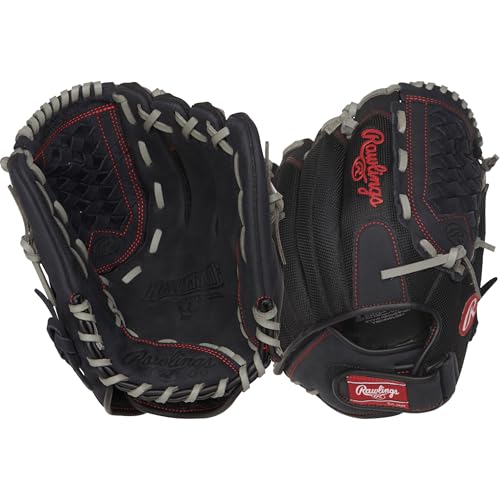
DESIGNED FOR ADULT BASEBALL / SOFTBALL PLAYERS | Perfect for Adults playing recreational baseball or softball
Maintaining Visual Focus and Timing

How does a player effectively maintain visual focus and timing when fielding a ground ball? The key lies in precise visual tracking and foot placement. Players should keep their eyes level, guaranteeing they focus on the ball from the moment it is hit until it securely enters the glove. Approaching at a “V” angle enhances visibility and allows better judgment of the hop. Synchronizing the left foot’s landing with glove contact creates balance, heightening readiness for the throw. Continuous foot motion aids in adjusting positioning, while taking an added step may improve control. Fielding on the forward hop ensures quicker shifts. Engaging in drills that challenge these skills boosts fielding confidence and reinforces proper timing, making all the difference in play. Incorporating high-quality training equipment can further enhance practice sessions, leading to improved fielding techniques.
Preparing for Throwing Mechanics

Preparing for throwing mechanics is essential for a successful play in baseball. Proper throwing preparation begins with a low athletic stance, knees bent, and weight balanced on the balls of the feet. This position enhances throwing efficiency and agility. The glove should be out in front, at waist level, ready to funnel the ball into the throwing hand smoothly. Players must use a “right-left” or “left-right” footwork pattern after fielding, positioning the pivot foot for ideal momentum. Align the shoulders toward the target for accuracy and generate power through hip rotation. All these elements work together to create a fluid shift from fielding to throwing, minimizing delays and maximizing effectiveness in critical game moments. Additionally, using durable equipment during practice can help reinforce these mechanics and build confidence in fielding and throwing skills.
Drills for Practicing Fielding Techniques
Effective drills for practicing fielding techniques can greatly enhance a player’s defensive skills on the baseball field. The Backhand/Forehand Groove Drill focuses on footwork and glove angle and starts with light tosses to build muscle memory before introducing faster pitches. For slow rollers, players should approach aggressively, emphasizing low stances and firm foot placement. Circle Drills teach infielders to move aggressively toward the ball while practicing game-speed grounders. The Glove-Side Foot Backhand Drill develops backhand fielding and focusing on body positioning is vital. Finally, Zig-Zag drills improve foot rhythm and timing, integrating the full defensive sequence by incorporating immediate throws. Together, these fielding drills equip players with essential ground ball techniques for successful gameplay. Additionally, utilizing a durable baseball net during practice can help players refine their fielding skills by simulating game scenarios effectively.
Recommended Products

TRAIN INDEPENDENTLY: Practice throwing, pitching, and fielding with or without a coach; The pitchback rebounder can return baseballs & softballs to simulate ground balls and line drives; Great for pitchers & fielders
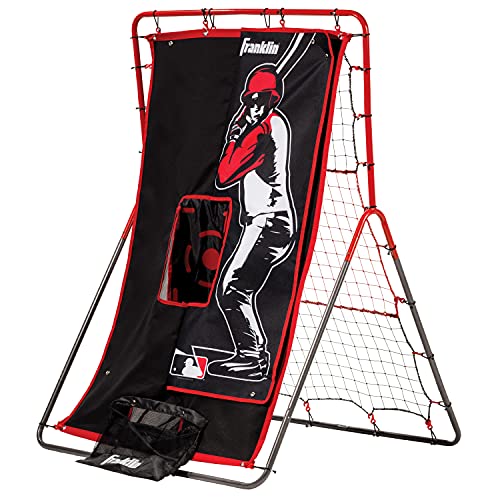
ALL-IN-ONE TRAINER: This rebounder and pitching target has everything youth baseball and softball players need to hone all their skills at once!

Weather-Resistant, Built for Durability: Featuring a heavy-duty, UV-resistant PE rebounding net and a robust powder-coated steel frame, this 4 x 4.5 ft baseball rebounder net is built to endure intense practice sessions in all weather conditions. Durability tested for 80,000 hits, tear-resistant
Role of Soft Hands in Catching
Soft hands play an essential role in a catcher’s ability to effectively handle pitches and block errant throws. They allow for soft catching, gently absorbing the ball into the glove, which prevents hard rebounds. By maintaining relaxed wrists and fingers, catchers reduce the risk of the ball bouncing out upon contact. Additionally, soft hands enhance the speed of transferring the ball from glove to throwing hand, promoting overall efficiency. Proper glove positioning guarantees the ball travels centrally into the pocket, enabling smoother catches. Catchers practice drills that focus on glove absorption and awareness, reinforcing the importance of relaxed hands. This technique not only improves pitch framing but also increases a catcher’s reliability behind the plate. Moreover, utilizing high impact protection from gear like batting helmets can further ensure player safety while fielding.
Adjusting to Different Ground Ball Types
When fielders encounter ground balls, understanding the type and spin of the ball is vital for effective play. Accurate ground ball identification hinges on recognizing spins—top spin causes high bounces, while back spin leads to low skipping. Fielders must read these spins for proper positioning; top spin grounders should be fielded on the biggest hop, while back spin balls require anticipation to manage low rolls effectively. Side spin necessitates extra distance to adjust for lateral movement. Different types of grounders, such as choppers or smoked liners, demand varying reactions. Consequently, clear spin interpretation and quick response skills are indispensable for successful fielding, allowing players to secure the ball and maintain momentum on the field. Additionally, practicing on sliding mats can help enhance a player’s reaction time and improve their fielding performance.
Recommended Products

Professional Pitching Mat for Beginners: Designed specifically for young people beginner players, this softball pitching mat helps develop proper throwing mechanics and batting stance. The 54 x 12 inches size is suitable for both baseball and softball training, making it a versatile addition to any training mat routine. Whether used for pitching practice or batting practice, this mat supports consistent improvement.

【Professional Batting Mat】-The bright white lines and home plate area are distinctly separated from the green/red zones, allowing pitchers from a distance to see clearly and accurately throw the ball

Training baseball with finger placement markers for four different pitches: 4-seam fastball, 2-seam fastball, curveball and slider
Importance of Balance During Fielding
Balance plays an essential role in how effectively ground balls are fielded. Implementing balance drills and techniques enhances stability during play. Proper foot positioning, with the left foot slightly ahead and feet wider than shoulder width, lowers the center of gravity. This setup allows for quick lateral movements and better absorption of irregular bounces. Maintaining an athletic posture by lowering hips and keeping the chest forward helps players track the ball. Weight distribution on the balls of the feet fosters controlled momentum, ensuring efficient movement towards the ball. Engaging in balance assessments and exercises aids in refining these skills. Ultimately, mastering these balance principles leads to more consistent fielding, reducing errors and boosting overall confidence on the field. Incorporating impact absorption technology in gear can further enhance a player’s performance and safety during play.
Breaking Down the Throwing Process
Mastering the throwing process is essential for any player looking to elevate their game on the field. To achieve accurate throws, proper arm positioning is vital. The elbow should remain at shoulder height during the release. Players should focus on grip techniques, ensuring their pointer and middle fingers stay on top and behind the ball. Generating power starts from the back leg, with hips aligned and directed at the target. Maintaining forward momentum after the throw enhances distance and reduces arm stress. Following through naturally allows for a fluid motion, while “alligator hands” secure the ball before release. This combination of techniques leads to improved throwing accuracy and sets players up for successful subsequent plays. Incorporating these techniques can enhance overall training versatility and effectiveness in performance.
Common Mistakes to Avoid When Fielding
Fielding a ground ball effectively requires more than just skill—common mistakes can hinder a player’s performance greatly. Many players fall victim to common fielding misconceptions, including improper body positioning. For instance, being flat-footed or lowering the butt straight down can disrupt balance and readiness. Effective anticipation strategies also play an important role; players should read the ball off the bat and remain focused to enhance reaction times. Incorrect glove technique, such as pointing fingers down or closing eyes too early, should be avoided. Additionally, rushing throws or mismanaging footwork can lead to errant plays. By recognizing these pitfalls, players can markedly improve their fielding abilities and contribute positively to the team dynamic.
Recommended Products
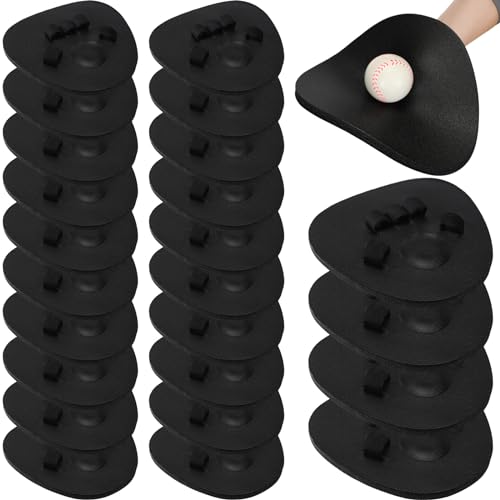
Baseball Training Gloves: you will receive 12 pieces of baseball infield training gloves in black, 2 pieces of a set; The foam baseball trainers are good for developing quick hands and agility, and you can also share them with your surrounding people

BECOME A BETTER FIELDER: Strengthen the use of both hands and quickly improve your baseball defensive skills.

Quick Hand Reflexes: revolutionize your pitching mechanics with our training glove, engineered for left-handed players; This flat-mitt design accelerates reactive drill performance, systematically developing elite-level hand speed, defensive agility, and fielding precision through targeted muscle memory training
Tips for Building Consistency in Fielding Skills
Consistent fielding skills are essential for any baseball player looking to enhance their game. To build confidence and develop instincts, players should focus on mastering body positioning. Keeping the body square to the ball aids quick reactions to bad hops. Staying low with knees bent guarantees balance and smooth movement. Eyes must remain locked on the ball from the bat’s impact to the glove. Practicing footwork drills, like the “Four Corners,” hones precise movements. Employing “alligator hands” during glove work assures a quick transfer to the throwing hand. Finally, incorporating daily repetitions of varied ground balls trains muscle memory and adaptability. Building consistency, one informed practice at a time, fosters skills that resonate in real game situations.
Frequently Asked Questions
What Equipment Is Best for Fielding Ground Balls Effectively?
Effective ground ball fielding requires a snug glove type for quick control, alongside a sturdy bat choice for confidence at the plate. Proper gear enhances safety and performance, fostering a sense of belonging in the team.
How Do Weather Conditions Affect Ground Ball Fielding Techniques?
Weather conditions greatly impact ground ball fielding techniques. Rain effects create slippery turf conditions, altering ball speed and unpredictability. Fielders must adjust their stance and approach, maintaining balance and grip for ideal performance despite challenging environments.
When Should I Wear Sliding Pads While Fielding Ground Balls?
Sliding pads should be worn during intense fielding situations as a safety measure. These cushions help players master sliding techniques while fostering a sense of belonging, allowing them to embrace challenges with confidence and camaraderie.
How Can I Improve My Instinctive Reactions to Ground Balls?
Improving instinctive reactions to ground balls can be achieved through consistent reaction drills and diverse practice techniques. Engaging in varied fielding scenarios fosters adaptability, enhancing anticipation skills and overall confidence in gameplay situations.
What Should I Focus on When Fielding Ground Balls Under Pressure?
In the arena of uncertainty, the wise athlete hones mental focus and quick reflexes, embracing stability in stance while deftly anticipating challenges. With practice and poise, they conquer ground balls, solidifying their place among teammates.